Bose Lifestyle Ultra Soundbar vs Samsung HW-Q900H
Quick Verdict
Choose the Bose Lifestyle Ultra Soundbar if you want a single bar with Dolby Atmos, Bose TrueSpatial projection, CustomTune room tuning, and voice control without a separate subwoofer. Choose the Samsung HW-Q900H if you want a 7.1.2 channel system with a wireless subwoofer, up firing drivers, Q Symphony for compatible Samsung TVs, and SpaceFit Sound Pro. Both score 80 overall but differ in strengths and missing specs. Bose confirms HDMI eARC and wider streaming support including Bluetooth and Spotify. Samsung includes a dedicated sub and more channels. Verify missing hardware details before buying either.
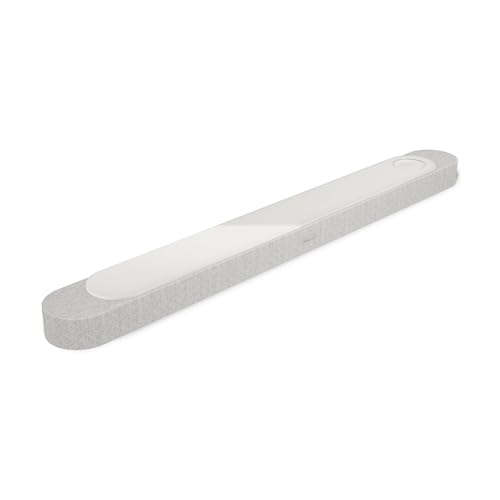

| Spec | Bose Lifestyle Ultra Soundbar | Samsung HW-Q900H |
|---|---|---|
| Channels | Not published in listing | 7.1.2 (7 front channels, 1 subwoofer, 2 up firing channels) |
| Drivers | PhaseGuide drivers described; no driver count or size published | Not published in listing |
| Power | Not published in listing | Not published in listing |
| Subwoofer | No separate subwoofer listed; CleanBass Technology described for bass | Wireless subwoofer included |
| Dolby Atmos and DTS | Dolby Atmos and TrueSpatial listed; DTS not mentioned | Dolby Atmos wireless. DTS not published in listing |
| HDMI eARC and inputs | HDMI ARC and eARC listed; no other inputs specified | Not published in listing |
| Wireless and streaming | Wi-Fi, Bluetooth, AirPlay, Spotify, Google Cast, Alexa, Siri listed | Alexa built in, Googlecast, AirPlay 2. Bluetooth not specified in listing |
| Dimensions | Not published in listing | Not published in listing |
| Remote and app | Bose app with touch, app, and voice control described; remote not specified | Not published in listing |
| Included accessories | Not published in listing | Wireless subwoofer. Other accessories not published in listing |
Sound Quality
The Bose Lifestyle Ultra Soundbar scores 24 out of 30 for sound quality, while the Samsung HW-Q900H scores 26 out of 30. Bose describes PhaseGuide driver technology that projects room filling audio from a single enclosure. The listing does not publish a channel count, driver count, driver size, or power rating, which makes it difficult to compare raw output against Samsung. Bose also includes CleanBass Technology for bass and CustomTune Technology for automatic room adaptation.
Samsung lists a 7.1.2 channel configuration with seven front channels, one subwoofer, and two up firing channels. This is a more specific layout than Bose, and the dedicated up firing drivers suggest a distinct height effect for Dolby Atmos content. Samsung does not publish driver sizes or power output, so the relative loudness potential remains unknown. SpaceFit Sound Pro automatic room calibration is listed as a Samsung feature.
The listed sound quality scores favor Samsung by two points. But both products rely on proprietary processing to shape audio, and neither listing provides enough driver or power data to verify real world output. Buyers who want a defined 7.1.2 array and a wireless subwoofer may find Samsung more reassuring. Buyers who prefer a single bar solution with Bose room tuning may accept the missing spec sheet.
Surround, Atmos and Audio Formats
Both soundbars support Dolby Atmos. Bose lists Dolby Atmos and Bose TrueSpatial technology, which is designed to create a wider and taller soundstage from one bar. DTS playback is not mentioned in the Bose listing, so buyers who need DTS decoding should check the full spec sheet elsewhere. Samsung lists Dolby Atmos wireless support, meaning the bar can receive Atmos without a mandatory HDMI cable for certain setups. DTS is not published in the Samsung listing either.
Bose does not publish a channel count, so the exact surround configuration is unclear. Samsung is explicit about 7.1.2 channels, including two up firing drivers that are dedicated to height effects. Bose uses PhaseGuide drivers for projection, but there is no published number of those drivers. In terms of audio formats, both support Atmos; neither confirms DTS from the supplied listing. Samsung's Q Symphony is a TV integration feature rather than a surround format.
For a buyer comparing surround formats, the Samsung has a clearer channel layout and wireless Atmos support. The Bose relies on TrueSpatial and PhaseGuide processing, which may produce a broad soundstage but is less transparent about the underlying hardware. If DTS matters, neither listing confirms it, so both are uncertain on that point. Overall Samsung offers more published surround detail.
Subwoofer and Bass
The Bose Lifestyle Ultra Soundbar does not list a separate subwoofer in the product facts. Instead it uses CleanBass Technology, which is described as promising deeper bass without distortion at high volume. This suggests all bass is produced inside the soundbar enclosure itself, but no driver size or power rating is provided. Buyers who want a clutter free single enclosure may prefer this design, although the physical bass output is unquantified.
The Samsung HW-Q900H includes a wireless subwoofer as part of the package. This separate subwoofer typically handles low frequencies more effectively than a bar alone, though the listing does not publish the subwoofer driver size, power, or enclosure dimensions. The presence of a dedicated wireless subwoofer is a concrete advantage for bass heavy content such as movies with deep effects. Samsung's 7.1.2 configuration includes the subwoofer as the point one channel.
Both listings lack bass frequency response data, so direct low end comparison is impossible. The Bose design suits minimalist setups and small rooms where a subwoofer may be undesirable. The Samsung design suits buyers who explicitly want a separate subwoofer for stronger bass and are willing to place an additional box in the room. This difference may be the single most decisive hardware distinction.
Connectivity and TV Setup
Bose lists HDMI ARC and eARC support, allowing simplified connection to a TV and high bandwidth audio return for formats like Dolby Atmos. The Bose listing does not specify any additional HDMI inputs, so sources may need to connect to the TV rather than the soundbar. Samsung does not publish HDMI eARC or any HDMI input details in the supplied facts, leaving a significant unknown for buyers who want to connect multiple devices directly to the bar.
For wireless connectivity, Bose is more fully specified. It lists Wi-Fi, Bluetooth, AirPlay, Spotify, Google Cast, Alexa, and Siri. Samsung lists Alexa built in, Googlecast, and AirPlay 2, but Bluetooth support is not specified in the listing. This means Bose currently has a broader confirmed wireless and streaming ecosystem, especially for Bluetooth users and Spotify direct streaming. Samsung's missing Bluetooth confirmation is a notable gap.
TV setup for Bose is described as quick and simple through the Bose app. Samsung does not publish setup details, but Q Symphony is listed as a feature for compatible Samsung TVs, which can integrate the soundbar with TV speakers. Because Samsung does not confirm HDMI eARC, TV connection quality remains uncertain. Bose has the edge in published connectivity, particularly eARC and Bluetooth.
Features, Apps and Voice Control
Bose describes touch, app, and voice control, but no physical remote is specified. The Bose app is used for setup and likely for adjusting sound settings, although the exact feature list of the app is not fully detailed. Voice control includes Alexa and Siri, plus built in streaming support for Spotify, AirPlay, Google Cast, and Bluetooth. This makes Bose a strong fit for households already using Apple or Alexa voice ecosystems.
Samsung includes Alexa built in, which allows voice control without relying on an external device. It also supports Googlecast and AirPlay 2 for streaming. However, the listing does not mention a companion app or physical remote for the Samsung HW-Q900H, which is a surprising omission for a product in this category. Samsung adds Q Symphony and SpaceFit Sound Pro as feature differentiators, but remote and app details are absent from the supplied facts.
In terms of voice control, both offer Alexa support, but Bose adds Siri as well. Bose also lists more explicit streaming protocols including Spotify and Bluetooth, while Samsung does not confirm Bluetooth. For app control, Bose has a named app; Samsung's app is not mentioned. Buyers who value confirmed app and Bluetooth features may prefer Bose, while Samsung's built in Alexa may appeal to those who want hands free control without a separate skill setup.
Design and Fit Under a TV
Neither listing publishes physical dimensions or weight, which makes it impossible to compare the exact footprint under a TV. Bose is a single bar design with no separate subwoofer, so it will require less floor space and may sit more easily on a media console. However, without dimensions, buyers cannot verify whether the bar will block a TV's remote sensor or fit a specific cabinet depth.
Samsung is described as a soundbar with a wireless subwoofer, so it has two physical components. The main bar likely sits under the TV, while the subwoofer can be placed elsewhere in the room. The lack of published dimensions for both the bar and the subwoofer is a significant drawback for buyers planning a tight installation. Samsung's Q Symphony feature may be beneficial for wall mounted Samsung TVs, but fit details are still unknown.
For design, the Bose single enclosure has a minimalist advantage for buyers who object to a subwoofer. The Samsung setup adds a subwoofer but may deliver better bass. Because neither listing states height, width, or depth, neither product can be objectively confirmed to fit under a low profile TV. Buyers should check the manufacturer's full spec sheet before purchase.
Who Should Buy It
Buy the Bose Lifestyle Ultra Soundbar if you want an upper mid range single bar Dolby Atmos solution with Bose room tuning, voice control, and app based setup. It is best for buyers who prefer no separate subwoofer cluttering the room and who value a broad streaming ecosystem including Wi-Fi, Bluetooth, AirPlay, Spotify, Google Cast, Alexa, and Siri. The Bose is also suitable for those who trust TrueSpatial and PhaseGuide processing to create a wide soundstage from one enclosure.
Avoid the Bose if you need a fully specified system with DTS decoding, a dedicated subwoofer, or published driver and power specs before buying. Buy the Samsung HW-Q900H if you own a Samsung TV and want a 7.1.2 Atmos soundbar with a wireless subwoofer and smart streaming. It is best for buyers who do not need full published specifications before purchase and who value a dedicated sub and up firing drivers.
Avoid the Samsung if you need exact connectivity, DTS decoding, driver sizes, or physical dimensions before buying, because the listing does not publish those details. The Samsung is also a strong choice for buyers who want Q Symphony and SpaceFit Sound Pro for automatic room tuning when paired with compatible Samsung TVs. Both products serve different installation preferences and risk tolerances for missing specs.
The Deciding Question
The deciding question is whether you want a single bar solution with Bose processing or a more traditional 7.1.2 soundbar and wireless subwoofer from Samsung. Bose emphasizes TrueSpatial, PhaseGuide, and CleanBass from one enclosure, and it confirms HDMI eARC and a wide wireless ecosystem. Samsung emphasizes a concrete channel layout, up firing drivers, and a separate subwoofer, but it leaves HDMI eARC and Bluetooth unconfirmed.
If you prioritize a clean single bar setup and confirmed connectivity, the Bose is the more transparent choice on connectivity despite unknown hardware specs. If you prioritize a defined 7.1.2 array and a wireless subwoofer for movie bass, the Samsung is more appealing. The missing DTS support in both listings means neither is proven for DTS content. Ultimately the choice hinges on whether a subwoofer and channel count matter more than a no sub design and confirmed eARC.
Who Should Buy Which
Choose the Bose Lifestyle Ultra Soundbar if you want a premium single bar with Dolby Atmos, Bose TrueSpatial, CustomTune room adaptation, and voice control, and you do not want a separate subwoofer. It is a better fit for buyers who use Apple or Alexa voice ecosystems, need Bluetooth and Spotify, and want an app based setup. The Bose is also appropriate for smaller rooms where a subwoofer would be intrusive.
Choose the Samsung HW-Q900H if you own a compatible Samsung TV and want a 7.1.2 channel system with a wireless subwoofer, up firing drivers, Q Symphony, and SpaceFit Sound Pro. It is better for buyers who want a more defined surround and height channel layout and are comfortable purchasing without complete published specs. The Samsung is less suited to buyers who demand documented HDMI eARC or Bluetooth.
Both products score 80 overall, but they excel in different areas. The Bose is stronger on confirmed connectivity and a minimalist single bar design. The Samsung is stronger on channel count and included subwoofer. Buyers who cannot tolerate unknown dimensions or driver details should seek full spec sheets for both before deciding.
Bose Lifestyle Ultra Soundbar
Pros
- Dolby Atmos and Bose TrueSpatial technology support
- PhaseGuide speakers are described to project room-filling audio
- CleanBass Technology promises deeper bass without distortion at high volume
- CustomTune Technology automatically adjusts sound to the room
- Setup via the Bose app is described as quick and simple
- Streaming and voice support include Wi-Fi, Bluetooth, AirPlay, Spotify, Google Cast, Alexa, and Siri
Cons
- No channel count, driver size, or power rating published in the listing
- DTS playback is not mentioned
- No separate wireless subwoofer or subwoofer size listed
- No physical remote described, only touch, app, and voice control
- No dimensions or weight published in the listing
Samsung HW-Q900H
Pros
- 7.1.2 channel layout with dedicated up firing drivers
- Wireless subwoofer included for deep bass support
- Dolby Atmos playback without a mandatory HDMI cable
- Q Symphony support for compatible Samsung TVs
- SpaceFit Sound Pro automatic room calibration
- Alexa built in, Googlecast and AirPlay 2
Cons
- Many hardware specifications are not published in the listing
- No stated HDMI eARC or DTS support
- Bluetooth support is not confirmed
- Physical dimensions and weight are missing
- No mention of remote control or companion app in the listing
Who Should Buy Each
Bose Lifestyle Ultra Soundbar
- TV owners upgrading from built-in speakers to a room-filling Atmos experience
- Listeners who already use Bose products or want the Bose app ecosystem
- Homes that want a sleek single soundbar without a separate subwoofer
- Users who prefer voice control through Alexa, Siri, or Google Assistant
Samsung HW-Q900H
- Samsung TV owners who want Q Symphony integration
- Movie fans seeking Dolby Atmos height effects from a single bar and subwoofer package
- Households that value built in Alexa, Googlecast and AirPlay 2
- Buyers who prefer automatic room tuning via SpaceFit Sound Pro
Quick Decision Guide
| If you prefer a single bar design with no separate subwoofer and confirmed Bluetooth | Choose Bose Lifestyle Ultra Soundbar |
| If you want a 7.1.2 channel layout with a wireless subwoofer and Q Symphony | Choose Samsung HW-Q900H |
| If you need confirmed HDMI eARC support for high bandwidth Atmos from a TV | Choose Bose Lifestyle Ultra Soundbar |
| If you want automatic room calibration with SpaceFit Sound Pro on a Samsung TV | Choose Samsung HW-Q900H |
| If you want wider confirmed streaming support including Spotify and Siri voice control | Choose Bose Lifestyle Ultra Soundbar |
FAQ
About This Comparison
Mandrillis Team
The Mandrillis editorial team researches and compares audio and music gear using manufacturer documentation, verified specs and real buyer feedback, so you can make a confident purchase without wading through marketing claims.
Read our full research methodology.
We may earn a commission at no extra cost to you.