Fender American Professional II Jazz Bass vs Ibanez SRF700
Quick Verdict
The Fender American Professional II Jazz Bass is the better choice for players who want a traditional fretted four string with a classic single coil Jazz Bass voice and a dark modern finish. It suits those who prioritize familiar playability and broad genre coverage. The Ibanez SRF700 is the pick for experienced bassists who need a fretless instrument with piezo and humbucker flexibility for jazz, fusion, and session work. Both listings omit key hardware and setup specs, so buyers should confirm details. Choose Fender for conventional fretted tone, Ibanez for expressive fretless texture.
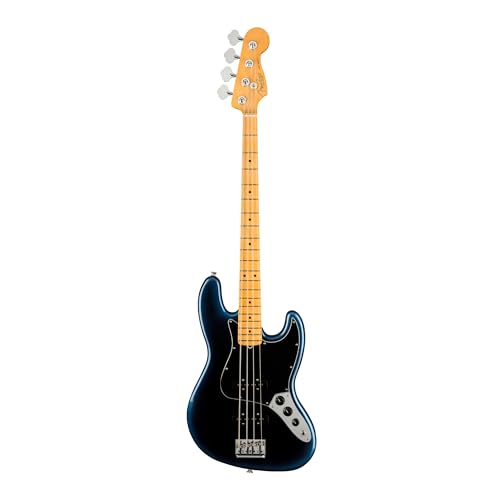

| Spec | Fender American Professional II Jazz Bass | Ibanez SRF700 |
|---|---|---|
| Body | Alder | Mahogany |
| Neck and fingerboard | Maple neck, maple fingerboard | Maple/Bubinga neck with fretless Panga Panga fingerboard |
| Scale length | Not published in listing | Not published in listing |
| Strings | 4-string | 4 string, gauge not published in listing |
| Pickups | 2 single coil pickups | Piezo pickup system and 2 humbucking pickups |
| Controls | Not published in listing | Not published in listing |
| Bridge | Not published in listing | Not published in listing |
| Tuners | Not published in listing | Not published in listing |
| Finish | Dark Night | Brown Burst Flat |
| Included accessories | Not published in listing | Not published in listing |
Body, Neck and Playability
The Fender has an alder body, a maple neck, and a maple fingerboard. This combination on paper suggests a bright, articulate response with snap, and the fretted design offers familiar intonation for most players. The scale length is not published in the listing, so the exact feel cannot be confirmed from specifications alone.
The Ibanez has a mahogany body with a maple and Bubinga neck and a fretless Panga Panga fingerboard. Mahogany tends to warm the low mids, while the fretless surface supports smooth slides and a singing quality. However, the fretless design requires precise left hand placement and may challenge players new to fretless instruments. Scale length is also not published.
On paper, the Fender is a traditional fretted jazz bass with a fast feel described by its materials, while the Ibanez is a purpose built fretless instrument. Playability will depend heavily on the player's comfort with frets versus fretless, and both listings omit scale length, which is a key factor for string tension and reach.
Pickups and Tone
The Fender has two single coil pickups, offering classic Jazz Bass blending with a bright, clear voice. Single coil pickups can capture nuance and articulation but may introduce hum in high interference environments, as noted in the cons. The listing does not publish control details, so the exact blend options are unknown.
The Ibanez pairs a piezo pickup system with two humbucking pickups. The humbuckers provide full and punchy magnetic tone, while the piezo adds an acoustic like texture to the electric voice. This combination offers a wide palette from deep round notes to articulate slides, though the listing omits control layout so the blending behavior is not specified.
The Fender stays in classic passive single coil territory, ideal for traditional jazz bass tones. The Ibanez expands with humbucking and piezo options, better suited for players seeking acoustic like detail and a fuller low end. Tone preferences will decide, but both lack published control details, making direct comparison incomplete.
Hardware and Electronics
Both listings omit the bridge, tuners, and control specifications entirely. The Fender listing does not publish its hardware details, which prevents a direct assessment of tuning stability or bridge adjustments. The Ibanez listing similarly omits these parts, leaving the hardware quality unknown from the provided data.
The Fender is presumably a passive instrument based on the single coil pickups, but the listing does not confirm active or passive electronics. The Ibanez includes a piezo system, which typically requires a preamp or active blending, but again the listing does not specify the control layout or whether the humbuckers are active or passive.
Because crucial hardware and electronic details are not published for either bass, comparison in this area is limited to what is known: the Fender has two single coil pickups, the Ibanez has two humbuckers and a piezo. Buyers should request full specifications before making a hardware based decision.
Build Quality and Finish
The Fender uses an alder body, a classic tonewood known for balance and sustain, with a maple neck and maple fingerboard. The Dark Night finish gives a distinctive modern appearance. The listing describes an upper mid range Fender build, implying a certain standard, but specific construction details are not provided.
The Ibanez uses a mahogany body, known for warm lows and midrange richness, with a maple and Bubinga neck for stability. The Panga Panga fingerboard is a hard wood suited for fretless use, resisting wear from roundwound strings. The Brown Burst Flat finish adds a subdued, professional look.
Both finishes are unique, but neither listing details the finishing process or quality control beyond materials. The Fender's alder versus the Ibanez's mahogany will influence resonance and weight, though no weight specs are published. On paper, both offer solid material choices for an upper mid range instrument.
Setup Out of the Box
Neither listing includes setup information, such as action measurements, string gauge, or factory adjustments. The Fender listing does not state whether it ships with a standard setup, and the Ibanez listing also omits setup details. Consequently, out of box playability cannot be evaluated from the provided facts.
For a fretted Fender, a typical setup might involve truss rod and bridge adjustments, but the listing does not confirm this. For the Ibanez fretless, setup is even more critical because string height directly affects mwah and buzz, and the listing does not mention any included setup or accessories. Buyers should plan for a professional setup, especially for the fretless model.
The absence of setup information is a shared limitation, but it affects the Ibanez more acutely given the fretless design. Without published setup standards, both basses may require immediate adjustment upon arrival, and no included accessories are listed to offset that cost or effort.
Daily Use and Practice
For daily practice, the Fender offers a familiar fretted layout with a four string configuration, making it easy to integrate into most playing routines. The maple neck and fingerboard are often associated with a slick feel, though this is based on material properties, not in-person evaluation. The single coil pickups may pick up hum in certain rooms, which could be a minor annoyance during quiet practice.
The Ibanez fretless demands more attention during daily use because precise intonation is essential for correct pitch. Players new to fretless will need focused practice to develop muscle memory for finger placement. The piezo and magnetic blend may require careful gain staging at the amp, as noted in the cons, adding a step to the practice setup.
Both are four string instruments, so the string count does not add complexity. The Fender suits routine practice with minimal adjustment, while the Ibanez rewards dedicated practice but has a steeper learning curve. The missing scale length and control details do not affect daily playability directly but limit informed preparation.
Versatility and Styles
The Fender American Professional II Jazz Bass is built on a classic platform that suits a wide range of styles, especially those that rely on the iconic Jazz Bass single coil tone: funk, R&B, rock, and pop. The two single coil pickups allow blending for different timbres, though the lack of active electronics may limit high output or extreme tone shaping. The Dark Night finish does not affect versatility but adds a modern look.
The Ibanez SRF700 is explicitly aimed at jazz, fusion, and session work, where fretless slides and acoustic like piezo texture are valued. The dual humbuckers provide a thicker, punchier voice for more aggressive or sustained lines, while the piezo opens up more organic sounds. It is not recommended for slap or metal, as per the avoid_if note, since fretless and piezo characteristics do not suit those styles as well as a fretted bass with magnetic pickups only.
For maximum versatility across traditional electric bass roles, the Fender is the safer choice. For specialized tonal range that includes acoustic like and fretless expression, the Ibanez is more versatile in its niche. The Fender covers more mainstream ground, while the Ibanez excels in a more focused set of genres.
The Deciding Question
The core decision comes down to whether you need a fretted bass with a classic single coil Jazz Bass voice or a fretless bass with piezo and humbucker flexibility. The Fender delivers the familiar fretted experience with a dark modern finish, while the Ibanez offers the expressive possibilities of a fretless fingerboard and a dual pickup system.
Another question is tonal priority. If you want the bright, articulate, and sometimes humprone character of passive single coils, the Fender is the direct route. If you want a fuller low end from humbuckers plus the acoustic like shimmer of a piezo, the Ibanez is built for that. Both omit critical specifications, so the final choice may also depend on your tolerance for unknown hardware and setup details.
In short, ask yourself if the fretless voice is essential to your playing. If not, the Fender is the more conventional and broadly applicable instrument. If yes, the Ibanez SRF700 is a focused tool that brings piezo and magnetic tones together, with the caveat that setup and intonation require more effort.
Who Should Buy Which
Choose the Fender American Professional II Jazz Bass if you are a player who wants a premium four string fretted Jazz Bass with a classic single coil sound and a distinctive dark finish. It suits those who value traditional Fender tone and feel, as indicated by the alder body and maple neck, and who do not need active electronics or a five string. Avoid it if you need full hardware details before purchase, as the listing omits several specs.
Choose the Ibanez SRF700 if you are an experienced bassist seeking an upper mid range fretless with piezo and humbucker flexibility for jazz, fusion, or session work. It is ideal for players who want smooth slides, acoustic like texture, and a warm mahogany body. Avoid it if you are a beginner, need a fretted bass for slap or metal, or require fully published hardware and control details, because the listing is incomplete.
Both instruments sit in the upper mid range and offer four strings, but they serve different musical goals. The Fender is a safe, classic choice for a working bassist, while the Ibanez is a specialized tool for expressive, fretless tones. Your playing style and willingness to deal with missing specs should guide the final decision.
Fender American Professional II Jazz Bass
Pros
- Alder body with a proven voice for clarity and sustain
- Maple neck and fingerboard add snap and a fast feel on paper
- Two single coil pickups offer classic Jazz Bass blending
- Dark Night finish gives the instrument a distinctive look
- Upper mid range Fender build with a familiar four string layout
Cons
- Listing omits scale length, bridge, tuners, controls and included accessories
- No included accessories are specified
- Single coil pickups may produce hum in high interference settings
- Upper mid range price may not suit budget conscious buyers
Ibanez SRF700
Pros
- Mahogany body and maple with bubinga neck provide a stable foundation
- Fretless panga panga fingerboard supports smooth slides and a hard surface
- Piezo pickup system adds acoustic like texture to the electric voice
- Two humbucking pickups cover full and punchy magnetic tones
- Upper mid range price sits below boutique fretless basses
Cons
- Listing omits scale length, control layout, bridge and tuner details
- Fretless design requires precise intonation and may slow beginners
- No included accessories or setup information is published
- Piezo and magnetic blend may need careful gain staging at the amp
Who Should Buy Each
Fender American Professional II Jazz Bass
- Gigging bassists who want a reliable upper mid range Fender
- Recording players seeking a clear and articulate single coil tone
- Jazz Bass fans who want the classic alder and maple combination
- Intermediate players upgrading from a starter or entry level bass
Ibanez SRF700
- Intermediate to advanced bass players seeking a dedicated fretless instrument
- Jazz, fusion and R&B players who want mwah and upright like texture
- Players who already own a fretted bass and want to expand their tonal range
- Buyers who value piezo plus magnetic pickups over a simple single pickup design
Quick Decision Guide
| If you need a traditional fretted Jazz Bass with single coil pickups | Choose Fender American Professional II Jazz Bass |
| If you want a fretless bass with piezo and humbucking pickups for jazz and fusion | Choose Ibanez SRF700 |
| If you are a beginner or need a bass for slap and metal | Choose Fender American Professional II Jazz Bass |
| If you prefer a dark modern finish and classic alder and maple tonewoods | Choose Fender American Professional II Jazz Bass |
| If you need acoustic like texture and fretless expressiveness without concern for a learning curve | Choose Ibanez SRF700 |
FAQ
About This Comparison
Mandrillis Team
The Mandrillis editorial team researches and compares audio and music gear using manufacturer documentation, verified specs and real buyer feedback, so you can make a confident purchase without wading through marketing claims.
Read our full research methodology.
We may earn a commission at no extra cost to you.