Gretsch Streamliner Jet Club Bass vs IYV IBHLFF5-400 Headless Bass
Quick Verdict
The Gretsch Streamliner Jet Club Bass is the safer choice for players who want a known short scale, soft C neck, and a simple passive single-coil layout with individual pickup volumes and master tone. It is more predictable for vintage rock, blues, and everyday practice. The IYV IBHLFF5-400 Headless Bass is only for buyers who specifically want an affordable headless multi-scale instrument and are comfortable with nearly no published specifications. Most players should choose the Gretsch. The IYV is a calculated risk for experimenters who can handle setup and possible hardware upgrades.

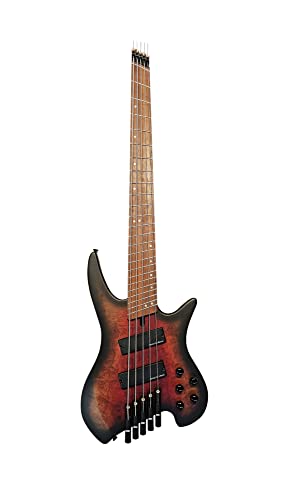
| Spec | Gretsch Streamliner Jet Club Bass | IYV IBHLFF5-400 Headless Bass |
|---|---|---|
| Body | Single-cut body shape; body wood not published in listing | Not published in listing |
| Neck and fingerboard | Soft C neck shape; aged white neck binding; fingerboard material and neck wood not published in listing | Not published in listing |
| Scale length | 30 inches | Not published in listing |
| Strings | Not published in listing | Not published in listing |
| Pickups | Two Streamliner single-coil bass pickups | Not published in listing |
| Controls | Individual volume for neck pickup, individual volume for bridge pickup, master tone | Not published in listing |
| Bridge | Not published in listing | Not published in listing |
| Tuners | Not published in listing | Not published in listing |
| Finish | Havana Burst | Not published in listing |
| Included accessories | Not published in listing | Not published in listing |
Body, Neck and Playability
The Gretsch listing specifies a single-cut body shape, a 30 inch scale length, and a soft C neck profile with aged white neck binding. The listing does not state the body wood, neck wood, or fingerboard material, so the overall weight and stiffness cannot be assessed from the published data. The short 30 inch scale is a known quantity for playability, reducing reach for smaller hands and making stretches less demanding. The soft C shape is a familiar, moderately rounded profile that tends to suit many players without extreme thickness.
The IYV IBHLFF5-400 listing does not publish the body shape, body wood, neck wood, fingerboard material, neck profile, or scale length. The only physical construction detail in the listing is that the bass is made by CNC machine, which suggests repeatable machining but says nothing about the final contours or comfort. Because no scale length is listed, it is impossible to compare reach or string tension directly with the Gretsch. The headless design implies a shorter overall length than a traditional bass, but the exact scale length or multi-scale fan range is not stated.
On playability, the Gretsch has the advantage of published numbers that describe a known short scale and neck shape. The IYV may be equally playable or even more compact due to the headless body, but the absence of any neck or scale data means the buyer is accepting an unknown feel. A player who needs a predictable playing experience should favor the Gretsch, while the IYV requires extra research or a willingness to adapt to whatever the instrument provides.
Pickups and Tone
The Gretsch is equipped with two Streamliner single-coil bass pickups, one at the neck and one at the bridge. The control set includes an individual volume for each pickup and a master tone control, which allows blending the two pickups and rolling off high frequencies from a single knob. This passive setup is straightforward and offers a useful range of blends, but the listing does not state the output level, magnet type, or shielding. Single-coil pickups can be bright and clear, yet they may also pick up hum in electrically noisy rooms because no shielding is specified.
The IYV listing does not state the pickup type, configuration, brand, magnet type, or control layout. There is no information about a preamp, passive tone controls, or pickup switching, so the tonal foundation cannot be evaluated from the published data. The multi-scale design might affect string tension and harmonic response, but without pickup or electronic details, that remains a theoretical consideration. Any claim about the IYV's tone would be speculation rather than an editorial comparison.
For tone, the Gretsch offers a known and simple passive single-coil configuration. The individual volume controls are practical for creating a rounder neck pickup sound or a more cutting bridge sound. The lack of pickup and control information on the IYV means that tone cannot be compared directly. Buyers who value predictable vintage character should lean toward the Gretsch, while the IYV is a blank slate that could sound like anything from bright to dark.
Hardware and Electronics
For the Gretsch, the listing does not publish the bridge type, bridge material, tuner type, or tuner brand. The only electronic details are the passive volume and tone controls, with no information about the potentiometer values, capacitor type, or output jack. This means the durability and adjustment range of the hardware cannot be assessed from the published specifications. The vintage inspired knurled radio control knobs are mentioned as a cosmetic element, but their functional quality is not described.
The IYV listing is even less specific, with no published bridge, tuner, nut material, control type, or electronic details. The only manufacturing note is that the bass is made by CNC machine, which applies to the wood cutting process rather than the hardware or electronics. Headless basses rely on specialized bridge and tuner systems, and the listing does not say what system is used or how it operates. This is a significant gap for an instrument whose tuning hardware is integral to the headless design.
Neither bass provides detailed hardware specifications, so this category is difficult to score with confidence. The Gretsch at least names its control layout, which gives some idea of the electronic signal path. The IYV offers no hardware information at all beyond the CNC production note. Both buyers should expect that the stock hardware may be basic at this price tier, and the IYV in particular may require inspection before purchase because headless bridge systems need precise alignment.
Build Quality and Finish
The Gretsch listing states a Havana Burst finish and includes aged white neck binding, which gives the instrument a finished, vintage look. However, the body wood, neck wood, and fingerboard material are not published, so the structural build cannot be assessed from the listed facts. The single-cut body shape may add some weight and mass, but no weight is specified. The presence of neck binding suggests some extra finishing steps, but it does not guarantee overall build quality.
The IYV listing does not state any finish color, body wood, neck wood, or fingerboard material. The only production detail is CNC machining, which may improve the consistency of the body and neck cuts compared to fully hand-carved construction. However, a CNC machine does not guarantee quality fretwork, neck fit, or final finish, and the listing gives no information about those steps. The headless design may reduce the overall size, but no dimensions are provided.
Between the two, the Gretsch at least offers a specific finish color and a visible cosmetic detail in the aged white binding. The IYV cannot be evaluated for finish at all from the listing. Buyers who want a known appearance should choose the Gretsch, while those considering the IYV should ask the seller for finish photos and body wood details before buying. Both instruments sit in a lower mid-range category where finish consistency can vary.
Setup Out of the Box
Neither listing describes the factory setup, string gauge, action, or neck relief. The Gretsch's published 30 inch scale length at least gives a reference for how the bass should be set up for typical short scale tension, but the actual setup condition is not stated. The soft C neck profile also suggests a neck that many players find familiar, but that does not confirm fret level or nut slot depth from the factory. Buyers should not assume either instrument arrives ready to play without a professional setup.
The IYV does not list scale length, string gauge, or any setup specification, so the out of the box condition is entirely unknown. A headless multi-scale bass often requires careful string installation and intonation because of the angled frets and specialized bridge system. Without knowing the bridge type or whether the seller includes instructions, a buyer may face a more complex initial setup than with a traditional bass. The CNC production note suggests consistent cutting but says nothing about final fret dressing or action.
For out of the box readiness, both basses are risky. The Gretsch has a simpler, conventional design that a local tech can set up easily, especially given the short scale. The IYV may need a more specialized setup due to the headless and multi-scale features, and the listing provides no guidance. Players who want the least setup friction should lean toward the Gretsch, while the IYV is better for those comfortable with headless hardware and willing to invest time or money in setup.
Daily Use and Practice
For daily practice, the Gretsch's 30 inch scale is a major convenience. Short scale basses are often easier for longer sessions and for players with smaller hands, and the soft C neck shape is likely to feel comfortable, though individual preference still applies. The listing does not state the instrument's weight, so it is unknown whether the single-cut body will cause shoulder fatigue over an hour of standing practice. The vintage style and simple controls may also make it an appealing bass to pick up and play without option paralysis.
The IYV's headless design suggests a more compact body and potentially better balance, because the absence of a headstock removes weight from the far end of the neck. However, the listing does not publish the overall length, weight, or balance point, so those benefits are not confirmed. The multi-scale fingerboard could be comfortable or uncomfortable depending on the fan and the player's hand position, and that information is missing. Daily use may also require learning the specific tuner operation, which the listing does not describe.
For a practice instrument, the Gretsch offers fewer unknowns. The short scale is a published fact that directly supports daily playability, while the IYV requires assumptions about weight and scale. If a player wants a bass that is easy to pick up and start playing, the Gretsch is the safer recommendation. The IYV may work for travel or cramped spaces, but without dimensions or weight, that advantage cannot be confirmed from the listing.
Versatility and Styles
The Gretsch's two single-coil pickups and independent volume controls offer a decent range of passive tones, from a rounder neck position sound to a more cutting bridge sound. The master tone can darken the pickups, which may suit vintage rock, blues, classic pop, and some indie styles. However, the single-coil design may be less ideal for aggressive modern metal or high gain situations where hum and noise become more noticeable. The 30 inch scale also gives a thicker, rounder fundamental that many old school players prefer.
The IYV's multi-scale design is often associated with modern extended range playing, and a headless body has become popular in progressive and metal genres for its compact ergonomics. However, the listing does not publish the string count, pickups, or electronics, so the actual style range cannot be determined. If the IYV is a five string as its model name IBHLFF5 suggests, it may handle lower tunings better, but that detail is not confirmed in the listing. Without pickup information, even basic genre assumptions are risky.
Both basses could be versatile, but only the Gretsch's tonal foundation is described. The Gretsch leans toward classic, roots, and moderate rock tones, while the IYV might lean modern or could be a blank platform depending on its unknown pickups. Players who need a known vintage character should choose the Gretsch. The IYV is potentially more interesting for modern headless fans, but the missing electronics make it impossible to match to specific styles with confidence.
The Deciding Question
The deciding question is whether published specifications and a known playing feel matter more than an unusual design and a lower entry price. The Gretsch gives the buyer a clear short scale, a soft C neck, and a known pickup control layout, which makes the purchase less of a gamble. The IYV offers a headless multi-scale platform that is rare at this price tier, but nearly every important spec is absent from the listing. A player who needs confidence in the instrument should favor the Gretsch.
Another way to frame the decision is around risk tolerance. The Gretsch carries some unknown hardware and wood details, but its core design is conventional and easy to service. The IYV carries much larger unknowns, including pickups, electronics, bridge, and scale length, which are fundamental to how the bass sounds and plays. If the buyer cannot inspect the IYV in person or find additional information, the safer choice is clear. The IYV should only win when the headless multi-scale feature is the absolute priority and the buyer accepts the work required to evaluate and possibly upgrade the instrument.
Ultimately, the choice comes down to known vintage comfort versus speculative modern design. The Gretsch is a conservative recommendation for working players who want a short scale bass with a recognizable Gretsch voice. The IYV is for experimenters and modifiers who value the headless multi-scale layout enough to accept incomplete specifications. The decision is not about which bass is objectively better, but about which set of trade-offs matches the buyer's situation.
Who Should Buy Which
Buy the Gretsch Streamliner Jet Club Bass if you want a short scale single-cut bass with a soft C neck, aged white binding, and a straightforward two-pickup passive layout. It fits players who prioritize comfortable reach, vintage Gretsch style, and simple volume blending without a preamp. This is a good option for classic rock, blues, roots, and rehearsal players who need a dependable instrument without too many control layers. Avoid it if you need detailed wood and hardware specs, a case, or active electronics.
Buy the IYV IBHLFF5-400 Headless Bass if you specifically want an affordable headless multi-scale instrument and are willing to do your own research on the missing specs. It suits experimenters, modifiers, and players who already know how to set up headless hardware or can pay a tech to do it. This is not a good first bass for someone who needs a ready to play instrument with published pickup and control information. Avoid it if you need confidence in tone, neck feel, or hardware before you buy.
For players who cannot decide, the Gretsch is the default recommendation because it provides more published facts about playability and tone. The IYV is only a better fit when the headless multi-scale layout is a requirement and missing specification data is acceptable. Both are lower mid-range instruments, so expectations should be adjusted for potential hardware upgrades or setup work. Choose based on whether you value a known short scale vintage voice or a speculative modern design.
Gretsch Streamliner Jet Club Bass
Pros
- 30 inch scale and soft C neck shape support comfortable playability
- Two Streamliner single-coil pickups with individual volume controls allow a useful blend
- Master tone control offers simple high frequency shaping
- Vintage inspired knurled radio control knobs and aged white neck binding add Gretsch character
- Havana Burst finish provides a stage friendly look
Cons
- Listing does not state body wood, fingerboard material, bridge, tuners, or weight
- Hardware and construction quality cannot be verified from the published data
- No included case, gig bag, or accessories are listed
- Single-coil pickups may be prone to hum in some environments and no shielding is specified
IYV IBHLFF5-400 Headless Bass
Pros
- Lower mid-range price for a headless multi-scale design
- CNC production may improve machining consistency
- Headless body can be compact and reduce neck dive on paper
- Multi-scale layout may improve string tension balance
- Uncommon feature set at this price tier
Cons
- Very little published specification
- Pickup, electronics, and hardware details unavailable
- No finish or body wood information
- Setup quality out of the box unknown
- Limited brand recognition and support information
Who Should Buy Each
Gretsch Streamliner Jet Club Bass
- Beginners or smaller players who want a comfortable short scale
- Guitarists doubling on bass who prefer a familiar shorter reach
- Fans of passive single-coil bass tones and Gretsch aesthetics
- Lower mid-range buyers who value classic looks and simple controls
IYV IBHLFF5-400 Headless Bass
- Budget minded players curious about headless multi-scale design
- Tinkerers comfortable with setup and possible hardware upgrades
- Buyers who can inspect the instrument in person or rely on a generous return policy
- Musicians who prioritize compact headless staging over established brand support
Quick Decision Guide
| If you want a known short scale and a soft C neck profile | Choose Gretsch Streamliner Jet Club Bass |
| If you specifically want an affordable headless multi-scale bass | Choose IYV IBHLFF5-400 Headless Bass |
| If you need published pickup, control, and neck specifications before buying | Choose Gretsch Streamliner Jet Club Bass |
| If you are comfortable missing specs and can handle setup or upgrades | Choose IYV IBHLFF5-400 Headless Bass |
| If you want a bass that is easier to set up and service with conventional hardware | Choose Gretsch Streamliner Jet Club Bass |
FAQ
About This Comparison
Mandrillis Team
The Mandrillis editorial team researches and compares audio and music gear using manufacturer documentation, verified specs and real buyer feedback, so you can make a confident purchase without wading through marketing claims.
Read our full research methodology.
We may earn a commission at no extra cost to you.