Peavey Max 208 vs Fender Mustang LTX100
Quick Verdict
The Peavey Max 208 is the better choice for bassists who want a straightforward 200 watt amp with confirmed headphone output, aux input, and built in tuner for silent practice. The Fender Mustang LTX100 is the better choice for guitarists who want a modeling amp with 50 amp and effect models, 100 preset slots, and a known 12 inch Celestion speaker for band practice or small stages. Both listings omit key specs such as weight and dimensions, and the Fender does not confirm headphone or Bluetooth support. Choose the Peavey if silent bass practice matters most. Choose the Fender if guitar modeling variety and a full size speaker matter most.
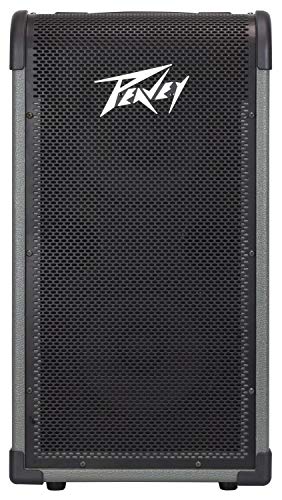

| Spec | Peavey Max 208 | Fender Mustang LTX100 |
|---|---|---|
| Power output | 200 watts | 100-watt combo amplifier |
| Speaker | Not published in listing | 12” Celestion G12FSD-100 speaker |
| Amp models or channels | Not published in listing | 50 Amp and Effect Models |
| Effects | Overdrive, contour, mid-shift, bright, Kosmos-C switches | Included in the 50 amp and effect models, specific types not published in listing |
| Inputs and outputs | 1/8 inch aux input, 1/8 inch headphones output; other connections not published | Not published in listing |
| Headphone and line out | 1/8 inch headphone output; line out not published | Not published in listing |
| Bluetooth and app | Not published in listing | Not published in listing |
| Weight | Not published in listing | Not published in listing |
| Dimensions | Not published in listing | Not published in listing |
| Included accessories | Not published in listing | Not published in listing |
Amp Models and Tone
The Peavey Max 208 is a bass amplifier and the listing does not publish any specific amp models or channels. It includes a TransTube gain boost that is described as offering a tubelike response from a solid state design. The three band EQ with contour, mid shift, bright, and Kosmos C switches provides tone shaping. However, the listing does not provide a list of amp models because it appears to be a single channel analog design focused on bass.
The Fender Mustang LTX100 is a guitar amplifier with 50 amp and effect models published. The listing states 50 amp and effect models but does not list the exact models. This suggests a modeling amplifier with multiple voicings. The tone section likely covers a wide range from clean to high gain, though specific models are not confirmed in the listing.
In comparison, the Fender offers a greater variety of tone through its 50 models, while the Peavey offers a more focused bass tone with analog controls and a gain boost. Players who want many amp sounds should look at the Fender, while bassists who need a solid bass tone with simple EQ should consider the Peavey.
Effects and Features
The Peavey Max 208 lists effects as overdrive, contour, mid shift, bright, and Kosmos C switches. These are primarily EQ and tone shaping switches, not time based effects. The amplifier does not include modulation, delay, or reverb according to the listing. It does include a built in chromatic tuner with mute for silent tuning.
The Fender Mustang LTX100 includes effects as part of the 50 amp and effect models. The listing does not specify the exact types of effects, but since it says amp and effect models, it likely includes distortion, delay, reverb, and modulation within those models. The Fender also includes an integrated display with chromatic tuner and 100 preset slots for storing tones.
The Fender appears to provide a wider range of effects integrated into its models, while the Peavey focuses on a few analog style switches and a tuner. For players who need built in delay, reverb, or modulation, the Fender is more likely to meet that need, though the exact effects are not listed.
Power, Speaker and Volume
The Peavey Max 208 has a published power output of 200 watts. The speaker size and configuration are not published in the listing. This is notable because speaker details affect volume and tone. The listing mentions a unique cabinet design that aims to improve high frequency dispersion in tight spaces, but without speaker specs that claim is hard to evaluate.
The Fender Mustang LTX100 has a power output of 100 watts and a published 12 inch Celestion G12FSD 100 speaker. The 12 inch speaker is a standard size for guitar amplifiers and should provide full low end. The power rating is lower than the Peavey, but the speaker is detailed.
In terms of power, the Peavey has double the wattage, but wattage does not directly equal loudness. The Fender's larger speaker may produce more volume than its wattage suggests. For bass, the Peavey's 200 watts is likely adequate for practice and small rehearsal spaces, but without a speaker spec, the actual volume is uncertain. The Fender's 100 watts with a 12 inch Celestion should be suitable for band practice and small stages.
Build and Portability
The Peavey Max 208 does not list weight or dimensions. The unique cabinet design suggests something about the enclosure but without physical specs we cannot assess portability. The build quality is not described in the listing. The amplifier is likely a combo design but that is inferred from the description.
The Fender Mustang LTX100 also does not list weight or dimensions. It is a combo amplifier with a 12 inch speaker, which typically weighs more than a smaller speaker combo. Without published weight, players cannot know if it is easy to carry. The listing does not include any carry handles or casters.
Both amplifiers lack portability information, which makes direct comparison difficult. The Peavey may be lighter if it has a smaller speaker, but that is unknown. The Fender's 12 inch speaker suggests a larger cabinet. Buyers who need to transport the amplifier should seek additional information beyond this listing.
Connectivity and Apps
The Peavey Max 208 includes a 1/8 inch aux input and a 1/8 inch headphone output. The listing does not publish other connections, such as a line out or DI output, and specifies no Bluetooth or app support. This limits connectivity for recording or connecting to external devices.
The Fender Mustang LTX100 does not publish any connectivity specifications in the listing. That includes inputs, outputs, headphone output, line out, Bluetooth, and app support. The absence of this information is a significant drawback because many players rely on headphone practice or USB recording.
The Peavey has confirmed headphone and aux, which are useful for quiet practice and backing tracks. The Fender leaves those options unknown. If a buyer needs headphone output, the Peavey is safer based on the listing. For Bluetooth or app control, neither listing confirms those features.
Setup and Daily Use
The Peavey Max 208 appears simple to set up because it has analog controls and a tuner. The three band EQ with switches allows quick adjustments. The built in chromatic tuner with mute means you can tune silently without unplugging. The aux input and headphone output make it convenient for practice with tracks.
The Fender Mustang LTX100 includes an integrated display and 100 preset slots, which may simplify recalling favorite tones. However, the amp and effect models might require some menu navigation. The built in chromatic tuner shown on the display is a daily use feature. Without a footswitch specified, changing presets may be manual.
The Peavey offers straightforward analog operation, while the Fender offers more preset flexibility but potentially more complexity. Players who prefer knob per function will like the Peavey, and those who like saving tones will like the Fender.
Home Practice Versus Stage
The Peavey Max 208 is suited for home practice due to its headphone output and aux input. The 200 watts may be overkill for bedroom levels but can work for rehearsal. The lack of a line out or DI limits direct connection to a PA for stage use. The listing does not mention a tilt back or stage monitor feature.
The Fender Mustang LTX100 is described as suitable for small stages with 100 watts and a 12 inch speaker. It lacks confirmed headphone output, which may limit silent practice at home. However, the 50 models and 100 presets make it flexible for different performance needs. The lack of published connectivity like line out also affects stage use.
For home practice, the Peavey has clear advantages with its headphone and aux. For small stage use, the Fender may have an edge due to its speaker and power, but the lack of connectivity details is a concern. Both are lower mid range amps, so neither is a large venue solution.
The Deciding Question
The deciding question is whether you need a bass amplifier with confirmed silent practice tools or a guitar modeling amplifier with a known speaker. The Peavey Max 208 is a bass amp with 200 watts, headphone out, aux in, and analog tone shaping, but its speaker is unknown. The Fender Mustang LTX100 is a guitar modeling amp with 50 models, a 12 inch Celestion, and 100 presets, but its connectivity is unknown.
If you are a bassist who wants a simple powerful amp for practice and you value a headphone output, the Peavey is the stronger choice. If you are a guitarist who wants many amp models and a known speaker for small gigs, the Fender is the better fit. However, both have missing specifications that could be deal breakers.
Consider what you must have. The Peavey gives you silent practice out of the box. The Fender gives you a full size speaker and preset variety. Your choice depends on instrument and priorities.
Who Should Buy Which
Buy the Peavey Max 208 if you are a bassist who needs 200 watts of solid state power, a built in tuner, and a headphone output for quiet practice. The listing does not provide a speaker specification, so buy it only if you trust Peavey's bass cabinet design or can inspect it in person. The amp is best for practice and small rehearsal spaces where a direct out is not required.
Buy the Fender Mustang LTX100 if you are a guitarist who wants a lower mid-range modeling amplifier with 50 amp and effect models and a 12 inch Celestion speaker. The 100 preset slots are useful for storing tones. However, you must be comfortable that the listing does not confirm headphone output, Bluetooth, or USB connectivity.
Both amps score similarly, but the Peavey is for bass players and the Fender is for guitar players. If you see no need for modeling and just want a straightforward bass amp with silent practice, the Peavey is the answer. If you want modeling variety and a full size speaker for guitar, the Fender is the answer.
Peavey Max 208
Pros
- 200 watts of solid power for a lower mid-range bass combo
- TransTube gain boost offers tubelike response from a solid-state design
- Three-band EQ with contour, mid-shift, bright, and Kosmos-C switches
- Built-in chromatic tuner with mute for silent tuning
- Aux input and headphone output support private practice and play-along tracks
- Unique cabinet design aims to improve high-frequency dispersion in tight spaces
Cons
- Speaker size and configuration are not published in the listing
- No Bluetooth or app support
- No line out or DI output specified
- Weight and dimensions are not published
- No built-in modulation, delay, or reverb effects
Fender Mustang LTX100
Pros
- 100-watt power rating suits band practice and small stages
- 12-inch Celestion G12FSD-100 speaker for full low end
- 50 amp and effect models provide variety
- 100 preset slots for storing favorite tones
- Integrated display with chromatic tuner
Cons
- Connectivity specs like headphone out and Bluetooth not published
- Weight and dimensions not published
- Exact amp and effect model list not provided
- Footswitch compatibility not specified
Who Should Buy Each
Peavey Max 208
- Practice players who want more headroom than a micro amp
- Bassists who need headphone practice with aux input
- Players who prefer Peavey TransTube tone and simple analog controls
- Anyone looking for a compact rehearsal combo without app dependence
Fender Mustang LTX100
- Players looking for a high-power modeling amp at a lower mid-range price
- Guitarists who want a 12-inch Celestion speaker instead of a small desktop speaker
- Those who use many presets and want a built-in tuner
- Buyers who need one amp for home practice and small stage use
Quick Decision Guide
| If you play bass and want a simple analog amp with headphone output and aux input | Choose Peavey Max 208 |
| If you play guitar and want modeling with many amp and effect presets | Choose Fender Mustang LTX100 |
| If you need a known 12 inch speaker for full low end | Choose Fender Mustang LTX100 |
| If you need time based effects like delay and reverb | Choose Fender Mustang LTX100 |
| If you need a built in headphone output confirmed in the listing | Choose Peavey Max 208 |
FAQ
About This Comparison
Mandrillis Team
The Mandrillis editorial team researches and compares audio and music gear using manufacturer documentation, verified specs and real buyer feedback, so you can make a confident purchase without wading through marketing claims.
Read our full research methodology.
We may earn a commission at no extra cost to you.