Shure SM7B vs Electro-Voice RE20
Quick Verdict
The Shure SM7B and Electro-Voice RE20 are both industry standard dynamic microphones for broadcasting and podcasting, with the SM7B scoring 87 and this RE20 bundle scoring 85. The SM7B is the more universally recommended pick when you already have a strong preamp, and its listing includes a 20 ft XLR cable, a windscreen, and a cover plate. The RE20 bundle solves the gain problem directly by including a mic activator and an XLR cable, so it is ready to use without shopping for an outboard booster. Choose the SM7B for broadcast reputation and accessories, and choose the RE20 bundle for an out of the box solution to dynamic microphone gain.
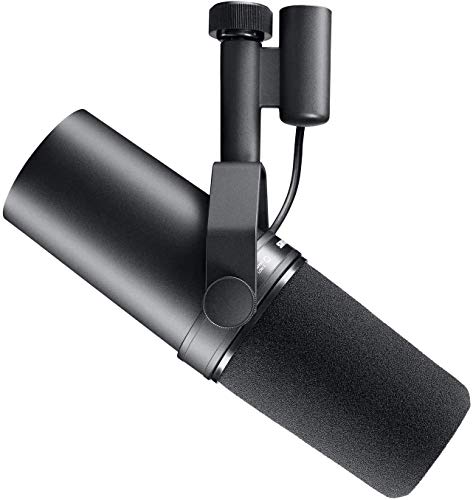

| Spec | Shure SM7B | Electro-Voice RE20 |
|---|---|---|
| Type | Dynamic (XLR) | Large-diaphragm dynamic broadcast announcer microphone, bundled with a mic activator and an XLR cable |
| Connectivity | XLR, needs a strong preamp | N/A |
| Pattern | Cardioid | N/A |
| Polar pattern | N/A | Cardioid |
| Frequency response | N/A | Not published in listing as a specific numeric range |
| Connection | N/A | XLR, with a cable included in this bundle |
| Phantom power | N/A | Not required for the microphone itself; the included mic activator is an inline preamp booster whose own power requirement is not stated in the listing |
| Max SPL or sensitivity | N/A | Not published in listing as a specific numeric figure |
| Controls | N/A | A mid-bass tone-shaping switch built into the microphone |
| Mount and stand | N/A | An internal element shock mount is built in, along with a heavy-duty internal pop filter |
| Weight | N/A | Not published in listing |
| Included accessories | N/A | A mic activator and an XLR cable are included in this bundle |
Sound Quality
The Shure SM7B scores 27 out of 30 for sound quality, while the Electro-Voice RE20 scores 26 out of 30. Both are large diaphragm dynamic microphones with a cardioid pattern. This RE20 listing bundles the microphone as a broadcast announcer microphone together with a mic activator and an XLR cable.
The SM7B listing describes a smooth, flat, wide range dynamic sound for speech and music, without giving numeric frequency figures. The RE20 listing also does not state a specific numeric frequency response, but it calls out a Variable-D design that minimizes the proximity effect common to close in dynamic microphones.
Both microphones are considered industry standards for broadcast and podcast vocals. The small one point gap between their sound quality scores reflects very similar dynamic microphone character rather than a meaningful difference in tone, so buyers moving between the two are unlikely to notice a dramatic shift in sound.
Pickup Pattern and Noise Handling
Both microphones share a cardioid pickup pattern, rejecting sound from the rear of the capsule. The SM7B scores 13 out of 15 here, and the RE20 also scores 13 out of 15, putting them on equal footing for this category.
The SM7B listing points to air suspension shock isolation, a built in pop filter, and electromagnetic shielding against monitor hum. The RE20 listing describes its own internal element shock mount and a heavy duty internal pop filter, plus the Variable-D geometry that reduces bass buildup when a speaker works close to the capsule.
Neither listing states a numeric self noise figure, but both are built around the same goal. They let a speaker work close to the microphone without boominess or handling noise bleeding into the signal, and the RE20's Variable-D design is the more explicitly engineered solution to proximity effect of the two.
Build Quality
Build quality scores land identically, with the SM7B at 14 out of 15 and the RE20 also at 14 out of 15. Neither listing publishes an exact weight, though both microphones have a reputation for substantial, broadcast grade construction.
The SM7B listing relies on internal shock isolation and shielding as its stated build highlights. The RE20 listing adds a built in internal element shock mount and a heavy duty pop filter as standard parts of its housing, features the SM7B listing does not describe to the same degree. Both approaches aim at the same result, a microphone that stays quiet and stable even when handled or bumped during a long recording session.
Both microphones are widely used in professional broadcast booths, which is itself a strong proxy for long term build reliability. This holds true even where the listings leave out precise dimensions and weight figures for either model. Confirming exact weight before buying a boom arm is still worth doing with either model, since neither listing states it directly.
Connectivity and Setup
Both microphones connect only by XLR, and both listings include a cable, a 20 ft XLR cable with the SM7B and an XLR cable as part of the RE20 bundle. Neither is a USB microphone.
Setup requirements differ in one key way. The SM7B needs no phantom power since it is dynamic, but it does need a strong preamp given its low output. The RE20 bundle includes a mic activator, an inline preamp booster, which directly addresses the higher gain dynamic microphones typically need, though its own power requirement is not stated.
On connectivity and setup, the SM7B scores 12 out of 15 while the RE20 scores 10 out of 15. This gap reflects that the activator's unstated power requirement and the lack of a numeric sensitivity figure leave a few more open questions for the RE20 bundle.
Features, Controls and Extras
The SM7B offers a bass rolloff switch and a presence boost switch with a graphic display of the current setting. The RE20 offers a mid bass tone shaping switch built into the microphone, giving a comparable, though not identical, type of on mic tone control. Neither switch type is described as sweepable, so both offer a small, fixed set of tonal options rather than continuous adjustment.
For extras, the SM7B listing includes an A7WS windscreen, an RPM602 cover plate, a 20 ft XLR cable, and a 2 year warranty. The RE20 bundle includes a mic activator and an XLR cable, a smaller accessory list but one aimed squarely at making the microphone usable immediately. Buyers who want the broadest out of the box kit, including a windscreen, may still prefer the SM7B's accessory list despite the RE20's stronger feature score.
Scoring actually favors the RE20 here, 13 out of 15 against the SM7B's 12 out of 15. This likely reflects how directly the bundled mic activator solves a real gain problem that dynamic microphones commonly face.
Use Cases: Vocals, Streaming, Podcasting and Instruments
For vocals, both microphones target spoken and sung close in performance, and both are considered industry standards for broadcasting, podcasting, and sound engineering according to their listings. The RE20's Variable-D design specifically targets vocalists who move or get close to the capsule. Both remain primarily vocal microphones rather than general purpose studio tools, based on what each listing emphasizes.
For streaming and podcasting, the SM7B needs a strong preamp or an added booster to reach its full potential. The RE20 bundle already includes a mic activator that raises gain out of the box, which may suit creators who do not want to shop for a separate booster.
For instruments, neither listing focuses heavily on instrument use, since both are described primarily as vocal and broadcast microphones. Buyers wanting a dedicated instrument microphone should treat either choice as a vocal first, instrument second option. If a session calls for miking an instrument occasionally, either microphone can be pressed into service, but neither listing positions itself as an instrument specialist.
Who Should Buy It
The Shure SM7B is best for podcasters, streamers, and vocalists with a capable interface who want the broadcast standard microphone. It also suits anyone comfortable sourcing, or already owning, a strong preamp to drive its low output.
The Electro-Voice RE20 is best for broadcasters and podcasters who want this RE20 bundle ready to use right away. Its included mic activator and cable, plus a built in tone shaping switch, cut down on extra shopping before the first recording.
Buyers who already own an RE20 and only need the bundled accessories separately should look at buying the activator and cable on their own. That approach avoids paying for a second full microphone when only the extras are missing.
The Deciding Question
The deciding question is how much setup work you want to do before you start recording. The SM7B listing assumes you already have, or will add, a strong preamp, since no activator is bundled with it. That assumption is reasonable for most podcast setups built around interfaces that already supply clean mic preamp gain.
The RE20 bundle answers that question directly by including a mic activator, so the gain problem common to dynamic microphones is addressed out of the box. If a ready to use bundle matters more than brand reputation alone, the RE20 bundle is the more complete package.
If you specifically want the Shure name and its long broadcast reputation, the SM7B remains the safer, more universally recommended pick. This holds especially true if you do not mind assembling your own preamp solution rather than relying on a bundled activator.
Who Should Buy Which
Buy the Shure SM7B if you want the microphone most associated with modern podcasting and broadcast vocals. It works best when you already have, or plan to add, a preamp with strong clean gain.
Buy the Electro-Voice RE20 if you want an industry standard broadcast microphone bundled with a mic activator and cable. That combination makes it ready to use immediately, and the built in tone shaping switch adds quick on mic adjustment.
The SM7B scores 87 against the RE20's 85, a small gap that mostly reflects connectivity and setup scoring. Either microphone is a defensible choice depending on whether you already own a strong preamp or want the activator included. Confirming your existing preamp or booster before ordering avoids a disappointing first test with either microphone.
Shure SM7B
Pros
- Rejects room noise exceptionally well
- Smooth, broadcast-ready sound
- Built-in pop filter
- Industry standard for podcasting and streaming
Cons
- Needs a lot of clean gain, most interfaces need a boost like a Cloudlifter
- More expensive than entry mics
Electro-Voice RE20
Pros
- An industry standard dynamic cardioid microphone, a firm favorite for broadcasting, podcasting and sound engineering worldwide
- Variable-D design minimizes proximity effect for close-in voice work
- Heavy-duty internal pop filter and internal element shock mount built in
- Mid-bass tone-shaping switch to alter vocal tone on the go
- Bundle includes a mic activator and XLR cable, ready to use out of the box
Cons
- No stated numeric frequency response, sensitivity or maximum SPL figures
- No stated power requirement for the included mic activator
- No stated microphone weight
- As a dynamic microphone, it may still benefit from additional clean gain even with the bundled activator
Who Should Buy Each
Shure SM7B
- You want a broadcast-quality voice for podcasting or streaming
- You record in an untreated room and need strong noise rejection
- You have or plan to add a clean-gain boost like a Cloudlifter
Electro-Voice RE20
- Broadcasters and podcasters who want the industry standard RE20 with no additional accessory shopping
- Buyers who want a mic activator included to help drive this dynamic microphone with sufficient gain
- Voice talent who want a built-in mid-bass tone-shaping switch for on the fly tonal adjustment
- Buyers who value Variable-D design for minimizing proximity effect during close-in voice work
Quick Decision Guide
| If you want a bundle that already includes a gain boosting mic activator and cable | Choose Electro-Voice RE20 |
| If you already have a strong preamp and want the best known broadcast dynamic microphone | Choose Shure SM7B |
| If you often move around while speaking and want built in proximity effect control | Choose Electro-Voice RE20 |
| If you want the larger accessory set, including a windscreen and a cover plate | Choose Shure SM7B |
| If you want a built in tone shaping switch without adding outboard processing | Choose Electro-Voice RE20 |
FAQ
About This Comparison
Mandrillis Team
The Mandrillis editorial team researches and compares audio and music gear using manufacturer documentation, verified specs and real buyer feedback, so you can make a confident purchase without wading through marketing claims.
Read our full research methodology.
We may earn a commission at no extra cost to you.