Squier Classic Vibe 70s Jazz Bass vs ESP LTD B-205SM Fretless
Quick Verdict
Choose the Squier Classic Vibe 70s Jazz Bass if you want a right handed, fretted, Fender designed 70s style bass with alnico pickups, a natural finish, and a vintage tinted maple fingerboard. Its listing omits core specs like body wood and scale length, so you must accept some unknowns. Choose the ESP LTD B-205SM Fretless if you need a five string fretless with a spalted maple top, extra thin neck, and active ABQ 3 EQ. It suits intermediate players comfortable with fretless intonation. Both score within one point, but the ESP is more modern and versatile, while the Squier is classic and straightforward.

| Spec | Squier Classic Vibe 70s Jazz Bass | ESP LTD B-205SM Fretless |
|---|---|---|
| Body | Not published in listing; natural finish listed | Ash body with spalted maple top |
| Neck and fingerboard | Maple fingerboard; vintage-tinted gloss neck finish listed; neck wood not published | 5-piece maple/jatoba neck, extra thin U shape, fretless fingerboard with 24 fret indicators (fingerboard material not published in listing) |
| Scale length | Not published in listing | Not published in listing |
| Strings | Not published in listing | Not published in listing |
| Pickups | Fender-Designed alnico pickups | Passive ESP Designed SB-5 pickups |
| Controls | Not published in listing | Active ABQ-3 EQ (additional control layout not published) |
| Bridge | Not published in listing | Not published in listing |
| Tuners | Not published in listing | Black nickel hardware (tuner specifics not published) |
| Finish | Natural body finish; vintage-tinted gloss neck finish; nickel-plated hardware | Natural Satin |
| Included accessories | Not published in listing | Not published in listing |
Body, Neck and Playability
The Squier Classic Vibe 70s Jazz Bass has a natural body finish and a maple fingerboard. The neck finish is a vintage-tinted gloss, and the listing states that the hardware is nickel plated. The listing does not publish the body wood, neck wood, or scale length. That makes direct playability assessment difficult from the supplied facts.
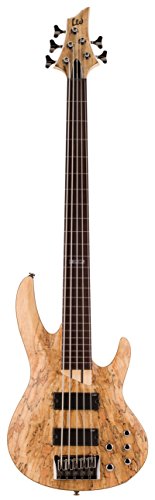
The ESP LTD B-205SM Fretless lists an ash body with a spalted maple top and a natural satin finish. Its neck is a five piece maple and jatoba construction with an extra thin U shape. The fingerboard is fretless with 24 fret indicators, but the listing does not state the fingerboard material. The extra thin U shape suggests a modern fast feel, though the listing does not provide scale length or nut width.
In terms of playability, the Squier is a right hand only instrument with no published specifications for string gauge or scale length. The ESP is a five string fretless design, which requires the player to have stronger intonation skills than a fretted bass. The Squier likely offers a more traditional fretted experience based on its 70s Jazz Bass naming, but the listing does not explicitly confirm string count or neck dimensions.
Pickups and Tone
The Squier Classic Vibe 70s Jazz Bass uses Fender Designed alnico pickups. These pickups are listed as a pro and are said to offer a classic voice. The control layout is not published in the listing, so the range of tone shaping beyond the pickup selection is unknown. The overall tone picture is a classic passive style based on the pickup type, though the listing does not explicitly state that the electronics are passive.
The ESP LTD B-205SM Fretless uses passive ESP Designed SB 5 pickups paired with an active ABQ 3 EQ. The passive pickups provide the initial signal, and the active EQ offers additional tone shaping. The listing does not publish the exact control layout beyond the ABQ 3 EQ, so the number of bands or knob arrangement is not clear. The active EQ requires a battery, but the battery type is not specified.
The two basses take different approaches. The Squier relies on a classic Fender designed alnico voice with no mention of active electronics. The ESP combines passive pickups with an active preamp for more modern flexibility. For players who want a traditional Jazz Bass tone, the Squier is the more straightforward choice on paper. For those who want onboard tone control, the ESP offers more features.
Hardware and Electronics
The Squier listing mentions nickel plated hardware as part of its 1970s theme. It does not specify the bridge type, tuner model, or control layout. Without these details, the hardware quality cannot be compared in full. The only electronic component named is the set of Fender Designed alnico pickups.
The ESP listing specifies black nickel hardware, which gives the instrument a cohesive dark look. The bridge and tuner specifics are not published, so the exact hardware quality remains unknown. The electronics include the active ABQ 3 EQ, which is a published feature. The combination of known active EQ and unknown bridge details means the hardware picture is mixed.
In terms of electronics, the ESP has a clear advantage on paper because it includes an active EQ system with a known model name. The Squier electronics are less documented, with only the pickup type mentioned. Both basses leave the bridge and tuning machine details unpublished, so a buyer cannot compare those components directly. The Squier nickel plating is a visual match to the vintage theme, while the ESP black nickel adds a modern look.
Build Quality and Finish
The Squier Classic Vibe 70s Jazz Bass has a natural body finish and a vintage tinted gloss neck finish. The natural finish and maple fingerboard create a clean visual combination. However, the listing does not publish the body wood or neck wood, which limits any assessment of build materials. The nickel plated hardware is a listed feature that supports the period theme.
The ESP LTD B-205SM Fretless has an ash body with a spalted maple top and a natural satin finish. The five piece maple and jatoba neck is a more complex construction than a one piece neck. The fingerboard material is not published, but the 24 fret indicators are noted. The natural satin finish on the spalted maple top gives the bass a distinct visual character.
When comparing build quality, the ESP provides more published material details than the Squier. The Squier lists a natural finish but omits the underlying woods. The ESP lists ash, spalted maple, maple, and jatoba in the neck. Neither listing mentions included accessories such as a case or gig bag, so the out of box protection is unknown. The finishes on both instruments are natural, but the Squier has a gloss neck while the ESP has a satin body finish.
Setup Out of the Box
Neither listing includes any statement about factory setup quality. The Squier does not mention action, intonation, or string height out of the box. The ESP does not mention setup either. Because this is editorial research without in-person testing, there is no way to confirm how either bass arrives from the seller.
A fretless bass like the ESP often benefits from a professional setup to ensure accurate intonation and comfortable string height. The listing does not state whether the instrument is set up at the factory or in the store. The Squier may also need adjustments, but the listing does not specify a setup process. Both basses leave the setup question open.
Players who are not comfortable making their own adjustments should plan for a setup after purchase. The ESP fretless design may require more careful setup due to the lack of frets. The Squier fretted design may be more forgiving for a basic setup, but without specifications this is not confirmed. The listings do not mention included tools or setup guides.
Daily Use and Practice
The Squier Classic Vibe 70s Jazz Bass is a right hand only instrument with a maple fingerboard and a vintage tinted gloss neck. These features suggest a traditional playing experience, but the listing does not specify scale length or nut width. A player practicing daily will likely find the fretted design familiar, assuming it is a four string Jazz Bass. The natural finish and nickel hardware make it a visually appealing instrument for regular use.
The ESP LTD B-205SM Fretless is a five string fretless bass with an extra thin U neck. Daily practice on a fretless instrument requires consistent ear training and left hand accuracy. The five string range adds low B notes for modern styles, but the listing does not state the string brand or gauge. The active EQ requires a battery for operation, so a player must keep a spare battery or the bass may lose its active tone shaping.
For a player who wants a straightforward daily practice instrument, the Squier may be easier due to the fretted design and classic pickup voice. The ESP demands more attention to intonation, but it offers the extra low range and onboard EQ. Neither listing mentions included accessories, so a player must source strings, picks, or a strap separately. The right hand only limitation on the Squier may rule out left handed players.
Versatility and Styles
The Squier score breakdown gives versatility a 7 out of 10. The Fender Designed alnico pickups are known for a classic Jazz Bass tone that suits many traditional styles. The natural finish and maple fingerboard do not restrict style, but the listing does not mention coil tap or series parallel options. The control layout is unpublished, so the range of tones from the instrument is not fully documented.
The ESP score breakdown gives versatility an 8 out of 10. The five string range and active ABQ 3 EQ provide more tonal options than a typical passive four string. The passive SB 5 pickups with active EQ can cover modern, fusion, and extended range styles. The fretless nature also opens up different musical expressions, though it may be less suited to bright slap bass in a traditional sense.
The higher versatility score for the ESP comes from the five string configuration and active EQ. The Squier is a more focused instrument aimed at the classic Jazz Bass sound. A player who needs the low B and onboard tone control will find the ESP more versatile on paper. A player who wants the specific 1970s inspired voice will prefer the Squier.
The Deciding Question
The deciding question is whether you want a fretted four string with classic alnico pickups or a fretless five string with an active EQ. The Squier offers a Fender designed alnico voice, a natural finish, and a vintage tinted neck, but it leaves many specifications unpublished. The ESP offers a visually distinct spalted maple top, an extra thin neck, and a five string fretless platform, with active electronics. Both are mid range instruments with similar overall scores.
If the missing specifications are a concern, neither listing provides every detail needed for a fully informed purchase. The Squier omits body wood, neck wood, scale length, and control layout. The ESP omits scale length, bridge type, fingerboard material, and battery type. A buyer who values complete documentation should contact the seller before deciding. However, the core feature sets point in different directions.
The choice ultimately depends on musical needs and playing ability. The Squier is the better option for a right handed player seeking a classic fretted Jazz Bass experience. The ESP is the better option for an intermediate or advanced player who wants a five string fretless with active tone shaping. The deciding question is not about quality but about the instrument concept.
Who Should Buy Which
Buy the Squier Classic Vibe 70s Jazz Bass if you are a right handed player who wants a Fender designed 1970s style Jazz Bass with a natural finish, maple fingerboard, and alnico pickups. You should be comfortable with a fretted instrument and accept that the listing does not publish all core specifications. The vintage tinted gloss neck and nickel plated hardware are part of the classic look.
Buy the ESP LTD B-205SM Fretless if you are an intermediate to advanced bassist who wants a five string fretless with a spalted maple top and active EQ. You should be comfortable with fretless intonation and the extra low B string. The black nickel hardware and natural satin finish give it a modern, distinctive look. The active ABQ 3 EQ provides onboard tone control, but the listing omits some hardware details.
If you are a beginner, the Squier is the more accessible starting point because it is fretted and right hand only, but the missing setup details mean you may need a professional adjustment. If you already play fretted bass and want to explore fretless five string territory, the ESP is a candidate, but it is not recommended as a first bass. Both instruments offer solid value in the mid range tier based on the supplied scores.
Squier Classic Vibe 70s Jazz Bass
Pros
- Fender-designed alnico pickups offer a classic voice
- Vintage-tinted gloss neck finish adds period character
- Nickel-plated hardware matches the 1970s theme
- Natural finish and maple fingerboard create a clean look
- Mid-range price tier for a Fender-inspired design
Cons
- Body wood and neck wood are not published
- No scale length, nut width, or string gauge listed
- Control layout and bridge type are not specified
- No included accessories mentioned
- Only right-hand orientation listed
ESP LTD B-205SM Fretless
Pros
- Unique spalted maple top with natural satin finish
- Extra thin U-shaped five-piece maple/jatoba neck
- Fretless five-string configuration with 24 fret indicators
- Passive SB-5 pickups with active ABQ-3 EQ
- Black nickel hardware for a cohesive dark look
Cons
- Listing omits scale length, bridge type, and string brand
- Fingerboard material and coating are not published
- Active EQ requires a battery, but battery type is not specified
- Fretless design demands strong intonation skills
- No included accessories such as a gig bag or case are mentioned
Who Should Buy Each
Squier Classic Vibe 70s Jazz Bass
- Players who want the Squier Classic Vibe 70s Jazz Bass look and Fender-designed alnico pickups
- Bassists who prefer a natural finish and maple fingerboard
- Buyers comfortable with a mid-range price tier and a traditional Jazz Bass layout
- Right-handed players looking for a vintage-inspired Fender design
ESP LTD B-205SM Fretless
- Players who already have solid fretless technique or want to learn on a five-string
- Bassists in jazz fusion, progressive rock, or modern metal who need extended range and smooth tones
- Musicians who value a unique spalted maple look and satin finish
- Anyone who prefers an extra thin neck profile and active EQ flexibility
Quick Decision Guide
| If you want a right handed fretted bass with classic Fender designed alnico pickups and a vintage tinted neck | Choose Squier Classic Vibe 70s Jazz Bass |
| If you need a five string fretless with a spalted maple top and an active ABQ 3 EQ | Choose ESP LTD B-205SM Fretless |
| If you are a beginner looking for an accessible fretted instrument for daily practice | Choose Squier Classic Vibe 70s Jazz Bass |
| If you are an intermediate to advanced player seeking a modern fretless sound with low B range | Choose ESP LTD B-205SM Fretless |
| If you prioritize a visually distinct natural satin finish with black nickel hardware | Choose ESP LTD B-205SM Fretless |
FAQ
About This Comparison
Mandrillis Team
The Mandrillis editorial team researches and compares audio and music gear using manufacturer documentation, verified specs and real buyer feedback, so you can make a confident purchase without wading through marketing claims.
Read our full research methodology.
We may earn a commission at no extra cost to you.