Yamaha PAC012 vs Leo Jaymz Tsunami
Quick Verdict
Choose the Yamaha PAC012 if you want a recognized Pacifica platform and do not need published pickup or hardware details. Its simple bolt-on construction, Sonokeling fingerboard, and five-position switch are solid foundations, but the listing omits key specs. Choose the Leo Jaymz Tsunami if you want a 24-fret double-locking tremolo guitar with coil splitting and a published scale length. Its mahogany body, roasted maple neck, and 18:1 tuners are appealing, though pickup brand remains unknown. Buy the Yamaha for simple practice or modding; buy the Leo Jaymz for modern features and dive-bomb stability.

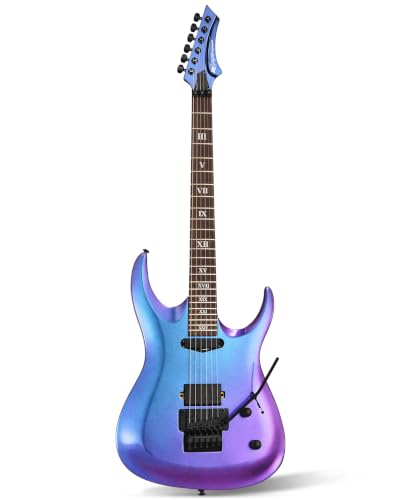
| Spec | Yamaha PAC012 | Leo Jaymz Tsunami |
|---|---|---|
| Body | Agathis | Solid mahogany body with a contoured shape |
| Neck and fingerboard | Maple bolt-on neck, Sonokeling fingerboard | Roasted maple neck with rosewood fingerboard |
| Scale length | Not published in listing | 25.5 inches (648 mm) |
| Frets | Not published in listing | 24 frets |
| Pickups | Not published in listing | HH pickup set with rail-style neck humbucker and bridge humbucker |
| Controls | 5-position switch | Volume and tone with push-pull tone to split bridge humbucker; pickup selector not detailed in listing |
| Bridge | Vintage tremolo | Double-locking tremolo |
| Tuners | Not published in listing | 18:1 ratio tuning machines |
| Finish | Black | Chameleon finish; exact gloss or satin type not specified |
| Included accessories | Not published in listing | Not published in listing |
Body, Neck and Playability
The Yamaha PAC012 uses an agathis body, while the Leo Jaymz Tsunami has a solid mahogany body with a contoured shape. Agathis is a common budget tonewood often used in entry-level guitars, but the Yamaha listing does not state whether the body is solid or chambered. Mahogany is a traditional tonewood associated with warm resonance and sustain, and the Leo Jaymz listing explicitly says solid, giving a clearer picture of its construction. Neither listing publishes body weight, so comfort and strap balance cannot be directly compared from the available facts.
For neck and fingerboard, Yamaha pairs a maple bolt-on neck with a Sonokeling fingerboard. Leo Jaymz uses a roasted maple neck with a rosewood fingerboard. Roasted maple is often chosen for added stability, and rosewood is a familiar fingerboard material for many players. The Yamaha listing does not publish scale length or fret count, while the Leo Jaymz lists a 25.5-inch scale and 24 frets. The Leo Jaymz therefore offers more concrete playability information for players who need extended fret access. The Yamaha's Sonokeling fingerboard is described as smooth, but without fret details its playability is harder to assess from the listing alone.
The Leo Jaymz's contoured body shape may improve comfort during long practice sessions, though exact body dimensions are not provided. The Yamaha's simple bolt-on construction is serviceable and easy to repair or modify. However, the Yamaha's missing scale length and fret count leave a significant gap for players who care about neck feel and upper fret reach. The Leo Jaymz's 24-fret design is a specific advantage for lead players who routinely play above the 22nd fret.
Pickups and Tone
The Yamaha PAC012 does not publish any pickup types, configuration, brand, or magnet specification. Its only listed control is a five-position switch, which implies multiple pickup combinations but does not reveal whether the pickups are single-coils, humbuckers, or a mix. Without that information, the Yamaha's tonal character cannot be determined from the listing. This is a major gap for tone-focused buyers who want to know if the guitar can produce classic single-coil sparkle or thicker humbucker tones.
The Leo Jaymz Tsunami specifies an HH pickup set with a rail-style neck humbucker and a bridge humbucker. The tone control includes a push-pull function to split the bridge humbucker for a single-coil-like sound. The rail-style neck humbucker is designed to provide even string response across the fretboard, which can reduce volume drop between strings. Pickup brand and magnet type are not published, which leaves some uncertainty about output level and tonal character. Still, compared to the Yamaha, the Leo Jaymz gives a much clearer picture of its pickup layout and tonal flexibility.
For players who want a traditional single-coil tone, the Leo Jaymz's coil split on the bridge humbucker offers an approximation, but it is not a true single-coil pickup. The Yamaha's five-position switch may provide single-coil or blended positions, but without pickup details that remains unknown. The Leo Jaymz's rail-style neck humbucker is a modern feature that suits high-gain clarity, while the Yamaha's tonal profile cannot be confirmed from the listing.
Hardware and Electronics
Yamaha's hardware list includes a vintage tremolo and a five-position switch. Tuner brand, ratio, and type are not published. The listing does not mention volume or tone controls individually, only the five-position switch. This simple hardware setup may be functional, but the missing details limit comparison. A vintage tremolo typically offers gentle pitch modulation rather than extreme dive bombs, and it relies on a traditional non-locking nut.
The Leo Jaymz Tsunami includes a double-locking tremolo, which locks the strings at the nut and bridge for tuning stability during aggressive whammy use. It also has 18:1 ratio tuning machines, which is a specific and relatively high gear ratio for precise fine tuning. The electronics include volume and tone controls, with the tone control operating the bridge humbucker split. The pickup selector type is not detailed in the listing. This hardware package is more modern and feature-rich than the Yamaha's, but it also requires more setup knowledge and careful string changes.
Neither guitar lists the brand or quality of its bridge, tuners, or electronic components. The Yamaha's vintage tremolo is likely simpler to maintain but may not hold tune as well under heavy use. The Leo Jaymz's double-locking system is better for extreme whammy bar techniques, but it can be frustrating for beginners who are not familiar with locking nut adjustments and bridge balancing.
Build Quality and Finish
In the supplied breakdown scores, Yamaha received a build and materials score of 12 out of 15, while Leo Jaymz received 10 out of 15. These scores suggest that the Yamaha's simpler construction may be more consistent, but the scores are not from in-person testing and should be treated as editorial ratings. Yamaha's agathis body and bolt-on maple neck are conventional budget guitar features. The Leo Jaymz's solid mahogany body, roasted maple neck, and double-locking tremolo demand tighter manufacturing tolerances.
Finish options differ significantly. The Yamaha PAC012 is listed only in a black finish, which is simple and classic. The Leo Jaymz Tsunami has a chameleon finish, which suggests a color-shifting effect, but the exact gloss or satin type is not specified. Neither guitar includes any published accessories like a gig bag or case. The lack of included accessories is a shared limitation for both models.
The Yamaha's Sonokeling fingerboard is a positive for build quality, as Sonokeling is known as a smooth and durable fingerboard material. The Leo Jaymz's roasted maple neck suggests a higher level of neck treatment, but the listing does not specify the exact roasting process or thickness. Without inspecting either guitar, build quality can only be judged from the listed materials and the given scores.
Setup Out of the Box
Neither product listing describes the factory setup or includes measurement details like string action or neck relief. Yamaha's cons note that setup quality cannot be confirmed from the listing. The vintage tremolo on the Yamaha is generally simpler to adjust than a double-locking system. A typical vintage tremolo requires setting spring tension and intonation but is less intimidating for a new player.
The Leo Jaymz's double-locking tremolo is more involved. Setting up a double-locking system requires balancing the bridge for parallel float, adjusting the locking nut, and setting intonation after string changes. The 18:1 tuners help with fine tuning, but the locking system adds steps. Beginners may need to take the Leo Jaymz to a technician or learn the process through detailed guides.
Neither listing mentions included setup tools, so buyers are on their own for initial adjustments. The Yamaha's simpler hardware may be more forgiving out of the box, but without published setup standards that cannot be confirmed. The Leo Jaymz's advanced bridge may arrive with the bridge lifted or strings out of tune, but that is also not confirmed from the listing.
Daily Use and Practice
For daily practice, the Yamaha PAC012's simple bolt-on construction and five-position switch offer straightforward operation. The vintage tremolo allows subtle pitch changes, but without locking tuners or a locking nut, tuning stability during heavy tremolo use may be a concern. The agathis body's weight is not published, so comfort during long standing sessions is unknown. The Yamaha's brand recognition also suggests broad availability of replacement parts like necks and pickguards.
The Leo Jaymz Tsunami is built for more aggressive playing. Its double-locking tremolo keeps strings in tune during dive bombs and heavy use, which is useful for practice sessions focused on rock and metal techniques. The 24 frets allow practice across a full two-octave range on each string. The mahogany body may be heavier than the Yamaha, but weight is not listed. String changes on a double-locking system are more time-consuming, which is a daily-use tradeoff.
The Yamaha's five-position switch allows quick sound changes during practice, though the actual pickup voices are unknown. The Leo Jaymz's push-pull tone control provides a quick way to switch between humbucker and split bridge tones without changing pickups. Both guitars lack included accessories, so daily use requires a stand, cable, and amplifier separately.
Versatility and Styles
The Yamaha PAC012's five-position switch suggests a versatile layout, but because pickup types are not published, the specific genre range is uncertain. If the switch selects between three pickups, it could cover classic rock, blues, and clean tones. However, without knowing whether the bridge is a humbucker or single-coil, that versatility cannot be confirmed. The vintage tremolo suits subtle vibrato in surf, indie, or classic rock.
The Leo Jaymz Tsunami's HH setup with bridge coil split offers clear tonal range. The bridge humbucker can be split for a thinner single-coil-like tone, while the rail-style neck humbucker handles high gain without losing clarity. The double-locking tremolo and 24 frets appeal to modern rock, metal, and shred players. This makes the Leo Jaymz more versatile on paper for heavier and more technical styles.
The Yamaha may appeal to players who prefer a traditional selector layout and do not need extreme tremolo work, but the listing's missing pickup details make it hard to recommend for any specific style. The Leo Jaymz's published features align with modern high-gain genres, while its bridge coil split adds some clean and crunch versatility. Both guitars lack published pickup brands, so tone quality remains a question for either.
The Deciding Question
The core decision comes down to how much you value published modern features versus brand familiarity. The Leo Jaymz lists a scale length, fret count, pickup configuration, coil split, and double-locking tremolo. The Yamaha leaves scale length, frets, pickups, and tuners unpublished. If you need to know what you are buying from the listing alone, the Leo Jaymz provides more answers.
However, the Yamaha Pacifica name carries a reputation for budget consistency, even if this specific model's listing is incomplete. The Yamaha's simpler vintage tremolo and bolt-on neck may be easier to maintain. The Leo Jaymz's advanced hardware may need upgrades or setup work. The deciding question is whether you prefer a documented modern platform or a simple, trusted brand with missing specifications.
Another factor is your willingness to learn double-locking tremolo setup. If you want to change tunings often or switch string gauges frequently, the Leo Jaymz's locked system adds friction. The Yamaha's non-locking tremolo is easier to tune and change strings. That practical difference may outweigh the feature gap for some buyers.
Who Should Buy Which
Buy the Yamaha PAC012 if you want a lower mid-range Yamaha electric guitar for practice or as a mod platform. The simple bolt-on construction, Sonokeling fingerboard, five-position switch, and vintage tremolo are solid starting points. You should be comfortable with the lack of published pickup and scale details. Yamaha's brand recognition is the main reason to choose this over a more feature-rich unknown.
Buy the Leo Jaymz Tsunami if you want a 24-fret, double-locking tremolo guitar with coil splitting at a similar price tier. The solid mahogany body, roasted maple neck, rosewood fingerboard, and 18:1 tuners give it a pro-oriented spec sheet. You should be willing to learn double-locking setup or pay for professional setup. The Tsunami is the better choice for modern rock, metal, and players who want published scale and fret details.
If you need a guaranteed traditional single-coil tone or a proven pickup brand, neither listing fully satisfies, but the Leo Jaymz at least documents its humbucker layout and coil split. If you prefer the Yamaha Pacifica ecosystem and plan to upgrade pickups later, the Yamaha is still a reasonable foundation. The final choice depends on whether you prioritize documented features or brand trust and simpler maintenance.
Yamaha PAC012
Pros
- Recognized Yamaha Pacifica name
- Simple bolt-on construction
- Sonokeling fingerboard offers a smooth surface
- Five-position switch for quick sound changes
- Lower mid-range price tier
Cons
- Pickup types and configuration not published
- Scale length and fret details missing
- Tuner and hardware specifics unknown
- No included accessories
- Setup quality cannot be confirmed
Leo Jaymz Tsunami
Pros
- Solid mahogany body and roasted maple neck are legitimate tonewoods
- 24 frets on a rosewood fingerboard suit modern lead playing
- Rail-style neck humbucker and bridge coil split broaden the tonal range
- Double-locking tremolo and 18:1 tuners support dive bombs and stable tuning
- Lower mid-range price with pro-oriented specs
Cons
- Pickup brand and magnet type are not published
- Body weight and exact finish durability are not listed
- No included gig bag, case, or tools mentioned
- Double-locking tremolo may require setup knowledge for beginners
Who Should Buy Each
Yamaha PAC012
- Beginners looking for a recognizable brand at a lower mid-range price
- Players seeking a simple bolt-on guitar for modifications
- Those who prefer a traditional solidbody with a tremolo
- Yamaha fans who already trust the Pacifica line
Leo Jaymz Tsunami
- Solo and lead players who want 24 frets
- Budget-conscious buyers seeking a double-locking tremolo
- Players who like humbuckers with a single-coil split option
- Intermediate players comfortable with basic tremolo setup
Quick Decision Guide
| If you want a published 25.5-inch scale length and 24 frets | Choose Leo Jaymz Tsunami |
| If you prefer a recognized brand name and simple bolt-on construction | Choose Yamaha PAC012 |
| If you need a double-locking tremolo for aggressive whammy bar use | Choose Leo Jaymz Tsunami |
| If you want a vintage tremolo with a five-position switch and simpler maintenance | Choose Yamaha PAC012 |
| If you require detailed pickup types and configurations in the listing | Choose Leo Jaymz Tsunami |
FAQ
About This Comparison
Mandrillis Team
The Mandrillis editorial team researches and compares audio and music gear using manufacturer documentation, verified specs and real buyer feedback, so you can make a confident purchase without wading through marketing claims.
Read our full research methodology.
We may earn a commission at no extra cost to you.