Yamaha PAC612VIIX vs Sterling by Music Man JP60
Quick Verdict
The Yamaha PAC612VIIX is the better choice for players who want proven Seymour Duncan pickups and a coil split for flexible tones, plus locking tuners and a Wilkinson vibrato bridge. Its body and neck specs are not published, but the hardware is clearly specified. The Sterling by Music Man JP60 suits players drawn to the John Petrucci signature style and who value known nyatoh body, maple neck and rosewood fingerboard, along with a floating tremolo. However, its pickups are not published, making tone hard to predict. Choose Yamaha for tonal clarity and versatility, Sterling for signature aesthetics and known woods.
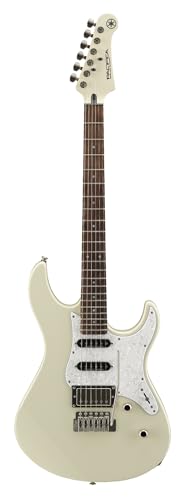

| Spec | Yamaha PAC612VIIX | Sterling by Music Man JP60 |
|---|---|---|
| Body | Not published in listing | Nyatoh solidbody |
| Neck and fingerboard | Not published in listing | Maple neck with rosewood fingerboard |
| Scale length | Not published in listing | Not published in listing |
| Frets | Not published in listing | Not published in listing |
| Pickups | Seymour Duncan Custom 5 TB-14 and SSL-1 pickups | Not published in listing |
| Controls | Push-pull coil split switch for additional tonal options; full control layout not published | Not published in listing |
| Bridge | Wilkinson VS50 vibrato bridge | Full floating modern tremolo |
| Tuners | Grover locking tuners | Die-cast locking tuning machines |
| Finish | Vintage White | Mystic Dream |
| Included accessories | Not published in listing | Ernie Ball strings installed; no other accessories listed |
Body, Neck and Playability
The Yamaha PAC612VIIX listing does not publish the body wood, neck wood, fingerboard material, scale length, or fret specifications. This makes it impossible to assess the physical feel and resonance from the listing alone. The pros mention a Graph Tech TUSQ nut and string trees, but without the neck profile and fret size, playability remains uncertain. The scoring gives Yamaha 22 out of 30 for playability, reflecting the missing information.
The Sterling by Music Man JP60 does publish a nyatoh solidbody, a maple neck, and a rosewood fingerboard. These woods give some indication of a warm and balanced resonance. However, the listing does not state scale length, fret count, or fingerboard radius, so fine playability details are still unknown. Sterling scores slightly higher at 23 out of 30 for playability, likely due to the known wood specifications.
Overall, the Sterling provides more body and neck information than the Yamaha, but both have gaps around scale and fretwork. Buyers who need specific neck dimensions will have to consult other sources. The Yamaha's advantage in hardware does not compensate for the lack of published neck details. For pure playability assessment, the Sterling's known materials give it a modest edge.
Pickups and Tone
The Yamaha PAC612VIIX is equipped with a Seymour Duncan Custom 5 TB-14 humbucker in the bridge and SSL-1 single coils in the neck and middle positions. These are well known pickups with clear tonal characteristics. The Custom 5 offers a hot P.A.F. style tone with a scooped midrange, while the SSL-1 provides classic vintage single coil sparkle. This combination gives the guitar a credible and versatile voice.
The Yamaha also includes a push pull coil split switch, which is mentioned in the controls. Splitting the humbucker unlocks additional single coil tones from the bridge, expanding the sonic range. The full control layout is not published, but the coil split is a significant advantage. The tone and pickups score of 22 out of 25 reflects the quality and clarity of these Seymour Duncan units.
The Sterling by Music Man JP60 does not publish any pickup specifications. The listing does not state the brand, type, or configuration of the pickups. This makes it impossible to predict the guitar's tone from the listing alone. The tone and pickups score of 17 out of 25 is lower than the Yamaha, primarily because the pickups are unspecified. Buyers who prioritize known pickup performance will find the Yamaha more reassuring.
Hardware and Electronics
The Yamaha PAC612VIIX includes a set of Grover locking tuners, a Graph Tech TUSQ nut and string trees, and a Wilkinson VS50 vibrato bridge. These are reputable hardware components that improve tuning stability and ease of string changes. The locking tuners clamp the string, reducing slippage. The TUSQ nut is self lubricating and helps maintain pitch.
The Yamaha's electronics include the push pull coil split, but the full control layout is not published. The bridge is a traditional style vibrato with smooth action. The hardware and electronics score is 9 out of 10, one of the highest in the breakdown. The known quality components justify this score.
The Sterling by Music Man JP60 has die cast locking tuning machines and a full floating modern tremolo. Locking tuners are similar in function to the Yamaha's Grovers. The floating tremolo allows greater pitch bending range than the Wilkinson VS50, but it may be less stable during string bends and hard playing. The controls are not published, so the electronics layout is unknown. The hardware and electronics score is 8 out of 10, slightly lower than the Yamaha due to the challenges associated with floating trems.
Build Quality and Finish
The Yamaha PAC612VIIX is finished in Vintage White, a clean and classic color. The listing does not publish the body or neck wood, so the underlying construction quality cannot be assessed from the materials. The scoring gives Yamaha 12 out of 15 for build and materials. This suggests that the general assembly and component quality are expected to be solid, but the missing wood specs hold back a higher score.
The Sterling by Music Man JP60 is finished in Mystic Dream, a distinctive and modern color. The published body wood is nyatoh, a dense tonewood often used as a mahogany substitute. The maple neck and rosewood fingerboard are known and well regarded. The listing also mentions final setup and inspection in California, which suggests quality control effort. The build and materials score is also 12 out of 15, matching the Yamaha despite having more published materials.
Both guitars score equally on build and materials, but the Sterling provides more transparency about its wood choices. The Yamaha relies on its hardware and finish for perceived quality. The Mystic Dream finish is more visually striking than Vintage White, though aesthetic preference is subjective.
Setup Out of the Box
The Yamaha PAC612VIIX includes hardware that contributes to stable setup, such as locking tuners and a TUSQ nut. However, the listing does not state whether the guitar receives a professional setup before shipping. The Wilkinson VS50 vibrato is generally stable, but the setup quality out of the box is unknown from the listing.
The Sterling by Music Man JP60 does mention final setup and inspection in California, which is a clear advantage for out of box playability. The guitar also comes with Ernie Ball strings installed from the factory, so it should be ready to play. The floating tremolo, however, may need additional adjustment depending on string gauge and playing style. The cons note that floating tremolo may require more setup for stability.
Comparatively, the Sterling has a stated setup process, while the Yamaha does not mention one. The Yamaha's hardware upgrades may help maintain tuning but do not guarantee initial action and intonation. Buyers concerned about immediate playability might feel more confident with the Sterling's stated California inspection.
Daily Use and Practice
For daily use, the Yamaha PAC612VIIX benefits from Grover locking tuners, which make string changes faster and reduce the chance of the string slipping. The Graph Tech TUSQ nut and string trees help maintain tuning under normal playing. The coil split switch adds variety during practice, allowing players to switch between humbucker and single coil sounds without changing guitars.
The Sterling by Music Man JP60 also has locking tuners, which provide similar convenience for string changes. The floating tremolo can be a fun feature for expressive playing, but it requires more attention to keep in tune. The guitar does not come with a case or gig bag, so daily transport requires buying a separate bag. The Yamaha also does not include a case or gig bag, so neither has an advantage in storage.
Both guitars are likely comfortable for regular practice, but the Yamaha's coil split offers more tonal variety during a session. The Sterling's floating tremolo may inspire dive bombs but can frustrate players who prefer simple tuning stability. The absence of included accessories is a minor drawback for both.
Versatility and Styles
The Yamaha PAC612VIIX is highly versatile due to its Seymour Duncan pickup combination. The humbucker in the bridge handles rock, hard rock, and heavier styles, while the SSL-1 single coils produce classic clean and blues tones. The coil split further expands the palette by offering a single coil sound from the bridge humbucker. This makes the guitar suitable for a wide range of genres from pop to blues to rock.
The Sterling by Music Man JP60 is difficult to assess for versatility because the pickup specifications are not published. The overall design is associated with John Petrucci, suggesting a focus on progressive rock and metal. The floating tremolo supports extreme pitch effects. However, without knowing the pickups, it is impossible to say how well the guitar handles clean tones or other styles.
The versatility score reflects this difference: Yamaha 8 out of 10, Sterling 7 out of 10. The Yamaha's known coil split and pickup set give it a clear advantage for players who need to cover many styles. The Sterling may excel in heavier genres, but the lack of pickup information limits confidence in its range.
The Deciding Question
The deciding question between these two guitars comes down to which set of published specifications matters more to you. The Yamaha PAC612VIIX clearly specifies its pickups and coil split, which are critical for tone. Its body and neck materials are not published, but the hardware is well defined. If you value knowing the pickups and getting that Seymour Duncan sound, the Yamaha is the safer choice.
The Sterling by Music Man JP60 clearly specifies its body, neck, and fingerboard woods, along with a California setup and locking tuners. Its pickups are not published, which leaves tone as a question mark. If you value the John Petrucci inspired design, the known wood combination, and the floating tremolo, the Sterling is more appealing. Ultimately, the decision is about prioritizing tone transparency versus construction transparency.
Who Should Buy Which
The Yamaha PAC612VIIX is best for intermediate players who want a Pacifica with upgraded Seymour Duncan pickups and a coil split for tonal flexibility. It suits those who do not need body wood details and trust the Pacifica reputation. Players who use moderate tremolo and appreciate locking tuners will find this guitar practical. It is also good for those who value the Vintage White finish.
The Sterling by Music Man JP60 is best for players who want a John Petrucci styled instrument with a nyatoh body, maple neck, and rosewood fingerboard. It suits those who prioritize the floating tremolo and the Mystic Dream finish. Buyers who are okay with unknown pickups but value the California setup and Ernie Ball strings will be satisfied. Avoid the Sterling if you need full pickup and scale specifications.
Yamaha PAC612VIIX
Pros
- Seymour Duncan pickups offer clear, proven tones
- Graph Tech TUSQ nut and string trees improve tuning stability
- Grover locking tuners make string changes faster and hold pitch well
- Wilkinson VS50 vibrato bridge gives smooth tremolo response
- Push pull coil split expands tonal range
- Vintage White finish looks clean and classic
Cons
- Body wood, neck wood, and fingerboard material are not published
- Scale length and fret size are not published
- Included accessories are not listed
- No case or gig bag is mentioned in the listing
Sterling by Music Man JP60
Pros
- John Petrucci signature design and Mystic Dream finish
- Nyatoh body with maple neck and rosewood fingerboard
- Die-cast locking tuners
- Full floating modern tremolo
- Final setup and inspection in California
- Ernie Ball strings from the factory
Cons
- Pickup specifications are not published
- Scale length, fret count and radius are not stated
- Control layout is not described in the listing
- No case or gig bag is mentioned
- Floating tremolo may require more setup for stability
Who Should Buy Each
Yamaha PAC612VIIX
- Guitarists moving up from a starter instrument
- Players who want Seymour Duncan tones without a premium price
- Musicians who value locking tuners and a stable vibrato bridge
- Anyone who wants a versatile coil split electric guitar
Sterling by Music Man JP60
- Intermediate players moving up from a starter guitar
- Fans of John Petrucci and progressive metal styling
- Players who want locking tuners and a floating tremolo at a mid range price
- Buyers who value a California final setup
Quick Decision Guide
| If you want known Seymour Duncan pickups and a coil split for tonal flexibility | Choose Yamaha PAC612VIIX |
| If you want a John Petrucci signature style and known body and neck woods | Choose Sterling by Music Man JP60 |
| If you prefer a traditional vibrato bridge and locking tuners without floating tremolo complexity | Choose Yamaha PAC612VIIX |
| If you want a full floating tremolo for dive bombs and expressive pitch effects | Choose Sterling by Music Man JP60 |
| If you value a listed final setup and inspection out of the box | Choose Sterling by Music Man JP60 |
FAQ
About This Comparison
Mandrillis Team
The Mandrillis editorial team researches and compares audio and music gear using manufacturer documentation, verified specs and real buyer feedback, so you can make a confident purchase without wading through marketing claims.
Read our full research methodology.
We may earn a commission at no extra cost to you.