Drums & Percussion Review
Vangoa DM100 Review: A 65 Watt Drum Amp
The Vangoa DM100 is a 65 watt amplifier with dual mic channels, USB and wireless input, and two independent drum input interfaces. This review covers it honestly as a rehearsal amplifier, not an electronic drum kit or pad, since it includes neither.
Our Verdict
Research Score 36/100The Vangoa DM100 is a drum amplifier, not an electronic drum kit or pad, and this review scores it on that basis rather than pretending otherwise. As an amplifier, it offers a genuinely broader feature set than a basic practice amp: 65 watts through an 8-inch woofer and 2-inch tweeter, dual independent microphone channels, a USB interface, a headphone output, wireless input, and two independent drum input interfaces for electronic drums, guitars, or keyboards. What it cannot offer is anything related to pad feel, onboard sounds, or triggering, since none of that applies to an amplifier. Buyers who already own electronic drums or a small band setup and want a more capable amplifier should find this a reasonable, honestly scoped purchase.
Editorial research score based on published specifications and documented features, not a customer rating or lab test.

Vangoa
Vangoa DM100
Best for: Drummers or small bands who already own electronic drums, guitars, or keyboards and want a 65 watt amplifier with dual mic channels, USB and wireless input.
Skip it if: Avoid this listing if you are shopping for an actual electronic drum kit or pad, since the Vangoa DM100 contains no pads, no sound module, no kick pedal, and no cymbal components at all.
Check Price on AmazonWe may earn a commission at no extra cost to you.
Listing verified: November 2026
Who Should Buy It
Buy it if
- Electronic drummers who need a higher output amplifier for rehearsal or small venue performance rather than quiet home practice alone.
- Small bands or duos who want to run two microphones and two instruments through one amplifier at once.
- Buyers who want both wired USB connectivity and wireless input for backing tracks in the same unit.
- Anyone needing a headphone output option alongside normal amplified sound for mixed quiet and loud sessions.
Skip it if
- You are looking for an actual electronic drum kit or pad to play.
- You need a stage-capable monitor larger than an 8-inch woofer and 2-inch tweeter configuration.
- You need published cabinet dimensions, weight, and included accessories confirmed before buying.
Key Specifications
| Pad type | Not applicable. The Vangoa DM100 is a drum amplifier and monitor speaker, not a pad or a playing surface of any kind. |
| Number of pads | Not applicable. No pads are included or implied anywhere in this listing. |
| Module and kits | Not applicable. There is no onboard drum sound module or preset kit library built into this amplifier. |
| Kick pedal and pad | Not applicable. No kick pedal or kick pad is included with this product. |
| Hi-hat type | Not applicable. No hi-hat pad or pedal is included with this product. |
| Cymbal pads | Not applicable. No cymbal pads are included with this product. |
| Connectivity | Dual independent microphone channels, a headphone output, a USB interface, and wireless input for phones or audio players are all stated. Two independent drum input interfaces using instrument cables let it connect to electronic drums, guitars, or keyboards. |
| Practice features | Not applicable in the drum lesson sense. Practice relevance is framed around the wireless input and the two independent drum input interfaces for rehearsal use. |
| Footprint | Not published. The listing describes a rugged and durable cabinet but gives no exact dimensions or weight. |
| Included accessories | Not published. No cable, stand, or case is listed as included with the amplifier. |
Overview
The Vangoa DM100 is a 65 watt drum amplifier built around an 8-inch woofer and a 2-inch tweeter, aimed at drummers and small bands who need more output than a basic home practice amp. The listing frames it for electronic drum practice, studio rehearsal, street performance, karaoke, and live stage performance.
This is not a kit or a pad. It is an amplifier meant to reproduce a signal from electronic drums, a microphone, or another instrument that a player already owns. Nothing about this listing describes drum pads, a sound module, or any triggering hardware.
This review evaluates the DM100 honestly as what it is, an amplifier, rather than stretching it to fit a drum kit review format. Several categories below, such as pad feel and kick pedals, do not apply to this product and are marked that way rather than forced. Readers specifically shopping for a playable kit or pad should treat this review as a reference for the amplifier category instead.
Pads, Feel and Response
This category does not apply to the Vangoa DM100. There are no pads, mesh heads, or rubber surfaces included, since the product is entirely an amplifier and speaker cabinet rather than a playing surface.
Buyers should not expect any discussion of stick feel or dynamic range here, since nothing about this listing involves a surface that gets struck during use. The amplifier simply reproduces whatever signal is sent into it.
Anyone evaluating pad feel as a purchase factor should look at a dedicated electronic drum kit or pad listing instead. This amplifier's role begins only once a signal has already been generated by separate drum hardware. The word drum in the product name describes its intended audience, not a playing surface it contains.
Drum Module and Sounds
There is no onboard drum sound module in this amplifier, and it generates no voices or kits of its own. Its relationship to drum sound is limited entirely to amplifying whatever signal arrives from a connected electronic drum, microphone, or instrument.
The listing describes the 8-inch woofer and 2-inch tweeter as optimized to reproduce expressive classic tones with high-impact bass and studio-monitor-like sound quality. A stated frequency response of 45 to 20 kHz gives a concrete benchmark for how broad a tonal range it is designed to reproduce.
Buyers who already own a drum module with its own distinct voice library should think of this amplifier purely as the final link in that signal chain, responsible for loudness and tonal balance rather than contributing sound character of its own. How good a connected module already sounds has far more bearing on the final result than anything this amplifier adds.
Kick, Hi-Hat and Cymbal Pads
None of these components exist in this product. There is no kick pedal, no kick pad, no hi-hat pad or pedal, and no cymbal pads included or implied anywhere in the listing for the Vangoa DM100, since its entire function is amplification rather than sound generation or physical triggering.
Any kick, hi-hat, or cymbal sound a player hears through this amplifier originates entirely from a separately owned electronic drum kit or module. None of that sound is generated by the amplifier itself.
Buyers specifically shopping for kick, hi-hat, or cymbal components should recognize this listing offers none of them. A full electronic drum kit listing is the right place to find those physical playing surfaces. This amplifier's job starts only after that kind of gear has already generated a signal.
- No kick pedal or kick pad included
- No hi-hat pad or pedal included
- No cymbal pads included
- Entire function is amplification, not sound generation
Practice Tools and Features
The most relevant practice feature here is the combination of wireless input and USB connectivity, which the listing states let a player connect phones or audio players to play along with backing tracks. That is a genuine convenience for rehearsal sessions.
There is no metronome, drum coach, or lesson content described in the listing, since this is a standalone amplifier rather than an instructional tool. Structured practice support would need to come from whatever drum module a player already uses separately. The amplifier's role stays limited to volume, tone, and connectivity throughout any practice session.
The two independent drum input interfaces and dual microphone channels indirectly support group rehearsal by letting more than one instrument or voice run through the amplifier at once. A headphone output also allows a quieter monitoring option when a full rehearsal volume is not appropriate. That flexibility covers more practice scenarios than a single-input amplifier typically can.
Build, Rack and Footprint
Exact cabinet dimensions and weight are not published for the DM100. The listing does describe a rugged and durable cabinet built to withstand regular rehearsal and performance use.
The listing specifically mentions the cabinet is optimized to reproduce expressive tones with studio-monitor-like quality. That suggests attention to internal bracing and driver mounting. No numeric build detail is given beyond that general description.
There is no rack or stand associated with this amplifier, since it functions as a standalone unit rather than part of a drum kit frame. Buyers should plan to place it on a sturdy surface rather than expecting kit-mounted hardware. A solid floor or a dedicated amp stand suits it better than a drum rack.
Connectivity and Recording
Connectivity is genuinely broad here. Dual independent microphone channels, a USB interface, a headphone output, and wireless input for phones or audio players are all stated in the listing, alongside two independent drum input interfaces using instrument cables.
That combination lets electronic drums, guitars, or keyboards connect at the same time as two separate microphones. It is more flexible than many single-input practice amplifiers in this price range. A small band could realistically run most of its sound through one DM100 unit.
No dedicated recording output or audio interface function for a computer is described. Capturing a rehearsal session would rely on whatever recording setup a player already has, routed separately from this amplifier. The USB interface here is framed for connectivity rather than for direct audio capture.
Setup and Daily Use
Setup likely involves connecting electronic drums or another instrument to one of the two drum input interfaces and plugging in one or two microphones as needed. A device can then be paired wirelessly or through USB for backing tracks. Balancing levels across each input is the main task before a session begins.
Daily use centers on rehearsal or small venue performance where the amplifier's 65 watt output and dual input interfaces matter most. That holds true whether it is a solo drummer or a small band sharing the same amplifier.
Because this is a speaker rather than an instrument, daily use is really about portable amplification for gear a player already owns. The headphone output gives a quieter option when full volume rehearsal is not practical, and most of the day to day workflow is simply plugging in the right inputs.
Who Should Buy It
This product suits electronic drummers or small bands who need a genuinely capable amplifier for rehearsal or small venue performance, not just quiet home practice. Its published 65 watt output and dual input interfaces support that higher demand use.
It also suits anyone who values having two microphone channels and two instrument inputs available at once. That lets a small band or duo run through a single amplifier without extra mixing hardware.
It does not suit anyone searching for a drum kit or pad to actually play. Nothing about this listing provides a sound module, kick pedal, hi-hat, or cymbal pads of its own. That kind of buyer should look at a complete electronic kit instead.
Verdict
Scored against drum kit criteria, this amplifier inevitably lands low overall, specifically because pad feel, module voices, kick pedal, and cymbal pads are simply not part of what an amplifier is. This review reflects that honestly rather than inflating the score to resemble an actual kit.
Judged instead as a 65 watt rehearsal amplifier, it fares much better. Its dual microphone channels, USB and wireless input, two independent drum input interfaces, and stated 45 to 20 kHz frequency response represent a reasonably well specified budget tier unit for drummers who already own a kit or module.
The honest takeaway is that this amplifier rewards someone needing a more capable amp for rehearsal or small venue use. It offers nothing to a buyer hoping to find a kit or pad to play under a general electronic drum search. That buyer should look elsewhere entirely.
Strengths and Limitations
Strengths
- A rated 65 watt output meets a wider range of performance needs than a smaller 20 or 40 watt practice amp.
- Two independent drum input interfaces using instrument cables let it connect electronic drums, guitars, or keyboards at the same time.
- Dual independent microphone channels allow two separate mic sources to run through the same amplifier.
- A USB interface and a headphone output add connection options beyond standard instrument cables.
- Wireless input for phones or audio players supports playing along with backing tracks without a cable.
- A stated frequency response of 45 to 20 kHz points to a reasonably wide tonal range for a compact practice and rehearsal amplifier.
Limitations
- This is an amplifier, not an electronic drum kit or pad, so it contributes nothing to pad feel, module sounds, or triggering on its own.
- No onboard drum voices, kits, or demo content are part of this product.
- The listing does not publish cabinet dimensions, weight, or included accessories such as a cable or stand.
- An 8-inch woofer and 2-inch tweeter, while solid for rehearsal use, remain modest next to larger stage-grade drum monitors.
How We Scored It
Scores reflect published specifications, documented features and value against the alternatives below. They are editorial research scores, not laboratory measurements.
Alternatives to Consider

Roland TD713
An experienced drummer who wants Roland's newest flagship engine and digital snare and kick pads for studio and stage work and is comfortable confirming the hardware details with the.
Read the Roland TD713 review →
Roland VAD516
A serious drummer who wants an acoustic-looking full-depth shell kit with Roland's digital snare, ride and hi-hat pads and the V51 engine for studio and stage use.
Read the Roland VAD516 review →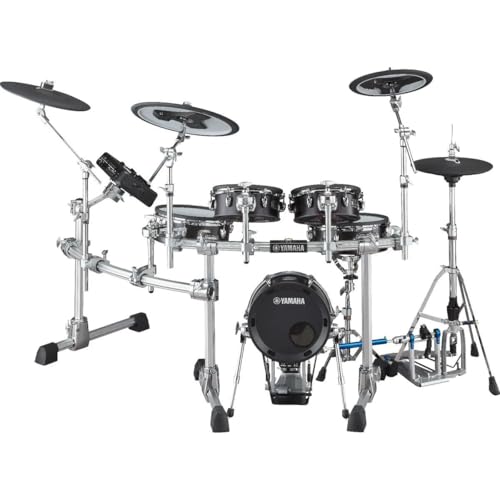
Yamaha DTX10K-X
A working drummer who wants a wood shell electronic kit with Yamaha's TCS feel, studio-recorded sounds and the individual outputs needed for live mixing.
Read the Yamaha DTX10K-X review →Questions Buyers Ask
Vangoa DM100
See the current listing, price and included accessories.
About This Review
Mandrillis Team
The Mandrillis editorial team researches and compares audio and music gear using manufacturer documentation, verified specs and real buyer feedback, so you can make a confident purchase without wading through marketing claims.
Read our full research methodology.