
Guides
Can You Play Bass Through a Guitar Amp at Low Volume? (Yes)
Many new bass players only have a guitar amp at home. It can work for quiet practice, but guitar speakers are not built for deep bass notes. This guide explains why, what can damage the speaker, safe volume and settings, and when it is worth getting a small bass amp or headphones instead.
Quick Answer
Yes, you can play a bass through a guitar amp at low volume for short practice sessions. Keep the volume and bass knob low, avoid heavy gain, and listen for flapping or distortion. At higher volume, deep bass notes can damage a guitar speaker, so use a bass amp or headphones for loud or long sessions.
How this guide was put together
This guide is based on manufacturer manuals, published specifications and widely used audio reference standards. Mandrillis does not run hands-on tests for these guides, so treat figures as typical values and check the manual for your own gear before changing settings.
Why Bass Is Hard on Guitar Speakers
A bass guitar's low E string sits at about 41 Hz, an octave below a guitar's low E. Many guitar speakers are not designed to reproduce notes that low.
To make low notes, a speaker cone has to move much farther. Guitar speakers have less room to move, called excursion, so they can bottom out and get damaged.
- Bass low E: about 41 Hz.
- Guitar low E: about 82 Hz.
- Low notes need large cone movement.
- Guitar speakers have limited movement.
Is Low Volume Safe?
At low volume, the cone moves only a little, so the risk is small. Many players practice quietly through a guitar amp without problems.
The danger grows quickly as you turn up. A sound that is fine at a whisper can damage the speaker at band volume.
Guitar Amp vs Bass Amp for Bass Practice
How each option handles a bass guitar.
| Factor | Guitar amp | Bass amp |
|---|---|---|
| Low note reproduction | Weak, often thin | Full and deep |
| Risk at higher volume | Speaker damage possible | Designed for it |
| Quiet practice | Usually fine | Fine |
| Tone | Thin, with less low end | Balanced for bass |
| Best use | Short, quiet sessions | Any practice or playing with others |
Warning Signs to Listen For
Your amp tells you when it is struggling. Stop or turn down right away if you hear any of these.
- Flapping or farting sounds on low notes.
- A rattle or buzz that was not there before.
- Distortion on clean settings.
- A burning smell, which means stop immediately.
- Sound that cuts in and out.
Best Settings for Bass Through a Guitar Amp
Set the amp to help the speaker, not push it. Small changes reduce risk and often sound better too.
Recommended Settings
Start with these and adjust slowly.
- Use a clean channel with gain low.
- Turn the bass knob down, around 3 to 4 out of 10.
- Set mids a little higher for clarity.
- Keep master volume low.
- Turn off heavy effects like big reverb.
Play Higher on the Neck
Notes higher up the neck put less strain on the speaker. If your practice allows, favor the upper frets on the low strings.
Modeling Amps With Bass Models
Some modeling guitar amps include bass amp models or settings. These can shape the sound better, but the speaker itself is still a guitar speaker.
Keep the same caution with volume. The model changes the tone, not the speaker's physical limits.
Tube Amps Need Extra Care
Tube guitar amps can be damaged if the speaker fails while the amp is running. A blown speaker can leave the amp without a proper load.
Be especially careful with volume on tube amps, and never run one without a working speaker connected.
Better Options for Quiet Bass Practice
If you practice bass often, a dedicated option is safer and sounds better.
- A small bass amp, often 10 to 25 watts, is fine for home.
- Headphones through a bass amp or headphone amp.
- An audio interface with headphones for silent practice.
- A bass multi effects unit with a headphone output.
- Full range speakers or studio monitors at moderate volume.
Can a Guitar Amp Work for Bass at Gigs?
Not safely. Band volume pushes the speaker far past its limits on low notes, and the bass would sound thin anyway.
For rehearsals and gigs, use a proper bass amp sized for the room.
What About Playing Guitar Through a Bass Amp?
This is safer, since bass speakers handle guitar frequencies easily. The sound can be darker and less bright, but it will not usually harm the amp.
Some players like a guitar through a bass amp for clean, full tones.
Using an EQ Pedal or High Pass Filter
An EQ pedal placed between the bass and the guitar amp can cut the deepest frequencies before they reach the speaker. A high pass filter set around 60 to 80 Hz removes the notes that cause the most cone movement.
This makes the sound a little thinner, but it protects the speaker and lets you play at a slightly higher level. Some bass multi effects units and modeling amps include this filter in their settings.
- Set a cut around 60 to 80 Hz.
- Boost mids slightly for clarity.
- Keep the overall level low.
- Recheck for flapping after any change.
Speaker Size and Cabinet Type
Larger guitar speakers, such as 12 inch models, usually handle bass a little better than small 6 or 8 inch speakers. Closed back cabinets also control low notes better than open back cabinets.
Even so, these are small differences. No guitar speaker is designed for the full depth of a bass at volume, so keep the same cautious settings on any guitar amp.
Practice Habits That Protect Your Gear
Turn the amp volume all the way down before plugging in or unplugging the bass. A loud pop can stress the speaker, especially combined with low notes.
Start each session at a very low level and raise it slowly. Keep sessions short, and if you notice any new rattle, stop and check the speaker before playing again.
- Volume down before plugging in.
- Raise volume slowly.
- Avoid slap bass at volume through a guitar speaker.
- Stop at the first sign of rattle.
Protecting Your Hearing
Low notes can feel quieter than they are, which makes it easy to play too loud. Keep practice at a level where you can talk over the amp.
Use headphones at a moderate level for long sessions, and take short breaks every 30 to 45 minutes.
The Bottom Line
You can play a bass through a guitar amp at low volume for short sessions. Keep the bass knob and volume low, use a clean channel and listen for flapping.
For regular or louder practice, use a small bass amp or headphones to protect the speaker and get a fuller sound.
Small Bass Amps From Our Reviews
Compact bass amps built to handle low notes at home.
Fender Rumble LT25
Mentioned
Who Should Buy It
- Bedroom and apartment bass players
- Beginners who want built-in amp models without pedals
- Players who appreciate a visual display for preset editing
- Buyers who want a budget Fender practice amp with a warranty
Skip It If
- You need headphone or line out details confirmed in the listing
- You require Bluetooth or app editing
- You play in a loud band and need stage-ready power
We may earn a commission at no extra cost to you.
Last verified: October 2026
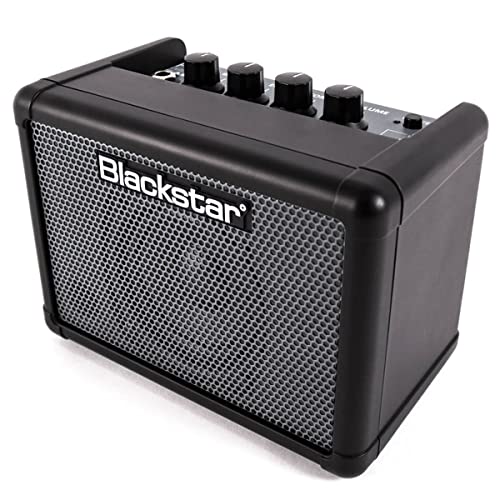
Blackstar Fly 3 Bass
Mentioned
Who Should Buy It
- Beginners wanting a simple first bass practice amp
- Apartment players needing headphone silent practice
- Traveling musicians who need a battery powered warmup tool
- Bassists who already own a larger rig and want a compact desk amp
Skip It If
- Gigging players who need to compete with live drums
- Users who want app based tone editing and Bluetooth streaming
- Players looking for deep sub bass from a small speaker
We may earn a commission at no extra cost to you.
Last verified: October 2026

Boss Katana-110 Bass
Mentioned
Who Should Buy It
- Players who want a lower mid-range bass combo with onboard effects and memories
- Home recordists who need USB and phones/recording outputs with cabinet emulation
- Bassists who like EQ flexibility and blend control for sculpting fat or clear tones
- Anyone already invested in the Boss ecosystem who will use the desktop editor
Skip It If
- You require a specific speaker size or weight before buying
- You want wireless Bluetooth audio streaming from a phone or tablet
- You prefer a simpler amp without app-based editing or multiple effect sections
We may earn a commission at no extra cost to you.
Last verified: October 2026
Keep Reading
Related guides and picks on Mandrillis:
- Best Bass Amps : amps built for low notes
- Active vs Passive Bass Pickups Explained : know your bass output
- Tube Amp vs Solid State Amp for Bedroom Practice : home amp choices
FAQs
About This Guide
Daniel Brooks
Daniel Brooks edits the buying guides and how-to articles at Mandrillis. He works from manufacturer manuals, published specifications and common owner questions to explain music and audio gear in plain language, from turntables and headphones to digital pianos and electronic drums.
Read our full research methodology.