Guitar & Bass Review
Fender CP-60S Review: Compact Parlor Acoustic Value
The Fender CP-60S pairs a solid spruce top with laminated mahogany back and sides in a compact parlor body. A short 24.75 inch scale and walnut fingerboard aim for easy playability. The listing omits nut width and electronics details, so buyers should confirm those specifics before purchase.
Our Verdict
Research Score 73/100The Fender CP-60S is a budget friendly parlor acoustic that combines a solid spruce top with a short 24.75 inch scale, making it an appealing option for beginners and fingerstyle players. The laminated mahogany back and sides keep the price down while adding midrange warmth on paper, though the listing does not provide nut width or electronics information. Chrome die-cast tuners and a rosewood bridge are practical hardware choices for this tier. The lack of an included case is a minor drawback, but it is common at this price point. Buyers who want a recognizable brand, a compact body, and a solid top without spending a lot will find this model compelling. The main unknowns are the exact nut width and any onboard electronics, so confirm those details before ordering. Overall, the CP-60S offers strong value for a focused, simple parlor acoustic.
Editorial research score based on published specifications and documented features, not a customer rating or lab test.

Fender
Fender CP-60S
Best for: Players who want a compact parlor acoustic with a solid spruce top and a short 24.75 inch scale at a budget price.
Skip it if: You need built-in electronics, a case included, or exact nut width and neck profile measurements before purchase.
Check Price on AmazonWe may earn a commission at no extra cost to you.
Listing verified: October 2026
Who Should Buy It
Buy it if
- Fingerstyle players wanting a smaller body and short scale
- Beginners looking for a recognized brand with a solid top
- Players with smaller hands or those who find dreadnoughts uncomfortable
- Anyone wanting an affordable parlor for practice, travel, or couch playing
Skip it if
- You require onboard electronics or an acoustic pickup
- You expect a case or gig bag to be included
- You need all-solid tonewoods or a larger dreadnought voice with deep bass
Key Specifications
| Body shape | Parlor |
| Top | Solid Spruce |
| Back and sides | Laminated Mahogany |
| Neck and fingerboard | Mahogany neck with walnut fingerboard |
| Scale length | 24.75" |
| Nut width | Not published in listing |
| Electronics | Not published in listing |
| Tuners | Chrome Die-Cast |
| Finish | 3-Color Sunburst |
| Included accessories | Case not included |
Overview
The Fender CP-60S is a parlor acoustic guitar offered in the budget price tier. The listing highlights a solid spruce top, laminated mahogany back and sides, and a 3-color sunburst finish. Additional feature bullets specify a 24.75 inch scale, a mahogany neck, a walnut fingerboard with 20 frets, chrome die-cast tuners, a rosewood bridge, and no included case.
This combination places the CP-60S as a compact, short-scale instrument aimed at players who want a recognized brand without a large body. The solid spruce top is a significant feature at this price point because it typically improves response and articulation over fully laminated tops. The parlor body is smaller than a standard dreadnought, which may appeal to those seeking comfort during long practice sessions.
The listing does not publish nut width or any electronics details, so buyers should treat those as open questions. The product name is used consistently as Fender CP-60S, and the guitar is positioned as a straightforward acoustic without preamp or pickup options described in the provided data. That simplicity can be a plus for players who want a pure acoustic experience.
Body, Neck and Playability
The parlor body shape is the defining physical feature of the CP-60S. It is smaller and shallower than a dreadnought, which can make the guitar easier to hold while seated and more comfortable for players with smaller frames. The top is solid spruce, while the back and sides are laminated mahogany, a common pairing that balances cost and tone in budget instruments.
The neck is described as mahogany with a walnut fingerboard and 20 frets. The scale length is 24.75 inches, shorter than many full-size acoustics, which reduces string tension and can make fretting easier for beginners or players with smaller hands. The rosewood bridge is also specified in the feature bullets, though no details about bridge pins or saddle material are given.
One important gap is the nut width, which the listing does not provide. Without that measurement, players cannot confirm exactly how the string spacing will feel under the fingers. The neck profile and fret size are also not published, so the on-paper playability is promising but incomplete. Buyers who are sensitive to neck dimensions should try the guitar in person or request additional measurements from the seller.
The short scale is a notable advantage for playability because it reduces the distance between frets slightly and lowers string tension compared to a standard 25.5 inch scale. This can make barre chords and stretches less demanding. Combined with the compact parlor body, the CP-60S should feel approachable for many players, although the actual nut width remains an unknown that could affect hand feel.
Tone and Projection
A solid spruce top is known on paper for producing a clear, articulate attack with good dynamic range. Paired with laminated mahogany back and sides, the CP-60S is likely to emphasize midrange warmth rather than deep low end. The parlor body typically focuses the sound toward the mid and upper frequencies, which suits fingerpicking and light strumming well.
The short 24.75 inch scale can soften the feel of the strings and slightly round out the attack compared to a longer scale. Projection from a parlor body is generally more modest than a dreadnought, so this guitar is not designed to compete with large-body instruments in a loud jam. It will likely sound fine for solo practice, songwriting, and small acoustic gatherings.
The rosewood bridge may contribute to sustain and note definition, but the listing does not provide enough detail to confirm how it is shaped or fitted. No electronics are mentioned, so the guitar is acoustic only as listed. Buyers who need amplified tone will have to add an aftermarket pickup or use an external microphone. The overall tonal character should be focused and balanced rather than booming.
Compared to a typical dreadnought like a Yamaha FG800 or Fender CD-60S, the CP-60S will likely have less bass response and overall volume, but it may offer a tighter, more direct midrange that works well for fingerstyle. Players who prioritize clarity over power will find that tradeoff acceptable. The solid spruce top should provide more nuance than an all-laminate parlor at a similar price.
Hardware and Electronics
The feature bullets specify chrome die-cast tuners, which are a standard reliable choice on budget acoustics. They should hold tuning adequately for daily practice, though the listing does not state the gear ratio or brand. The rosewood bridge is the only other hardware item highlighted, and no information is given about the saddle or nut material.
The listing does not mention any onboard electronics, preamp, or pickup. That means the CP-60S is best treated as a purely acoustic instrument out of the box. Players who plan to perform plugged in will need to install a pickup or use an external microphone. The absence of electronics keeps the design simple and may reduce potential failure points.
The case is not included, as explicitly stated in the feature bullets. Buyers should plan to purchase a gig bag or hard case separately if they need to transport or store the guitar with protection. This is a common omission at the budget tier, but it is worth noting for first-time acoustic buyers who assume a case will be in the box.
- Chrome die-cast tuners
- Rosewood bridge
- No case included
- No electronics listed in the feature bullets
- Short 24.75 inch scale neck
- No nut width or saddle material published
Build Quality and Finish
The CP-60S uses a solid spruce top with laminated mahogany back and sides, a construction approach common in budget acoustics. The solid top adds cost compared to all-laminate models but can improve tone and responsiveness. The 3-color sunburst finish is the only finish option stated in the listing, and it gives the guitar a classic, understated look.
Fender's name carries some quality control expectations, but the listing does not mention specific bracing, binding, or neck joint details. Without direct inspection of a physical unit, build quality cannot be fully evaluated. The absence of a case in the listing means the guitar may ship with minimal protection, depending on retailer packaging.
The use of laminated mahogany for the back and sides is a cost-saving measure, but it can still provide a stable and durable body. The walnut fingerboard is less common than rosewood or maple at this price, which may appeal to players looking for something slightly different. Overall, the materials listed suggest a straightforward, no-frills build that prioritizes function over decoration.
Setup Out of the Box
The listing does not publish any factory setup measurements such as string action, neck relief, or nut slot depth. Budget acoustics sometimes arrive with high action, but there is no way to confirm that from this data. The short scale may make slightly high action more tolerable, but setup still matters for comfortable playing.
Because the nut width is not published, buyers cannot predict the initial string spacing before the guitar arrives. A proper setup by a local technician can improve playability, but that is an additional step buyers should anticipate when purchasing any budget acoustic. The chrome die-cast tuners should hold tune well enough out of the box, assuming the strings are seated correctly.
Many players find that budget guitars benefit from a professional setup, including adjusting the truss rod, lowering the saddle, and filing the nut slots. These adjustments are not described in the listing, so the CP-60S may require a trip to a guitar tech to reach its full playability potential. However, the short scale and parlor body are inherently forgiving, which can make the initial setup less critical than on a longer scale instrument.
Daily Use and Practice
The parlor body makes the CP-60S a practical choice for couch practice, small rooms, and travel. The short scale and compact shape reduce reach and shoulder fatigue during longer sessions. The solid spruce top should respond well to daily playing, and many players find parlor guitars easy to keep close at hand for spontaneous practice.
Since no case is included, owners will need to budget for a gig bag or hard case if they plan to transport the guitar. The absence of electronics keeps the guitar simple, which is fine for home practice but limits direct recording or live use without extra gear. A clip-on tuner and a comfortable strap are the only immediate accessories needed.
The walnut fingerboard and mahogany neck should feel smooth under the fingers, assuming the fretwork is clean. The short 24.75 inch scale reduces string tension, which may allow longer practice sessions without hand fatigue. For players who want a low-effort acoustic to leave on a stand and pick up frequently, the CP-60S fits that role well.
Versatility and Styles
The CP-60S is best suited to fingerstyle, folk, and light strumming. The parlor body does not produce the booming low end of a dreadnought, so aggressive flatpicking or heavy bluegrass strumming may feel underwhelming. Short-scale comfort is a plus for chord melody and single-note work, especially for players with smaller hands.
Compared to a full-size model like a Yamaha FG800 or a Fender CD-60S, the CP-60S sacrifices projection and bass depth for a more intimate, midrange-focused voice. It is not a do-it-all stage guitar, but it fills a niche for practice, songwriting, and small acoustic settings. Players who strum heavily with a pick may find the parlor body lacking headroom.
Alternate tunings may be easier to manage on a shorter scale, but the missing nut width and neck profile information make it hard to say how comfortably the guitar will handle unusual strings or chord shapes. As an acoustic-only parlor, it focuses on clarity over power. For fingerpicking patterns that rely on note separation, the solid spruce top and rosewood bridge should provide good articulation on paper.
The lack of electronics limits the CP-60S for open mic nights or amplified performances without additional equipment. If a player only needs an unplugged practice and songwriting tool, the parlor format is ideal. If the guitar must pull double duty on stage, a different model with a pickup would be more practical.
Who Should Buy It
Beginners who want a recognized brand and a solid top on a budget should consider the CP-60S. Fingerstyle players and smaller-framed musicians may appreciate the compact parlor body and short scale. It also suits anyone looking for a simple, no-electronics acoustic for home practice or travel. The solid spruce top provides a meaningful upgrade over fully laminate beginner guitars.
Players who need a loud, bass-heavy dreadnought or onboard electronics will not find those features here. The same applies to buyers who expect a case included or who need exact nut width measurements before purchase. Those groups should confirm details with the seller or look for a different model. The CP-60S is a focused instrument for a specific type of player.
The budget price tier means some compromises are expected, but the CP-60S offers a solid spruce top and a comfortable parlor body that many players will find appealing. If you prioritize playability, compact size, and a clear midrange voice over maximum volume or built-in electronics, this model is worth a close look.
Verdict
The Fender CP-60S is a budget parlor acoustic with a solid spruce top, short scale, and brand recognition. On paper, it offers a sensible mix of features for fingerstyle and beginner use. The main unknowns are the nut width and any electronics, which the listing does not state. The lack of an included case is a minor drawback, but the chrome die-cast tuners and rosewood bridge are adequate hardware for the price tier.
Players who want a compact, affordable parlor from a known brand will find the CP-60S compelling. The solid spruce top should deliver clearer tone than all-laminate competitors, and the short scale makes it approachable for smaller hands. Just verify the neck dimensions before ordering and plan to purchase a case separately.
Overall, the CP-60S earns a solid recommendation for its intended audience. It is not a versatile stage guitar or a booming dreadnought, but it does not pretend to be. As a focused, budget-friendly parlor acoustic, it delivers what the listing promises on paper.
Strengths and Limitations
Strengths
- Solid spruce top for clear attack and response
- Short 24.75 inch scale reduces string tension
- Compact parlor body is comfortable for seated practice
- Walnut fingerboard offers a smooth feel on paper
- Chrome die-cast tuners are a practical hardware choice
Limitations
- No case included in the listing
- Laminated back and sides rather than solid wood
- No electronics or pickup described
- Nut width is not published in the listing
- Limited low end projection compared to a dreadnought
How We Scored It
Scores reflect published specifications, documented features and value against the alternatives below. They are editorial research scores, not laboratory measurements.
Alternatives to Consider

Cordoba Protege C1M 3/4
Students and younger players looking for a comfortable, budget priced nylon string guitar for lessons and home practice.
Read the Cordoba Protege C1M 3/4 review →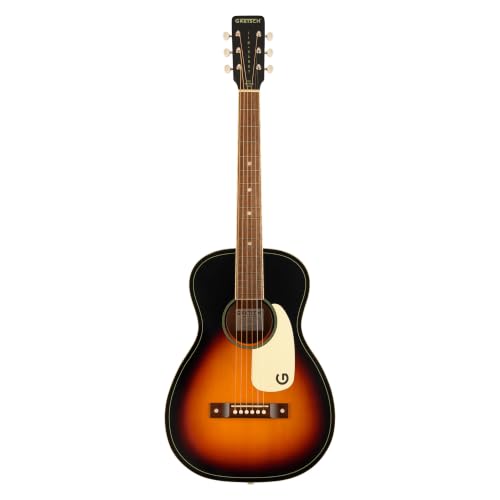
Gretsch Jim Dandy Parlor
Players who want a small bodied vintage inspired acoustic for couch practice and old time styles without spending much.
Read the Gretsch Jim Dandy Parlor review →
Fender CD-60S
Beginner and intermediate strummers who want a Fender-branded all mahogany dreadnought with a warm voice and a two-year warranty.
Read the Fender CD-60S review →Head-to-Head Comparisons
- Fender CP-60S vs Gretsch Jim Dandy Parlor Compare →
Questions Buyers Ask
Fender CP-60S
See the current listing, price and included accessories.
About This Review
Mandrillis Team
The Mandrillis editorial team researches and compares audio and music gear using manufacturer documentation, verified specs and real buyer feedback, so you can make a confident purchase without wading through marketing claims.
Read our full research methodology.