Guitar & Bass Review
Gretsch Electromatic CVT Bass Review: Medium Scale and Dual Pickups
The Gretsch Electromatic CVT Bass pairs a mahogany body and neck with a laurel fingerboard and a humbucker plus single-coil pickup set. Its medium-scale design promises easier reach, but the listing leaves out exact scale length, controls, bridge, tuners, and weight. A lower mid-range option with clear strengths and missing details.
Our Verdict
Research Score 74/100The Gretsch Electromatic CVT Bass is a compelling lower mid-range instrument on paper. It offers a mahogany body and neck, a laurel fingerboard, and a dual pickup configuration that blends a humbucker with a single-coil. That combination is not common in this price band and should deliver both warmth and articulation. The medium-scale design adds comfort for many players. The Bristol Fog finish gives it a distinctive look. However, the listing omits crucial details, including exact scale length, controls, bridge, tuners, strings, and weight. This makes a complete evaluation difficult. Buyers who value the Gretsch name and the unusual pickup set may be willing to research those missing facts. Players who demand full specs before purchase should proceed with caution.
Editorial research score based on published specifications and documented features, not a customer rating or lab test.

Gretsch
Gretsch Electromatic CVT Bass
Best for: Players seeking a medium-scale Gretsch with a warm mahogany voice and two contrasting pickup types at a lower mid-range price.
Skip it if: You require full hardware, control, scale length, and weight details before purchasing a bass.
Check Price on AmazonWe may earn a commission at no extra cost to you.
Listing verified: October 2026
Who Should Buy It
Buy it if
- Smaller adults, younger players, or anyone who prefers a shorter reach
- Recording musicians who want humbucker and single-coil tones in one passive bass
- Gretsch fans looking for an accessible Electromatic model
- Players upgrading from a starter bass who want a more distinctive voice
Skip it if
- You need an active preamp or modern high output tone
- You cannot buy without exact scale length, bridge, and tuner details
- You want a lightweight bass and the unlisted weight is a concern
Key Specifications
| Body | Mahogany |
| Neck and fingerboard | Mahogany neck, laurel fingerboard |
| Scale length | Medium-scale, exact measurement not published in listing |
| Strings | Not published in listing |
| Pickups | 1 humbucking pickup, 1 single-coil pickup |
| Controls | Not published in listing |
| Bridge | Not published in listing |
| Tuners | Not published in listing |
| Finish | Bristol Fog |
| Included accessories | Not published in listing |
Overview
The Gretsch Electromatic CVT Bass is a medium-scale electric bass in the Electromatic line. The listing describes a mahogany body, a mahogany neck, a laurel fingerboard, and a Bristol Fog finish. The pickup configuration includes one humbucking pickup and one single-coil pickup. This pairing is less common in the lower mid-range segment and suggests a bass designed for tonal variety.
The exact scale length is not published in the listing. The medium-scale designation points to a shorter feel than a standard long scale bass, but players should confirm the measurement if they need a specific number. The listing also omits string brand and gauge, control layout, bridge type, tuner brand, weight, and included accessories. These gaps matter for buyers who want complete specifications before spending money. This review relies only on the published listing, so some practical details remain unknown.
Body, Neck and Playability
The body is mahogany, a tonewood often linked to warm midrange and rounded lows. The neck is also mahogany, which reinforces that warmer character. The fingerboard is laurel, a common alternative to rosewood. The published materials suggest a bass that leans toward a smooth, rounded voice rather than a bright, snappy attack.
Medium scale generally means a shorter distance between the nut and bridge. That reduces string tension and can make fretting easier for smaller hands, younger players, or anyone who finds a full scale bass tiring. Because the exact scale length is not stated, the actual feel cannot be fully judged on paper. The neck profile, fingerboard radius, and nut width are also not published.
The mahogany neck and laurel fingerboard are familiar and stable materials. Without a listed weight, it is hard to judge balance. The listing does not mention body contours, so comfort against the torso is unknown. On paper, the design points toward easy playability for groove oriented styles, but the missing ergonomic details leave some questions unanswered. The nut material is likewise omitted.
Pickups and Tone
The pickup set includes one humbucking pickup and one single-coil pickup. A humbucker usually provides a thicker, quieter sound with more low midrange. A single-coil tends to be brighter and more articulate. Having both gives the player two distinct voices in one instrument, which is a strong feature at this price. That flexibility is a real selling point.
The listing does not specify pickup positions, such as neck or bridge, and does not name the pickup models. This limits a detailed tone prediction. On paper, the combination suggests flexibility from warm and round to clear and cutting. The absence of a listed preamp or active circuit means the bass is likely passive, but the listing does not confirm that.
The mahogany body and neck may soften the attack of the single-coil and add body to the humbucker. Players who like vintage informed tones may find this appealing. However, the lack of listed tone control details means the range of the onboard EQ is unknown. The actual output level and noise performance also cannot be assessed from the listing.
Hardware and Electronics
The listing does not publish the bridge type, tuner brand, or control layout. This is a gap for a bass in the lower mid-range tier, where many competitors list full hardware specs. The absence of these details means the hardware quality cannot be compared directly to common rivals from Squier, Ibanez, Yamaha, or Sterling by Music Man. The lack of listed hardware may be a dealbreaker for detail oriented buyers.
Electronics are simple by description: two pickups and an unspecified control set. Without details on volume and tone count, or any switching, it is unclear how the pickups are blended. Players who want a known control layout will need to seek additional information. A passive setup is likely, but the listing does not state that explicitly.
- Mahogany body and neck with laurel fingerboard
- One humbucking pickup and one single-coil pickup
- Medium-scale design, exact scale length not stated
- Bristol Fog finish
- Lower mid-range price tier
Build Quality and Finish
The Bristol Fog finish is a muted, grayish color that suits the Electromatic line's vintage look. The listing does not mention the finish type, such as gloss or satin, and does not state whether the body has binding or other cosmetic details. The mahogany body under the finish should provide a solid foundation. The lack of binding details is minor but worth noting.
Gretsch's Electromatic series typically offers dependable import build quality, but without in-person inspection, the review remains on paper. The listing does not report any quality control issues, but it also does not state the factory of origin. Buyers should rely on the brand's reputation and the retailer's return policy.
The use of mahogany for both body and neck is a notable feature at this price. Laurel fingerboards are common and durable. The overall material package suggests a sturdy instrument, though the unknown hardware tempers a full endorsement. The listing gives no indication of fretwork quality, nut material, or finish durability.
Setup Out of the Box
The listing does not describe the factory setup, string action, or neck relief. A medium-scale bass may arrive with different tension needs than a long scale bass. Without a stated setup spec, buyers should anticipate a professional setup to suit their playing style. A professional setup is a normal part of buying any new bass.
New basses often need minor truss rod and bridge saddle adjustments after shipping. The listing does not mention whether the instrument includes a truss rod wrench or any setup tools. This is not unusual, but it means first-time buyers should budget time or money for a setup.
Because the hardware details are unknown, the ease of making setup adjustments cannot be evaluated. The mahogany neck should respond normally to truss rod changes, but that is general knowledge, not a published specification. Players who prefer low action will likely need to adjust the bridge and possibly the nut.
Daily Use and Practice
The medium-scale design is likely the biggest daily-use advantage. A shorter scale reduces string tension, which can make long practice sessions more comfortable for some players. The dual pickup set offers a quick way to shift from a darker humbucker voice to a brighter single-coil voice, assuming the controls work as expected.
The body weight is not listed, so the comfort of standing with the bass for long periods is unknown. The mahogany body may be on the heavier side, but that is not confirmed by the listing. Players who prioritize lightweight instruments should investigate the actual weight before buying. The listing gives no strap button placement.
For practice at home, the passive pickup set should pair well with small practice amps or headphone amps. The lack of listed controls means the exact tonal flexibility is uncertain. Still, the two pickup types provide more variety than a single-pickup budget bass. Headphone practice at low volume should still reveal the basic pickup character.
Versatility and Styles
The humbucker and single-coil combination suggests versatility across rock, blues, funk, and indie. A humbucker can deliver a round, driving tone for rock and Motown inspired parts. A single-coil can add articulation for fingerstyle, slap, or pick playing. The medium scale does not prevent standard tuning.
Without a listed preamp, the bass is unlikely to produce modern active high-output tones. It should sit well in a band mix with a warm, organic character. The medium scale may not suit players who want the extended low-end of a long scale bass, but it can still handle standard tuning.
Players who compare this to common entry models from Squier, Ibanez, Yamaha, or Sterling by Music Man will notice the Gretsch uses a less standard pickup pairing. That could be a reason to choose it if the player wants a distinctive voice. The unknown controls limit a full comparison.
Who Should Buy It
This bass should appeal to players who want a Gretsch instrument at a lower mid-range price. The mahogany body and neck, along with the laurel fingerboard, offer a familiar wood combination. The medium scale is a good fit for smaller adults, younger players, or anyone who finds a full scale bass tiring. The Gretsch brand carries a distinct visual and sonic identity.
Players who like the idea of blending a humbucker with a single-coil will find this unusual in the segment. It may suit recording musicians who want two distinct bass tones without switching instruments. It can also serve as a first upgrade from a starter bass.
Buyers who need detailed specifications before purchase, such as exact scale length, control layout, or hardware brands, may be frustrated. The listing leaves many questions unanswered. Those buyers should seek out additional product information or consider a model with more published specs.
Verdict
The Gretsch Electromatic CVT Bass is an interesting lower mid-range option with a mahogany body and neck, laurel fingerboard, and a dual pickup layout that pairs a humbucker with a single-coil. The Bristol Fog finish gives it a distinctive look. On paper, it promises a warm, flexible voice with a more compact medium-scale feel.
The main weakness is the lack of published details. The exact scale length, controls, bridge, tuners, weight, and included accessories are not stated. This makes a complete evaluation impossible without more information. Players who demand full specs will need to research further or handle the bass in person. The final decision depends on the buyer's tolerance for missing data.
For the price tier, the material package and pickup configuration are strong points. The Gretsch name adds appeal. If the unknown factors check out, this could be a solid workhorse bass for practice, recording, and small gigs. Buyers should confirm the missing details before committing.
Strengths and Limitations
Strengths
- Mahogany body and neck with laurel fingerboard
- Uncommon dual pickup layout with humbucker and single-coil
- Medium-scale design can reduce string tension and ease reach
- Distinctive Bristol Fog finish
- Lower mid-range price from a known brand
Limitations
- Exact scale length not published
- Control layout and hardware specifications not stated
- Weight and balance unlisted
- No included accessories mentioned
- Single finish option in the listing
How We Scored It
Scores reflect published specifications, documented features and value against the alternatives below. They are editorial research scores, not laboratory measurements.
Alternatives to Consider
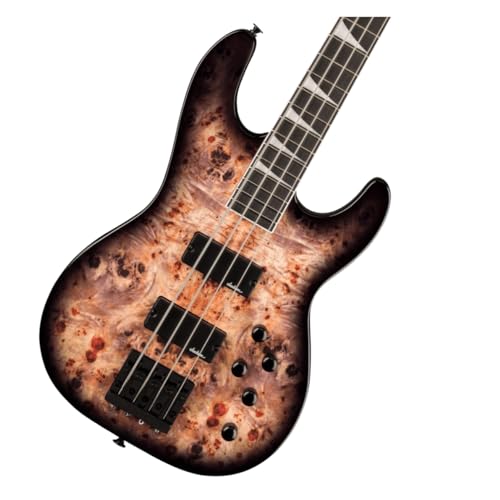
Jackson JS3P Concert Bass
The Jackson JS3P Concert Bass should suit budget conscious players who want a visually interesting four string with dual humbucking pickups and can accept some missing hardware.
Read the Jackson JS3P Concert Bass review →
Epiphone Thunderbird E1
Players who want the classic Thunderbird look and a straightforward passive humbucker voice in a lower midrange four string.
Read the Epiphone Thunderbird E1 review →
Gretsch Streamliner Jet Club Bass
Players seeking a short scale single cut bass with vintage Gretsch style and straightforward passive controls at a lower mid-range price.
Read the Gretsch Streamliner Jet Club Bass review →Questions Buyers Ask
Gretsch Electromatic CVT Bass
See the current listing, price and included accessories.
About This Review
Mandrillis Team
The Mandrillis editorial team researches and compares audio and music gear using manufacturer documentation, verified specs and real buyer feedback, so you can make a confident purchase without wading through marketing claims.
Read our full research methodology.