Guitar & Bass Review
Hartke HMHD500 Bass Review: Lightweight 500W 2x10 Combo
The Hartke HMHD500 Bass is a class D 2x10 combo that pairs 500 watts with a claimed 35 lb weight. The listing highlights dual 10-inch HyDrive hybrid cone drivers and a 3-band EQ. This review examines what the published specifications imply for tone, portability and practical use.
Our Verdict
Research Score 72/100The Hartke HMHD500 Bass presents a compelling mid-range option for bassists who value power and portability over digital extras. The published listing confirms a 500-watt class D amplifier, two 10-inch HyDrive paper and aluminum hybrid drivers, and a simple 3-band EQ. At a claimed 35 lb, it is lighter than many traditional 2x10 bass combos. However the listing leaves out critical details about inputs, outputs, headphone support and app connectivity. Buyers who need onboard effects or detailed I/O documentation may need to look elsewhere. For straightforward practice and small venue use where plugging in and shaping three bands is enough, this amp appears to be a strong value in its tier.
Editorial research score based on published specifications and documented features, not a customer rating or lab test.

Hartke
Hartke HMHD500 Bass
Best for: Bass players needing a portable 500-watt 2x10 combo with simple EQ at a mid-range price.
Skip it if: You want built-in effects, app control, or detailed connectivity documentation before buying.
Check Price on AmazonWe may earn a commission at no extra cost to you.
Listing verified: October 2026
Who Should Buy It
Buy it if
- Bassists who prioritize power and low weight over digital features
- Practice and small gig players who want a straightforward 2x10 combo
- Hartke fans who like the HyDrive driver sound
- Players who want a class D bass amp without a modeling interface
Skip it if
- You rely on onboard effects or amp modeling
- You need precise input and output specs before purchase
- You prefer a graphic or parametric EQ section
Key Specifications
| Power output | 500 watts |
| Speaker | Two 10-inch HyDrive paper/aluminum hybrid cone drivers |
| Amp models or channels | Not published in listing |
| Effects | Not published in listing |
| Inputs and outputs | Not published in listing |
| Headphone and line out | Not published in listing |
| Bluetooth and app | Not published in listing |
| Weight | 35 lb |
| Dimensions | Not published in listing |
| Included accessories | Not published in listing |
Overview
The Hartke HMHD500 Bass is a bass combo amplifier built around a class D power section. The product listing highlights 500 watts of output and a pair of 10-inch HyDrive hybrid cone drivers. This combination targets bass players who want a portable yet powerful rig for practice, rehearsal or small stage use. The amp is listed in the mid-range price tier, which positions it as a serious step up from entry-level practice combos without the weight and cost of a traditional tube bass head and cabinet.
Hartke has long been associated with aluminum cone bass speakers, and the HyDrive design described here uses a paper and aluminum hybrid cone. The listing does not publish details about preamp voicing, onboard compression, headphone output or direct output connectivity. That means some evaluation must rely on the published specifications and general knowledge of bass combo design rather than in-person testing.
Amp Models and Tone
Unlike many modern practice and modeling amplifiers, the Hartke HMHD500 Bass does not advertise amp models or digital channel simulations. The listing focuses on a straightforward 3-band EQ with bass, mid and treble controls. This suggests the amp is intended for players who want to set a fundamental tone quickly rather than scroll through presets.
The dual 10-inch HyDrive drivers are the core of the sonic identity. The hybrid paper and aluminum cone construction is designed to blend warmth with articulate high-frequency detail. Based on the published driver type, the amp should produce a tight low end with enough upper-mid presence to cut through in a band mix. However the listing does not include frequency response, crossover details or sensitivity figures.
The 3-band EQ is likely to be the primary tone-shaping tool. Bass, mid and treble controls can address common room issues and help the player find a workable sound. Without a published mid-frequency spec or sweepable mid control, the midrange adjustment may be broad rather than surgical. Buyers who need parametric control or graphic EQ will find the HMHD500 limited on paper.
Effects and Features
The listing does not mention any onboard effects. There is no chorus, compressor, overdrive, octave or tuner described in the feature bullets. This makes the HMHD500 distinct from many modeling bass combos in the same price range that include a suite of effects and amp models.
The feature set appears to be intentionally minimal. A class D power section, two 10-inch speakers, and a 3-band EQ are the advertised core. This can be a benefit for players who prefer a clean platform for pedals or external preamps. It also means the amplifier does not add digital complexity to the signal chain.
Because no effects loop is mentioned, buyers who rely on time-based effects may need to place pedals before the input. The listing does not publish whether an effects loop, line out or direct output is included. That omission is a notable gap for a 500-watt combo that could otherwise serve as a stage backline.
Power, Speaker and Volume
The power rating of 500 watts is the headline specification. In a class D design, this much output is usually sufficient for small to medium venues, especially with a pair of 10-inch drivers pushing air. The listing does not specify whether the 500 watts is RMS, peak or measured at a particular impedance, so direct comparisons to other brands should be made with caution.
The dual 10-inch HyDrive drivers give the amp a compact footprint compared to a 15-inch combo. Two 10s can offer faster transient response and a more focused low end than a single larger speaker. The hybrid paper and aluminum cone design is meant to handle the demands of bass frequencies while retaining clarity.
- 500 watts of published class D power
- Two 10-inch HyDrive paper and aluminum hybrid cone drivers
- Claimed weight of 35 lb
- Straightforward 3-band EQ for bass, mid and treble
- No published maximum SPL or cabinet tuning details
Build and Portability
At a claimed 35 lb, the HMHD500 is light for a 2x10 bass combo with 500 watts. Traditional 2x10 bass combos often weigh 50 to 70 lb due to heavy magnets and wood cabinets. The class D amplifier section reduces transformer weight and heat, which allows a lighter overall package.
The listing does not publish cabinet dimensions, materials or grille cloth details. Without dimensions, it is hard to judge how easily the amp fits in a car trunk or tight rehearsal space. The company does describe the amp as lightweight, and the 35 lb figure supports that claim.
Portability is a strong selling point. Bassists who use public transport or need to carry gear up stairs will appreciate the reduced weight. The use of two 10-inch drivers instead of a single 15 also keeps the cabinet size manageable. Still, the lack of published dimensions is a practical gap for buyers planning a specific storage space.
Connectivity and Apps
The listing does not publish any connectivity details for the Hartke HMHD500 Bass. There is no mention of a headphone jack, auxiliary input, USB audio, DI output, effects loop or footswitch input. This is a significant omission in a modern amplifier review context where practice tools and recording features are common.
No Bluetooth or app support is advertised. Many competitors in the mid-range practice and modeling space include wireless audio streaming, app-based editing, or preset management. The HMHD500 appears to avoid those features entirely, which may suit purists but limit its utility as a silent practice or recording tool.
For a 500-watt stage amp, a direct output is often expected for sending a signal to front-of-house. The listing does not confirm one exists. Buyers who need to connect to a PA system without miking the cabinet should seek additional documentation or inspect a unit before purchase. The absence of published connectivity prevents a higher score in this category.
Setup and Daily Use
Setting up the Hartke HMHD500 Bass should be straightforward based on the published feature set. The control panel is not fully described, but a 3-band EQ implies a simple layout with gain, bass, mid, treble and master volume at minimum. No deep menus or digital screens are mentioned.
Daily use for practice or rehearsal likely involves plugging in a bass, setting the EQ to taste and adjusting volume. The class D design should run cooler than traditional solid-state or tube amps, but the listing does not specify cooling or fan noise. The 35 lb weight makes it easier to move from room to room compared to heavier combos.
Without published input and output specs, some daily use scenarios remain unclear. For example, silent practice with headphones may or may not be possible. Recording via USB or line out cannot be assumed. Players who need those conveniences will need to verify with the manufacturer or retailer for this specific model.
Home Practice Versus Stage
At 500 watts, the HMHD500 may be more power than many home practice environments require. However the master volume should allow low-volume playing. The dual 10-inch drivers can produce a full bass tone at modest levels, which is useful for apartment practice without losing low end clarity.
For stage use, the amp appears capable of holding its own in small to medium venues. The class D power section and two 10-inch speakers should provide enough projection for onstage monitoring or small club gigs without PA support. The mid-range price makes it an accessible option for weekend warriors.
The listing does not publish maximum SPL or cab tuning, so stage volume expectations are speculative. Players who regularly gig larger rooms will likely need a PA or extension cabinet. The absence of a published line out or DI also complicates direct connection to a house system.
Who Should Buy It
The Hartke HMHD500 Bass is best suited to bass players who value power and portability over a long list of digital features. It appeals to those who already have a pedalboard or prefer to shape tone with the amp's simple EQ. The hybrid driver design may attract players familiar with Hartke's characteristic voice.
Weekend warriors and rehearsal room regulars who want a lightweight 2x10 combo without spending premium money should consider this model. It is not aimed at beginners who need headphone practice and app-based lessons, nor at players who want an all-in-one modeling solution.
The mid-range price tier makes it a practical purchase for a working bassist who needs a reliable backline that is easy to transport. However the lack of published connectivity and effects means the buyer must accept some unknowns. If those details are confirmed elsewhere, the amp's core promise of 500 watts and light weight is compelling.
Verdict
The Hartke HMHD500 Bass delivers a focused value proposition: 500 watts of class D power, dual 10-inch HyDrive hybrid drivers, and a manageable 35 lb weight. The mid-range price positions it as a serious stage-capable combo without the heft of traditional bass rigs. The 3-band EQ keeps tone shaping uncomplicated.
The main drawback is the lack of published connectivity and feature details. No effects, Bluetooth, app support, headphone output or direct output are mentioned in the listing. This makes it difficult to recommend unconditionally for silent practice, recording, or direct-to-PA use without further verification.
For the right player, the HMHD500 could be a straightforward and powerful bass combo. Buyers who prioritize raw output and portability over digital extras will find little to complain about. Those who need modern practice and recording conveniences should look at modeling combos with documented I/O. Overall, the published specifications suggest a solid mid-range amplifier for traditional bass tones.
Strengths and Limitations
Strengths
- Class D design keeps weight to 35 lb while delivering 500 watts
- Dual 10-inch HyDrive hybrid cone drivers offer a focused bass response
- Straightforward 3-band EQ covers fundamental tone shaping
- Mid-range price for a high-output 2x10 bass combo
- Simple control layout suits players who want immediate adjustment
Limitations
- Listing does not publish input and output details
- No effects or onboard amp models described
- No Bluetooth or app support mentioned
- Limited EQ section compared to graphic or parametric options
How We Scored It
Scores reflect published specifications, documented features and value against the alternatives below. They are editorial research scores, not laboratory measurements.
Alternatives to Consider
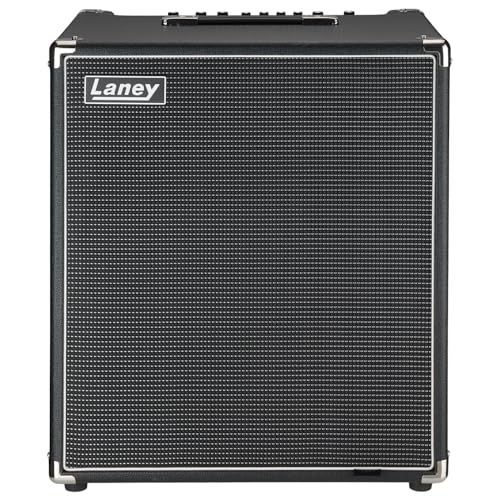
Laney Digbeth Foundry Bass Combo
Bassists needing a simple 200 watt 15 inch combo for rehearsals and club gigs without deep menu editing.
Read the Laney Digbeth Foundry Bass Combo review →
Roland JC-40 Jazz Chorus
Players who want a pedal-friendly stereo clean amp for practice, recording, and smaller gigs.
Read the Roland JC-40 Jazz Chorus review →
Hartke HMKB15
Bass players who want a powerful, lightweight 1x15 combo with a kickback monitor design and do not need built-in effects or app control.
Read the Hartke HMKB15 review →Questions Buyers Ask
Hartke HMHD500 Bass
See the current listing, price and included accessories.
About This Review
Mandrillis Team
The Mandrillis editorial team researches and compares audio and music gear using manufacturer documentation, verified specs and real buyer feedback, so you can make a confident purchase without wading through marketing claims.
Read our full research methodology.