Guitar & Bass Review
Laney Digbeth Foundry Bass Head Review: Portable 200 Watt Workhorse
The Laney Digbeth Foundry Bass Head offers 200 watts in a 4.1 kg package with a tube style drive switch and four adjustable mid presets. The listing leaves many connectivity and cab details unpublished, so this review separates confirmed facts from open questions for gigging bass players.
Our Verdict
Research Score 72/100The Laney Digbeth Foundry Bass Head is an interesting lower mid-range option for gigging bassists who need 200 watts in a lightweight package. The confirmed specs are appealing: 4.1 kg, tube style drive, and four mid presets. The lack of a built in speaker is expected for a head, but the omission of connectivity details from the listing makes a full evaluation difficult. This review cannot confirm key features like DI output, headphone jack, effects loop, or Bluetooth. Those open questions hold back a higher score. Players who need those features should research further or consider other options. For those who just need a simple, portable head to drive a cabinet, the Laney Digbeth Foundry Bass Head appears to cover the basics. On balance, the Laney Digbeth Foundry Bass Head earns a score of 72 out of 100. The tone and power outlook are positive, but the feature and connectivity unknowns prevent a stronger recommendation. It is a viable candidate for a no nonsense medium gig bass head, provided the missing specifications match your requirements.
Editorial research score based on published specifications and documented features, not a customer rating or lab test.

Laney
Laney Digbeth Foundry Bass Head
Best for: Bass players who need a lightweight 200 watt head for medium gigs and already own a cabinet.
Skip it if: You need built-in practice features, a speaker, or clearly published connectivity options.
Check Price on AmazonWe may earn a commission at no extra cost to you.
Listing verified: October 2026
Who Should Buy It
Buy it if
- Bassists building a portable medium gig rig
- Players who want a simple head with a tube-style drive flavor
- Musicians who already own a bass cabinet
- Budget-conscious buyers needing more than practice amp volume
Skip it if
- You want a combo amp with built-in speaker
- You need headphone practice, app control, or Bluetooth
- You prefer extensive onboard effects and amp modeling
Key Specifications
| Power output | 200 watts |
| Speaker | Not published in listing (amplifier head only) |
| Amp models or channels | Not published in listing |
| Effects | Tube-style drive switch |
| Inputs and outputs | Not published in listing |
| Headphone and line out | Not published in listing |
| Bluetooth and app | Not published in listing |
| Weight | 4.1 kg |
| Dimensions | Not published in listing |
| Included accessories | Not published in listing |
Overview
The Laney Digbeth Foundry Bass Head is a 200 watt bass amplifier head aimed at medium sized venues and louder band scenarios. The product listing does not include a speaker cabinet, so this is a head only, not a combo. At a lower mid-range price tier, the head competes on portability and a simple feature set rather than deep digital modeling. The listing emphasizes a 4.1 kg weight and a tube style drive switch.
Because many specifications are not published, this review separates confirmed facts from open questions. The listing confirms 200 watts of output, four adjustable mid presets, and the tube style drive switch. It does not confirm dimensions, input and output details, headphone or line out, Bluetooth or app support, or included accessories. Buyers who need those details should verify them before purchasing.
On paper, the Laney Digbeth Foundry Bass Head looks like a straightforward analog style bass head for players who already own a cabinet. It is not a desktop practice amp or a full modeling unit. The lower mid-range price and lightweight build are the main attractors for gigging bassists who want a simple, portable foundation.
Amp Models and Tone
Laney does not describe multiple amp models or channels on the Laney Digbeth Foundry Bass Head. Instead, it points to a tube style drive switch that adds warmth and grit for dynamic playing. This suggests the head is designed around a single core bass voice that can be pushed from cleaner to more aggressive textures. The exact character of that voice is not detailed in the published specification.
Four adjustable mid presets are included, which gives bassists some control over midrange emphasis. Midrange shaping is important for bass cutting through a live mix, and having four presets suggests a faster workflow than a fully parametric EQ. However, the listing does not describe the frequency centers or the amount of cut or boost each preset applies. Bass players who want a full graphic or parametric EQ may find this limited.
Compared with modeling amps that offer dozens of amp models, the Laney Digbeth Foundry Bass Head is more focused. The tube style drive is likely an analog circuit rather than a digital model, but the listing does not confirm the circuit type. On paper, this head should appeal to players who want a responsive, simple tone with a drive option rather than a deep menu of simulations.
Effects and Features
The confirmed onboard effects list is short. The listing highlights a tube style drive switch for adding warmth and grit. This is the only drive or saturation feature mentioned. There is no published information about compression, chorus, reverb, delay, octave, or other common bass effects. Players who rely on built in modulation or time based effects will need external pedals.
The four adjustable mid presets are a tone shaping feature rather than a traditional effect. They allow quick midrange changes, which can function like a simple set of EQ voicings. The listing does not state whether these presets are selectable via a rotary switch, buttons, or another control. The exact behavior remains one of the open questions in the published specification.
Overall, the Laney Digbeth Foundry Bass Head appears to prioritize core bass amplification over a wide effects suite. That focus can be a strength for players who want to keep a pedalboard or who prefer a less cluttered front panel. It is not a substitute for a multi effects unit or a modeling amp with dozens of built in sounds.
Power, Speaker and Volume
The confirmed power output is 200 watts. Laney positions this head as ideal for medium sized venues and louder band scenarios. In a typical bass rig, 200 watts can provide enough clean headroom for many live settings when paired with an efficient cabinet. The exact impedance and minimum load are not published, so matching the head to a suitable cabinet requires checking the manufacturer documentation or dealer information.
There is no speaker built into the Laney Digbeth Foundry Bass Head. This means the head must be connected to an external bass cabinet. The listing does not recommend a specific cabinet pairing or state the expected ohm load. Bass players new to separate heads and cabs need to understand that the amp will not make sound by itself.
For volume expectations, 200 watts is a significant step up from small practice combos. The head should be able to compete with a loud drummer and full band in many medium rooms. The final perceived volume depends heavily on the cabinet sensitivity and speaker configuration, which are not part of this product listing.
- 200 watt output section for medium venues
- No built in speaker, requires external bass cabinet
- 4.1 kg weight improves load in and setup
- Matching cabinet impedance is important and not listed
- Tube style drive adds saturation at any volume level
Build and Portability
The Laney Digbeth Foundry Bass Head weighs 4.1 kg, which is quite light for a 200 watt bass head. The listing emphasizes this as a lightweight and portable design. This is a strong point for gigging musicians who carry gear to rehearsals and shows. Many bass heads with similar output can weigh considerably more, so the 4.1 kg figure is notable.
The published specification does not provide dimensions for the head. Without height, width, and depth, it is hard to know how easily the amp will fit into a gear bag, rack, or car. The build material and chassis type are also not published. The emphasis on light weight suggests a compact approach, but the exact footprint remains unconfirmed.
Portability extends beyond weight. The missing details about handle placement, rubber feet, and rack ears are not stated. Players who tour or load in frequently will want to confirm these practical details. On paper, the low weight is a clear benefit, but the full portability picture is incomplete based on the listing alone.
Connectivity and Apps
No digital connectivity features appear in the listing for the Laney Digbeth Foundry Bass Head. There is no published information about Bluetooth, app control, USB audio, or firmware updates. This suggests the head is a traditional analog style amplifier rather than a smart practice device. Players who want wireless editing or deep software control may find this head under equipped.
There is also no mention of a headphone output or a line out. This is a significant omission for home practice or silent stage use. A direct output for front of house is common on modern bass heads, but the listing does not confirm one. The absence of confirmed DI, effects loop, aux input, and headphone out means connectivity is a major open question.
The lack of published connectivity details does not necessarily mean those features are absent. It simply means the listing does not state them. Bassists who need a DI for live sound or a headphone jack for late night practice should verify the exact rear panel before buying. This review cannot confirm any connectivity beyond what is in the published specification.
Setup and Daily Use
Setting up the Laney Digbeth Foundry Bass Head requires an external bass cabinet and a speaker cable. The listing does not include a speaker cable or cabinet in the box. Bass players should use a proper speaker cable, not an instrument cable, between the head and cabinet. The exact output connection type is not published, so checking the physical rear panel is important.
Day to day use likely revolves around a simple front panel with the mid presets and drive switch. The listing does not describe the control layout in detail, but the confirmed features suggest a no nonsense approach. This can make the head quick to dial in for gigs. There is no published information about a tuner, mute switch, or input pad, which are common conveniences on bass heads.
For players who prefer simplicity, the limited control set may be a positive. Without layers of menus or app settings, adjustments are likely immediate. However, the open questions about rear panel connections and available outputs mean the full daily workflow is not fully described by the listing.
Home Practice Versus Stage
As a 200 watt head, the Laney Digbeth Foundry Bass Head is more stage oriented than home practice oriented. It will not produce sound without an external cabinet, so a quiet bedroom practice session requires either a cabinet or an unconfirmed headphone output. Many home practice amps include built in speakers, aux inputs, and headphone jacks, but this listing does not state those features.
On stage, the head should fit medium sized venues well. The 200 watt output and tube style drive offer enough power and tonal flexibility for live bass. The 4.1 kg weight is a real advantage for load in and load out. Bassists using in ear monitors or a silent stage will need a direct output, which is not confirmed in the listing.
Compared with practice combos like small Fender Rumble or Ampeg BA series units, this head is more about raw amplification than bundled convenience. Compared with larger touring heads, it may lack some pro connectivity. The Laney Digbeth Foundry Bass Head sits in a practical middle zone for players who need more than a practice amp but do not need a flagship touring model.
Who Should Buy It
The Laney Digbeth Foundry Bass Head should appeal to bass players who already own a cabinet and want a lightweight, affordable head for medium gigs. The 200 watt output and 4.1 kg weight form a strong value proposition for working musicians. Players who like a simple front panel with a drive switch and mid presets will likely feel at home.
This head is also a good fit for those stepping up from a small combo to a separate head and cabinet rig without spending a lot. The lower mid-range price tier keeps the entry point reasonable. Musicians who use external pedals for effects will not miss a large built in effects suite.
Bass players who prioritize portability and straightforward operation over digital features will find the most to like. The tube style drive adds a useful flavor without requiring a tube amp. However, because many connectivity details are unpublished, buyers should verify the rear panel matches their live sound and practice needs.
Verdict
The Laney Digbeth Foundry Bass Head is an interesting lower mid-range option for gigging bassists who need 200 watts in a lightweight package. The confirmed specs are appealing: 4.1 kg, tube style drive, and four mid presets. The lack of a built in speaker is expected for a head, but the omission of connectivity details from the listing makes a full evaluation difficult.
This review cannot confirm key features like DI output, headphone jack, effects loop, or Bluetooth. Those open questions hold back a higher score. Players who need those features should research further or consider other options. For those who just need a simple, portable head to drive a cabinet, the Laney Digbeth Foundry Bass Head appears to cover the basics.
On balance, the Laney Digbeth Foundry Bass Head earns a score of 72 out of 100. The tone and power outlook are positive, but the feature and connectivity unknowns prevent a stronger recommendation. It is a viable candidate for a no nonsense medium gig bass head, provided the missing specifications match your requirements.
Strengths and Limitations
Strengths
- 200 watts suits medium venues and louder rehearsals
- Lightweight 4.1 kg design improves portability
- Tube-style drive switch adds warmth and grit on demand
- Four adjustable mid presets allow midrange shaping
- Lower mid-range price tier for a gig-capable head
Limitations
- Listing omits connectivity details like DI, headphone, aux, Bluetooth
- No built-in speaker, requires external bass cabinet
- Effects are limited to drive switch, no modulation or compression listed
- Dimensions and included accessories are not published
How We Scored It
Scores reflect published specifications, documented features and value against the alternatives below. They are editorial research scores, not laboratory measurements.
Alternatives to Consider
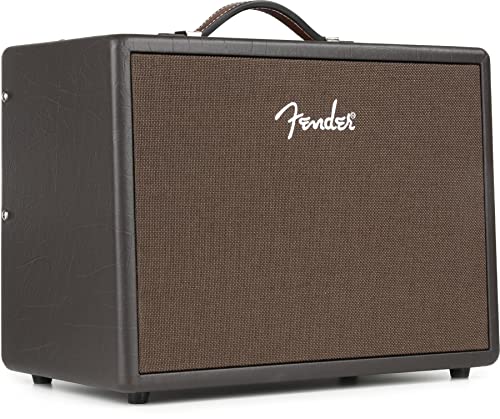
Fender Acoustic Junior
Acoustic guitarists who want a compact practice amp with a built-in looper and Bluetooth streaming without needing to know exact power specifications.
Read the Fender Acoustic Junior review →
Bugera BXD15A
Bass players who need high output and a large speaker for live performance or rehearsal without a modeling interface.
Read the Bugera BXD15A review →
Laney IRF Dual Top
Guitar players who already own a speaker cabinet and want an affordable head with reverb, an FX loop, and speaker emulation for recording or small gigs.
Read the Laney IRF Dual Top review →Questions Buyers Ask
Laney Digbeth Foundry Bass Head
See the current listing, price and included accessories.
About This Review
Mandrillis Team
The Mandrillis editorial team researches and compares audio and music gear using manufacturer documentation, verified specs and real buyer feedback, so you can make a confident purchase without wading through marketing claims.
Read our full research methodology.