Guitar & Bass Review
Marshall 1960AHW Review: Incomplete Bass Listing
The Marshall 1960AHW Handwired Angled Guitar Speaker listing presents a mismatch between a speaker cabinet name, a bass guitar category, and amplifier feature bullets. No bass specific specifications are published, so playability, tone, and hardware cannot be assessed. The lower mid range price tier is the only clear detail.
Our Verdict
Research Score 60/100The Marshall 1960AHW Handwired Angled Guitar Speaker listing does not provide enough bass specific information to support a confident purchase. The name suggests a speaker cabinet, the category says bass guitar, and the feature details describe an MG30GFX amplifier. No body wood, neck profile, scale length, pickups, bridge, tuners, or control layout are published. Because these omissions make playability, tone, and build quality impossible to judge, the lower mid range price tier is not enough to recommend the listing. Buyers should ask the seller for the actual item specifications before considering this product. On the published data alone, it is an incomplete and confusing option.
Editorial research score based on published specifications and documented features, not a customer rating or lab test.

Marshall
Marshall 1960AHW Handwired Angled Guitar Speaker
Best for: A buyer who is willing to verify the actual item with the seller because the listing lacks bass guitar specifics.
Skip it if: You want a straightforward bass guitar listing with published body, neck, pickup, and hardware details.
Check Price on AmazonWe may earn a commission at no extra cost to you.
Listing verified: October 2026
Who Should Buy It
Buy it if
- A buyer who already knows the exact item from the seller.
- A researcher comparing incomplete listings.
- A budget conscious buyer willing to ask direct questions.
- A Marshall fan who can verify the product before purchase.
Skip it if
- You need a ready to play bass with clear specs.
- You want a specific scale length or pickup type.
- You prefer a complete product page before buying.
Key Specifications
| Body | Not published in listing |
| Neck and fingerboard | Not published in listing |
| Scale length | Not published in listing |
| Strings | Not published in listing |
| Pickups | Not published in listing |
| Controls | Not published in listing |
| Bridge | Not published in listing |
| Tuners | Not published in listing |
| Finish | Not published in listing |
| Included accessories | Not published in listing |
Overview
The product listing for the Marshall 1960AHW Handwired Angled Guitar Speaker is inconsistent. The preferred name points to a speaker cabinet, the product type is listed as a bass guitar, and the feature bullets describe a Marshall MG30GFX amplifier. This review uses only the published listing data and does not invent specifications. The listed price tier is lower mid range, which tells buyers the intended market position without giving any bass guitar details.
Because no bass guitar specifications appear in the listing, the usual points of comparison such as body wood, neck profile, scale length, and pickup type cannot be confirmed. The Marshall brand is well known in music gear, especially for amplifiers, but that reputation does not clarify what this product is. Buyers should approach this page as a research listing rather than a complete instrument description.
The mismatch between the name, category, and feature details is important. A buyer looking for a bass guitar may see the lower mid range price and the Marshall logo, but the actual item could be something else. The listing does not state whether the product is a bass, an amplifier, or a speaker cabinet. This uncertainty affects every other section of the review.
Body, Neck and Playability
The listing does not state the body material, body shape, or weight of the product. There is no published information about whether the body is solid, semi hollow, or chambered. Without this data, a buyer cannot estimate the instrument's acoustic properties or overall comfort. The listing also omits any mention of body contours or balance points.
No scale length, nut width, fret count, or fingerboard radius appears in the product listing. The neck profile, fret size, and finish texture are also absent. These details are critical for playability, especially for bass players who prefer a particular neck feel. On paper, the instrument cannot be assessed for fast playing, chording, or long session comfort.
The absence of body and neck data means the review cannot compare this product to common entry level basses. A Squier Affinity Precision Bass or an Ibanez GSR200 has published specifications that help buyers understand fit. This listing offers none of that, so playability remains unknown. Buyers who prioritize neck shape and body carve should request these details before purchase.
Pickups and Tone
The listing does not include any pickup type, brand, configuration, or output level for a bass guitar. No single coil, split coil, humbucking, or active electronics are mentioned. Without knowing the pickup design, tone cannot be evaluated beyond a general guess. The listing mentions digital effects and channels, but those details belong to an amplifier, not a bass guitar.
There is no information about tonewood, string type, or onboard preamp. The sound of a bass guitar depends heavily on these features, and their absence is a significant limitation. A buyer cannot tell whether the bass would have a bright fingerstyle tone, a deep reggae sound, or a punchy rock midrange. The published data simply does not support a tone assessment.
Reference models often help buyers understand pickup character. For example, a Fender Player Jazz Bass has two single coils, while a Sterling by Music Man StingRay Ray4 uses a humbucker. This listing gives no equivalent detail, so no meaningful comparison can be made. Tone remains the largest unknown for any buyer considering this product.
Hardware and Electronics
The listing does not describe the bridge, tuners, control knobs, output jack, or strap buttons. There is no mention of hardware material, finish, or brand. The only electronic details in the listing relate to an amplifier, such as four channels, digital effects, a headphone output, and an aux input. These amplifier features cannot be used to assess bass guitar hardware.
Because the listing lacks bass specific hardware information, buyers cannot judge durability, tuning stability, or upgrade potential. A bass with a high mass bridge and quality tuners will perform differently from one with basic parts. No such distinction can be made here. The absence of any control layout also means the electronics, if any, are unknown.
The published amplifier details are a distraction, not a substitute. If the product is actually a bass guitar, those channels and effects do not apply. If the product is an amplifier, the bass guitar hardware section is irrelevant. The listing does not resolve this confusion. Buyers should ask the seller for the actual hardware list.
- No bridge type or saddle material published
- No tuner brand or gear ratio published
- No control layout or active preamp published
- No output jack or strap button info published
Build Quality and Finish
Build quality cannot be verified from the listing because no materials, construction method, or country of origin are stated. The listing does not mention a finish type, color, binding, or pickguard. Buyers cannot tell whether the finish is gloss, satin, or open pore. These details affect both appearance and long term durability.
Marshall has a strong reputation for amplifier construction, but that reputation does not automatically transfer to a bass guitar or speaker cabinet listed under this name. The mismatch between the preferred name, category, and feature bullets makes it impossible to judge the actual build quality of the item that would ship. A well known brand does not replace missing specifications.
Without published build details, buyers cannot assess whether the product would hold up under regular use. Common concerns such as neck pocket stability, fret sprout, and finish cracking are all unknown. The listing provides no information to reassure a buyer about construction quality. This is a major gap for anyone shopping in the lower mid range tier.
Setup Out of the Box
No setup specifications are published in the listing. There is no string gauge, action measurement, neck relief setting, or intonation note. The listing does not state whether the product is set up at the factory or requires professional adjustment. For a bass guitar, a proper setup is important for comfortable playability.
Buyers who expect a ready to play instrument from the box will need more information. On paper, the absence of setup details suggests the item may be sold as a general music product rather than a fully prepared bass guitar. It is reasonable to budget for a professional setup if the item is actually a bass guitar.
The listing also does not mention included accessories such as a case, cable, strap, or tools. Without those details, a buyer cannot know if the package is complete. The product page is silent on all setup and accessory information, which adds to the overall uncertainty. A complete listing would normally state at least the string gauge and factory action.
Daily Use and Practice
Daily use impressions cannot be drawn from the listing because there is no weight, balance, or ergonomic information. The listing does not mention comfort contours, neck dive, or playing position. Without these details, a buyer cannot know whether the instrument would be comfortable for long practice sessions or standing gigs.
The amplifier features listed in the product data include a headphone output and aux input, which are useful for silent practice if the buyer is actually receiving the amplifier rather than the named speaker cabinet. This further complicates the evaluation. If the item is a bass guitar, none of those practice conveniences apply.
For home practice, a bass player often wants a simple plug and play experience. The listing does not state whether the product requires additional equipment, such as an amplifier or audio interface. This lack of clarity makes daily use hard to plan. Buyers should confirm exactly what is included before assuming the product will work for their practice routine.
Versatility and Styles
Versatility depends on pickups, electronics, and construction, none of which are published. The listing does not specify whether the bass would suit rock, jazz, funk, metal, or other styles. Without pickup and preamp details, tonal flexibility is completely unknown. A buyer cannot choose this product based on a preferred genre.
The amplifier feature bullets mention clean, crunch, and overdrive channels, but those are not relevant to a bass guitar's versatility. If the listing were accurate for a bass, a buyer would need to know about active EQ, coil tapping, or pickup blending to judge style range. No such information is provided.
For a budget conscious bassist, versatility often means a simple passive bass with a single split coil and a tone knob. This listing cannot confirm even that basic setup. The complete absence of pickup and control data means no style recommendation can be made. Buyers who need a flexible instrument should look for a listing with clear electronic specifications.
Who Should Buy It
This listing may suit a buyer who is willing to research the exact item before purchase or who already knows what the seller is offering. The lower mid range price tier and Marshall name may attract budget conscious players. However, the lack of bass specifications makes it a poor fit for first time buyers who need clear guidance.
Experienced buyers who can ask the seller for missing details may be able to determine whether the item is a bass, an amplifier, or a speaker cabinet. No one should buy based on the published specs alone. The listing is best treated as a starting point for direct questions rather than a complete product description.
A collector or Marshall enthusiast might find the name interesting, but the product type says bass guitar, and the features describe an amplifier. This confusion may lead to a wasted purchase. Buyers who enjoy sorting out listing errors may be comfortable with the risk, but they should expect to spend time clarifying.
Verdict
The Marshall 1960AHW Handwired Angled Guitar Speaker listing is too incomplete to recommend as a bass guitar purchase on its own. The product name describes a speaker cabinet, the category says bass guitar, and the feature bullets describe an MG30GFX amplifier. This makes the published data unreliable for evaluating a bass guitar.
Because no bass specific specifications are provided, this review cannot confirm playability, tone, build, or hardware quality. The lower mid range price tier is the only clear value signal, but even that is uncertain given the product mismatch. Buyers should request clarification from the seller before considering this listing.
On paper, the listing raises more questions than it answers. The Marshall name carries weight in music gear, but a name is not enough to justify a purchase without facts. This product, as listed, does not meet the standard for a clear bass guitar review. It is best avoided until the seller provides accurate specifications.
Strengths and Limitations
Strengths
- Marshall brand recognition in music gear.
- Lower mid range price tier.
- Listing includes feature details for an amplifier.
- May attract budget conscious buyers who research.
- No hidden specification claims because most details are absent.
Limitations
- No bass specific specifications published.
- Product name, category, and features appear mismatched.
- Cannot assess playability, tone, or build from listing.
- No included accessories or setup details provided.
How We Scored It
Scores reflect published specifications, documented features and value against the alternatives below. They are editorial research scores, not laboratory measurements.
Alternatives to Consider

Boss MD 200 Modulation Pedal Secondhand
A bass or guitar player who wants a compact, programmable modulation pedal with flexible routing and preset storage in the lower mid-range tier.
Read the Boss MD 200 Modulation Pedal Secondhand review →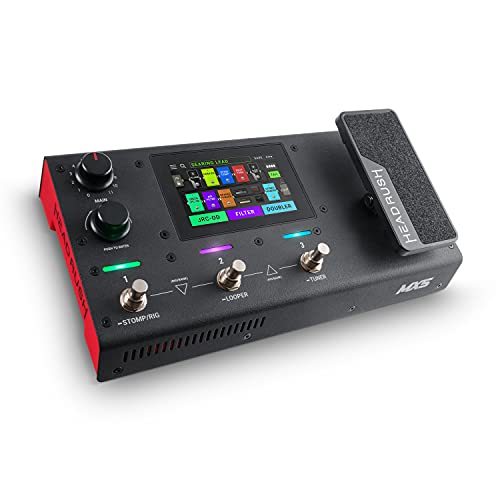
HeadRush MX5 Multi Effects Processor Nearly
Players who want a lower mid-range compact modeling and multi effects processor with touchscreen editing, amp models, cabinets, effects, looper and audio interface.
Read the HeadRush MX5 Multi Effects Processor Nearly review →
Marshall SC20C Studio Classic JCM800 Combo
A buyer who is comfortable with a low cost JCM800 voiced device and an unclear product listing.
Read the Marshall SC20C Studio Classic JCM800 Combo review →Questions Buyers Ask
Marshall 1960AHW Handwired Angled Guitar Speaker
See the current listing, price and included accessories.
About This Review
Mandrillis Team
The Mandrillis editorial team researches and compares audio and music gear using manufacturer documentation, verified specs and real buyer feedback, so you can make a confident purchase without wading through marketing claims.
Read our full research methodology.