Guitar & Bass Review
Martin D-18 Satin Review: Vintage Sunburst Powerhouse
The Martin D-18 Satin pairs a solid spruce top and solid mahogany back and sides in a premium Standard Series dreadnought. The 1935 Sunburst finish and GE Modified Low Oval neck add vintage appeal and modern comfort with bold projection.
Our Verdict
Research Score 88/100The Martin D-18 Satin is a premium all solid dreadnought with a solid spruce top, solid mahogany back and sides, and a vintage 1935 Sunburst finish. Its GE Modified Low Oval neck and 25.4 inch scale length deliver modern playability with traditional Martin character. The published specs imply a focused, articulate, and powerful acoustic voice suited to many styles. Hardware and electronics details are absent, and the nut width is not listed, so buyers should verify those before purchase. Overall, the guitar earns strong marks for tone, build, and versatility, while the unknown hardware and premium price slightly limit its value score.
Editorial research score based on published specifications and documented features, not a customer rating or lab test.

Martin
Martin D-18 Satin
Best for: Players who want a premium all solid American dreadnought with a vintage sunburst finish and traditional Martin tone.
Skip it if: You need built in electronics, prefer a compact body, or require published hardware specs before buying.
Check Price on AmazonWe may earn a commission at no extra cost to you.
Listing verified: October 2026
Who Should Buy It
Buy it if
- Intermediate to advanced flatpickers and strummers
- Singer songwriters who want a full size acoustic voice
- Players drawn to vintage sunburst aesthetics
- Those seeking an all solid Standard Series Martin
Skip it if
- Players who need onboard amplification
- Those who prefer smaller guitars like parlor or travel models
- Buyers who require exact nut width and hardware specs
Key Specifications
| Body shape | Dreadnought |
| Top | Solid spruce |
| Back and sides | Solid mahogany |
| Neck and fingerboard | GE Modified Low Oval profile, high-performance taper, thinner fingerboard with beveled edges; wood not published in listing |
| Scale length | 25.4 inches |
| Nut width | Not published in listing |
| Electronics | Not published in listing |
| Tuners | Not published in listing |
| Finish | Satin with 1935 Sunburst top |
| Included accessories | Not published in listing |
Overview
The Martin D-18 Satin occupies a premium position in the company's Standard Series. The product listing describes it as a handcrafted dreadnought with solid tonewoods and traditional construction methods such as dovetail neck joints and X-bracing. On paper, this specification targets serious players who want a full size, all solid wood instrument with a legacy brand heritage. The 1935 Sunburst top adds a vintage aesthetic that sets it apart from plain natural finishes, while the satin texture provides a more understated look than high gloss.
This model is built around a dreadnought body, a shape Martin introduced decades ago and which remains a benchmark for powerful acoustic projection. Unlike entry level guitars that often use laminate woods, the D-18 Satin pairs a solid spruce top with solid mahogany back and sides. The listing highlights the balanced midrange and bright treble of mahogany, combined with the crisp articulation of spruce. The all solid construction suggests the guitar will respond dynamically and may develop richer overtones with age.
The absence of onboard electronics in the published specification positions this instrument primarily as an acoustic guitar. That is common for many premium acoustic models, where players are expected to add a pickup if amplified performance is required. The listing does not list every hardware component, which means buyers should verify details like nut width, tuners, and included accessories before purchase. Overall, the D-18 Satin appears to be a focused acoustic platform for players who prioritize raw tone and build quality over convenience features.
Body, Neck and Playability
The dreadnought body shape is a defining feature of the Martin D-18 Satin. The listing describes it as bold and room filling, with strong bass, rich sustain, and excellent projection. This larger body can feel substantial in the lap or against the chest, especially for players accustomed to smaller guitars like the Taylor GS Mini or Martin LX1. The satin finish contributes to a smooth feel, which many players find less sticky than gloss during long sessions. However, the exact upper bout width, body depth, and waist dimensions are not published, so players with specific ergonomic needs should check those measurements elsewhere.
The neck profile is called GE Modified Low Oval, which Martin uses to blend a vintage character with modern playability. The listing states it features a high performance taper, a thinner fingerboard with gently beveled edges, and refined string spacing at the nut. These details suggest the neck should feel comfortable for a wide range of hand sizes, but the actual nut width and string spacing numbers are not given. The 25.4 inch scale length is standard for many Martin dreadnoughts and contributes to strong string tension and sustain. Players who prefer a very slim or very chunky neck may still want to try the guitar in person.
From a playability standpoint, the combination of a large body, solid wood construction, and a tapered neck often results in a guitar that is powerful yet reasonably easy to manage. The high performance taper means the neck may feel faster than traditional Martin profiles from earlier eras. The beveled fingerboard edges reduce hand fatigue during long practice sessions. While the listing does not state the action height or factory setup, the design language suggests a modern take on a classic shape. Compared to smaller bodied acoustics, the D-18 Satin will demand more from the player's reach and posture, but many find the extra projection worth it.
Tone and Projection
The solid spruce top is the primary tonal driver of this guitar. Spruce is known for its excellent strength to weight ratio, which allows the top to vibrate efficiently and produce a broad dynamic range. The listing describes the tone as crisp and articulate, with strong projection and versatility across playing styles. Players who alternate between light fingerpicking and aggressive strumming should appreciate the headroom that solid spruce provides. The 1935 Sunburst finish does not affect tone but adds a vintage visual character.
The solid mahogany back and sides contribute a distinctive midrange emphasis. The listing says mahogany delivers a punchy midrange, bright treble response, and a strong, focused sound without overpowering bass. This is a common characteristic of mahogany compared to rosewood, which often produces deeper lows and more overtone complexity. The result is a guitar that should sit well in a mix, especially for recording or band settings. The lighter weight of mahogany also reduces overall guitar mass, which can add to comfort during long performances.
The dreadnought body size amplifies low end and overall volume, making this model a strong contender for unplugged performance and practice. With X-bracing and a dovetail neck joint mentioned in the listing, the all solid construction should allow the instrument to open up over time. The published combination of woods and bracing pattern points to a tone that is powerful yet balanced, with enough bass for strumming and enough clarity for fingerpicking. Players who enjoy bluegrass, country, folk, and singer songwriter material will likely find this tonal profile well suited.
Hardware and Electronics
The product listing does not specify any electronics for the Martin D-18 Satin. There is no mention of a pickup, preamp, onboard tuner, or battery compartment. This makes it likely that the guitar is sold as a purely acoustic instrument, but the absence of an explicit statement means a buyer should confirm with a dealer. Many premium acoustic guitars omit factory electronics to preserve the uncolored sound of the instrument, leaving amplification choices to the player.
Hardware details are also sparse. The listing does not publish the tuner brand, bridge saddle material, nut material, bridge pins, or pickguard specifications. These components affect tuning stability and tone, but without published data, this review cannot evaluate them. Some competitors in lower price ranges, such as the Yamaha FG800 or Fender CD-60S, often list hardware specs more clearly. For a premium model, the lack of detail is a minor drawback for informed buyers.
The missing electronics and unspecified hardware mean the guitar's value score is slightly reduced. Players who need stage ready amplification will need to budget for an aftermarket pickup installation or use external microphones. Likewise, those who prefer specific tuner brands or nut materials will need to verify these details independently. On a positive note, the absence of onboard electronics often means fewer potential failure points and a more traditional acoustic build.
For comparison, many players add high quality soundhole pickups or under saddle transducers to models like this. The martin D-18 Satin's solid spruce top and mahogany body would likely respond well to most pickup systems, but that is an added cost. The listing does not mention any included case, gig bag, or accessories, which is another factor to consider when purchasing.
- Electronics: not published in listing
- Tuners: not published in listing
- Bridge and saddle material: not published
- Nut width: not published
- Pickguard: not described
- Included case or bag: not published
Build Quality and Finish
The Martin Standard Series carries a reputation for high quality craftsmanship, and the listing reinforces this with mentions of handmade construction in Nazareth, Pennsylvania. Traditional techniques like dovetail neck joints and X-bracing are specified, which suggests the guitar is built to precise tolerances. The all solid wood construction is a significant step up from laminate instruments, as solid wood tops and backs vibrate more freely and produce a more complex, evolving tone.
The finish is satin, with a 1935 Sunburst top over solid spruce. The satin texture gives the guitar a understated, natural feel that many players prefer over gloss, which can feel sticky and show fingerprints more readily. The sunburst pattern adds a vintage aesthetic reminiscent of mid 20th century Martins. Although the listing does not describe the finish thickness or the neck finish separately, the satin designation typically applies to the body and neck.
Build quality can be inferred from the use of solid woods and traditional joinery, but cosmetic details like fretwork, binding, and purfling are not described. The listing does not mention any warranty information, which is often important for premium instruments. Buyers should inspect the guitar or rely on trusted dealer photos when possible. Compared to less expensive models like the Epiphone DR-100, the D-18 Satin uses higher grade materials and more labor intensive construction, which should result in better long term stability and resonance.
Setup Out of the Box
The listing does not publish the factory action, string gauge, neck relief, or saddle height. Many acoustic guitars ship with a moderate setup that balances playability and buzz resistance, but without explicit numbers, this review cannot quantify the out of box experience. The GE Modified Low Oval neck and high performance taper suggest a design focused on comfort, but the final feel depends on how the guitar is set up after leaving the factory.
String spacing at the nut is mentioned as refined, yet the exact nut width and string spacing are omitted. Players who have strong preferences for these measurements should not assume they will match a traditional Martin width. A qualified tech can adjust the nut and saddle for a custom setup, but that adds to the initial cost. The satin finish may make minor adjustments easier because there is no thick gloss to risk cracking during modification.
The absence of an included case or bag also affects setup perception. If the guitar ships without proper protection, the buyer must factor that into the purchase. Proper humidity and storage are critical for solid wood instruments, so a quality case is recommended. Overall, players should expect to invest in a professional setup after receiving the guitar to achieve their preferred action, intonation, and playing feel.
Daily Use and Practice
The Martin D-18 Satin is a substantial instrument that can serve as a daily driver for serious players. Its dreadnought body produces enough volume for unamplified practice and small gatherings. The satin finish feels comfortable against the arm and chest, reducing the sticky sensation that high gloss finishes sometimes cause. The solid wood construction responds to temperature and humidity, so daily users should store the guitar in a stable environment with appropriate humidification.
The 25.4 inch scale length contributes to standard string tension, which many players find comfortable for both chords and single note runs. The GE Modified Low Oval neck profile is designed to reduce hand fatigue during extended practice sessions. While the guitar's larger body may be less convenient for travel than a smaller model, its powerful tone makes it a rewarding practice instrument at home. The solid spruce top allows for a wide dynamic range, so players can practice softly at night and still dig in when needed.
One practical consideration is the absence of a published case or gig bag. Daily users will want a well padded case to protect the solid wood body and sunburst finish from dings and humidity swings. The lack of onboard electronics also means the guitar is not directly plug and play for quiet practice with headphones, so players who need silent practice will need external solutions. These are minor trade offs for the acoustic purity and projection this model offers.
Versatility and Styles
The published specification positions the D-18 Satin as a versatile acoustic guitar capable of handling strumming, fingerpicking, and many genres. The dreadnought body provides strong bass and projection, which suits bluegrass flatpicking, country rhythm, folk, and rock strumming. The solid mahogany back and sides keep the midrange focused, preventing the low end from becoming muddy in ensemble settings.
For fingerstyle players, the solid spruce top offers articulate note separation and a broad dynamic response. The 25.4 inch scale length provides enough string tension for alternate tunings, though players who tune down may need to adjust string gauge or setup. The satin finish and GE neck profile contribute to a playing experience that accommodates both delicate fingerpicking and aggressive strumming without feeling sluggish.
Compared to smaller bodied guitars like the Taylor GS Mini or Martin LX1, the D-18 Satin projects significantly more and offers deeper bass. However, it is less portable and may be overkill for practice in tight spaces. The vintage sunburst finish adds visual versatility, fitting both traditional acoustic stages and modern singer songwriter performances. For players who need one guitar to cover many roles from home recording to stage use, this model is a strong candidate, provided amplification is addressed separately if needed.
Who Should Buy It
The Martin D-18 Satin is best suited for intermediate to advanced players who appreciate the classic Martin dreadnought voice and all solid construction. Flatpickers and aggressive strummers will benefit from the projection and focused midrange, while fingerstyle players can enjoy the articulate spruce top. The Standard Series build quality makes it a long term instrument for those who want a guitar that can grow with their playing.
Players who prioritize electronics, compact size, or published hardware details may want to look elsewhere. The lack of onboard electronics means stage performers will need to invest in a pickup or microphone system. The full dreadnought size can be uncomfortable for smaller players or those used to smaller body guitars. The premium price tier also places it out of reach for many beginners, though a serious new player could consider it as a first high quality instrument.
This model appeals to those who want a handcrafted American acoustic with vintage aesthetics and traditional construction. The 1935 Sunburst finish adds a distinctive look that stands out from plain natural finish competitors. Buyers who value all solid woods and are willing to verify the missing specs will find the D-18 Satin a compelling choice. Because the listing omits case and setup details, purchasers should budget for those items to fully enjoy the instrument.
Verdict
The Martin D-18 Satin delivers a premium acoustic experience on paper, combining a solid spruce top, solid mahogany back and sides, and a classic dreadnought body. The 1935 Sunburst finish and GE Modified Low Oval neck bridge vintage charm and modern playability. The published description of projection, midrange focus, and dynamic range suggests a versatile instrument for many styles.
The main limitations come from missing details. The listing does not specify nut width, electronics, tuners, or included accessories, which makes it harder to give a complete evaluation. Players who need those features will need to do additional research. The premium price tier is justified by the all solid build and American craftsmanship, but the value score is slightly lower because of these unknowns.
Overall, the Martin D-18 Satin earns high marks for tone, build, and playability based on the specifications. It is a serious instrument for players who prioritize acoustic tone and traditional construction over convenience features. For those who can verify the missing specs and are comfortable with the large body, this guitar represents a classic Martin configuration with a distinctive visual twist.
Strengths and Limitations
Strengths
- All solid spruce and mahogany construction
- Dreadnought projection with focused midrange
- GE Modified Low Oval neck profile
- 25.4 inch scale length for sustain
- Vintage 1935 Sunburst satin finish
- Standard Series handmade build details
Limitations
- Nut width and string spacing not published
- Electronics and tuners not specified
- No included case or bag listed
- Large dreadnought may be uncomfortable for smaller players
- Premium price tier
How We Scored It
Scores reflect published specifications, documented features and value against the alternatives below. They are editorial research scores, not laboratory measurements.
Alternatives to Consider

Guild D-20
Acoustic purists who want a warm all mahogany voice and a simple natural finish without factory electronics.
Read the Guild D-20 review →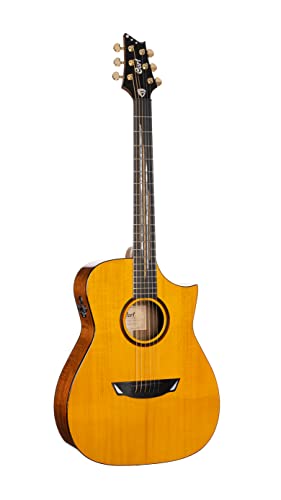
Cort Luxe II
Players who want a visually distinctive concert guitar with a solid top, premium electronics, and refined appointments.
Read the Cort Luxe II review →
Martin 00-18
Players seeking a premium all solid 00 acoustic with clear treble, warm bass and relaxed short scale playability.
Read the Martin 00-18 review →Head-to-Head Comparisons
- Martin D-18 Satin vs Cort Luxe II Compare →
Questions Buyers Ask
Martin D-18 Satin
See the current listing, price and included accessories.
About This Review
Mandrillis Team
The Mandrillis editorial team researches and compares audio and music gear using manufacturer documentation, verified specs and real buyer feedback, so you can make a confident purchase without wading through marketing claims.
Read our full research methodology.