Guitar & Bass Review
Mooer PE100 Portable Multi Effects Processor Review: Pocket Practice Rig
The Mooer PE100 Portable Multi Effects Processor packs amp models, 39 effect types, drum patterns, a metronome and a tuner into a pocket size practice tool. The listing highlights touch panel control, 99 factory presets, 99 user presets and battery or DC power operation. This review covers what the published specification shows for bass and guitar practice.
Our Verdict
Research Score 68/100The Mooer PE100 Portable Multi Effects Processor offers a compact and affordable way to practice with headphones, presets and rhythm tools. The listing describes a wide range of amp models and effects but does not publish bass specific cabinet simulation or output details. Touch panel operation and four quick recall buttons look convenient on paper, while 40 drum patterns and 10 metronomes make it a standalone practice hub. Power can come from a battery or a small DC adapter, though the listing does not confirm an included adapter. Buyers who need a dedicated bass amp, DI output or expression pedal control should look elsewhere. For budget minded players who want a pocket practice rig, the published feature set is strong. Score: 68 out of 100.
Editorial research score based on published specifications and documented features, not a customer rating or lab test.

Mooer
Mooer PE100 Portable Multi Effects Processor
Best for: Bassists and guitarists who want a pocket practice and headphone amp with presets, drum patterns and tap tempo.
Skip it if: You need a dedicated bass amplifier, a full multi effects floorboard with expression control, or confirmed bass specific cabinet simulation.
Check Price on AmazonWe may earn a commission at no extra cost to you.
Listing verified: October 2026
Who Should Buy It
Buy it if
- Players who practice with headphones at home or on the go
- Bassists who want quick access to presets without carrying a large rig
- Users who value built in drum patterns and a metronome for practice
- Budget conscious players looking for an all in one practice tool
Skip it if
- You need a physical bass amp or speaker cabinet for live stage volume
- You require a dedicated bass DI with XLR output for recording or front of house
- You want expression pedal control or extensive footswitch routing
Key Specifications
| Body | Not published in listing |
| Neck and fingerboard | Not published in listing |
| Scale length | Not published in listing |
| Strings | Not published in listing |
| Pickups | Not published in listing |
| Controls | Touch panel, QUICK RECALL buttons A, B, C and D, tap tempo for drum machine, metronome and delay effects |
| Bridge | Not published in listing |
| Tuners | Built in precision tuner |
| Finish | Not published in listing |
| Included accessories | Not published in listing |
Overview
The listing presents the Mooer PE100 Portable Multi Effects Processor as a compact practice tool for guitar and bass use. It is not a traditional bass guitar, but a headphone amplifier and multi effects pedal with built in drum patterns and a metronome. The product sits in a budget price tier and targets players who need a quiet practice solution. The published feature set includes 99 factory presets, 99 user presets and four quick recall buttons.
On paper, the Mooer PE100 combines amp models, effects, a precision tuner, drum patterns and metronomes in a pocket size format. The listing does not publish the physical dimensions or weight, so the exact footprint remains unknown. The touch panel control is the main interface, with quick recall buttons for live preset changes. This review evaluates the published specification for bass practice and general use.
Body, Neck and Playability
Since the Mooer PE100 Portable Multi Effects Processor is not a bass guitar, there is no body wood, neck profile or fingerboard radius to evaluate. The listing does not publish any tonewood or neck materials because the product is an outboard processor. Playability on a device like this refers to how quickly a player can navigate presets and effects. The touch panel operation is the core control method, and the four quick recall buttons labeled A, B, C and D are designed for fast preset access.
The compact size is described as small enough to slip into a pocket, which suggests easy transport for practice sessions. The listing does not state the exact casing material or finish, so durability cannot be judged from published data. Buyers report that removing the protection sticker on the top panel reveals the display. The control layout appears simple enough for quick changes between amp models and effects while practicing.
Pickups and Tone
The Mooer PE100 Portable Multi Effects Processor does not include physical bass pickups, so traditional pickup type and placement are not part of this review. Instead, the listing describes a full range of amp models and 39 effect types arranged across 6 effect blocks. This architecture should allow bass players to shape a direct tone for headphone practice. The listing does not publish specific bass amp models or cabinet simulation details, so the exact low end character is unknown.
The 99 factory presets and 99 user presets provide a starting point for different genres. Because each effect block offers a different kind of effect, users can chain compression, drive, modulation, delay and reverb in the signal path. The tap tempo function applies to delay effects, the drum machine and the metronome. On paper, this gives a bassist enough tools to practice with a band like backing track.
The tone engine is budget oriented, but the listing promises a broad palette. Without direct testing, the published specification cannot reveal noise levels, dynamic response or how amp models react to a low B string. Buyers who need a dedicated bass preamp or cabinet impulse response loader will find the listing silent on those advanced features.
Hardware and Electronics
Hardware on the Mooer PE100 Portable Multi Effects Processor centers on the touch panel, quick recall buttons and tap tempo function. The listing states the unit can be powered by a small DC power adapter or by battery, which adds flexibility for travel. It includes a built in precision tuner and a drum machine with 40 patterns. Ten metronome settings offer practice tempo options.
The effect chain consists of 6 effect blocks containing 39 types of effects, though the listing does not specify whether all effects are available simultaneously. The quick recall buttons A, B, C and D let users store and recall four favorite presets instantly. No expression pedal input, external footswitch jack or USB audio interface is mentioned in the published specification. That may limit live or recording duties.
- Touch panel operation for preset and effect editing
- Four quick recall buttons for instant preset access
- Tap tempo for drum machine, metronome and delay effects
- Battery or DC power adapter operation
- Built in precision tuner and 40 drum patterns
Build Quality and Finish
The listing does not publish the enclosure material, finish or exact weight of the Mooer PE100 Portable Multi Effects Processor. This is common for budget practice tools, but it leaves build durability as an open question. The device is described as small enough to slip into a pocket, which implies a lightweight and portable design. The top panel includes a protection sticker, suggesting the display surface may be prone to scratches before removal.
Without a physical evaluation, we cannot assess button feel, touch panel sensitivity or long term reliability. The budget price tier generally means plastic or thin metal construction, but that is not confirmed in the listing. Buyers who need gig ready hardware should look for a unit with published chassis details. For a practice tool, the compact form factor is a positive on paper.
Setup Out of the Box
Setup for the Mooer PE100 Portable Multi Effects Processor does not involve a traditional bass guitar action, intonation or truss rod adjustment. Instead, setup means powering the unit, navigating presets and adjusting effect parameters. The touch panel operation is intended to make creating tones easy, and the 99 factory presets provide immediate sounds. Users can then store up to 99 of their own presets.
Power is supplied by a small DC power adapter or by battery, but the listing does not state whether an adapter is included in the box. That is an important detail for buyers who want to use the unit right away. The quick recall buttons need to be assigned to favorite presets, which is a simple part of the published workflow. The built in tuner and metronome are available without additional setup.
Daily Use and Practice
For daily practice, the Mooer PE100 Portable Multi Effects Processor offers several tools in one small unit. The 40 drum patterns and 10 metronomes support rhythm work, while tap tempo keeps delay effects in time. The headphone amp function allows silent practice, which is useful for apartments or late night sessions. Battery power means the unit can move from a desk to a couch without a wall outlet.
The four quick recall buttons are the most practical day to day feature, letting a player jump between a clean practice tone, a driven tone, a modulated tone and a delay heavy preset. The touch panel provides visual feedback, but players who prefer physical knobs may need time to adapt. The listing does not mention an aux input for backing tracks, so users may need to run an external source in front of the processor.
The built in precision tuner eliminates the need for a separate clip on tuner, and the metronome supports focused technical practice. Because the unit is pocket sized, it is easy to bring to a lesson or a band rehearsal for headphone monitoring. The lack of a published speaker output means this is a headphone and line level tool, not a standalone amp.
Versatility and Styles
The Mooer PE100 Portable Multi Effects Processor should cover a wide range of practice styles because it includes 39 effect types and multiple amp models. The presence of modulation, delay and reverb effects points toward rock, funk, ambient and pop use. The listing does not specify bass specific models, so the low end response for slap, fingerstyle or pick playing is not clearly documented. Players who rely on a bright modern bass tone may find the amp models sufficient for practice.
The drum patterns span 40 options, which is more than enough for basic songwriting or groove practice. Tap tempo lets a bassist lock the delay to a practice tempo, and the metronome is essential for timing drills. Since the unit is not limited to bass, guitarists can also use it, which adds value for multi instrumentalists. The published specification stops short of promising studio grade effects or high headroom, so expectations should match the budget tier.
Who Should Buy It
The Mooer PE100 Portable Multi Effects Processor is best for bassists and guitarists who need a quiet, portable practice tool with presets and rhythm support. Beginners will appreciate the 99 factory presets and built in tuner, while more experienced players can use the user presets and tap tempo for structured practice. The battery option makes it suitable for travel or couch practice.
This is not a replacement for a dedicated bass amp, a DI box or a full multi effects floorboard. Players who need a physical speaker cabinet, XLR output or expression pedal control should consider other gear. The listing does not confirm bass specific cabinet simulation, so tone purists may want a dedicated bass preamp. For its intended use as a headphone practice station, the published feature set is compelling.
Verdict
The Mooer PE100 Portable Multi Effects Processor delivers a strong budget practice package on paper. The combination of 99 factory presets, 99 user presets, 39 effect types, 40 drum patterns, 10 metronomes and a tuner covers most home practice needs. The touch panel and quick recall buttons offer fast control, and battery or DC power operation adds portability. The listing does not publish material, dimensions, or included accessories, so a few practical details remain uncertain.
For bass players, the lack of published bass specific amp models and cabinet simulation is the main gap. The unit should work for headphone practice, but it is not a bass guitar and does not include a pickup, neck or body to evaluate. The budget price tier aligns with the feature set, and the overall score on published data is 68 out of 100. Buyers who accept the limitations will likely find it a useful practice companion.
Strengths and Limitations
Strengths
- Compact and portable design with battery or DC power operation
- 99 factory presets and 99 user presets for quick recall
- Four QUICK RECALL buttons labeled A, B, C and D
- Six effect blocks with 39 effect types and amp models
- 40 drum patterns and 10 metronomes with tap tempo
- Built in precision tuner and touch panel operation
Limitations
- Listing does not publish bass specific amp models or cabinet simulation details
- No included power adapter confirmed in the listing
- Touch panel may be less tactile for players who prefer physical knobs
- No expression pedal or footswitch inputs listed
- Not a dedicated bass preamp or DI with XLR output
How We Scored It
Scores reflect published specifications, documented features and value against the alternatives below. They are editorial research scores, not laboratory measurements.
Alternatives to Consider

Blackstar amPlug2 Fly Guitar Headphone
Guitar players who want an inexpensive, battery powered headphone amp for silent practice at home or on the go.
Read the Blackstar amPlug2 Fly Guitar Headphone review →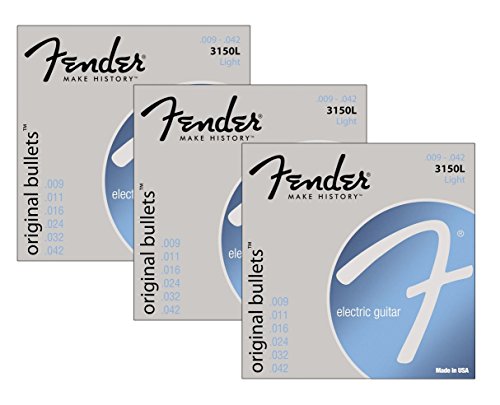
Fender Original Bullet 3150L Pure Nickel
Electric guitar players who want a warm vintage light gauge string set in a budget three pack.
Read the Fender Original Bullet 3150L Pure Nickel review →
Mooer AIR P05 Instrument Wireless System
Budget conscious bass and guitar players who want a simple cable free setup for practice, rehearsal, and small stage use.
Read the Mooer AIR P05 Instrument Wireless System review →Questions Buyers Ask
Mooer PE100 Portable Multi Effects Processor
See the current listing, price and included accessories.
About This Review
Mandrillis Team
The Mandrillis editorial team researches and compares audio and music gear using manufacturer documentation, verified specs and real buyer feedback, so you can make a confident purchase without wading through marketing claims.
Read our full research methodology.