Guitar & Bass Review
Yamaha THR10II Review: Versatile Desktop Modeling Amp
The Yamaha THR10II is a lower mid-range desktop modeling amp with 15 guitar amp models, 3 bass models, 3 mic models, and flat modes. Its published features include Bluetooth playback, a remote editor app, and USB recording. The listing omits speaker size, weight, dimensions, and detailed effects, so this review focuses on the published specification.
Our Verdict
Research Score 80/100The Yamaha THR10II earns its place as a versatile home and recording desktop amp on paper. The published amp model count is impressive for the size and tier, with guitar, bass, and acoustic-electric options. Bluetooth audio and USB recording make it attractive for practice and quick recording. The main weaknesses are the missing specs: no speaker size, no weight, no dimensions, no detailed effects, and no confirmed headphone or line output. Buyers who need a loud stage amp or full transparency about the hardware should look elsewhere. For a lower mid-range desktop modeling amp with broad model coverage and modern connectivity, the Yamaha THR10II is a sensible choice, though the listing leaves enough gaps that in-person confirmation would help.
Editorial research score based on published specifications and documented features, not a customer rating or lab test.

Yamaha
Yamaha THR10II
Best for: A home or recording player who wants a desktop modeling amp with guitar, bass, and acoustic-electric amp models plus Bluetooth and USB.
Skip it if: You need a stage amp with confirmed loud volume, a known speaker configuration, or detailed effect specs.
Check Price on AmazonWe may earn a commission at no extra cost to you.
Listing verified: October 2026
Who Should Buy It
Buy it if
- Electric guitar players who want a variety of amp models in a desktop format
- Bass and acoustic-electric players who need dedicated amp models
- Home recording musicians who value simple USB audio connectivity
- Players who want Bluetooth backing track playback without a separate speaker
Skip it if
- You need a loud amp for band practice or live gigs
- You require a detailed list of effects or exact speaker size before buying
- You prefer a traditional amp with a published headphone or line out
Key Specifications
| Power output | 10 watts |
| Speaker | Not published in listing |
| Amp models or channels | 15 guitar amps, 3 bass amps, 3 mic models, and flat modes |
| Effects | Essential effects included; listing does not specify effect types or quantity |
| Inputs and outputs | Bluetooth audio playback and USB recording/playback; other connections not published |
| Headphone and line out | Not published in listing |
| Bluetooth and app | Bluetooth support for audio playback and remote editing; remote editor/librarian app for desktop and mobile |
| Weight | Not published in listing |
| Dimensions | Not published in listing |
| Included accessories | Not published in listing |
Overview
The Yamaha THR10II is a lower mid-range desktop guitar amplifier that the product listing positions as a compact solution for electric guitar, bass, and acoustic-electric players. The published feature set includes 15 guitar amp models, 3 bass amp models, 3 mic models, and flat modes for other sources. This review is based solely on the listing data and generally known amplifier concepts, not in-person testing.
The 10-watt power rating appears in the listing title and suggests the Yamaha THR10II is intended for home practice, recording, and desktop use rather than loud band settings. Yamaha's THR series has a reputation for desktop modeling, but the specific speaker size, weight, and dimensions are not published in this listing. The lower mid-range price tier places it above the most basic practice amps and below full-size stage combos.
Because the listing omits several hardware details, buyers should weigh the published amp model and connectivity features against the unknown physical characteristics. The thumbprint of this amplifier is its modeling breadth and Bluetooth plus USB integration, not a detailed spec sheet. That makes it most appealing to players who prioritize tone variety and desktop convenience over raw stage output.
Amp Models and Tone
The Yamaha THR10II lists 15 guitar amp models, which on paper covers a wide range of clean, crunch, and high gain sounds. The listing describes these as realistic tube-amp tones and feel, suggesting Yamaha aimed for modeled response that mimics tube compression and dynamics. Without in-person time, the review cannot confirm the accuracy of that feel, but the model count is competitive for a lower mid-range desktop amp.
Beyond guitar, the amplifier includes 3 bass amp models and 3 mic models for acoustic-electric instruments. This gives the Yamaha THR10II unusual flexibility in a single box, since many desktop practice amps focus only on electric guitar. The flat modes are also useful for keyboards, drum machines, or playback sources that do not need amp coloration. That broad set means the unit can function as a general desktop sound system as well as a guitar amp.
On paper, the tone section should suit players who want quick access to familiar amp flavors without carrying multiple amplifiers. The listing does not identify the specific modeled amplifier types, so buyers cannot know exactly which classic circuits are represented. Still, the phrase 'realistic tube-amp tones and feel' is a strong positioning statement, and the inclusion of bass and acoustic models makes this more than a single-purpose guitar practice amp.
Effects and Features
The listing states the Yamaha THR10II includes essential effects, but it does not specify which effect types, how many there are, or how deeply they can be edited. This is a notable gap because effects are a major part of modeling amps. Buyers should expect at least basic modulation, delay, and reverb based on general Yamaha THR practice, but that is an assumption, not a published fact.
The included Bluetooth support for audio playback is a meaningful feature for practice and casual listening. Players can stream backing tracks, lessons, or reference mixes through the amp while playing along. The listing also mentions hi-fi audio playback with extended stereo technology, which suggests the Yamaha THR10II is designed to reproduce music more faithfully than a typical guitar speaker cabinet.
The remote editor and librarian app for desktop and mobile devices is another strong point. It implies that users can adjust amp models, effects, and possibly presets from a phone or computer. However, the exact app capabilities are not detailed here, and the listing does not confirm whether the app works over Bluetooth only, USB, or both. That lack of clarity may frustrate buyers who want a full picture before purchase.
Power, Speaker and Volume
The Yamaha THR10II is rated at 10 watts according to the listing title. For a desktop amplifier, 10 watts is usually enough for bedroom practice, home recording, and small room listening. It is unlikely to keep up with an acoustic drum kit or a full band at stage volume, especially because the speaker is not specified and desktop enclosures are generally not designed for high output.
The listing does not publish the speaker size, speaker type, or whether the cabinet is open back, closed back, or ported. Without this information, it is impossible to judge low-end response, projection, or overall loudness from the listing alone. Buyers should treat volume claims cautiously until they can hear the unit in person or find more detailed specs from the manufacturer.
- 10 watts of published power output
- Desktop form factor as shown in the product title
- Speaker size and type not published
- Suitable for home use on paper, likely not for live drummers
- Hi-fi stereo playback may improve backing track clarity
Build and Portability
The Yamaha THR10II is described as a desktop guitar amp, which implies a compact footprint, but the listing does not provide actual dimensions or weight. This missing data makes it hard to assess true portability. Buyers who plan to move the amp between rooms or take it to a friend's house may need to look elsewhere for exact measurements.
The build materials are not published in the listing. There is no mention of cabinet material, speaker magnet type, or control quality. For a lower mid-range amp, the expectation is a molded or wood cabinet with basic controls, but that is not confirmed here. The absence of these details is a common issue with product listings, but it means buyers cannot compare this model to alternatives on physical build alone.
Despite the missing specifics, the Yamaha THR series is generally known for a clean desktop aesthetic and solid feel. However, this review cannot rely on reputation. The listing simply does not state how rugged or heavy the unit is, so the build and portability section remains speculative. That is a fair note for anyone who values durability or exact dimensions.
Connectivity and Apps
Bluetooth support is highlighted in the listing for audio playback, editing via the remote, and more. This means the Yamaha THR10II can receive music from a phone or tablet without a cable, which is convenient for practice. Bluetooth audio does not record guitar signal, but it handles backing tracks and any remote app communication if the app uses Bluetooth.
The plug-and-play USB connectivity is a key feature for recording. Players can connect the amp to a computer and record directly without an interface, according to the listing. The exact audio quality, sample rate, and driver requirements are not published, but the promise of simple USB recording is a major draw for home producers.
The remote editor and librarian app for desktop and mobile devices extends control beyond the physical panel. Users may be able to manage amp models, effects, and presets from a screen, though the listing does not confirm all functions. The lack of detail about headphone or line output is a connectivity gap. The listing does not state whether there is a dedicated headphone jack, auxiliary input, or line out, so buyers should verify before purchasing if those connections matter.
Setup and Daily Use
Setup should be straightforward based on the published features. The USB connection is listed as plug and play, so players can likely connect to a computer and begin recording without driver headaches. Bluetooth pairing for audio playback is a standard process, though the listing does not provide specific pairing instructions. The desktop design means the amp sits on a desk or table within easy reach.
Daily use as a practice amp would involve selecting one of the 15 guitar models, adjusting tone and effects, and playing along with streamed audio. The remote app likely makes this easier by providing a visual interface, but the listing does not show screenshots or describe the control layout. Buyers should expect a compact control panel with a few knobs, but that is not confirmed.
Without a published headphone output, late-night silent practice is uncertain. Many practice amps include a headphone jack, but this listing does not say the Yamaha THR10II has one. If headphone practice is essential, a buyer should confirm the full spec sheet from the manufacturer before buying. The published features support convenient desktop use, but the missing I/O details are a practical concern.
Home Practice Versus Stage
The Yamaha THR10II is clearly positioned for home practice and desktop recording. Its 10-watt rating, desktop form factor, and Bluetooth playback all point to an amplifier that lives on a desk or shelf. In a home environment, it should provide enough volume for personal practice and possibly small acoustic jam sessions, depending on the unknown speaker sensitivity.
For stage use, the Yamaha THR10II is not a practical choice on paper. Ten watts through an unspecified desktop speaker will not compete with a live drummer or a full band. Players who gig in small venues might use it as a monitor or direct recording source via USB, but it is not a stage amp. The listing does not claim stage volume, which is consistent with a desktop product.
Compared to a typical 10-watt practice combo, the Yamaha THR10II differentiates itself with amp modeling variety and Bluetooth, not pure output. It is a better fit for a recording desk than a rehearsal room. If you need an amp for both home and occasional stage use, you may need to add a larger amp or PA system.
Who Should Buy It
Electric guitar players who want a compact desktop amp with many amp models will find the Yamaha THR10II appealing on paper. The 15 guitar models offer enough variety for practice across genres, and the USB recording feature suits home recording. Bass and acoustic-electric players also have dedicated models, which is not common in this size class.
The Bluetooth audio playback and app control make it a good fit for players who use backing tracks or online lessons. A bedroom producer who wants to capture quick ideas without a separate interface may appreciate the plug-and-play USB. Because the listing omits speaker and I/O details, buyers must be comfortable with some uncertainty about the physical hardware.
This amplifier is not for players who need a loud stage amp, a confirmed headphone output, or a detailed effects chain. It is for the home player who values model variety, modern connectivity, and a desktop footprint. If that describes you, the Yamaha THR10II is worth shortlisting, though it would benefit from a more complete spec sheet.
Verdict
The Yamaha THR10II earns a solid score on paper for its broad amp modeling, Bluetooth convenience, and USB recording. The listing's feature set is competitive for a lower mid-range desktop amp, and the inclusion of bass and acoustic models adds real flexibility. However, the missing speaker size, weight, dimensions, effect details, and I/O specifics prevent a higher score.
Tone gets a strong rating because the model count and 'realistic tube-amp tones' promise are compelling, even if unverified. Features score slightly lower because effects are vague. Power is moderate for practice but not stage use. Build and portability cannot be fully scored without published measurements. Connectivity is good due Bluetooth and USB, but the lack of confirmed headphone or line out holds it back.
Overall, the Yamaha THR10II is a sensible choice for the right buyer: a home player or recording hobbyist who values model variety and wireless playback over raw volume. Players who need a stage amp or full transparency should look elsewhere. The 80 score reflects the strong feature set on paper, tempered by the listing's gaps.
Strengths and Limitations
Strengths
- Wide range of amp models covers guitar, bass, and acoustic-electric use
- Bluetooth playback and app control add everyday convenience
- USB recording connection is plug and play
- Desktop design suits home practice and small recording spaces
- Hi-fi stereo playback is a useful bonus for backing tracks
Limitations
- Listing does not publish speaker size, weight, or dimensions
- Effects are only described as essential with no detailed list
- No dedicated headphone or line output is confirmed in the listing
- 10 watts may not keep up with a live drummer or full band
How We Scored It
Scores reflect published specifications, documented features and value against the alternatives below. They are editorial research scores, not laboratory measurements.
Alternatives to Consider

NUX Stageman II AC-60
Players who need an acoustic amp for small gigs, home recording, and vocal accompaniment with a broad effects palette.
Read the NUX Stageman II AC-60 review →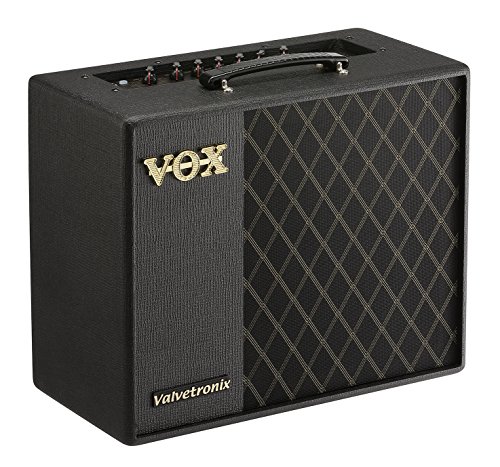
Vox VT40X
Home practice, recording, and moderate rehearsal with a compact modeling amp that adds tube-flavored preamp tones.
Read the Vox VT40X review →
Yamaha THR5A
Acoustic and silent guitar players wanting a compact desktop practice amp with microphone simulation and basic recording software.
Read the Yamaha THR5A review →Head-to-Head Comparisons
- Positive Grid Spark 2 vs Yamaha THR10II Compare →
Questions Buyers Ask
Yamaha THR10II
See the current listing, price and included accessories.
About This Review
Mandrillis Team
The Mandrillis editorial team researches and compares audio and music gear using manufacturer documentation, verified specs and real buyer feedback, so you can make a confident purchase without wading through marketing claims.
Read our full research methodology.