Instruments Review
Pioneer DJ DJM-S11 Review: Scratch Mixer With a Sparse Listing
The Pioneer DJ DJM-S11 is a premium professional scratch-style two-channel DJ mixer for Serato DJ Pro or rekordbox, and that is nearly all the listing publishes. This review explains what a battle mixer in this class is built to do, what two-platform support means for turntablists, and exactly which specifications remain unconfirmed and need checking.
Our Verdict
Research Score 85/100The Pioneer DJ DJM-S11 is positioned as a professional scratch-style two-channel mixer for Serato DJ Pro or rekordbox, which tells a turntablist two important things: the layout is a battle layout, and both major software ecosystems are covered. Beyond that, the listing publishes nothing. Fader technology, performance pads, effects, inputs, outputs, audio specifications, weight and power are all unconfirmed, so every one of those sections is scored conservatively here. The premium tier price signals a flagship, and the professional positioning earns credit, but a review built on listing facts cannot award points for hardware it cannot see. Read the manufacturer's full specification before buying, or compare the better documented DDJ-REV7 listing first.
Editorial research score based on published specifications and documented features, not a customer rating or lab test.

Pioneer
Pioneer DJ DJM-S11
Best for: Turntablists and battle DJs committed to a two-channel scratch layout who work in Serato DJ Pro or rekordbox and will verify the full specification.
Skip it if: You need confirmed fader, effects and connectivity details from the listing before committing to a premium purchase.
Check Price on AmazonWe may earn a commission at no extra cost to you.
Listing verified: October 2026
Who Should Buy It
Buy it if
- Turntablists upgrading to a flagship battle mixer
- Open-format scratch DJs working in Serato DJ Pro
- rekordbox users who own Pioneer DJ players
Skip it if
- You need four channels or standalone playback
- You want a controller with built-in decks
- You will not read the manufacturer specification before buying
Key Specifications
| Type | Professional scratch-style 2-channel DJ mixer |
| Channels | 2 |
| Jog wheels | None; mixer only |
| Software | Serato DJ Pro or rekordbox; license inclusion not published in listing |
| Pads and effects | Not published in listing |
| Inputs and outputs | Not published in listing |
| Audio interface | Not published in listing; a computer connection is implied by Serato DJ Pro and rekordbox compatibility |
| Power | Not published in listing |
| Weight | Not published in listing |
| Included accessories | Not published in listing |
Overview
The Pioneer DJ DJM-S11 is a professional scratch-style two-channel DJ mixer built for Serato DJ Pro or rekordbox, and that single sentence is almost everything the listing publishes about it. The product sits in the premium tier, which places it at the top of the battle mixer category rather than among entry two-channel mixers. That is unusual for a flagship, and it shapes how this review has to be written.
Because the listing offers no feature bullets beyond the model code, this review explains what a scratch-style mixer in this class is designed to do, what the two named software platforms mean for a buyer, and which specifications remain unconfirmed. Every physical detail that is not stated is marked as such.
Readers should treat this as a map of questions to ask rather than a list of confirmed answers. For a premium purchase, the manufacturer's full specification sheet should be read alongside this review, and the score should be understood as provisional.
Decks, Jog Wheels and Performance Controls
A battle mixer has no jog wheels; the performance controls are the crossfader, the channel faders and whatever pads, buttons and effect controls the manufacturer fits. The listing describes the DJM-S11 as scratch style, which in this category means the crossfader is the primary instrument, designed for fast cuts, short travel and adjustable curve. Curve adjustment lets a DJ set how quickly sound comes in across the fader travel, from a gentle blend to an almost instant cut.
Fader type, whether the crossfader is magnetic or contact based, the curve adjustment range, and whether the faders are user replaceable are all absent from the listing. These are the details turntablists care about most, and their absence is the biggest gap in the published data.
Performance pads, their count and their modes are not published either. Professional scratch mixers typically include pads for hot cues, loops, rolls and samples driven by the connected software, but the listing does not confirm any of this for the DJM-S11, so verify it directly.
Software and Compatibility
Compatibility with Serato DJ Pro or rekordbox is the one firm fact. Serato DJ Pro is the platform most associated with scratch and open-format DJs, and rekordbox is the ecosystem that connects to Pioneer DJ club gear, so supporting both lets a turntablist work in either world with one mixer. It also means a crew of DJs with mixed software preferences can share one mixer at a jam or a battle.
In a scratch setup, the mixer normally acts as the audio interface and controller: turntables with timecode vinyl connect to the mixer, the mixer connects to the computer over USB, and the software decks follow the records. The listing implies this workflow through the software names but does not describe the USB connection, the digital vinyl system support, or any bundled licenses.
Whether Serato DJ Pro or rekordbox features are unlocked by the hardware, or require separate purchase, is not stated. Buyers should confirm the current licensing position for both platforms, since this affects the real cost of the system over its first year.
Mixer Section, Effects and Audio Quality
As a two-channel mixer, the DJM-S11 is designed around two decks or turntables feeding two channel strips into a crossfader. The listing does not publish the EQ design, the presence of filters, or the effects engine, so this section can only describe what a professional scratch mixer is expected to provide. Two channels are the norm for scratch work because the crossfader only ever moves between two sources.
Scratch mixers in the premium tier commonly offer hardware effects on each channel alongside control of software effects, with quick-access levers or buttons so a DJ can trigger an effect mid-routine without leaving the crossfader. None of these are confirmed in the listing for this model.
Audio quality specifications such as sample rate, converter resolution, signal-to-noise ratio and headroom are absent. For comparison, the Pioneer DJ DJM-900NXS2 listing publishes a 96 kHz, 64-bit processor and its Sound Color FX list, which shows how much more a listing in this range can say.
- Two-channel scratch-style layout
- Serato DJ Pro or rekordbox compatibility
- Fader type, EQ, filters and effects not published in listing
- Audio measurements not published in listing
Build, Design and Portability
Weight, dimensions, chassis material and panel finish are not published. Battle mixers are typically narrower than club mixers so they fit between two turntables, and they are built to survive aggressive fader work, but the listing does not describe the construction of the DJM-S11.
Professional scratch DJs often travel with their own mixer to guarantee a known fader feel at every gig, which makes the unpublished weight and the unpublished fader design doubly relevant. A premium tier price suggests a durable build, but the listing does not confirm it.
Included accessories, such as a power cable, USB cable or any software voucher, are not listed. Expect to confirm the box contents before relying on anything shipping with the mixer. Scratch DJs who replace faders over time should also ask about spare parts availability.
Connectivity and Outputs
Nothing in the listing describes the rear panel. For a two-channel scratch mixer in this tier, the standard expectations are phono and line inputs on both channels for turntables and media players, a USB connection to the computer for Serato DJ Pro or rekordbox, balanced master outputs, a booth output, a record output and at least one microphone input. A ground terminal for turntable earth wires would normally accompany the phono inputs.
Each of those is an expectation rather than a published fact for the DJM-S11. Buyers planning to connect two turntables, a laptop and a PA should verify the input and output list, the number of USB ports, and whether two computers can be connected for back-to-back sets.
Headphone output type, send and return connections for external effects, and any MIDI capability are also unconfirmed. The connectivity score here is kept low purely because the listing does not support a higher one.
Setup and Daily Use
In a typical scratch configuration, two turntables connect to the mixer's phono inputs, a laptop running Serato DJ Pro or rekordbox connects over USB, and timecode records on the turntables control the software decks. The mixer then handles crossfading, EQ and any effects, while the computer handles the library.
The daily appeal of a dedicated scratch mixer is fader feel and reliability under fast hand movement, which is why turntablists choose a battle layout over an all-in-one controller. The DJM-S11 is positioned by its title as professional, so it is intended for this demanding use, though the listing does not describe the fader hardware. An all-in-one controller rarely offers the same fader travel and replaceability, which is the trade-off scratch DJs refuse to make.
Power supply type is not published, and neither is the firmware update method or the configuration utility for assigning controls. All of these are routine for a mixer in this class, but they are unconfirmed here.
Who Should Buy It
The DJM-S11 is for turntablists, battle DJs and open-format scratch DJs who have already decided on a two-channel battle layout and who work in Serato DJ Pro or rekordbox. The premium tier positioning signals a flagship rather than a starter mixer. Hobbyists who scratch occasionally will find the premium tier hard to justify without published detail to support it.
It also fits DJs who own Pioneer DJ players and want a scratch mixer that lives in the same rekordbox ecosystem, as well as Serato users upgrading from an entry battle controller such as the Pioneer DJ DDJ-REV1.
Anyone who needs four channels, a built-in screen for standalone playback or confirmed specifications before buying should look at other products or wait until they have read the full manufacturer sheet.
Alternatives Worth Considering
For a battle layout with built-in decks, the Pioneer DJ DDJ-REV7 offers motorized platters, Magvel Fader Pro, 22 Beat FX and Serato DJ Pro in a single controller, and its listing is far more detailed. The Pioneer DJ DDJ-REV1 covers the same battle style at an entry tier for DJs still learning to scratch.
DJs who want four channels and a club layout instead should consider the Pioneer DJ DJM-900NXS2, whose listing publishes its DSP, effects and turntable connections. It is not a scratch mixer, but it is a far better documented premium mixer.
Turntablists who prefer a different software ecosystem may look at battle mixers from other manufacturers, comparing fader technology and published connectivity rather than brand loyalty.
Verdict
The Pioneer DJ DJM-S11 is a professional scratch-style two-channel mixer for Serato DJ Pro or rekordbox, and that is the full extent of what the listing confirms. The category positioning and the two-platform support are genuinely useful facts, but fader design, effects, inputs, outputs, weight and power are all unpublished.
The score reflects a premium professional battle mixer whose listing provides almost no detail: the platform support and the professional positioning earn credit, while every unconfirmed section is scored conservatively.
Turntablists who are already set on this layout should read the manufacturer's specification before buying; those who want a documented purchase should compare the DDJ-REV7 listing first.
Strengths and Limitations
Strengths
- Professional scratch-style two-channel battle layout
- Works with both Serato DJ Pro and rekordbox
- Premium tier positioning signals a flagship battle mixer
- Fits the Pioneer DJ club and rekordbox ecosystem
Limitations
- Fader technology and curve options not published
- Pads, effects and audio specifications not published
- Inputs, outputs, weight and power not published
- License inclusion for either platform unstated
How We Scored It
Scores reflect published specifications, documented features and value against the alternatives below. They are editorial research scores, not laboratory measurements.
Alternatives to Consider
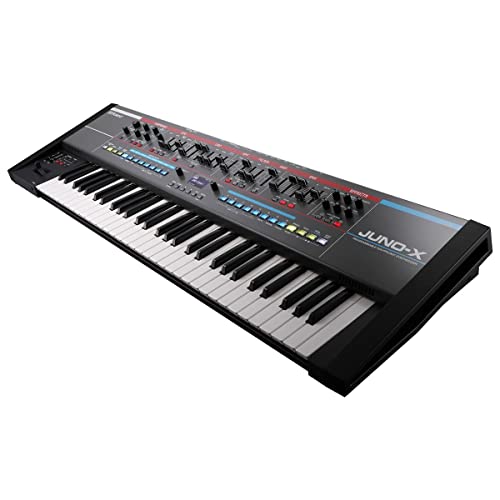
Roland JUNO-X Programmable Polyphonic Keyboard
A keyboardist who loves the JUNO sound and slider panel but needs modern pianos, a vocoder, velocity response and expandable vintage models in one stage instrument.
Read the Roland JUNO-X Programmable Polyphonic Keyboard review →
Roland VR-6HD
Corporate, sales and worship teams that need one operator to switch six HDMI sources, mix 28 audio channels and stream from a single compact unit.
Read the Roland VR-6HD review →
Pioneer DJ XDJ-RX3
DJs who want club-standard standalone playback from USB with a large touchscreen and a familiar two-channel layout.
Read the Pioneer DJ XDJ-RX3 review →Questions Buyers Ask
Pioneer DJ DJM-S11
See the current listing, price and included accessories.
About This Review
Mandrillis Team
The Mandrillis editorial team researches and compares audio and music gear using manufacturer documentation, verified specs and real buyer feedback, so you can make a confident purchase without wading through marketing claims.
Read our full research methodology.