Instruments Review
Stagg WS-FH215 Review: Bb Flugelhorn With Case
The Stagg WS-FH215 is a Bb flugelhorn with stainless steel valves, a brass lead pipe, a silver plated mouthpiece, and a soft case with backpack straps included. This review covers its confirmed bell diameter and bore specifications, its water keys and finger ring, and the details the listing leaves unstated.
Our Verdict
Research Score 72/100The Stagg WS-FH215 is a Bb flugelhorn with a genuinely detailed specification for a lower mid-range instrument: stainless steel valves, a brass lead pipe, a 5.35 inch bell, an 11.3mm bore, two water keys, a finger ring on the third valve slide, and a clear lacquer finish. A silver plated mouthpiece and a soft case with backpack straps round out a complete outfit at this price tier. Stainless steel valves trade some of the smoothness premium monel valves offer for strong corrosion resistance, a reasonable trade at this level. Weight and country of origin are not published. For a beginner or intermediate player wanting a complete flugelhorn outfit without a large investment, this is a reasonable choice backed by real specification detail.
Editorial research score based on published specifications and documented features, not a customer rating or lab test.
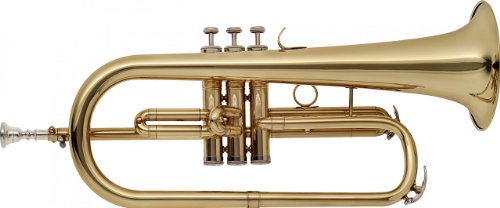
Stagg
Stagg WS-FH215
Best for: Beginner to intermediate brass players who want a Bb flugelhorn with a confirmed mouthpiece and case included at a lower mid-range price.
Skip it if: You want monel valves or a hardshell case, or you need a published weight and country of origin before buying.
Check Price on AmazonWe may earn a commission at no extra cost to you.
Listing verified: November 2026
Who Should Buy It
Buy it if
- Band and school program buyers who want a complete flugelhorn outfit at a lower mid-range price
- Players who value a confirmed silver plated mouthpiece and finger ring on the third valve
- Buyers who are comfortable with a soft case rather than a hardshell case
Skip it if
- You specifically want monel or nickel-silver valves
- You need a hardshell case for maximum protection
- You require a published weight and country of origin before ordering
Key Specifications
| Instrument | Bb Flugelhorn |
| Size | 5.35 inch bell diameter, 11.3mm bore |
| Materials | Stainless steel valves, brass lead pipe |
| Key or tuning | Bb |
| Finish | Clear lacquer |
| Included accessories | Soft case with backpack straps, silver plated mouthpiece |
| Skill level | Not explicitly stated in listing |
| Weight | Not published in listing |
| Made in | Not published in listing |
| Notes | Finger ring on third valve slide and two water keys are confirmed in the listing |
Overview
The Stagg WS-FH215 is a Bb flugelhorn, the mellower, more conical-bored cousin of the trumpet, aimed at players who want the softer, rounder tone the flugelhorn is known for in jazz and concert band settings. The listing publishes an unusually complete specification for a lower mid-range brass instrument.
Confirmed details include stainless steel valves, a brass lead pipe, a 5.35 inch bell diameter, an 11.3mm bore, two water keys, a finger ring on the third valve slide, a silver plated mouthpiece, and a clear lacquer finish. That is a genuinely useful level of detail compared with several other listings in this review packet, and it lets this review make specific rather than vague claims about the instrument.
What remains unstated is weight and country of origin, both common gaps even on well-specified listings. This review treats the confirmed details as the backbone of its assessment and flags the two missing points clearly rather than guessing at them, since neither is trivial to infer from the rest of the specification.
Tone and Intonation
A flugelhorn's characteristic mellow tone comes largely from its more conical bore shape compared with a trumpet's mostly cylindrical bore, and the listing's confirmed 11.3mm bore sits within the range typical of Bb flugelhorns generally. That bore size supports the rounder, darker voice players choose a flugelhorn for in the first place, and it is one reason flugelhorns blend so well in jazz horn sections.
The brass lead pipe is the section most directly in contact with the player's air column as it enters the instrument. Brass is the standard, time-tested material for that part on instruments at every price tier, so its use here is not a corner cut.
The included silver plated mouthpiece also shapes the sound before the air even reaches the horn's body, and silver plating is a widely used standard that many players prefer for its smooth response. Buyers who already favor a specific mouthpiece brand or shape may still choose to swap it for personal preference, since mouthpiece choice is one of the most common early upgrades brass players make.
Playability and Setup
The finger ring on the third valve slide is a genuinely useful playability feature, letting the player extend or retract that slide on the fly to correct the pitch on certain note combinations without taking a hand off the instrument. This is a feature more associated with instruments built for real playing flexibility than with the cheapest possible student horns.
Two water keys, sometimes called spit valves, let the player drain condensation from the tubing during a session. That is standard good design for a brass instrument intended for regular practice rather than display, and it keeps valve action from being affected by trapped moisture.
Stainless steel valves generally require a slightly different oiling routine and feel marginally different under the fingers than the monel valves used on many premium horns, though they remain smooth and functional for most playing situations. A player moving from a monel valved instrument may notice the difference briefly before adjusting, and most players settle in within the first few practice sessions.
Build and Materials
Build quality here centers on stainless steel valves and a brass lead pipe, both clearly stated in the listing. Stainless steel is a durable, corrosion-resistant choice for valves, trading some of the glass-smooth action premium monel valves are known for in exchange for lower cost and strong resistance to rust.
The brass lead pipe and the clear lacquer finish are both standard, well-proven choices across brass instrument building at every price point. Neither gives particular reason for concern about basic construction quality here.
Bell diameter and bore are both confirmed numerically, at 5.35 inches and 11.3mm respectively. That lets this review make a specific, numbers-based build comparison rather than relying on vague marketing language, something several other listings in this packet do not offer.
- Stainless steel valves
- Brass lead pipe
- 5.35 inch bell diameter, 11.3mm bore
- Finger ring on third valve slide, two water keys
- Silver plated mouthpiece, clear lacquer finish
What Is in the Outfit
The confirmed outfit includes a silver plated mouthpiece and a soft case with backpack straps, both stated directly in the listing. Backpack straps on a soft case are a practical touch for players who walk or bike to school or rehearsal rather than driving.
A soft case offers meaningfully less protection than a hardshell case against a hard drop or a crushing impact. That trade-off is worth weighing for a player who travels frequently with the instrument on public transport or in a crowded school hallway.
Beyond the mouthpiece and case, the listing does not mention valve oil, a cleaning kit, or a tuner. Buyers should plan to purchase those separately if needed for ongoing maintenance and daily practice.
Durability, Maintenance and Care
Stainless steel valves are a genuine durability advantage in humid climates or for players who are inconsistent about drying their instrument after playing. Stainless steel resists the kind of surface corrosion that can eventually affect valve action on less resistant metals.
Routine maintenance should still include regular valve oiling, slide greasing, and draining the two water keys during longer practice sessions. That is the same basic care any Bb brass instrument needs regardless of valve material.
The clear lacquer finish protects the brass body from tarnishing and fingerprints, though like any lacquer finish it can eventually wear at contact points with heavy use. A soft cloth wipe-down after each session helps extend its life, and avoiding harsh polishes keeps the lacquer layer intact longer.
Daily Practice and Who It Suits
The Stagg WS-FH215 suits a band or jazz ensemble player who specifically wants the mellower flugelhorn voice for daily practice, rather than the brighter, more cutting tone of a standard trumpet. School and community band settings are common homes for this kind of instrument.
The finger ring and water keys both support real daily use rather than occasional display. A player practicing scales, etudes, or band repertoire regularly should find the instrument's playability features genuinely helpful rather than decorative.
Players who are deciding between their first trumpet and their first flugelhorn should know the two instruments, while similar in fingering, produce noticeably different tone colors. A flugelhorn is typically a secondary or doubling instrument for most brass players rather than a first horn.
Who Should Buy It
The Stagg WS-FH215 suits a band program or individual player who wants a complete, reasonably specified flugelhorn outfit without paying for a premium monel-valved instrument. The confirmed mouthpiece and case make it close to ready to play out of the box.
It also suits a trumpet player looking to add a flugelhorn as a doubling instrument for jazz or concert band settings. The confirmed bore and bell specifications match what is typical for the instrument category generally.
It is a weaker fit for a professional player who specifically wants monel valves or a hardshell case for touring durability, since neither is offered here. This review states that limitation directly rather than glossing over it.
Alternatives Worth Considering
Buyers who want monel valves instead of stainless steel should compare flugelhorns from brands that publish valve material explicitly as monel. Those tend to sit at a higher price point than this lower mid-range instrument.
Players who prioritize case protection over backpack convenience should look at listings that confirm a hardshell case rather than a soft case. That matters most if the instrument will travel frequently by public transport or air.
A standard Bb trumpet remains the more common first brass instrument for most beginning players. The flugelhorn is more commonly added later as a secondary voice once basic trumpet fundamentals are established.
Verdict
The Stagg WS-FH215 earns credit in this review for publishing a genuinely complete specification at a lower mid-range price. Stainless steel valves, a brass lead pipe, confirmed bell and bore dimensions, a finger ring, two water keys, a silver plated mouthpiece, and a soft case with backpack straps all appear directly in the bullets.
Stainless steel valves and a soft rather than hardshell case are the two clearest trade-offs against premium flugelhorns, and this review states both plainly rather than treating them as hidden flaws. Weight and country of origin remain unpublished.
For a band player or a trumpet player adding a flugelhorn as a doubling instrument, the confirmed specification here supports a confident purchase at this price tier. That confidence holds provided the stainless steel valves and soft case fit the buyer's expectations going in.
Strengths and Limitations
Strengths
- Stainless steel valves resist corrosion well
- Silver plated mouthpiece included
- Finger ring on third valve slide aids quick intonation adjustments
- Two water keys for standard moisture drainage
- Soft case with backpack straps included
Limitations
- Stainless steel valves are less common than monel on premium horns
- Weight and country of origin not published
- No published skill level recommendation
- Soft case offers less protection than a hardshell case
How We Scored It
Scores reflect published specifications, documented features and value against the alternatives below. They are editorial research scores, not laboratory measurements.
Alternatives to Consider

Yamaha YBS480
Advancing students and doublers who want a low A baritone with professional style keywork at an intermediate position in the premium tier.
Read the Yamaha YBS480 review →
Yamaha YTS82ZIIA
Professional and conservatory level tenor players who want a modern, projecting horn with a one piece engraved bell and refined right hand ergonomics.
Read the Yamaha YTS82ZIIA review →
Yamaha YHR567
Advancing horn students who have outgrown a single F horn and need a dependable full double with a set bell.
Read the Yamaha YHR567 review →Questions Buyers Ask
Stagg WS-FH215
See the current listing, price and included accessories.
About This Review
Mandrillis Team
The Mandrillis editorial team researches and compares audio and music gear using manufacturer documentation, verified specs and real buyer feedback, so you can make a confident purchase without wading through marketing claims.
Read our full research methodology.