Instruments Review
Yamaha YFH-631G Review: Pro Flugelhorn Listed as a Demo Unit
The Yamaha YFH-631G is a professional B flat flugelhorn in clear lacquer with a gold brass bell, offered here with a single bullet that indicates a demo unit. This review covers what the gold brass bell means for tone, the model's reputation among doublers, and the condition and outfit questions to settle before buying.
Our Verdict
Research Score 85/100The Yamaha YFH-631G is a respected professional flugelhorn, and the two facts the listing confirms, a gold brass bell and a clear lacquer finish, are the ones most relevant to the warm, dark tone that doublers buy it for. Buyers report smooth valves, predictable intonation with a matching mouthpiece and the build quality typical of Yamaha professional brass. The listing is thin, though, and the demo note raises questions about condition, handling and warranty, while bore, bell size, valve details, weight and the outfit are all unpublished. Confirm those points with the seller before paying a premium tier price, and walk away if the condition or warranty answers are unsatisfactory. With good answers, it is a sound purchase.
Editorial research score based on published specifications and documented features, not a customer rating or lab test.

Yamaha
Yamaha YFH-631G
Best for: Working trumpet players and advanced students who double on flugelhorn and want a professional instrument with a dark gold brass bell.
Skip it if: You are a beginner, you need a complete outfit confirmed, or you will not accept a demo unit with a possibly reduced warranty.
Check Price on AmazonWe may earn a commission at no extra cost to you.
Listing verified: October 2026
Who Should Buy It
Buy it if
- Big band, brass band and commercial trumpet players adding a pro flugelhorn
- Advanced students preparing for college jazz programs
- Players who prefer the dark tone of a gold brass bell
- Buyers willing to confirm demo condition and warranty first
Skip it if
- You have not yet learned trumpet or cornet
- You need the case and mouthpiece confirmed in the listing
- You want a sealed new instrument with full specifications
Key Specifications
| Instrument | B flat flugelhorn, professional model |
| Size | Not published in listing (bore and bell diameter not stated) |
| Materials | Gold brass bell; body and valve materials not published |
| Key or tuning | B flat |
| Finish | Clear lacquer |
| Included accessories | Not published in listing |
| Skill level | Professional, as stated in the listing title |
| Weight | Not published in listing |
| Made in | Not published in listing |
| Notes | The only feature bullet reads Demo 631G Pro Flugel w/Gold Brass Bell, which indicates a demonstration unit. Confirm condition and warranty with the seller. |
Overview
The Yamaha YFH-631G is a professional B flat flugelhorn finished in clear lacquer with a gold brass bell, and the product listing confirms those three facts and almost nothing else. The single feature bullet reads Demo 631G Pro Flugel w/Gold Brass Bell, which indicates a demonstration or display unit rather than sealed new stock. Both the thin specification and the demo note shape this review.
The flugelhorn is the warm, mellow cousin of the trumpet, used in jazz, brass band and commercial work for its dark, vocal tone. A professional model is bought by a trumpet player who doubles regularly and wants an instrument that responds like a serious horn rather than a budget accessory. The 631G has been a common choice in that role for many years.
This review draws on the published specification and the model's reputation among buyers and teachers. Bore size, bell diameter, valve material, the presence of a tuning trigger, the included case and mouthpiece, the weight and the country of manufacture are not published, and the text states that wherever those facts would matter.
Tone and Intonation
The gold brass bell is the one tonal specification the listing confirms, and it is the right one to know. Gold brass has a higher copper content than yellow brass and produces a darker, broader sound with a softer edge, which is exactly the character a flugelhorn is bought for. Buyers of the 631G describe a warm, centered tone that stays dark even at louder dynamics.
Clear lacquer over the body adds very little damping, so the natural response of the bell alloy comes through. On paper, that combination favors a rich sound with a quick response rather than the slightly heavier feel of silver plate. The body material behind the bell is not published, and this review does not assume it.
Intonation on a flugelhorn depends heavily on the mouthpiece and on a tuning trigger or slide for the third valve notes, neither of which the listing describes. The model is known among buyers for a predictable scale and for sitting well in tune with a matching mouthpiece. Without the mouthpiece specified, a buyer should expect to pair the horn with a flugelhorn mouthpiece of their own choosing.
Playability and Setup
The valve type, valve material and number of valves are not published, though flugelhorns in this class use three piston valves as standard. Yamaha professional brass has a strong record for valve fitting and smooth action, and buyers report that the 631G feels close to the maker's professional trumpets in the hand. That is reputation rather than listing data.
Weight and balance are not stated. A flugelhorn is held differently from a trumpet, with the bell angled further down and the leadpipe closer to the face, and a well balanced horn reduces fatigue on long doubling gigs. The listing gives no detail on the leadpipe, receiver or finger hook position.
The practical setup question for this listing is the demo status. A demo horn may have been played by many people, which means the valves and slides should be cleaned and relubricated before use and the mouthpiece receiver checked for wear. A buyer should ask the seller for the condition and whether a full factory warranty applies.
Build and Materials
The published specification confirms a gold brass bell and a clear lacquer finish. Gold brass is slightly softer than yellow brass and is chosen for bells where a darker sound is the goal, and lacquer is the lighter of the two common finishes. Beyond those two facts, the body alloy, bracing, bell construction and valve casing design are not published.
Yamaha professional flugelhorns have a reputation among buyers for solid bracing and valves that hold compression for decades. On a demo unit, that build quality matters more, not less, because the horn may have seen more handling than a new instrument. A premium tier purchase deserves a listing that confirms the basics, and this one does not.
- Gold brass bell as stated in the listing
- Clear lacquer finish
- Body alloy not published
- Bore and bell diameter not published
- Valve type and material not published
- Listing bullet indicates a demo unit
What Is in the Outfit
No included accessories are named. A case and a mouthpiece are not confirmed, and for a demo unit it is entirely possible that the original case and mouthpiece are missing or have been swapped. The listing should be read as horn only until the seller states otherwise.
A buyer who already plays trumpet will need a flugelhorn mouthpiece with the correct shank, since flugelhorn shanks vary between makers and a trumpet mouthpiece does not fit. A fitted case, valve oil and slide grease complete the kit. Confirm the shank size with the seller before buying a mouthpiece separately.
Valve oil and slide grease for a professional horn are inexpensive, but a buyer should also plan for a flugelhorn stand, since the instrument is top heavy toward its bell and tips easily when set down on a chair. A mouthpiece pouch and a soft polishing cloth round out a sensible first order.
Durability, Maintenance and Care
Piston valve brass from this maker has an excellent record for longevity, and the main wear items are felts, corks and valve guides. Clear lacquer wears at the contact points over years, which is cosmetic. Gold brass is a little softer than yellow brass, so the bell flare is slightly more prone to dents and should be stored in a case.
Daily care is the usual brass routine: empty water, oil the valves, wipe the lacquer. Monthly, pull and grease the slides so none seize. Every few months, bathe the horn in warm soapy water and snake the leadpipe, which is where red rot starts if moisture and debris are left in place.
For a demo unit specifically, a technician should inspect the horn on arrival for valve wear, slide fit and any dents or repairs that a photograph would miss. If the warranty is reduced or absent, that inspection becomes the buyer's protection. A yearly service after that keeps a professional flugelhorn playing for decades.
Daily Practice and Who It Suits
The YFH-631G suits a working trumpet player who doubles on flugelhorn in big band, brass band, commercial or studio settings and wants a professional instrument that responds consistently. The dark gold brass bell and light lacquer finish are the combination most jazz players look for. It also suits an advanced student preparing for college jazz programs.
It is less suited to a beginner, who should learn on a trumpet or cornet first, and to a buyer who needs a complete outfit with case and mouthpiece confirmed. A player who wants silver plate for a brighter sound or a heavier feel should look at other finishes.
Who Should Buy It
Experienced trumpet players adding a professional flugelhorn, and advanced students whose teacher has recommended the model, are the natural buyers. The gold brass bell and the maker's reputation justify the premium tier price for a player who will use the horn regularly.
Buyers must be willing to confirm the demo status, the condition, the warranty and the outfit contents with the seller. Those who want a sealed new instrument with a full specification should find another listing for the same model.
Brass band players who need a flugelhorn for the solo chair, and pit musicians who are handed flugelhorn parts in theater scores, are a third group who benefit from a professional model rather than a budget one. In both settings the horn is exposed, and the predictable intonation and dark tone the model is known for matter more than they would in a section role.
Alternatives Worth Considering
The Yamaha YTR-2330 is a student trumpet rather than a flugelhorn, but it is a useful reference for what a professional flugelhorn is not. A beginner should learn on a trumpet or cornet before adding a flugelhorn, and only then consider an instrument at this level.
Within Yamaha's range, the professional flugelhorns with yellow brass bells and the silver plated versions offer brighter or heavier variations on the same design, and the Custom flugelhorns sit above the 631G with further refinements at a higher price tier. The choice is largely about tonal preference.
Other established makers offer professional flugelhorns in the same tier, several with large bores and heavy bells favored in commercial work. The best way to choose is to play several with the mouthpiece you intend to use, since flugelhorns vary more between makers than trumpets do.
Verdict
Few professional flugelhorns have the track record of the Yamaha YFH-631G among doubling trumpet players, and the gold brass bell and clear lacquer the listing confirms are the specifications most responsible for its warm, dark tone. It is a dependable choice with a strong reputation for valves and intonation.
What the listing does not do is reassure. The demo note raises questions about condition and warranty, and bore, bell size, valve details, weight and the outfit are unpublished. Settle those with the seller before committing, and if the answers fall short, find the same model with complete information.
Strengths and Limitations
Strengths
- Gold brass bell confirmed, the key specification for a dark flugelhorn tone
- Clear lacquer keeps response light and open
- Long record among doublers for valves and intonation
- Strong resale value for Yamaha professional brass
- Clear step up from budget flugelhorns
Limitations
- Listing indicates a demo unit with unclear warranty
- No case or mouthpiece confirmed
- Bore, bell size, valve details and weight not published
- Flugelhorn mouthpiece shank must be confirmed separately
How We Scored It
Scores reflect published specifications, documented features and value against the alternatives below. They are editorial research scores, not laboratory measurements.
Alternatives to Consider

Stagg WS-BT235 US
Beginners, school music programs and casual community band players who need a light, compact B flat tuba with a case that is easy to transport.
Read the Stagg WS-BT235 US review →
Washburn M3SWETWRK
Intermediate mandolin players who specifically want an F style Florentine cutaway in a red translucent finish and are willing to confirm the wood specification with the seller.
Read the Washburn M3SWETWRK review →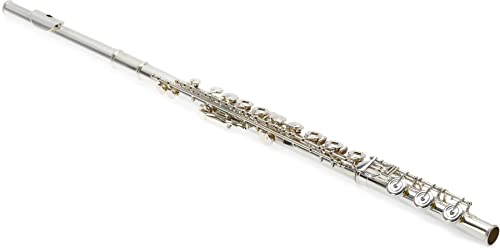
Yamaha YFL-482H
Advancing high school and college flutists, and serious amateurs, who are ready for a sterling silver body and prefer an inline G layout.
Read the Yamaha YFL-482H review →Questions Buyers Ask
Yamaha YFH-631G
See the current listing, price and included accessories.
About This Review
Mandrillis Team
The Mandrillis editorial team researches and compares audio and music gear using manufacturer documentation, verified specs and real buyer feedback, so you can make a confident purchase without wading through marketing claims.
Read our full research methodology.