Instruments Review
Yamaha YFL-222 Review: Step-Up Student Concert Flute
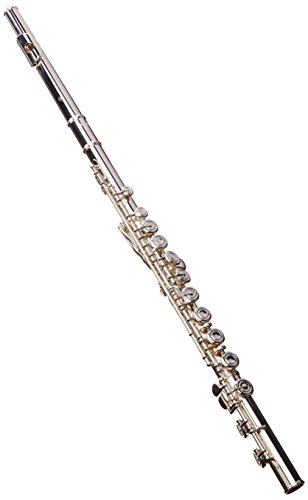
The Yamaha YFL-222 is a concert C flute with a nickel silver body, silver-plated keys and an offset G key system. This editorial review covers what the listing confirms about tone, playability and the outfit, and who the flute suits.
Our Verdict
Research Score 77/100The Yamaha YFL-222 combines a nickel silver body with silver-plated keys and an offset G layout, a sensible set of upgrades over a bare beginner flute aimed at students ready for their second instrument. The listing confirms those three points clearly but leaves open-hole versus closed-hole keys, exact weight, and any case or cleaning kit unconfirmed, so buyers should ask before assuming a complete outfit. Yamaha's track record in this category supports confidence even where the listing is thin. For a step-up student flute from a trusted maker, it earns a 77 and a solid recommendation, with the caveat that a case should be budgeted separately if not confirmed.
Editorial research score based on published specifications and documented features, not a customer rating or lab test.
Yamaha
Yamaha YFL-222
Best for: Band students moving from a basic beginner flute to a step-up instrument with better materials and an offset G key.
Skip it if: You need the listing to confirm a case and cleaning kit, or you specifically require open-hole keys for later embouchure technique.
Check Price on AmazonWe may earn a commission at no extra cost to you.
Listing verified: November 2026
Who Should Buy It
Buy it if
- Second-year band students stepping up from an entry-level flute
- Parents who want a durable nickel silver body for daily school transport
- Adult beginners who want silver-plated keys over a bare nickel finish
- Players who prefer the ergonomics of an offset G key layout
Skip it if
- You need confirmation of open-hole keys for later technique development
- You want a complete case and cleaning kit guaranteed in the box
- You want published weight and length figures before ordering
Key Specifications
| Instrument | Student concert flute in C |
| Size | Standard concert flute; exact overall length not published in listing |
| Materials | Nickel silver body with silver-plated keys |
| Key or tuning | Concert C flute with an offset G key system |
| Finish | Silver-plated key finish; body finish beyond nickel silver not detailed |
| Included accessories | Headjoint and footjoint are listed as the flute's own components, not separate add-ons; cleaning rod, cloth and case are not confirmed |
| Skill level | Marketed in the listing title as an intermediate instrument for students |
| Weight | Not published in listing |
| Made in | Not published in listing; the listing notes an International Version without specifying a manufacturing location |
| Notes | Model code YFL222; whether the keys are open-hole or closed-hole (plateau) is not stated |
Overview
The Yamaha YFL-222 is a concert C flute built with a nickel silver body and silver-plated keys, and the listing specifically calls out an offset G key system as a feature. The listing title describes it as an intermediate instrument sold in an international version, which suggests a step-up flute aimed at students who have outgrown a basic beginner model.
Yamaha's flute line has a long-standing reputation for consistent quality across its student and step-up tiers, and the YFL series specifically is one of the more recognized names in school band programs. Moving from a bare nickel finish to nickel silver with silver plating is a meaningful upgrade path that many band directors recommend once a student is ready for it.
This review works from the published listing and from general knowledge of how flutes in this category are typically built. It does not claim any direct playing experience with this specific unit. Where details are not published, such as open-hole versus closed-hole keys or exact weight, that gap is stated rather than assumed.
Tone and Intonation
A nickel silver body is a common step-up material choice, generally described as producing a slightly warmer and more resonant tone than the simpler nickel bodies found on entry-level beginner flutes. Silver-plated keys do not change the body's tone directly, but they are typically paired with nickel silver construction at this tier because both represent a step up from the most basic student flutes.
The offset G key system moves the G key slightly out from the main key line so it sits more naturally under the third finger of the left hand. Beyond ergonomics, this generally helps players maintain more consistent finger pressure and sealing on that key, which can support cleaner tone production on notes that rely on it.
Intonation on a concert flute depends heavily on headjoint cut, embouchure and air support, and the listing does not provide detail on headjoint cut characteristics beyond confirming a headjoint is part of the instrument. Buyers should expect the normal range of tuning adjustment through the headjoint cork and should not assume any special intonation correction beyond what any well-made student flute offers.
Playability and Setup
The offset G key is the standout playability feature here, and it is specifically useful for players with shorter fingers or smaller hands who find an inline G key arrangement uncomfortable to reach. Most step-up flutes at this tier use an offset G for exactly this reason, and its inclusion here matches that pattern.
Whether the keys are open-hole or closed-hole, commonly called plateau keys, is not stated in the listing. That distinction matters for players planning ahead to more advanced technique, since open-hole keys are typically required for certain intermediate and advanced repertoire. Buyers who care about this should confirm with the seller before purchasing.
Exact length, key height and the specific weight of the instrument are not published. Yamaha's student and step-up flutes generally use conventional proportions, and nothing in the listing points toward an unusual build, but a player with particularly small or large hands may still want to try the flute in person first.
Build and Materials
Nickel silver is the body material confirmed in the listing, a step up from the plain nickel used on many entry-level flutes, and it is paired here with silver-plated keys rather than a bare nickel key finish. That combination is a sensible middle tier between a true beginner flute and a solid silver professional instrument.
The listing lists the headjoint and footjoint as part of the flute, which simply confirms the instrument separates into the standard three main sections rather than describing any extra included parts. Pad material, key mechanism details and the specific alloy composition of the nickel silver are not published, so this review does not speculate about them.
Weight and country of manufacture are not stated, and the listing's reference to an international version does not clarify where the instrument is actually produced. The model code given is YFL222, and this review treats anything beyond the stated materials as unconfirmed.
- Nickel silver body
- Silver-plated keys
- Offset G key system
- Headjoint and footjoint included as the instrument's own parts
- Open-hole versus closed-hole keys not stated
- Weight and country of origin not published
What Is in the Outfit
The listing confirms the headjoint and footjoint as components of the flute itself, but it does not mention a case, a cleaning rod, a polishing cloth or any method book. A buyer should plan on the instrument arriving without those extras unless the seller confirms otherwise at the point of purchase.
A case is especially important for a step-up flute built from nickel silver and silver plating, since dents and scratches are more noticeable on a nicer finish than on a basic student model. Without a confirmed case in the listing, budgeting for one separately is a sensible precaution.
A cleaning rod and soft cloth are inexpensive but essential for keeping moisture from sitting inside the flute after playing, and neither is mentioned here. Treat the listed price as covering the instrument alone rather than a complete starter outfit.
Durability, Maintenance and Care
Nickel silver is a durable body material that resists dents reasonably well compared to softer metals, and it does not react to humidity the way wood instruments do. Silver-plated keys are more resistant to tarnish than bare nickel but will still benefit from an occasional gentle polish with a proper cloth rather than an abrasive one.
Routine care for any flute includes swabbing moisture out of the body after each playing session and wiping fingerprints off the keys, since skin oils can dull plating over time if left unattended. Pads should be checked periodically, since a leaking pad can cause notes to speak unevenly long before any other problem develops.
With reasonable care, a nickel silver and silver-plated student flute like this one should hold up well through several years of regular school use. Avoiding drops and keeping the instrument in a case when not in use are the two most effective habits for protecting the plating and the key mechanism.
Daily Practice and Who It Suits
For a student practicing daily, the offset G key is the feature most likely to be noticed immediately, since it reduces hand strain during long practice sessions. The nickel silver body's slightly fuller tone compared to a basic beginner flute can also make scale work and long tones more rewarding to hear back.
This flute fits the profile of a second instrument rather than a first purchase, aimed at a student whose teacher has recommended a step up from an entry-level model. It is not positioned as a professional instrument, and players progressing toward advanced repertoire that specifically calls for open-hole keys should confirm that detail before relying on this model long-term.
Band directors commonly recommend exactly this kind of upgrade path, nickel silver with silver-plated keys, once a student has shown enough commitment to justify the step up. For that student, the YFL-222 is a reasonable next flute.
Who Should Buy It
Buy the Yamaha YFL-222 if you are a second-year or more experienced band student looking for a step-up flute with better materials than a basic beginner model, and you value the ergonomic benefit of an offset G key. It also suits an adult beginner who wants silver-plated keys over a plain nickel finish from the start.
It is a weaker fit for a player who specifically needs open-hole keys confirmed for advancing technique, since the listing does not state the key style. Anyone who needs a guaranteed case and cleaning kit bundled into the purchase should confirm that with the seller first, since none of it is listed here.
Alternatives Worth Considering
A student who has not settled on flute specifically might also consider a clarinet such as the Yamaha YCL-255, which uses a single reed and a very different embouchure, or a saxophone such as the Jean Paul AS-400, which shares some fingering logic with the flute's woodwind family but projects in a noticeably different way. These are different instruments rather than substitutes, but worth knowing about for an undecided beginner.
Within the flute category itself, this review will not guess at specific unpublished specifications for other step-up models, but the general pattern in this tier is that nickel silver bodies with silver plating sit between basic nickel student flutes and solid silver professional instruments. A player outgrowing this model would typically look toward a solid silver headjoint or body next.
Compared to other instruments in this review batch, the YFL-222 plays a similar role to the Yamaha YCL-255 clarinet. Both are durable, well-known step-up instruments from a major manufacturer, built for school band programs rather than professional stage use.
Verdict
The Yamaha YFL-222 delivers a sensible step-up package: a nickel silver body, silver-plated keys and an offset G key system that together address the most common complaints students have with basic beginner flutes. Yamaha's reputation in this category supports confidence in the build quality even where the listing stays quiet.
The gaps, open-hole versus closed-hole keys, case and cleaning kit, exact weight and country of origin, keep the score from climbing higher. With those caveats understood, this flute earns a 77 and a clear recommendation for a student ready to move beyond their first beginner instrument.
Strengths and Limitations
Strengths
- Yamaha's well-established reputation in student and step-up flutes
- Nickel silver body is durable and holds up to daily school handling
- Silver-plated keys resist tarnish with normal care
- Offset G key system eases hand position for most players
- Confirmed as a concert C flute suited to standard method books
Limitations
- Weight and exact dimensions not published
- Case, cleaning rod and cloth not confirmed in the listing
- Open-hole versus closed-hole key configuration not stated
- Country of manufacture not stated
How We Scored It
Scores reflect published specifications, documented features and value against the alternatives below. They are editorial research scores, not laboratory measurements.
Alternatives to Consider

Stagg WS-BT235 US
Beginners, school music programs and casual community band players who need a light, compact B flat tuba with a case that is easy to transport.
Read the Stagg WS-BT235 US review →
Washburn M3SWETWRK
Intermediate mandolin players who specifically want an F style Florentine cutaway in a red translucent finish and are willing to confirm the wood specification with the seller.
Read the Washburn M3SWETWRK review →
Roland AE-20
Wind players who want silent practice, a broad sound palette and a portable doubling instrument in one upper mid-range purchase.
Read the Roland AE-20 review →Questions Buyers Ask
Yamaha YFL-222
See the current listing, price and included accessories.
About This Review
Mandrillis Team
The Mandrillis editorial team researches and compares audio and music gear using manufacturer documentation, verified specs and real buyer feedback, so you can make a confident purchase without wading through marketing claims.
Read our full research methodology.