Instruments Review
Yamaha YSL-354C Review: Dependable Small Bore Student Trombone
The Yamaha YSL-354C is a student tenor trombone with a 0.500 inch bore, an 8 inch yellow brass bell, a nickel silver inner slide, a yellow brass outer slide, a detachable counterweight and a gold lacquer finish. This editorial review explains what each of those choices means for a beginner, what the listing omits, and who should buy it.
Our Verdict
Research Score 80/100The Yamaha YSL-354C is a textbook student trombone, and the published specification shows why teachers keep recommending it. A 0.500 inch bore and 8 inch yellow brass bell give a beginner a horn that speaks easily and sounds bright and focused, the nickel silver inner slide is the component that most determines whether a student enjoys practicing, and the detachable counterweight helps smaller players balance the instrument. Gold lacquer protects the brass for years of school use. The listing does not confirm a case or mouthpiece and does not state the weight or leadpipe material, which a buyer should check at a premium tier. For a beginner through early high school, it is a horn that will not hold them back.
Editorial research score based on published specifications and documented features, not a customer rating or lab test.

Yamaha
Yamaha YSL-354C
Best for: Beginning and early intermediate trombonists in school band programs who want a reliable small bore student horn with a quality slide.
Skip it if: You are an advancing player heading toward orchestral or large bore repertoire, you need an F attachment, or you want the case and mouthpiece confirmed before paying a premium tier.
Check Price on AmazonWe may earn a commission at no extra cost to you.
Listing verified: October 2026
Who Should Buy It
Buy it if
- Parents of a beginning trombonist who want a horn that will last through middle and high school
- School programs that value Yamaha's slide consistency and parts availability
- Adult beginners and returning players who want a forgiving small bore horn
- Jazz band students who prefer a bright, quick responding tenor
Skip it if
- You need an F attachment for low register work
- You are moving into orchestral or wind ensemble repertoire that calls for a large bore
- You expect a full outfit confirmed in the listing
Key Specifications
| Instrument | Tenor trombone, student model |
| Size | Standard tenor trombone with 0.500 inch bore and 8 inch bell |
| Materials | Yellow brass bell, yellow brass outer slide, nickel silver inner slide |
| Key or tuning | B flat tenor trombone, no F attachment indicated in the listing |
| Finish | Gold lacquer |
| Included accessories | Detachable counterweight; case and mouthpiece not published in listing |
| Skill level | Student, as stated in the listing title |
| Weight | Not published in listing |
| Made in | Not published in listing |
| Notes | The 0.500 inch bore places the horn at the small to medium end of tenor trombone bores, which suits beginners and jazz players. Leadpipe material and valve attachment are not published. |
Overview
The Yamaha YSL-354C is a student tenor trombone, and its listing gives a clearer specification than most instruments at this level. The published details are a 0.500 inch bore, an 8 inch yellow brass bell, a nickel silver inner slide, a yellow brass outer slide, a detachable counterweight and a gold lacquer finish. Those are the numbers and materials that matter on a trombone, and together they describe a classic small bore student horn.
Yamaha's student brass has a long reputation in school programs for consistency, and the 354 series is the trombone equivalent of the Yamaha YTR-2330 trumpet in that role. The C in the model name indicates the version with a detachable counterweight, which is a small but useful feature for younger players who find the horn nose heavy.
This editorial review works from the published specification, from general knowledge of what bore size and slide materials mean for a player, and from what teachers and buyers report about the model. It involves no physical evaluation. Where the listing is silent, on the case, mouthpiece, weight and leadpipe, this review says so plainly.
Tone and Intonation
A 0.500 inch bore sits at the small to medium end of tenor trombone bores. Small bore horns need less air to fill, respond quickly and produce a bright, focused tone that carries well in a jazz band or a school concert band. That is precisely why they are the standard choice for beginners, who are still developing the breath support that a large bore symphonic horn demands.
The 8 inch yellow brass bell reinforces that character. Yellow brass is the brighter sounding of the common bell alloys, and an 8 inch flare is compact enough to keep the sound centered without the broad spread of a larger orchestral bell. Buyers describe the 354 series as clear and easy to project, with a sound that blends well in a student section.
Intonation on a trombone is the player's responsibility since the slide is infinitely variable, but the horn still needs to be built straight and to slot predictably. Yamaha's student trombones are consistently reported as playing in tune with positions where a teacher expects them, which makes the early months of learning the slide far less frustrating. The listing does not describe the leadpipe or tuning slide, both of which influence slotting.
Playability and Setup
The slide is everything on a trombone, and the listing confirms a nickel silver inner slide with a yellow brass outer slide. Nickel silver inner tubes are harder and smoother than plain brass, so with regular lubrication they glide quietly and resist wear from years of movement. For a student, a good slide is the difference between enjoying practice and fighting the instrument.
The detachable counterweight addresses balance. A trombone is long and front heavy, and younger players often tire in the left arm or let the bell droop. The counterweight shifts the balance point back toward the player, and because it is detachable it can be removed as the student grows or if a more experienced player prefers the lighter feel.
Out of the box, Yamaha student trombones are reported to arrive with straight slides and smooth action, which is not something every entry level horn can claim. The listing does not name a mouthpiece, so a beginner will need one chosen with a teacher's guidance, usually a medium sized model. Slide cream or oil and a small water spray bottle are needed from the first lesson.
Build and Materials
The published construction is yellow brass for the bell and outer slide and nickel silver for the inner slide, all under gold lacquer. Yellow brass is the standard trombone body material, durable and bright. Nickel silver on the inner slide is a mark of a properly built student horn, since cheaper instruments sometimes use chromed brass that wears and pits more quickly.
Gold lacquer protects the brass from tarnish and fingerprints and gives the warm appearance most players expect. It will wear through at the hand contact points after years of school use, which is cosmetic. The listing does not state the leadpipe material, the bell construction method, the slide crook material or the weight of the horn.
Yamaha's student brass is widely reported as well braced, cleanly soldered and dimensionally consistent from one instrument to the next, which matters to school programs buying several at a time. Parts and service are easy to source, and technicians are familiar with the model. Country of manufacture is not published in the listing.
- 0.500 inch bore tenor trombone
- 8 inch yellow brass bell
- Nickel silver inner slide
- Yellow brass outer slide
- Detachable counterweight
- Gold lacquer finish; case, mouthpiece and weight not published
What Is in the Outfit
The listing confirms the detachable counterweight and nothing else by way of accessories. There is no mention of a case, mouthpiece, slide lubricant, cleaning rod or polishing cloth. Yamaha student trombones are normally sold with a case and a mouthpiece, so the omission is likely a limitation of the listing copy, but at a premium tier the buyer should confirm it.
If the horn arrives without a case, a hard case is essential because trombone slides are easily bent in transit and a bent slide ruins the instrument's feel. A mouthpiece, slide cream, a spray bottle and a cleaning snake complete a beginner's kit and are inexpensive to add if they are not included.
Durability, Maintenance and Care
Trombones are mechanically simple, with no valves on this model to stick or wear, so their durability comes down to protecting the slide and the bell. The nickel silver inner slide resists wear well, but any dent or bend in either slide tube causes drag that a student will feel immediately. Carrying the horn in its case, never resting it on the slide and keeping the slide lock engaged when not playing prevent most problems.
Daily care means lubricating the slide with cream or oil and a light mist of water, wiping the lacquer with a soft cloth, and emptying the water key. Monthly, the outer slide should be cleaned with a snake and the tuning slide greased. Buyers report that Yamaha student trombones maintained this way serve through middle and high school and often go on to a second student.
Gold lacquer needs no polishing and should not be treated with brass polish, which strips it. The counterweight should be checked occasionally to ensure it is secure, since a loose weight can rattle. An annual check by a technician catches slide alignment issues early, when they are cheap to correct.
Daily Practice and Who It Suits
For a beginner the 354C makes daily practice approachable. The small bore responds to modest air, the slide moves freely so position work is about ear training rather than muscle, and the counterweight keeps the horn balanced through a half hour session. Teachers report that students on a well made small bore horn progress faster because the instrument does not add obstacles.
In school concert band, jazz band and marching band the bright yellow brass sound suits the repertoire and projects without strain. Jazz band in particular favors small bore tenors for their quick response and clear articulation, and many players keep a horn of this type for that purpose even after moving to a larger bore for concert work.
The instrument is less suited to a player moving into orchestral or advanced wind ensemble repertoire, where a larger bore and an F attachment are the expectation and the sound concept is broader and darker. That transition typically comes in late high school or college, and the 354C serves well until then.
Who Should Buy It
The clearest buyers are parents of a beginning trombonist, school programs equipping a band room, and adult beginners or returning players who want a forgiving horn. For each of them the combination of a quality nickel silver slide, a sensible bore and bell, and Yamaha's consistency is the safest route to a horn that will not need replacing early. Jazz focused students are another strong fit.
The price tier is premium for a student instrument, and the value rests on the slide quality and the horn's long service life and resale value. Buyers who confirm the case and mouthpiece with the seller remove the only real uncertainty. Those who already know they need an F attachment or a large bore should look at the next step up rather than buying twice.
Alternatives Worth Considering
Within Yamaha's own range, the same student design is offered without the detachable counterweight, which suits older or larger students who do not need the balance help and prefer a slightly lighter horn. The slide and bell specification are otherwise reported as the same, so the choice is about the player's build.
A used small bore student trombone from an established maker is a common alternative at a lower price. Slide condition is the deciding factor on any used trombone, and a technician should check it before purchase, since a slightly bent slide can cost more to correct than the saving on the horn.
For a student who is already advancing quickly, an intermediate tenor trombone with a larger bore and an F attachment may be the better long term purchase, though it is heavier, more expensive and more demanding of air. Most teachers advise starting on a small bore horn like the 354C and moving up once the fundamentals are secure.
Verdict
The Yamaha YSL-354C does the student trombone job properly. A 0.500 inch bore, an 8 inch yellow brass bell, a nickel silver inner slide and a detachable counterweight are confirmed in the listing, and together they give a beginner a horn that responds easily, balances well and has a slide that will still glide years from now.
The listing does not confirm a case or mouthpiece and omits weight and leadpipe details, so check those at a premium tier. For a school band student through early high school, or an adult starting out, it is a safe and well regarded choice that holds its value.
Strengths and Limitations
Strengths
- Nickel silver inner slide for smooth, long lasting slide action
- 0.500 inch bore and 8 inch yellow brass bell confirmed, a classic student specification
- Detachable counterweight helps balance for younger players
- Gold lacquer finish protects the brass and looks traditional
- Yamaha's reputation for straight, well aligned student slides
Limitations
- No case or mouthpiece confirmed in the listing
- Small bore limits suitability for symphonic and large ensemble work later
- Weight and country of origin not published
- Premium tier price for a student instrument
How We Scored It
Scores reflect published specifications, documented features and value against the alternatives below. They are editorial research scores, not laboratory measurements.
Alternatives to Consider

Stagg WS-BT235 US
Beginners, school music programs and casual community band players who need a light, compact B flat tuba with a case that is easy to transport.
Read the Stagg WS-BT235 US review →
Washburn M3SWETWRK
Intermediate mandolin players who specifically want an F style Florentine cutaway in a red translucent finish and are willing to confirm the wood specification with the seller.
Read the Washburn M3SWETWRK review →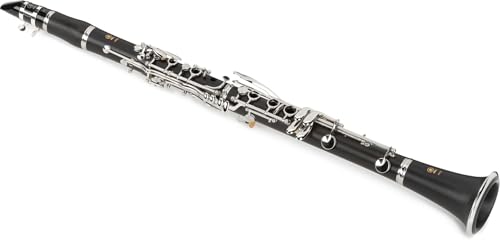
Yamaha YCL-450IIN
Advancing clarinetists moving from a resin student instrument to their first grenadilla wood clarinet who want Yamaha's consistency and a nickel plated key finish.
Read the Yamaha YCL-450IIN review →Questions Buyers Ask
Yamaha YSL-354C
See the current listing, price and included accessories.
About This Review
Mandrillis Team
The Mandrillis editorial team researches and compares audio and music gear using manufacturer documentation, verified specs and real buyer feedback, so you can make a confident purchase without wading through marketing claims.
Read our full research methodology.