Instruments Review
Yamaha YTR2330 Review: Silver Finish Student Trumpet
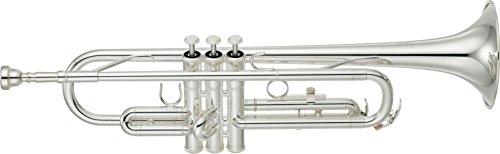
The Yamaha YTR2330 in silver finish is the standard student trumpet with a two piece yellow brass bell, gold brass leadpipe, Monel valves, pressure formed tubing, adjustable slides and an included case and mouthpiece. This editorial review explains what the published specification confirms, what it omits, and who should buy it.
Our Verdict
Research Score 81/100The Yamaha YTR2330 in silver finish is the standard student trumpet with the one upgrade that most affects longevity and appearance. The listing confirms Monel valves, a two piece yellow brass bell with a gold brass leadpipe, pressure formed tubing, a first valve thumbhook, an adjustable third valve slide and a case with mouthpiece, which is a thorough specification for the tier. Key, bore, bell diameter, weight and mouthpiece model are not published, and a careful buyer will ask, though none of those gaps changes what the horn is. For a beginner through high school player, or an adult returning to the instrument, it is a confident recommendation at the upper mid-range price, provided the owner keeps a silver cloth nearby.
Editorial research score based on published specifications and documented features, not a customer rating or lab test.
Yamaha
Yamaha YTR2330
Best for: Beginning and school band trumpet players whose families want a horn that will last through high school with professional grade valves.
Skip it if: You want the cheapest possible start, you are already an advanced player wanting a professional bore and bell, or you will not keep up with silver care.
Check Price on AmazonWe may earn a commission at no extra cost to you.
Listing verified: October 2026
Who Should Buy It
Buy it if
- Families starting a child in band who want a horn that lasts several years
- Adults returning to the trumpet who value resale and reliability
- School programs and teachers who need a known, easily serviced model
- Players who prefer a silver finish for concert appearance
Skip it if
- You want the lowest entry price and accept the risk of a budget import
- You are heading toward jazz lead or orchestral study and need a professional horn now
- You would rather have the lower maintenance lacquer version
Key Specifications
| Instrument | Student trumpet |
| Size | Standard full size trumpet |
| Materials | Two piece yellow brass bell, gold brass leadpipe, Monel valves |
| Key or tuning | Not published in listing; the 2330 family is a standard B flat student trumpet |
| Finish | Silver finish, as stated in the listing title (model suffix SC) |
| Included accessories | Case and mouthpiece |
| Skill level | Student, as stated in the listing title |
| Weight | Not published in listing |
| Made in | Not published in listing |
| Notes | Pressure formed tubing, a first valve slide thumbhook and an adjustable third valve slide are confirmed. Bore size, bell diameter and mouthpiece model are not published. |
Overview
The Yamaha YTR2330 is the trumpet most band directors name when a family asks what to buy, and this listing is the silver finish version. The published specification confirms a two piece yellow brass bell, a gold brass leadpipe, Monel valves, pressure formed tubing, a first valve slide thumbhook, an adjustable third valve slide, and a case and mouthpiece in the box.
That is an unusually complete description for a student horn, and it reads like a checklist of the features that separate a durable school instrument from a disposable one. The silver finish is the main difference from the standard lacquered 2330, and it changes the look and the care routine more than the sound.
This is an editorial research review based on the listing and on the long track record players and teachers report for the 2330 design. It does not rely on any physical evaluation. The key, bore size, bell diameter, weight and mouthpiece model are not stated, and this review treats each of those as unpublished.
Tone and Intonation
A yellow brass bell paired with a gold brass leadpipe is a deliberate combination. Yellow brass keeps the sound bright and clear, which suits a beginner who needs to hear pitch and articulation plainly, while the copper rich gold brass leadpipe adds a little warmth and smooths the response at the start of the air column. The listing confirms both.
Buyers and teachers consistently describe the 2330 as playing in tune with minimal slide work, and the published adjustable third valve slide is the tool that handles the sharp low D and C sharp that every trumpet produces. The first valve slide thumbhook, also confirmed, lets a player correct other flat or sharp notes on the fly once technique develops.
Silver finish is sometimes said to brighten the tone slightly compared with lacquer. The difference, if real, is small and buyers rarely report hearing it in a school setting. Bore and bell diameter are not published, so the precise resistance of this horn is not something the listing can tell a buyer, though the 2330 design is widely described as open and easy to fill.
Playability and Setup
Pressure formed tubing, which the listing says reduces resistance, is a manufacturing choice that keeps the inside of the tubing smooth so air moves freely. For a beginner that translates to an easier first note and less fatigue over a rehearsal. The 2330 has a reputation as an open, forgiving horn, and the published construction supports it.
Monel valves are the single most important line in the specification. Monel is a nickel copper alloy that resists corrosion and wear, and it is the valve material used on professional trumpets. Student horns with lesser valves often develop sticking and leaks within a few years, while Monel valves on a Yamaha are reported to stay fast and quiet with ordinary oiling.
The thumbhook and adjustable third slide mean the horn can grow with the player. A beginner may ignore them for a year and then start using them as intonation awareness develops. Nothing in the published description suggests the horn needs any setup work before it can be played, and the included mouthpiece gets a student started without an extra purchase.
Build and Materials
A two piece bell is standard at this tier. It is made from a flare and a stem joined at the seam rather than hammered from a single sheet, which keeps cost down and has little practical effect on a student's sound. The listing names yellow brass for the bell and gold brass for the leadpipe, and the rest of the body alloy is not stated.
The silver finish on a trumpet means a layer of silver plating over the brass, which the SC model suffix in the listing title implies. Plating is harder than lacquer, resists wear at the contact points and gives the horn a bright, formal look. It does tarnish without care, which is the trade.
Weight and bore size are not published. Yamaha student trumpets are generally reported as light enough for young players and built with tight tolerances in the valve casings and slides, and the 2330 has been in production long enough that consistency from horn to horn is well established.
- Two piece yellow brass bell
- Gold brass leadpipe
- Monel valves
- Pressure formed tubing
- First valve slide thumbhook and adjustable third valve slide
- Silver finish; bore size, bell diameter and weight not published
What Is in the Outfit
The listing confirms a case and a mouthpiece. The case style and the mouthpiece model are not specified, so a buyer should expect a standard student mouthpiece and a case that protects the horn in transit without necessarily being the lightest option.
A beginner also needs valve oil, slide grease and a cleaning kit with a snake brush, a mouthpiece brush and a polishing cloth. None of these are listed. A silver polishing cloth in particular is worth having from the start to keep the finish bright.
If the included mouthpiece turns out to be a general purpose student model, most teachers will be happy with it for the first year or two. Players who later want a different rim or cup can change the mouthpiece for far less than the cost of a new horn.
Durability, Maintenance and Care
The Monel valves and the plated finish are both durability choices. Valves oiled every few days and casings cleaned monthly should stay smooth for the life of the horn. The silver plating resists the wear that eventually eats through lacquer at the valve casing and leadpipe, so a silver 2330 tends to look better after a decade of use.
Silver does tarnish, especially where skin contacts the metal, and the fix is a regular wipe with a silver cloth and the occasional use of a silver polish made for instruments. Buyers who skip this find the horn turns dull and gray, which is cosmetic but disappointing. Lacquered horns are lower maintenance in this one respect.
Full cleaning of the tubing every month or two with warm water and a snake prevents buildup that affects response and eventually corrodes the brass from the inside. Warranty terms are not mentioned, so check with the seller, though Yamaha parts and service are widely available for this model.
Daily Practice and Who It Suits
For a school band student the 2330 is the reference point other student trumpets are measured against. It plays easily, slots notes predictably and takes abuse. A beginner practicing twenty to thirty minutes a day will find it responsive without being demanding.
Adults returning to the trumpet after years away often pick it for the same reasons, plus resale value. A player who moves to a professional horn after a few years will find the 2330 easy to sell or useful to keep as a backup for outdoor gigs where a better horn should not go.
Players aiming at jazz lead work or orchestral auditions will outgrow it, and that is expected. The next step within Yamaha is an intermediate model with a gold brass bell and a different bore, and the 2330 is designed to hand a player off to that stage with good habits intact.
Who Should Buy It
Families starting a child in band who want a horn that will last through high school are the core buyers. The published Monel valves, adjustable slides and silver finish address the three things that go wrong with cheap trumpets: sticking valves, poor intonation and worn finishes.
Teachers recommending a safe choice, and school programs buying in quantity, also favor the 2330 because repair technicians know it and parts are stocked. The silver version is a sensible pick for players who want a more formal look for concerts or who are hard on lacquer.
Buyers who need the key, bore size, bell diameter or mouthpiece model confirmed should ask the seller, as the listing does not state them. Anyone wanting the lowest possible price should consider the lacquered 2330 or a budget import, accepting the trade offs.
Alternatives Worth Considering
The standard lacquered Yamaha YTR2330 is the same horn in a gold lacquer finish and usually costs a little less. The sound and playability are reported as identical, so the choice comes down to appearance and whether the player will keep up with silver care.
Within Yamaha, the YTR-4335GII is the intermediate step with a gold brass bell and Monel valves, aimed at players who have outgrown the 2330. It costs noticeably more and makes sense for a high school player committed to several more years.
Budget student trumpets from newer brands undercut the Yamaha, and some are serviceable. Buyers report the gap shows up in valve longevity and intonation, which are exactly the areas where the 2330's published specification is strongest. For a committed student the Yamaha is the lower risk.
Verdict
The silver Yamaha YTR2330 pairs the standard student trumpet design with a finish that lasts. Monel valves, a yellow brass bell with a gold brass leadpipe, pressure formed tubing, both intonation slides and a case with mouthpiece are all confirmed, which is thorough for the tier.
What is missing is the key, the bore, the bell diameter, the weight and the mouthpiece model, and a careful buyer will ask. None of these omissions changes the horn's character, since the 2330 design is thoroughly documented by decades of use.
For a beginner through high school player, or an adult returning to the instrument, it is a safe purchase at the upper mid-range price. The score reflects a horn that does the student job about as well as it can be done.
Strengths and Limitations
Strengths
- Monel valves, the same valve material used on professional trumpets
- Yellow brass bell with a gold brass leadpipe for a clear sound with a little warmth
- Adjustable third valve slide and first valve thumbhook for intonation control
- Silver finish resists wear better than lacquer
- Case and mouthpiece included
- Decades of reputation as the standard school trumpet
Limitations
- Key, bore size and bell diameter not published in the listing
- Silver finish needs regular wiping to avoid tarnish
- Mouthpiece model and case style not specified
- Upper mid-range price for a student horn
How We Scored It
Scores reflect published specifications, documented features and value against the alternatives below. They are editorial research scores, not laboratory measurements.
Alternatives to Consider

Washburn M3SWETWRK
Intermediate mandolin players who specifically want an F style Florentine cutaway in a red translucent finish and are willing to confirm the wood specification with the seller.
Read the Washburn M3SWETWRK review →
Roland AE-20
Wind players who want silent practice, a broad sound palette and a portable doubling instrument in one upper mid-range purchase.
Read the Roland AE-20 review →
Yamaha YSL-200AD
Beginning school band trombonists and adult starters who want a slide that moves freely and a horn that balances well for a smaller player.
Read the Yamaha YSL-200AD review →Questions Buyers Ask
Yamaha YTR2330
See the current listing, price and included accessories.
About This Review
Mandrillis Team
The Mandrillis editorial team researches and compares audio and music gear using manufacturer documentation, verified specs and real buyer feedback, so you can make a confident purchase without wading through marketing claims.
Read our full research methodology.