Speakers Review
Dayton Audio Classic CS1000 Review: Clean Budget Bass
The Dayton Audio Classic CS1000 is a budget powered subwoofer with a 10-inch driver, 180W Class-D amplifier, and flexible RCA, LFE, and speaker-level inputs. The wood grain finish and swappable grille add visual appeal, but the listing omits frequency response, dimensions, and weight. It suits simple wired systems where deep bass is a priority.
Our Verdict
Research Score 70/100The Dayton Audio Classic CS1000 positions itself as a straightforward budget subwoofer for music and home theater. The listing emphasizes clean, tight low end from a 180W Class-D amplifier and a braced cabinet, along with flexible connectivity through RCA, LFE, and speaker-level inputs. The wood grain finish and included gray grille give it a friendlier living room look than typical black boxes. However, the absence of published frequency response, dimensions, and weight makes it hard to judge room fit and extension on paper. Buyers who prioritize ease of setup, wired inputs, and a brand with a five-year warranty will likely find it appealing. Those needing detailed specs or wireless features should look elsewhere or wait for more complete documentation.
Editorial research score based on published specifications and documented features, not a customer rating or lab test.

Dayton Audio
Dayton Audio Classic CS1000
Best for: Budget-conscious buyers who want a simple powered subwoofer with flexible wired inputs and a wood grain look.
Skip it if: You need published frequency response, compact dimensions, wireless streaming, or advanced subwoofer tuning controls.
Check Price on AmazonWe may earn a commission at no extra cost to you.
Listing verified: October 2026
Who Should Buy It
Buy it if
- Home theater users on a budget adding low-end impact to movies
- Music listeners whose amplifier lacks a dedicated subwoofer output
- Buyers who prefer a wood grain finish instead of plain black vinyl
- Shoppers who value a five-year warranty on a budget component
Skip it if
- You demand detailed specifications before buying
- You need a compact subwoofer with known dimensions
- You want app control, DSP, or wireless connectivity
Key Specifications
| Type | Powered subwoofer |
| Drivers | 10-inch driver |
| Power or sensitivity | 180W Class-D amplifier |
| Frequency response | Not published in listing |
| Inputs and connectivity | Stereo RCA, LFE, and speaker-level inputs |
| Bluetooth and streaming | Not published in listing |
| Dimensions | Not published in listing |
| Weight | Not published in listing |
| Finish | Wood grain with gray grille included; black grille sold separately |
| Included accessories | Gray grille included; black grille sold separately |
Overview
The Dayton Audio Classic CS1000 is a powered subwoofer aimed at budget-conscious buyers who want to add low-end weight to a music or home theater system. The listing describes a 10-inch driver paired with a 180W Class-D amplifier, housed in a wood grain cabinet. This combination is intended to deliver deep bass without taking up excessive space or draining a bank account.
The product listing highlights a clean design with a swappable grille, a gray grille included and a black grille sold separately. Inputs are generous for the price tier, with stereo RCA, LFE, and speaker-level connections. Auto-on and simple controls round out the feature set. The listing also states the subwoofer is designed in the USA and backed by a five-year warranty.
However, several important specifications are not published in the listing. Frequency response, sensitivity, cabinet dimensions, and weight are all missing. That makes it difficult to assess low-frequency extension or physical footprint. On paper, the Classic CS1000 reads as a sensible budget option, but buyers should note the gaps before comparing it with fully documented rivals.
Sound Quality
The listing describes clean, powerful bass with tight, accurate low end and minimal boominess or distortion. A 180W Class-D amplifier and a rigid, braced cabinet are credited for that behavior. On paper, a 10-inch driver in a braced enclosure can produce controlled bass, but without a published frequency response, the actual extension and rolloff remain unknown.
Dayton Audio has a reputation for value-oriented drivers and speaker components, so the Classic CS1000 likely aims for a balanced rather than exaggerated sound. The phrase clean, powerful bass suggests the subwoofer is tuned for articulation rather than sheer rumble. Still, buyers should treat this as an unverified claim given the absence of distortion or output measurements.
In a budget setting, the subwoofer should handle typical movie explosions and music bass lines adequately. It will not challenge premium sealed subwoofers for deep extension or high output, but the 10-inch cone and 180 watts are reasonable for small to medium rooms. The lack of published frequency response means users should not expect reference-level low-frequency performance.
Drivers, Power and Room Fit
The driver is a 10-inch cone, as indicated by the product title. That size is a common middle ground for budget subwoofers, offering more cone area than an 8-inch model while remaining more compact than a 12-inch box. The 180W Class-D amplifier should provide enough headroom for casual listening and moderate home theater use, though the listing does not state RMS or peak ratings separately.
The braced cabinet is described as rigid, which can reduce unwanted resonances and keep bass notes cleaner. Without dimensions, however, it is impossible to know how much floor space the subwoofer will occupy. The listing omits weight as well, so buyers cannot judge whether it is easy to move or heavy enough to stay planted.
Room fit depends heavily on output capability and extension, but those figures are not published. A 10-inch powered subwoofer with 180 watts is generally suited to small and medium rooms, not large open spaces. Users in larger rooms may need more power or a larger driver, but this model should work for bedrooms, offices, and modest living areas.
Features and Connectivity
The Classic CS1000 offers a practical set of wired inputs. Stereo RCA and LFE connections cover most AV receivers and stereo preamps, while speaker-level inputs allow integration with amplifiers that lack a dedicated subwoofer output. This makes the subwoofer compatible with older integrated amps and simple two-channel systems.
Auto-on sensing means the subwoofer can wake from standby when a signal arrives and power down when not in use. The listing mentions simple controls for fast tuning, but it does not specify which controls are present. Likely candidates include volume and crossover adjustments, but without confirmation, buyers should not assume advanced phase or EQ options.
The swappable grille is a minor but welcome feature. The gray grille is included, and a black grille is sold separately. That allows the subwoofer to blend with different furniture or speaker finishes. There is no mention of Bluetooth, Wi-Fi, app control, or a remote, so the feature set remains firmly wired and manual.
- Stereo RCA input for line-level sources
- LFE input for home theater receivers
- Speaker-level inputs for amplifiers without sub out
- Auto-on signal sensing
- Swappable gray grille included, black grille optional
- Five-year warranty from Dayton Audio
Build, Design and Finish
The cabinet is finished in a wood grain pattern, which helps the subwoofer look less industrial than typical matte black boxes. The listing specifies a gray grille included and a black grille sold separately, so owners can alter the appearance. This is a nice touch at the budget price tier, where most competitors stick to plain black vinyl.
The braced cabinet is called rigid, which suggests internal bracing helps control panel vibrations. That is a positive sign for cleaner bass. The driver is hidden behind the grille, but the wood grain surface wraps the outer cabinet. No dimensions or weight are given, so build quality on paper is mostly about the finish and the five-year warranty.
Dayton Audio states the subwoofer is designed in the USA, which may appeal to buyers who value domestic engineering. The five-year warranty is longer than many budget audio warranties, adding a layer of confidence. However, without physical inspection or published cabinet material details, the long-term durability can only be inferred from the warranty.
Setup and Placement
Setup should be straightforward with the provided inputs. Home theater users can connect a single RCA cable from the receiver's subwoofer or LFE output to the LFE input. Stereo users can run RCA pairs or speaker-level wires from their amplifier. The auto-on feature reduces the need to reach behind the subwoofer to turn it on.
The listing mentions simple controls for fast tuning, but it does not name them. Common subwoofer controls include volume and crossover frequency, and most users will need to set these to match their main speakers. Without a published frequency response, setting the crossover accurately may require some trial and error.
Placement is harder to plan because the listing omits dimensions and weight. A front-firing 10-inch subwoofer can often be placed near a wall or corner to reinforce bass, but the exact cabinet shape is unknown. Buyers should measure their intended space carefully and be prepared to experiment with subwoofer position for the smoothest response.
Daily Use
In daily use, the Classic CS1000 should operate quietly and unobtrusively once connected. Auto-on means it will turn on with a signal and go to standby when idle. The swappable grille lets owners change the look without buying a whole new subwoofer. The wood grain finish is less prone to showing dust than glossy black.
The subwoofer lacks wireless control, app settings, or a remote, so adjustments happen only at the rear panel. Once set, most users will likely leave the controls alone. The five-year warranty provides peace of mind for a budget component, and Dayton Audio's reputation for value suggests the amplifier and driver should hold up under normal use.
The missing weight and dimensions may complicate moving the subwoofer or fitting it into tight spaces. The listing does not state whether the driver fires forward or downward, though the available grille implies a front-facing driver. Buyers with pets or small children should consider grille protection, but the gray cloth grille is included.
Who Should Buy It
The Dayton Audio Classic CS1000 suits budget-minded buyers who need a simple powered subwoofer without wireless frills. It works well for home theater systems with an LFE output, as well as stereo setups using speaker-level inputs. The wood grain finish makes it a good fit for living rooms where a plain black cube would stand out.
Those who appreciate a long warranty and a brand known for value will see this as a low-risk purchase. It is also a sensible choice for someone adding bass to a pair of bookshelf speakers, such as compact desktop or bedroom systems. The included gray grille and optional black grille give a little flexibility for decor matching.
However, buyers who demand detailed specifications before committing should not expect them from this listing. The absence of frequency response, sensitivity, and physical dimensions is a real limitation. This subwoofer is best for those who trust the Dayton Audio name and are comfortable with a basic, function-first feature set.
Alternatives Worth Considering
Shoppers who want a more complete specification sheet and higher performance should consider moving up to a premium sealed subwoofer like the SVS SB-1000 Pro. That model offers app control, DSP, and published response data, but it sits in a higher price tier. It remains a reference point for what cleaner, deeper bass can deliver in a compact box.
Buyers who prefer to avoid a separate subwoofer altogether might look at floorstanding speakers such as the Polk Audio T50. Tower speakers can produce more bass than bookshelf models, though they will not match a dedicated powered subwoofer on deep effects. This option suits music-first listeners with limited floor space for extra boxes.
For desktop or small-room setups, powered bookshelf speakers like the Edifier R1280DB may provide enough low end for casual listening, eliminating the need for a subwoofer entirely. These comparisons highlight the Classic CS1000's role as a dedicated, budget wired bass solution rather than an all-in-one or high-tech product.
Verdict
The Dayton Audio Classic CS1000 is a focused budget subwoofer that prioritizes flexible wired connectivity and a livable appearance. The 10-inch driver, 180W Class-D amplifier, and braced cabinet suggest competent bass for small to medium rooms. The inclusion of RCA, LFE, and speaker-level inputs makes it easy to add to almost any existing system.
The main weakness is the thin documentation. Without frequency response, sensitivity, dimensions, or weight, buyers cannot fully evaluate performance or placement. The listing asks for trust in the Dayton Audio brand and the five-year warranty, which may be enough for budget shoppers but not for spec-driven buyers.
Overall, the Classic CS1000 earns a solid but cautious recommendation within the budget powered subwoofer category. It is best suited to users who want simple deep bass, a wood grain finish, and flexible inputs without wireless complexity. Those who need more data, advanced controls, or compact dimensions should explore alternatives with more complete listings.
Strengths and Limitations
Strengths
- Budget-friendly powered subwoofer from a known value brand
- Flexible inputs include RCA, LFE, and speaker-level
- Auto-on feature simplifies daily operation
- Rigid braced cabinet is described as reducing distortion
- Wood grain finish with swappable grille options
- Five-year warranty adds long-term confidence
Limitations
- Frequency response is not published in the listing
- No dimensions or weight provided for placement planning
- No Bluetooth or streaming features mentioned
- Black grille costs extra instead of being included
- Limited control detail beyond simple adjustments
How We Scored It
Scores reflect published specifications, documented features and value against the alternatives below. They are editorial research scores, not laboratory measurements.
Alternatives to Consider
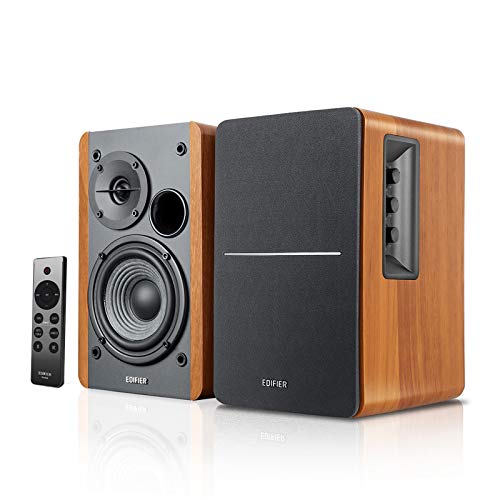
Edifier R1280DBs Active
Users who want a budget powered bookshelf speaker with Bluetooth, digital inputs and a subwoofer output for small room or desktop listening.
Read the Edifier R1280DBs Active review →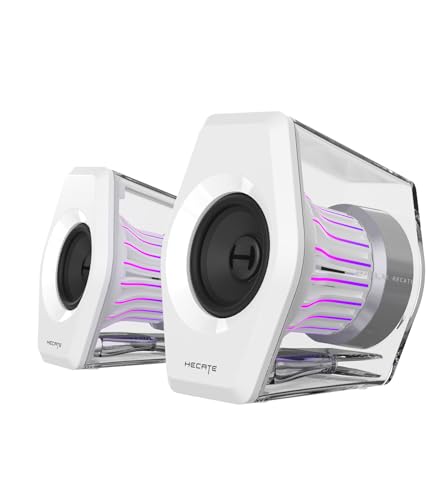
Edifier G2000 Pro
Gamers on a budget who want a compact powered 2.0 set with RGB lighting and virtual 7.1 over USB for PC and console use.
Read the Edifier G2000 Pro review →
Dayton Audio Classic T65
Buyers who want an affordable passive tower speaker pair for a stereo or home theater front left and right setup in a medium room.
Read the Dayton Audio Classic T65 review →Questions Buyers Ask
Dayton Audio Classic CS1000
See the current listing, price and included accessories.
About This Review
Mandrillis Team
The Mandrillis editorial team researches and compares audio and music gear using manufacturer documentation, verified specs and real buyer feedback, so you can make a confident purchase without wading through marketing claims.
Read our full research methodology.