Speakers Review
JBL Bar Review: Affordable 2.1 Soundbar With Wireless Sub
The JBL Bar is a budget 2.1 channel soundbar that pairs a slim bar with a wireless 6.5 inch subwoofer. With 300W max output, Bluetooth, HDMI and optical inputs, and Dolby Digital decoding, it looks like a straightforward TV upgrade. The listing leaves some audio specs unpublished, so buyers should weigh brand reputation against missing details.
Our Verdict
Research Score 78/100The JBL Bar presents a familiar value proposition from a brand with strong name recognition in the audio space. On paper, it offers a 300W max system with a wireless 6.5 inch subwoofer, Bluetooth, HDMI, optical, and Dolby Digital processing, which covers the basics for a TV sound upgrade in a budget tier. The listing does not publish frequency response, sensitivity, soundbar driver size, or weight, which makes direct comparison harder. Buyers who trust JBL's house sound and want a simple wireless subwoofer setup should find the feature set appealing. Those who demand detailed specifications or networking features may want to look elsewhere. Overall, the package reads as a practical, no frills option for smaller rooms.
Editorial research score based on published specifications and documented features, not a customer rating or lab test.

JBL
JBL Bar
Best for: A buyer who wants an affordable JBL soundbar with a wireless subwoofer for TV and music over Bluetooth.
Skip it if: A buyer who needs detailed specs, Wi-Fi streaming, or advanced HDMI features like eARC before purchase.
Check Price on AmazonWe may earn a commission at no extra cost to you.
Listing verified: October 2026
Who Should Buy It
Buy it if
- TV owners wanting a simple upgrade from built in speakers
- Renters or small room users who want a compact 2.1 setup
- Budget conscious buyers wanting a known audio brand
- Listeners who prefer Bluetooth streaming without a separate receiver
Skip it if
- You need published frequency response and sensitivity figures before buying
- You require Wi-Fi, app control, or multiroom audio
- You want a soundbar with confirmed eARC or multiple HDMI inputs
Key Specifications
| Channels | 2.1 |
| Drivers | Soundbar driver details not published; subwoofer uses a 6.5 inch driver |
| Power | 300W max total system power |
| Subwoofer | Wireless 6.5-inch subwoofer |
| Dolby Atmos and DTS | Dolby Digital only; no Dolby Atmos or DTS listed |
| HDMI eARC and inputs | HDMI and optical inputs; no eARC specified |
| Wireless and streaming | Bluetooth only |
| Dimensions | Not published in listing |
| Remote and app | Not published in listing |
| Included accessories | Not published in listing; listing mentions HDMI or optical cable connection but does not confirm included cables |
| Type | 2.1 channel soundbar system with wireless subwoofer |
| Power or sensitivity | 300W max total system power; sensitivity not published |
| Frequency response | Not published in listing |
| Inputs and connectivity | HDMI and optical connections; HDMI version and passthrough not specified |
| Bluetooth and streaming | Bluetooth wireless music streaming from mobile or tablet; no Wi-Fi or multiroom mentioned |
| Weight | Not published in listing |
| Finish | Black |
Overview
The JBL Bar is a budget 2.1 channel soundbar system that pairs a slim bar with a separate wireless subwoofer. The product listing describes a 300W max total system power figure and a 6.5 inch subwoofer driver. It does not publish frequency response, sensitivity, soundbar driver size, dimensions, or weight. The feature set centers on TV audio through HDMI or optical plus Bluetooth music streaming from a phone or tablet.
JBL positions the Bar as a simple way to add room filling sound without extra wires or speakers. Built in Dolby Digital decoding and JBL Surround Sound processing are listed as headline features. The black finish and compact soundbar form factor suggest a design meant to sit in front of a TV or on a media stand. Because the listing omits several audio specifications, buyers should treat this as a brand driven budget option rather than a measurement focused purchase.
Sound Quality
On paper, the JBL Bar relies on a 2.1 configuration with a dedicated subwoofer to handle low frequencies. The listing states that the 6.5 inch wireless subwoofer delivers deep, thrilling sound, but it does not provide a frequency response range or crossover point. Without published measurements or in-person listening, the sound quality cannot be verified from the listing alone. Buyers should expect a lively and bass forward JBL house sound, often described by owners in general terms, but that is not a substitute for objective data.
Dolby Digital decoding is included, which should help the Bar interpret surround encoded content from TV broadcasts and streaming apps. The JBL Surround Sound feature promises an immersive experience without additional speakers, but it is not a true discrete surround setup. For music over Bluetooth, the system will depend on the quality of the source device and the Bluetooth codec, which the listing does not specify. As a result, the Bar is best viewed as a TV and casual music upgrade rather than a critical listening tool.
Drivers, Power and Room Fit
The published power figure is 300W max total system power, a common marketing spec for budget soundbars. The listing does not state continuous or RMS power, so real world output may be lower. The subwoofer uses a 6.5 inch driver, which is a reasonable size for small to medium rooms and should provide more low end than typical TV speakers. The soundbar driver complement is not published, so the midrange and treble performance cannot be assessed on paper.
Room fit is another area where the listing is silent. Dimensions and weight are not published, so buyers cannot confirm whether the Bar will fit in a particular media console or under a wall mounted TV. The 2.1 design with a separate subwoofer usually offers more placement flexibility than a single bar, since the sub can be placed along a wall or beside furniture. For a small apartment or bedroom, the system is likely adequate, but larger open plan rooms may expose the limits of the unlisted driver configuration.
Features and Connectivity
The JBL Bar includes HDMI and optical inputs, which cover the most common TV connection types. The listing does not specify the HDMI version, whether it supports ARC or eARC, or if there is an HDMI output for passthrough. This matters for users with modern TVs who want to control volume with one remote or pass through 4K signals. Dolby Digital decoding is built in, but the listing does not mention support for newer formats like Dolby Digital Plus, DTS, or object based codecs such as Dolby Atmos.
Bluetooth is the only wireless streaming method mentioned. The listing says you can enjoy wireless music streaming from a mobile or tablet, but it does not list Wi-Fi, AirPlay, Chromecast, or multiroom capability. There is no mention of a companion app, so EQ adjustments and firmware updates may not be available. For a budget product, this simplicity can be a positive, but buyers who want network streaming or smart home integration will find the feature set limited.
- HDMI input for TV connection
- Optical input for older TVs
- Bluetooth for music streaming from mobile devices
- Built-in Dolby Digital decoding
- Wireless 6.5 inch subwoofer
- JBL Surround Sound processing
Build, Design and Finish
The listing describes the JBL Bar in a black finish, which should blend with most TV setups. Beyond the color, very little build information is provided. The materials for the soundbar enclosure, the subwoofer cabinet, and the grille are not published, so it is unclear whether the bar uses plastic, metal, or fabric. JBL is known for durable portable speakers, but this soundbar is a different product category and the listing does not confirm the same ruggedness.
The subwoofer is wireless, which reduces cable clutter, but the listing does not state its dimensions or weight. A 6.5 inch driver in a ported or sealed cabinet can vary in size, and without that information buyers cannot judge whether the sub will fit next to a sofa or under a desk. The lack of published dimensions extends to the main bar, so wall mounting feasibility is unknown. Overall, the design appears functional and minimal, but the listing leaves too many physical details unanswered.
Setup and Placement
Setup should be straightforward based on the listed connections. The listing says connecting JBL Surround Sound could not be easier with an HDMI or optical cable. If the buyer uses HDMI ARC, the TV remote may control volume, but the listing does not confirm ARC support. The wireless subwoofer should pair with the bar automatically or with a simple button press, although the listing does not explain the pairing procedure.
Placement will depend on the room and furniture, but no dimensions are published. The subwoofer needs to be within wireless range of the bar, which is typical for such systems. For best results, the bar should sit at ear level or as close to the TV as possible, and the subwoofer can be placed near a wall to reinforce low frequencies. Without a setup guide or app, users will have to rely on the included manual, which the listing does not describe.
Daily Use
In daily use, the JBL Bar should function as a basic TV speaker upgrade. Bluetooth streaming allows quick music playback from a phone, and the wireless sub avoids running a cable across the room. However, the listing does not mention a remote control, so it is unclear whether the Bar ships with one or relies entirely on the TV remote via HDMI CEC. If no remote is included, users may need to adjust volume on the bar itself or through their TV.
The lack of app support means there are likely no custom EQ presets beyond whatever Dolby or JBL Surround modes are built in. Users who prefer a set and forget system will find this acceptable, but those who like to fine tune bass or treble may be limited. The wireless subwoofer should maintain a connection without wires, assuming no interference, but the listing does not specify wireless frequency or pairing stability. For a budget soundbar, simplicity is often a benefit, as long as buyers know what they are giving up.
Who Should Buy It
The JBL Bar is best for TV owners who want a noticeable improvement over built in speakers without spending a lot or dealing with a receiver and multiple speakers. It fits buyers who already trust the JBL brand for portable Bluetooth speakers and want a similar easy experience for the living room. The wireless subwoofer and Bluetooth streaming make it suitable for small apartments, bedrooms, or secondary TVs.
This is not a product for buyers who need detailed specifications before purchase, advanced codec support, or network streaming. If you require Wi-Fi, AirPlay, or multiroom audio, the Bar will feel limited. If you want a soundbar with published frequency response and driver details, the listing will frustrate you. But for a straightforward budget 2.1 setup with a known brand name, the JBL Bar covers the essentials.
Alternatives Worth Considering
Buyers comparing the JBL Bar should look at other budget 2.1 soundbars from known brands, but the listing's missing specs make direct comparison difficult. Models from brands with published specifications may offer more transparency about connectivity and frequency response. The Edifier R1280DB is a pair of powered bookshelf speakers rather than a soundbar, but it often serves the same buyer who wants a simple TV and music upgrade with published driver details and Bluetooth.
The Klipsch R-51M is a passive bookshelf speaker that requires an amplifier, so it is not a direct substitute, but it shows what a more detailed product listing might include. For buyers who want a portable option, the JBL Flip 6 or Bose SoundLink Flex are small Bluetooth speakers that do not attempt to replace a TV sound system. The SVS SB-1000 Pro is a premium subwoofer that targets a different buyer than this budget soundbar.
Verdict
The JBL Bar is a budget 2.1 soundbar that promises an easy TV audio upgrade with a wireless subwoofer. The listing highlights 300W max power, a 6.5 inch subwoofer driver, Bluetooth, HDMI, optical, and Dolby Digital, which are all useful features in this price tier. However, the listing does not publish frequency response, sensitivity, soundbar driver details, dimensions, or weight, which limits a spec driven evaluation.
Buyers who value simplicity and brand reputation over measurements may be satisfied. Buyers who need comprehensive specs or networking features should look elsewhere. On the basis of the published information alone, the JBL Bar appears to be a competent no frills option for smaller rooms and secondary TVs, but it is not a standout on paper because too many details remain unpublished.
Strengths and Limitations
Strengths
- 300W max output and 6.5 inch wireless subwoofer in a budget tier
- Built-in Dolby Digital decoding for TV and movie playback
- Simple Bluetooth streaming from mobile devices
- HDMI and optical inputs cover common TV connections
- JBL Surround Sound processing with no extra wires
- Compact 2.1 form factor with a separate subwoofer
Limitations
- No published frequency response or sensitivity
- Soundbar driver details are not listed
- No Wi-Fi, app control, or multiroom streaming mentioned
- HDMI version, ARC, and eARC support not confirmed
- Included cables and remote not specified
How We Scored It
Scores reflect published specifications, documented features and value against the alternatives below. They are editorial research scores, not laboratory measurements.
Alternatives to Consider

Dayton Audio Classic T65
Buyers who want an affordable passive tower speaker pair for a stereo or home theater front left and right setup in a medium room.
Read the Dayton Audio Classic T65 review →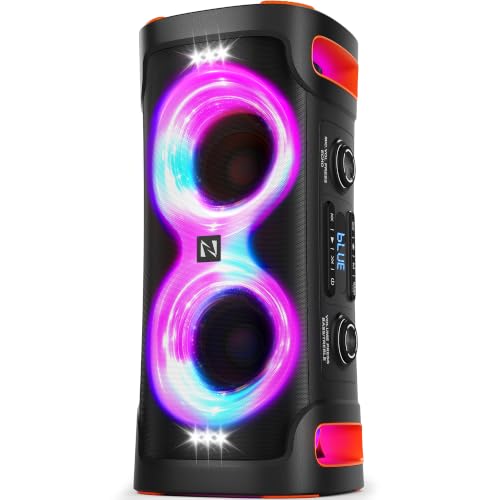
Audybb Party Speaker
Budget-minded party hosts who want a loud portable speaker with lights and TWS pairing for casual outdoor gatherings.
Read the Audybb Party Speaker review →
JBL C1PRO
Someone with an existing amplifier or receiver who wants compact passive speakers for desktop, surround, or background music use.
Read the JBL C1PRO review →Head-to-Head Comparisons
- JBL Bar vs Bose TV Speaker Compare →
Questions Buyers Ask
JBL Bar
See the current listing, price and included accessories.
About This Review
Mandrillis Team
The Mandrillis editorial team researches and compares audio and music gear using manufacturer documentation, verified specs and real buyer feedback, so you can make a confident purchase without wading through marketing claims.
Read our full research methodology.