Speakers Review
Polk Audio Signature Elite ES20 Review: Versatile Passive Bookshelf Power
The Polk Audio Signature Elite ES20 bookshelf pair brings a 1 inch Terylene tweeter, a 6.5 inch woofer, and patented Power Port bass to a lower mid-range price tier. The listing highlights Hi-Res Audio certification, Dolby Atmos and DTS:X compatibility, and flexible placement options. This passive design requires an external amplifier but promises effortless bass and timbre matched integration with other Signature Elite speakers.
Our Verdict
Research Score 81/100The Polk Audio Signature Elite ES20 appears on paper to be a strong lower mid-range passive bookshelf speaker for home theater and music. The 6.5 inch woofer and Power Port technology are the standout features, with the listing claiming 3 dB louder bass than conventional ported designs. Hi-Res Audio certification and Dolby Atmos or DTS:X compatibility add flexibility for surround and height channels. The high sensitivity and 4 or 8 ohm compatibility should make it easy to drive with most AV receivers. However the listing does not publish exact sensitivity, frequency response, dimensions, or weight, so buyers cannot verify performance before purchase. There is also no built in amplification, Bluetooth, or streaming, which is expected for a passive design but limits use to traditional component systems. Overall, if you already own an amplifier and want a versatile, bass capable bookshelf speaker that can grow into a full Polk Signature Elite system, the ES20 is worth shortlisting.
Editorial research score based on published specifications and documented features, not a customer rating or lab test.

Polk Audio
Polk Audio Signature Elite ES20
Best for: Home theater builders and music listeners who already own an AV receiver or integrated amplifier and want a versatile passive bookshelf speaker pair with strong bass claims.
Skip it if: You need a self powered speaker with built in Bluetooth or you prefer to see full frequency response and sensitivity measurements before buying.
Check Price on AmazonWe may earn a commission at no extra cost to you.
Listing verified: October 2026
Who Should Buy It
Buy it if
- Anyone assembling a Polk Signature Elite surround system
- Listeners who want a passive bookshelf speaker with a true 6.5 inch woofer
- Users who need flexible placement on stands or walls
- Home theater enthusiasts wanting Dolby Atmos and DTS:X height or surround channels
Skip it if
- You do not own an amplifier or AV receiver
- You want wireless Bluetooth streaming without extra hardware
- You require published frequency response and sensitivity specs before purchase
Key Specifications
| Type | Bookshelf speaker pair (passive) |
| Drivers | 1 inch Terylene tweeter, 6.5 inch woofer |
| Power or sensitivity | High sensitivity (exact figure not published), 4 and 8 ohm compatible |
| Frequency response | Not published in listing |
| Inputs and connectivity | Speaker level input for use with amplifiers or AV receivers (terminal type not published in listing) |
| Bluetooth and streaming | No Bluetooth or wireless streaming listed |
| Dimensions | Not published in listing |
| Weight | Not published in listing |
| Finish | Contemporary Walnut |
| Included accessories | Not published in listing |
Overview
The Polk Audio Signature Elite ES20 is a passive bookshelf speaker pair positioned in the lower mid-range price tier. The product listing describes a two way design with a 1 inch Terylene tweeter and a 6.5 inch woofer, built around Polk's Dynamically Balanced Acoustic Array and Precision Crossovers. The speakers are marketed as Hi-Res Audio certified and compatible with Dolby Atmos and DTS:X surround sound AVRs, which suggests they can serve as main, surround, or height channels.
The ES20 belongs to the broader Signature Elite series, and the listing emphasizes timbre matching with other models like the ES60 tower and ES35 center channel. That makes it an option for someone building a full home theater system piece by piece. The passive design means no built in amplification, so an external amplifier or AV receiver is required.
Polk promotes the patented Power Port technology as a key differentiator, claiming it delivers 3 dB louder bass than conventional ported speakers. This is a bold claim for a bookshelf model, but it aligns with the large 6.5 inch woofer. The listing also highlights maximum placement versatility, including side, rear, elevation, wall, or stand mounting.
Sound Quality
On paper, the ES20 has the ingredients for a balanced and dynamic sound. The 1 inch Terylene tweeter is designed to produce clear high frequencies, while the 6.5 inch woofer handles midrange and bass duties. The Dynamically Balanced Acoustic Array with Precision Crossovers should help the drivers blend smoothly, reducing harshness and improving imaging.
The listing describes a lifelike soundstage and realistic sound reproduction, especially with movie soundtracks and music. The Hi-Res Audio certification suggests the tweeter can reproduce frequencies beyond the standard CD range, although the exact upper limit is not published. The 3 dB louder bass claim from Power Port technology implies that the ES20 can produce more low end than a typical bookshelf speaker of its size, which is useful for action scenes and bass heavy music.
Because the listing does not provide a frequency response curve or sensitivity figure, buyers cannot verify the actual tonal balance or how loudly it will play with a given amplifier. The high sensitivity claim is vague, but the 4 and 8 ohm compatibility suggests it will present a reasonable load to most AV receivers. Without in-person testing, the sound quality can only be judged from the published design choices and Polk's reputation.
Drivers, Power and Room Fit
The ES20 uses a 1 inch Terylene dome tweeter and a 6.5 inch woofer. Terylene is a polyester film often used in budget to mid range tweeters for its rigidity and low distortion. The 6.5 inch woofer is larger than many budget bookshelf speakers, which typically use 5.25 inch drivers, so it should move more air and produce deeper bass, especially with the Power Port.
The listing states that the speakers have high sensitivity and 4 and 8 ohm compatibility. However, the exact sensitivity number in decibels is not published, which makes it hard to know how much amplifier power is needed. The 4 ohm rating suggests the impedance can dip lower than 8 ohms, so a receiver that is stable into 4 ohms is advisable.
For room fit, the ES20 is a bookshelf design but also can be wall mounted using screw inserts and keyhole slots. The listing positions it as suitable for side, rear, or elevation surround channels, which means it can work in small to medium rooms. The 6.5 inch woofer may need some space from walls to avoid boomy bass, but the Power Port is designed to reduce turbulence and distortion even when placed near boundaries.
Features and Connectivity
The ES20 is a passive speaker, so its feature set is defined by what it can do when paired with an external amplifier. The listing highlights Hi-Res Audio certification, which means the tweeter and crossover are designed to reproduce high resolution audio files beyond CD quality. This is useful for listeners who stream lossless or high bitrate music through a capable DAC and amplifier.
Dolby Atmos and DTS:X compatibility means the ES20 can be used as surround, rear, or elevation speakers in an object based home theater setup. The Power Port technology is another feature that differentiates it, promising less port noise and more bass output. However, there is no built in amplification, Bluetooth, or network streaming, so all connectivity is through traditional speaker wire from an AV receiver or amplifier.
- Hi-Res Audio certified
- Dolby Atmos and DTS:X compatible
- Patented Power Port technology for enhanced bass
- High sensitivity and 4 or 8 ohm compatible
- Timbre matched with Signature Elite series
- Wall mountable via keyhole slots and screw inserts
Build, Design and Finish
The ES20 is shown in a Contemporary Walnut finish, which gives it a wood veneer look that should blend with modern or traditional decor. The listing describes the Signature Elite series as having bold, modern looks that make a statement. The cabinet likely uses MDF or a similar dense material, but the listing does not state the exact construction or internal bracing.
The front baffle houses the 1 inch tweeter and 6.5 inch woofer, along with the Power Port opening. The listing mentions screw inserts and keyhole slots for wall mounting, indicating a thoughtful approach to installation. However, the overall dimensions and weight are not published, so buyers cannot gauge how large or heavy the speakers are before ordering.
The Contemporary Walnut finish is the only finish mentioned in the listing. There is no mention of grille type or included grilles, so that remains unclear. The build quality is likely in line with Polk's other Signature Elite models, but without in-person inspection, durability can only be inferred from the brand's reputation.
Setup and Placement
Setting up the ES20 requires connecting speaker wire from an amplifier or AV receiver to the speaker terminals, though the terminal type is not specified in the listing. Most passive bookshelf speakers use five way binding posts, but the listing does not confirm this. No stands are included, so users will need to place them on shelves, furniture, or purchase stands separately.
The keyhole slots and screw inserts allow the ES20 to be wall mounted for use as surround, height, or even front speakers in a space constrained room. The listing suggests using them as side, rear, or elevation surround speakers, which is useful for Dolby Atmos and DTS:X configurations. For best stereo imaging, a pair should be placed at ear height with some distance from walls to let the Power Port breathe.
Because the ES20 is timbre matched with other Signature Elite speakers, integrating it into a larger system should be straightforward. Users can start with a stereo pair and later add an ES60 tower pair, an ES35 center, and a subwoofer for a complete 5.1 setup without worrying about tonal mismatches.
Daily Use
In daily use, the ES20 will perform as a typical passive bookshelf speaker pair once connected to an amplifier. The 6.5 inch woofer and Power Port should provide satisfying bass for music and movies, reducing the immediate need for a subwoofer in smaller rooms. The high sensitivity claim, if accurate, means moderate power from an AV receiver should drive them to comfortable listening levels.
The lack of built in amplification, Bluetooth, or streaming means the ES20 will not work as a standalone wireless speaker. Users must have a separate source component, such as a receiver, integrated amplifier, or streaming amplifier. This is normal for passive speakers but worth noting for buyers coming from powered Bluetooth speakers.
The wall mounting option adds flexibility for surround and height channels, making the ES20 a good choice for home theater enthusiasts who want consistent sound across all speakers. However, because the listing does not provide exact sensitivity or power handling, users should ensure their amplifier can handle a 4 ohm load if that is the minimum impedance.
Who Should Buy It
The ES20 is best suited for home theater builders who already own an AV receiver and want a versatile passive bookshelf speaker that can serve as main, surround, or height channels. The Dolby Atmos and DTS:X compatibility makes it appealing for modern object based surround sound setups.
Music listeners who prefer a larger woofer in a compact cabinet should consider the ES20, as the 6.5 inch driver is uncommon in lower mid-range bookshelf models. The Power Port bass enhancement is a plus for those who enjoy movies and games with impactful low end.
Buyers invested in the Polk Signature Elite ecosystem will find the ES20 a natural addition due to timbre matching. It allows starting with a stereo pair and expanding to a full 5.1 or more system over time without worrying about mismatched voices across speakers.
Alternatives Worth Considering
The Edifier R1280DB is a popular powered bookshelf speaker with built in Bluetooth and amplification. It is a different animal because the ES20 is passive and requires external electronics, but for those wanting a simple all in one solution, the Edifier may be more convenient, though it has a smaller woofer and likely less dynamic range.
The Klipsch R-51M is another passive bookshelf speaker in a similar price tier, known for its horn loaded tweeter and high sensitivity. It does not have the Power Port technology, but Klipsch speakers are often favored for home theater due to their lively presentation. The ES20 differentiates with its 6.5 inch woofer and claimed bass output.
The ELAC Debut 2.0 B5.2 is a well regarded passive bookshelf speaker with a 5.25 inch woofer and a reputation for neutral sound. The ES20 offers a larger driver and specific Dolby Atmos and DTS:X compatibility claims, which may make it a better fit for surround duty. All of these alternatives have published specifications, which the ES20 lacks in some areas.
Verdict
The Polk Audio Signature Elite ES20 presents a compelling value proposition on paper for a passive bookshelf speaker in the lower mid-range tier. The 6.5 inch woofer, Terylene tweeter, and Power Port technology are highlights that suggest it can deliver impactful bass and clear highs for both music and home theater. The Hi-Res Audio certification and Dolby Atmos and DTS:X compatibility add modern relevance.
The main drawbacks are the incomplete published specifications. Exact sensitivity, frequency response, dimensions, and weight are not provided, which makes it difficult to compare objectively or plan a system. The passive design also requires an existing amplifier or receiver, and there are no wireless features, which is expected but limits convenience.
If you are building a Polk Signature Elite system or need a versatile bookshelf speaker for surround and height channels, the ES20 is worth considering. Just be prepared to accept the listing's claims without independent verification, and ensure your amplifier can handle a 4 ohm load if necessary.
Strengths and Limitations
Strengths
- Hi-Res Audio certified with Dolby Atmos and DTS:X compatibility
- Patented Power Port technology claims 3 dB louder bass than conventional ports
- High sensitivity and 4 or 8 ohm compatibility work with many amplifiers
- Versatile placement options including wall mounting via keyhole slots
- Timbre matched with other Polk Signature Elite speakers
- 6.5 inch woofer in a bookshelf form factor
Limitations
- No built in amplification, requires a separate amplifier or AV receiver
- No Bluetooth or wireless streaming features listed
- Exact sensitivity and frequency response figures are not published
- Dimensions and weight are not stated in the listing
- Speaker stands are sold separately
How We Scored It
Scores reflect published specifications, documented features and value against the alternatives below. They are editorial research scores, not laboratory measurements.
Alternatives to Consider

Klipsch 2-Pack R-100SW 10"
Home theater and music listeners who want a pair of simple wired subwoofers with controlled bass and easy receiver integration.
Read the Klipsch 2-Pack R-100SW 10" review →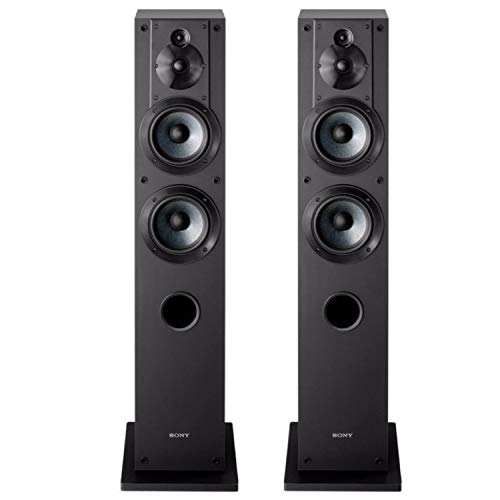
Sony SS-CS3 3-Way 4-Driver
Home theater or stereo listeners who want a lower mid-range passive floorstanding pair with high frequency extension.
Read the Sony SS-CS3 3-Way 4-Driver review →
Polk Audio Signature Elite ES35
Home theater owners who need a slim center channel that fits under a wall mounted TV without blocking the infrared sensor.
Read the Polk Audio Signature Elite ES35 review →Questions Buyers Ask
Polk Audio Signature Elite ES20
See the current listing, price and included accessories.
About This Review
Mandrillis Team
The Mandrillis editorial team researches and compares audio and music gear using manufacturer documentation, verified specs and real buyer feedback, so you can make a confident purchase without wading through marketing claims.
Read our full research methodology.