Studio Gear Review
Rode GO III Gen 3 Review: Two Channels, Float Recording, No Fuss
The Rode GO III Gen 3 bundle pairs the Wireless GO Gen 3 dual-channel 2.4 GHz system with two omnidirectional lavalier microphones. Each transmitter stores up to 40 hours of 32-bit float backup, the receiver offers GainAssist and headphone monitoring, and the kit includes a charging hub, furry windshields and cables for cameras, phones and computers.
Our Verdict
Research Score 83/100The Rode GO III Gen 3 bundle is the most complete small wireless kit in its tier on paper. Two transmitters, a dual-channel receiver with stereo or dual-mono output, roughly 853 feet of encrypted 2.4 GHz range, and 32 GB of onboard 32-bit float backup per transmitter cover the real problems of location audio: dropouts, clipping and forgotten gain settings. The added lavaliers, charging hub and cables mean nothing extra is needed on day one. Weaknesses are the seven hour sealed battery, the absence of published frequency response and weight, and the shared 2.4 GHz band. For creators and small crews, it is an easy lower mid-range recommendation.
Editorial research score based on published specifications and documented features, not a customer rating or lab test.

Rode
Rode GO III Gen 3
Best for: Solo creators, interviewers and small video crews who need two wireless voices on one camera or phone with a safety recording on the transmitter.
Skip it if: You need all-day battery swaps, a handheld stage microphone, or a system built for crowded UHF-only professional environments.
Check Price on AmazonWe may earn a commission at no extra cost to you.
Listing verified: October 2026
Who Should Buy It
Buy it if
- YouTube and documentary shooters recording two subjects on one camera
- Interviewers and podcasters who record on location with a phone or recorder
- Wedding and event videographers who want 32-bit float backup files
- Creators moving up from a wired lavalier to a flexible wireless kit
Skip it if
- You need more than seven hours of continuous runtime without recharging
- You want a handheld vocal microphone for a live stage
- You require published frequency response and sensitivity figures
Key Specifications
| Type | Dual-channel 2.4 GHz digital wireless system with two clip-on transmitters, one receiver and two bundled omnidirectional lavalier condenser microphones |
| Polar pattern | Built-in transmitter microphones not published in listing; bundled lavaliers are omnidirectional |
| Frequency response | Not published in listing |
| Connection | Series IV 2.4 GHz digital with 128-bit encryption; locking 3.5 mm lavalier inputs on transmitters; TRRS input on receiver; USB-C; analog and digital device cables included |
| Phantom power | Not applicable; internal rechargeable batteries, up to seven hours per charge |
| Max SPL or sensitivity | Not published in listing |
| Controls | GainAssist automatic output, manual gain with 30 dB range, pad, safety track and LED settings via Rode Central; headphone monitoring on receiver |
| Mount and stand | Clip-on transmitters and receiver; charging hub included |
| Weight | Not published in listing |
| Included accessories | Charging hub, three locking furry windshields, digital and analog cables, two lavalier microphones, microfiber cloth |
Overview
The Rode GO III Gen 3 is a bundle built around the Wireless GO Gen 3, a two-person compact digital wireless microphone system and recorder operating on 2.4 GHz. The package adds two omnidirectional lavalier condenser microphones and a microfiber cloth to the standard kit. It targets video creators, interviewers and mobile podcasters who want two wireless voices on a single camera, smartphone or computer.
The listing describes the third generation as a meaningful step up: Series IV 2.4 GHz transmission with an extended range of 853 feet, upgraded built-in microphones on the transmitters, locking 3.5 mm inputs for lavaliers, and 32 GB of storage in each transmitter for 32-bit float backup recording. The receiver gains GainAssist automatic level control and a brighter display. The price tier for the bundle is lower mid-range.
The design philosophy is that the transmitter is both a radio and a recorder. If the wireless link drops or the camera input clips, a clean copy still exists on the transmitter, and 32-bit float means that copy can be rescued even if it was far too quiet or too hot. That safety net is the main reason to choose this generation.
Sound Quality
No frequency response, sensitivity or self-noise figures are published in the listing, so sonic claims rest on what Rode describes. The transmitters carry upgraded built-in microphones compared with earlier generations, and the bundled lavaliers are omnidirectional condensers for clip-on use. Buyers report the built-in capsules are clear and natural for speech, with the lavaliers offering a more discreet placement at the cost of a little more clothing noise.
The 32-bit float backup recording is the sound quality feature that matters most in practice. Rode states it ensures clean, unclipped audio and safe recovery of low-level recordings without added noise. In plain terms, a laugh that spikes or a mumbled aside can be pulled back to a usable level in editing, which is a different kind of quality than tonal character.
GainAssist sets receiver output levels automatically for the camera, while manual control offers a 30 dB range for buyers who prefer to set levels themselves. Compared with a wired lavalier into a camera, the digital link adds no analog hiss of its own. Compared with a studio microphone such as the Rode NT1, the lavaliers are thinner and more speech-focused, which is expected from the format.
Pickup Pattern and Noise Handling
The bundled lavaliers are omnidirectional, which is the standard choice for clip-on microphones because it keeps the voice consistent as the speaker turns their head. The polar pattern of the built-in transmitter microphones is not published in the listing. Omnidirectional capsules do pick up more room sound than a directional microphone, so placement close to the mouth, typically on the chest, is what keeps the voice forward.
Wind is handled by three locking furry windshields included in the kit, enough for both transmitters and a spare. The locking design addresses a known weakness of earlier generations, where foam or fur could pop off during a shoot. For outdoor interviews that detail is worth more than it sounds.
Radio noise is a separate consideration, and the listing is specific here: 128-bit encrypted 2.4 GHz transmission designed to excel in congested wireless environments. The 2.4 GHz band is shared with Wi-Fi and Bluetooth, so no system is immune in a packed venue, but the onboard recording means a dropout is an inconvenience rather than a lost take. Safety tracks, which record a lower-level duplicate, add a second layer of protection.
Build Quality
The transmitters are described as ultra-compact units that clip to clothing and can also function as bodypacks for external microphones. Weight and housing material are not published in the listing. Buyers report the Gen 3 units feel sturdier than the first generation, with the locking 3.5 mm input being the most noticeable physical improvement because it stops a lavalier from pulling loose.
Internal batteries are rated at up to seven hours of runtime, and USB-C recharging takes about two hours according to the listing. Sealed cells mean no mid-shoot battery swap, so the included charging hub becomes a core part of the workflow rather than an accessory. Topping up during lunch is the practical routine for a full day.
The receiver carries a bright upgraded display that shows audio levels, signal status and battery life, which is the information an operator needs at a glance. The listing also mentions headphone monitoring on the receiver, a feature that lets the operator confirm audio before a take starts. Durability of the display and clips over years of use is not something the listing addresses.
- Two ultra-compact clip-on transmitters, each with 32 GB storage
- Dual-channel receiver with bright display and headphone monitoring
- Locking 3.5 mm lavalier inputs on both transmitters
- Internal batteries, up to seven hours, USB-C charging in about two hours
- Charging hub and three locking furry windshields included
- Weight and housing material not published in listing
Connectivity and Setup
Connectivity is the strongest part of this system on paper. The receiver supports stereo or dual-mono operation, so two voices can land on separate tracks or be summed to one, and a TRRS input allows a third microphone. The kit ships with cables for both digital and analog device connections, covering cameras, smartphones and computers without extra purchases.
USB-C serves double duty for charging and digital audio, and the system is fully compatible with Rode Connect for multitrack computer recording. That makes it a credible podcast front end as well as a camera kit: two transmitters feeding a laptop as separate tracks with no interface required. Rode Central handles configuration, firmware and file exports from the transmitters' storage.
Setup is largely automatic. The transmitters pair to the receiver out of the box, GainAssist sets output level for the connected camera, and the display confirms signal and battery. Users who want control can switch to manual gain with the 30 dB range and set pads or safety tracks in Rode Central.
Features, Controls and Extras
The feature list reads like a checklist of lessons learned from earlier compact wireless systems. Onboard recording with 32-bit float, up to 40 hours per transmitter, removes the fear of dropouts. GainAssist removes the fear of wrong levels. Locking inputs and locking windshields remove the fear of something falling off mid-shoot.
Rode Central unlocks the deeper options: onboard recording control, safety tracks, file exports, pad activation, LED adjustments and customizable settings. Dimming or disabling the LEDs matters for on-camera talent who do not want a glowing light on their shirt. Pad activation protects against loud sources such as a presenter who shouts.
The bundle extras are useful rather than token. Two lavalier microphones give a discreet alternative to clipping the transmitter itself in view, the charging hub keeps all three units topped up from one cable, and three furry windshields cover both transmitters with a spare. A microfiber cloth rounds it out.
Use Cases: Vocals, Streaming, Podcasting and Instruments
Video interviews and two-person pieces to camera are the core use case. One transmitter on each subject, the receiver on the camera shoe, and both voices arrive on separate channels with a backup on each transmitter. Wedding and event videographers use the same setup on an officiant and a speaker, relying on the float recording to survive unpredictable levels.
Podcasting and streaming on location work well through the USB-C digital output and Rode Connect, which turns the two transmitters into a two-track recording setup for a laptop. In a fixed studio, a wired dynamic such as the Shure MV7 or Rode PodMic on a boom arm is simpler and sounds fuller for a single host, so the wireless kit shines when hosts move or record outside.
Vocals on stage and instrument miking are not what this system is for. The transmitters can act as bodypacks for an external microphone through the 3.5 mm input, which opens the door to a headset or a small instrument clip, but there is no handheld option and no XLR. Singers should look at a UHF handheld system instead.
Who Should Buy It
Creators who film themselves or interview others on a mirrorless camera or a phone are the ideal buyers, especially anyone who has lost a take to a dropout or a clipped input. The onboard float recording solves exactly that problem.
Small production teams and event videographers who need two reliable channels in a pocket-sized kit will find the range, encryption and dual-mono output fit their day. Mobile podcasters who record guests in cafes or at conferences get a laptop-ready two-track system with no interface.
Buyers who need battery swaps for ten-hour shoot days, or who work in dense convention centers where 2.4 GHz is saturated, should weigh professional UHF systems instead. Anyone who needs a handheld or an XLR output will also be better served elsewhere.
Alternatives Worth Considering
The DJI Mic series is the closest competitor in format, offering a similar two-transmitter kit with onboard recording and a charging case. Buyers often choose between the two on ecosystem preference and the specific camera or phone they use, since both deliver comparable convenience.
For single-subject work on a tighter budget, a single-channel compact wireless kit or a wired lavalier into a small recorder costs less. For stage vocals or presenters with a handheld, UHF systems such as the Shure BLX or Sennheiser XSW lines serve a different need with longer battery life from AA cells.
Desk-based podcasters do not need wireless at all. A Samson Q2U or Shure MV7 into a computer gives a fuller voice for less money and no charging routine. The Rode GO III Gen 3 earns its price when mobility and backup recording matter.
Verdict
The Rode GO III Gen 3 bundle packs the features that matter for location audio into a kit that works out of the box: two channels, encrypted 2.4 GHz range of roughly 853 feet, 32-bit float backup on each transmitter, GainAssist and a charging hub. Adding two lavaliers and a full cable set means no immediate extra spending.
The listing leaves frequency response, sensitivity and weight unpublished, and the seven hour sealed battery and shared 2.4 GHz band are real constraints. For creators, interviewers and small crews in the lower mid-range tier, it still sets the standard for what a compact wireless kit should include.
Strengths and Limitations
Strengths
- Two transmitters and a dual-channel receiver in a compact kit
- 32 GB onboard storage per transmitter with 32-bit float backup recording
- Approximately 853 ft range with 128-bit encrypted transmission
- GainAssist plus a 30 dB manual gain range
- Locking 3.5 mm inputs and two lavaliers included
- USB-C charging in about two hours with a charging hub
Limitations
- Seven hour battery life and sealed cells mean no hot swap
- 2.4 GHz band can still struggle in extremely crowded venues
- Frequency response, SPL and weight not published in listing
- Receiver and transmitter microphone patterns not stated
How We Scored It
Scores reflect published specifications, documented features and value against the alternatives below. They are editorial research scores, not laboratory measurements.
Alternatives to Consider
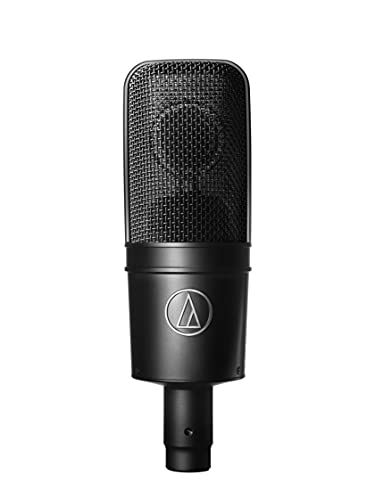
Audio-Technica AT4040
Home and project studios that want one serious large-diaphragm condenser for vocals, acoustic instruments and loud sources alike.
Read the Audio-Technica AT4040 review →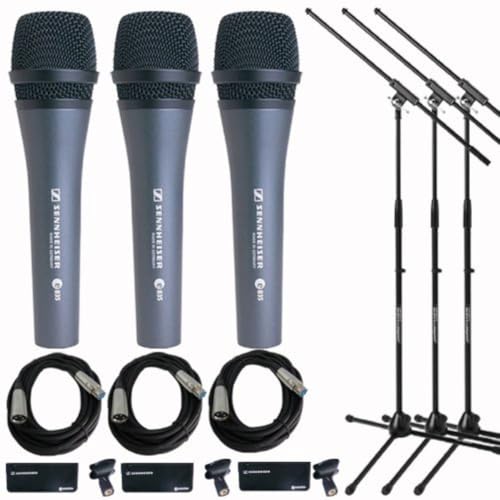
Sennheiser 835
Bands, worship teams and small venues that need three matching dynamic vocal microphones with stands and cables in a single purchase.
Read the Sennheiser 835 review →
Rode PodMic Dynamic Podcasting
Two-person podcasts and interview shows that want matching broadcast microphones, arms and monitoring headphones in one purchase.
Read the Rode PodMic Dynamic Podcasting review →Questions Buyers Ask
Rode GO III Gen 3
See the current listing, price and included accessories.
About This Review
Mandrillis Team
The Mandrillis editorial team researches and compares audio and music gear using manufacturer documentation, verified specs and real buyer feedback, so you can make a confident purchase without wading through marketing claims.
Read our full research methodology.