Studio Gear Review
Shure Nexadyne 8/S Review: A Dual-Engine Supercardioid for Loud Stages
The Shure Nexadyne 8/S is a supercardioid dynamic vocal microphone built around Revonic Dual-Engine Technology, promising natural reproduction, strong output and vocals that stay present in dense live mixes with less corrective equalization. It pairs an all-metal body and dent-resistant hardened grille with a standard XLR connection and wireless capsule compatibility.
Our Verdict
Research Score 84/100The Shure Nexadyne 8/S is a serious modern stage dynamic. Its supercardioid pattern and Revonic Dual-Engine transducer are aimed squarely at the problem of a lead vocal disappearing in a loud mix, and the listing's promise of reduced need for corrective equalization is a meaningful one for engineers. The rugged all-metal construction and hardened grille match Shure's touring reputation, and compatibility with interchangeable wireless capsules gives it a future beyond the cable. The listing publishes no frequency response, sensitivity, weight or accessory details, and supercardioid pickup requires thought about monitor placement. For performing vocalists in the lower mid-range tier, it scores near the top of the dynamic category.
Editorial research score based on published specifications and documented features, not a customer rating or lab test.

Shure
Shure Nexadyne 8/S
Best for: Touring and club vocalists who want a modern supercardioid dynamic that cuts through a loud mix without heavy processing.
Skip it if: You need a studio condenser, a USB desk microphone, or the lowest-cost reliable stage dynamic.
Check Price on AmazonWe may earn a commission at no extra cost to you.
Listing verified: October 2026
Who Should Buy It
Buy it if
- Lead vocalists on loud stages who struggle to be heard over the band
- Engineers who want vocals to need less equalization at the console
- Singers planning to move to wireless with a compatible capsule later
- Performers who want a durable metal microphone for years of touring
Skip it if
- You record quiet vocals in a studio where a condenser suits better
- You want a cardioid pattern with a more forgiving monitor placement
- You need published specifications to compare against other microphones
Key Specifications
| Type | Dynamic vocal microphone with Revonic Dual-Engine transducer |
| Polar pattern | Supercardioid |
| Frequency response | Not published in listing |
| Connection | Wired XLR |
| Phantom power | Not required (dynamic) |
| Max SPL or sensitivity | Not published in listing; described as strong output |
| Controls | Not published in listing |
| Mount and stand | Not published in listing |
| Weight | Not published in listing |
| Included accessories | Not published in listing |
Overview
The Shure Nexadyne 8/S is a wired supercardioid dynamic vocal microphone and one of the first products in Shure's Nexadyne line, which introduces what the company calls Revonic Dual-Engine Technology. The listing positions it for live vocals, studio recording and stage performance, with a black finish and a standard XLR connection. It sits in the lower mid-range price tier among professional stage dynamics.
The pitch is specific: a dynamic microphone that delivers focused vocal clarity, natural reproduction, strong output and consistent performance across vocal ranges, with vocals that remain detailed and present in dense live mixes while needing less corrective equalization. That last claim is aimed at sound engineers as much as singers, because a vocal that needs less fixing at the console is easier to mix in any room.
Shure also emphasizes durability and future-proofing. The listing describes rugged all-metal construction, a dent-resistant hardened grille and compatibility with interchangeable wireless microphone capsules, which signals that the same capsule design is available for Shure handheld transmitters. For a performer planning a wireless upgrade later, that continuity matters.
Sound Quality
No frequency response or sensitivity figure is published in the listing, so sound has to be understood through the design language Shure uses. Revonic Dual-Engine Technology refers to a transducer with two engines rather than the single coil and diaphragm of a conventional dynamic, and the listing credits it with natural vocal reproduction, strong output and consistency across vocal ranges. On paper the goal is a dynamic that behaves more evenly from a low baritone to a high soprano.
Strong output is a practical advantage on stage. A hotter dynamic needs less preamp gain, which lowers the noise floor and reduces the risk of feedback from a console pushed hard. Buyers report the Nexadyne models as noticeably louder and cleaner than a classic cardioid dynamic at the same fader position, which aligns with the listing's claims.
Compared with the Shure SM58, the reference stage dynamic, the Nexadyne 8/S is positioned as the more detailed, more modern voice with less need for the midrange and presence tweaks engineers habitually apply. Compared with the Shure SM7B, which is a broadcast microphone, the Nexadyne is built for the stage rather than the desk. It is not a replacement for a studio condenser such as the Rode NT1 when air and detail in a quiet room are the goal.
Pickup Pattern and Noise Handling
The Nexadyne 8/S is supercardioid, a tighter pattern than cardioid that narrows the front pickup and improves rejection from the sides. The listing says this helps reduce background noise and stage bleed while maintaining focused vocal clarity. On a loud stage with drums and guitar amplifiers close behind the singer, that side rejection keeps the vocal channel cleaner.
Supercardioid patterns have a small lobe of sensitivity directly behind the microphone, which changes how monitors should be placed. Instead of putting a floor wedge straight behind the microphone as one would with a cardioid, engineers typically angle monitors off to the rear sides. Singers and engineers moving from an SM58 should know this before the first soundcheck.
Handling noise and plosives are not described in the listing, and maximum SPL is not published. A dynamic transducer of this kind handles very loud singing without distortion, and Shure's stage microphones are generally regarded as well damped against handling. The supercardioid focus also slightly reduces the proximity effect compared with working a cardioid at the grille, though a low cut at the console remains useful.
Build Quality
The listing describes rugged all-metal construction and a dent-resistant hardened grille, which places the Nexadyne 8/S firmly in the touring-grade category. Grille damage is the most common cosmetic and acoustic failure on handheld vocal microphones, so a hardened grille is a practical specification rather than marketing. Weight and the exact metal are not published in the listing.
Shure's reputation for durability is one of the reasons singers choose the brand, and the Nexadyne line is marketed as the modern continuation of that promise. Buyers report a substantial, balanced feel in the hand and a finish that resists scuffing. The black colorway is the version in this listing.
Compatibility with interchangeable wireless microphone capsules suggests the capsule is designed to be removed and fitted to a compatible Shure handheld transmitter. The listing does not state which transmitters are supported or whether a clip and case are included, so those details should be confirmed with Shure's documentation.
- Rugged all-metal construction per the listing
- Dent-resistant hardened grille
- Supercardioid dynamic capsule with Revonic Dual-Engine transducer
- Compatible with interchangeable wireless capsule systems
- Weight, clip and accessories not published in listing
Connectivity and Setup
The Nexadyne 8/S is a wired microphone with a standard XLR connection, which means it works with any mixer, audio interface, stage box or powered speaker with a microphone input. No phantom power is required because it is a dynamic design, and leaving phantom on by accident will not harm it. Setup is as simple as a cable and a stand.
The strong output the listing describes has a setup benefit for home studios and podcasters using modest interfaces. Many classic dynamics need a great deal of preamp gain, sometimes requiring an inline booster, and a hotter microphone avoids that. For a singer recording demos at home, that means a cleaner signal from an inexpensive interface.
For wireless use, the interchangeable capsule compatibility is the path forward rather than a separate transmitter in the box. A performer would purchase a compatible Shure handheld transmitter and fit the Nexadyne capsule to it. The listing does not state which systems qualify, so buyers planning that route should verify compatibility before committing.
Features, Controls and Extras
The listing does not describe an on-off switch or any other control on the body, which is typical for a professional stage dynamic where engineers prefer to control mutes from the console. The feature content of the Nexadyne 8/S is inside the capsule rather than on the surface, in the Revonic Dual-Engine transducer and the supercardioid acoustic design.
The claim that the microphone is engineered to help vocals remain detailed and present with reduced need for corrective equalization is the headline feature for engineers. In practice that means fewer cuts in the low midrange and fewer boosts in the presence region to get a vocal to sit, which saves time at soundcheck and leaves more headroom before feedback.
Accessories are not published in the listing. Stage microphones at this tier usually include a stand clip and a pouch, but this review cannot confirm that from the data. Buyers should check the box contents and budget for a clip if one is not included.
Use Cases: Vocals, Streaming, Podcasting and Instruments
Live lead vocals are the primary job, from club stages to touring productions where the singer needs to cut through a loud, dense mix. Backing vocalists on crowded stages also benefit from the supercardioid rejection, which keeps the drum kit and guitar amplifiers out of the vocal channels. Worship teams with loud stage volume are another natural fit.
Studio recording is listed as an intended use, and a supercardioid dynamic with strong output works well for aggressive rock and pop vocals or for singers tracking in an untreated room. It will not deliver the air of a large-diaphragm condenser, but it also will not pick up every reflection and computer fan. Podcasters and streamers who want a stage microphone on a boom get a similar benefit, though a broadcast design such as the Shure MV7 is voiced more specifically for speech.
Instrument use is possible, especially on guitar cabinets and loud brass where a dynamic with high output and tight pickup helps. The supercardioid pattern can also isolate a snare or percussion source on a busy stage. It remains a vocal microphone first, and dedicated instrument dynamics exist for those roles.
Who Should Buy It
Lead singers who have struggled to be heard on loud stages, and the engineers mixing them, are the core buyers. The combination of supercardioid focus and strong output addresses that problem directly, and the reduced equalization claim is a real time saver at soundcheck.
Performers who plan to go wireless should consider the Nexadyne 8/S for the capsule compatibility it offers, since the same sound can move to a compatible handheld transmitter later. Durability-focused buyers who want a metal microphone with a hardened grille for years of travel will also find it appealing.
Singers who perform on quiet stages with monitors placed directly behind the microphone may prefer a cardioid pattern. And buyers who simply want the cheapest reliable stage dynamic will find the classic SM58 or the PG58 do the job at a lower price, even if they give up the Nexadyne's refinements.
Alternatives Worth Considering
The Shure SM58 is the obvious comparison and the microphone most singers already know. It costs less and uses a cardioid pattern that is easier to place monitors around, but it lacks the dual-engine transducer and the claimed reduction in corrective equalization. Shure's own Beta 58A is a supercardioid dynamic in the same family that has served loud stages for years.
Sennheiser's e 945 is a supercardioid dynamic that competes directly on tight pickup and presence, and the e 835 and e 845 sit below it in price. Singers choosing between the Shure and Sennheiser approaches usually decide on how each capsule suits their voice rather than on specifications.
For studio and desk use, a condenser such as the Audio-Technica AT4040 captures more detail in a treated room, and the Shure SM7B remains the broadcast benchmark for untreated spaces. The Nexadyne 8/S is best understood as a live vocal tool with enough versatility to record in a pinch.
Verdict
The Shure Nexadyne 8/S brings a new transducer idea to the familiar shape of a stage dynamic, and the listing frames its benefits in the language engineers care about: focused supercardioid pickup, strong output, consistency across vocal ranges and less corrective equalization. The all-metal body and hardened grille support its touring intent.
Its score is held back only by the unpublished frequency response, weight and accessory details, and by the pattern's demands on monitor placement. For vocalists who perform regularly in loud rooms and want a microphone that will follow them into wireless, it is a strong lower mid-range buy.
Strengths and Limitations
Strengths
- Supercardioid pattern for tight pickup and reduced stage bleed
- Revonic Dual-Engine transducer for natural reproduction and strong output
- Designed to sit in dense live mixes with less corrective equalization
- Rugged all-metal body with a dent-resistant hardened grille
- Compatible with interchangeable wireless microphone capsule systems
- Standard XLR connection works with any mixer
Limitations
- Frequency response, sensitivity and weight not published in listing
- Supercardioid rear lobe demands careful monitor placement
- Accessories and clip not stated in the listing
- Costs more than a classic SM58 for a similar job
How We Scored It
Scores reflect published specifications, documented features and value against the alternatives below. They are editorial research scores, not laboratory measurements.
Alternatives to Consider
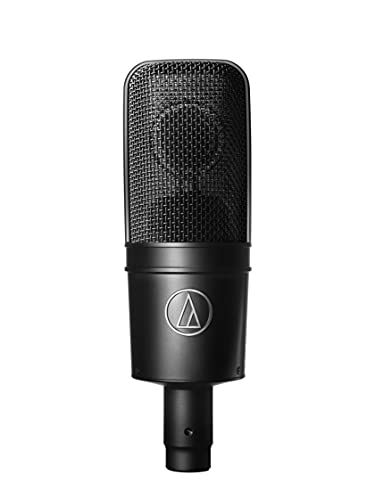
Audio-Technica AT4040
Home and project studios that want one serious large-diaphragm condenser for vocals, acoustic instruments and loud sources alike.
Read the Audio-Technica AT4040 review →
Sennheiser 835
Bands, worship teams and small venues that need three matching dynamic vocal microphones with stands and cables in a single purchase.
Read the Sennheiser 835 review →
Shure BLX24/PG58
Speakers, worship teams and casual performers who want dependable Shure wireless at the lowest tier without needing the SM58 capsule.
Read the Shure BLX24/PG58 review →Questions Buyers Ask
Shure Nexadyne 8/S
See the current listing, price and included accessories.
About This Review
Mandrillis Team
The Mandrillis editorial team researches and compares audio and music gear using manufacturer documentation, verified specs and real buyer feedback, so you can make a confident purchase without wading through marketing claims.
Read our full research methodology.