Alvarez AD30 vs Takamine GD11M
Quick Verdict
The Alvarez AD30 is the better choice for players who want a dreadnought with a confirmed solid Sitka spruce top, hand sanded scalloped bracing, and a traditional dovetail neck joint. Its tone should be clear and responsive for strumming and flatpicking, and the lifetime limited warranty adds long term value. The Takamine GD11M suits a beginner or budget minded player who prefers an all-mahogany body for a warm, mid focused voice and does not need factory electronics or a case. Both models omit published scale length, nut width, and tuner details, which makes playability hard to compare on paper.

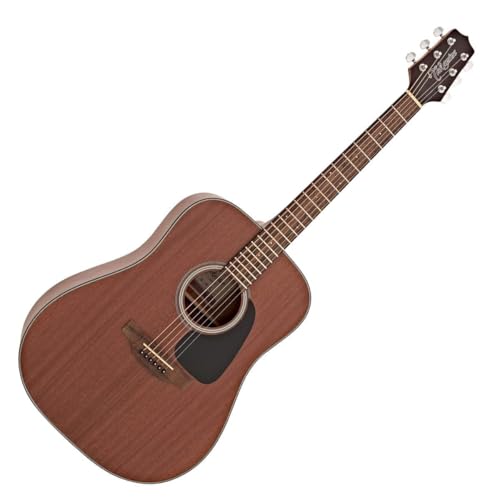
| Spec | Alvarez AD30 | Takamine GD11M |
|---|---|---|
| Body shape | Dreadnought | Dreadnought |
| Top | Solid Sitka spruce | Mahogany |
| Back and sides | Mahogany (listing does not specify solid or laminate) | Mahogany |
| Neck and fingerboard | Dovetail neck joint; specific neck wood and fingerboard material not published in listing | Neck wood not published in listing; fingerboard is laurel |
| Scale length | Not published in listing | Not published in listing |
| Nut width | Not published in listing | Not published in listing |
| Electronics | None listed | Not published in listing |
| Tuners | Not published in listing | Not published in listing |
| Finish | Natural gloss | Natural |
| Included accessories | Not published in listing | None listed; case not included |
Body, Neck and Playability
Both guitars are dreadnoughts, so their overall size and projection should be similar on paper. The Alvarez AD30 pairs a solid Sitka spruce top with mahogany back and sides, but the listing does not state whether the back and sides are solid or laminate. The Takamine GD11M uses an all-mahogany body, and the listing does not specify whether the top is solid or laminate. This difference in top material likely affects tone and responsiveness.
Neither listing publishes scale length or nut width for either model. Alvarez notes a traditional dovetail neck joint, but the specific neck wood and fingerboard material are not given. Takamine gives no neck wood either, though it does list a laurel fingerboard. Without these measurements, a player cannot judge string spacing or neck shape from the specs alone.
From the published information, the Alvarez has a known solid top and a traditional joint that may appeal to players who want a classic build. The Takamine has a simpler all-mahogany design but gives away no extra playability details. Buyers who need precise neck dimensions will have to handle each guitar or find outside measurements because the listings do not help.
Tone and Projection
The solid Sitka spruce top on the Alvarez AD30 should deliver a clear, articulate voice with good headroom, especially when paired with the hand sanded, scalloped bracing that supports top vibration. The mahogany back and sides add a warm midrange character, and the dreadnought body gives strong projection. Alvarez rates its tone score at 21 out of 25.
The Takamine GD11M has an all-mahogany top, back, and sides, which on paper suggests a warm, mid focused tone with less brightness than spruce. Its dreadnought body also provides traditional projection, but the listing does not specify bracing details or whether the top is solid. Takamine rates its tone score lower at 17 out of 25.
Because the Alvarez top is confirmed solid and the bracing is specifically described, it has a clearer documented path to a lively, open tone. The Takamine should still sound warm and balanced for strumming and singing, but the unspecified top construction makes its long term tonal potential harder to predict from the listing alone.
Hardware and Electronics
Neither guitar lists any onboard electronics or pickup in its specification. The Alvarez AD30 pros include no electronics, which means players who want to plug in will need an aftermarket pickup or a microphone. The Takamine GD11M also lists no factory electronics, and its cons note that no pickup is listed.
Tuner brand, gear ratio, and hardware finish are not published for either model. Alvarez does not specify the tuners, and Takamine also leaves tuner details out of the listing. Both guitars have a natural finish, but Alvarez describes its finish as natural gloss while Takamine simply says natural.
The Alvarez includes a lifetime limited warranty in its listing, while the Takamine listing does not mention a warranty. Takamine also states that a case is not included, whereas Alvarez does not list included accessories, so case status for the AD30 is unknown. Players who value warranty coverage may lean toward the Alvarez.
Build Quality and Finish
Alvarez builds the AD30 with a solid Sitka spruce top, hand sanded and scalloped bracing, and a dovetail neck joint. These are specific build details that suggest attention to top vibration and structural tradition. The Takamine GD11M uses an all-mahogany body with a laurel fingerboard, but its bracing and joint type are not described.
The Alvarez back and sides are listed as mahogany but not confirmed as solid or laminate. The Takamine top, back, and sides are also listed as mahogany without a solid or laminate callout. This means neither guitar can be fully verified as all-solid from the supplied specifications.
Both guitars keep a simple finish, with Alvarez using a natural gloss and Takamine stating a natural finish. The gloss on the Alvarez may show wear differently than the Takamine's natural look, but the listing does not specify Takamine's sheen level. Build quality scores are 12 for Alvarez and 10 for Takamine according to the supplied breakdown.
Setup Out of the Box
Neither listing provides factory setup measurements such as string action, neck relief, or nut slot depth. The Alvarez AD30 and Takamine GD11M both omit scale length and nut width, which are key specs for predicting out-of-box playability. Without these numbers, a buyer cannot tell if either guitar will feel comfortable immediately.
Alvarez includes a lifetime limited warranty, but that covers defects rather than an individual setup. The Takamine listing states that a case is not included, which suggests the guitar ships with minimal packaging, but no setup guarantee is mentioned for either model.
Players should be prepared to have either guitar professionally set up if the action or relief is not to their liking. The listings do not suggest any factory attention beyond basic assembly, so out-of-box performance is a variable for both models.
Daily Use and Practice
For daily practice at home, both dreadnoughts offer a full size body that can fill a room with sound. The Alvarez AD30's solid Sitka spruce top should respond well to regular playing and may open up more over time, though the listing does not confirm long term changes. Its traditional neck joint adds a familiar feel for many players.
The Takamine GD11M's all-mahogany construction is known for a warm, subdued voice that can be comfortable for vocal accompaniment and couch playing. Its lack of electronics means one less thing to maintain, and the natural finish is low key. However, the absence of a case means daily transport will require a separate purchase.
Neither listing discloses weight or body depth beyond the dreadnought shape, so comfort while playing standing or seated is hard to compare. The Alvarez's gloss finish may feel stickier on a humid day than the Takamine's natural finish, but that is not stated in the specs, only a practical consideration. Players who practice hours daily may want to try both neck profiles.
Versatility and Styles
The Alvarez AD30 is pitched as a lower mid-range dreadnought for strumming and flatpicking, and its solid spruce top with scalloped bracing supports a clear, punchy tone that suits bluegrass, folk, and country styles. Its lack of electronics limits stage use unless a pickup or microphone is added.
The Takamine GD11M is described as a beginner or budget minded option for warm strumming and singing, making it suitable for singer-songwriter, folk, and light pop styles. Its all-mahogany voice is less bright and may not cut through a dense mix as easily, but that is a tone character rather than a limitation.
According to the supplied scores, Alvarez rates 6 out of 10 for versatility while Takamine rates 7 out of 10, a slight edge for the Takamine despite its missing top material details. This may reflect the Takamine's simpler all-mahogany voice being more forgiving for casual playing, but both are acoustic-only and share similar body sizes.
The Deciding Question
The core decision between these two dreadnoughts comes down to known tonewood and construction versus a simpler all-mahogany package. The Alvarez AD30 gives you a confirmed solid Sitka spruce top, hand sanded scalloped bracing, and a dovetail neck joint, along with a lifetime limited warranty. This is a more detailed feature set for players who value those specifics.
The Takamine GD11M offers an all-mahogany body and laurel fingerboard in a lower mid-range price tier, but it leaves the solid or laminate question open and does not include a case. For a buyer who wants a warm, no-frills acoustic for practice or songwriting, those gaps may not matter.
If you cannot try both in person, the Alvarez has fewer unresolved questions about its top and bracing, while the Takamine asks you to accept more unknowns in exchange for its all-mahogany character. Decide whether the certainty of a solid top and warranty is worth more than the likely lower price and simpler build.
Who Should Buy Which
Choose the Alvarez AD30 if you want a dreadnought with a solid Sitka spruce top, scalloped bracing, a dovetail neck joint, and a lifetime limited warranty. It suits strummers and flatpickers who play folk, bluegrass, and country and do not need onboard electronics. Avoid it if you require published nut width and scale length or a smaller body.
Choose the Takamine GD11M if you are a beginner or budget minded player looking for an all-mahogany dreadnought for warm strumming and singing. Its lack of electronics keeps things simple, and the laurel fingerboard is a practical touch. Avoid it if you need a case included, solid wood confirmation, or detailed playability specs.
Neither guitar is a clear winner for every player. The Alvarez offers more documented build features and a warranty, while the Takamine may be more accessible in price and delivers an all-mahogany tone on paper. Consider which specs you can verify and which gaps you are willing to accept before buying.
Alvarez AD30
Pros
- Solid Sitka spruce top for clear, responsive tone
- Hand sanded, scalloped bracing supports top vibration
- Mahogany back and sides add warm midrange
- Traditional dovetail neck joint
- Lifetime limited warranty included
- Dreadnought body offers strong projection
Cons
- Scale length and nut width not published
- No onboard electronics or pickup
- Tuner brand and gear ratio not specified
- Back and sides may be laminate, not solid
- Neck wood and fingerboard material unknown
Takamine GD11M
Pros
- All-mahogany body and top for a warm, mid-focused voice on paper
- Dreadnought body provides traditional full-size projection
- Laurel fingerboard is a practical, rosewood-like material
- Natural finish keeps the look simple and low-maintenance
- Lower mid-range price tier makes it accessible
- No electronics to maintain or fail
Cons
- Listing does not state scale length, nut width, or neck wood
- Case is not included
- No factory electronics or pickup listed
- Solid versus laminate top not specified
- Tuner brand and finish details are not published
Who Should Buy Each
Alvarez AD30
- Strummers and flatpickers who want a full-size dreadnought
- Beginners upgrading from a laminate top to solid spruce
- Players who value a lifetime limited warranty
- Musicians who prefer a natural gloss finish
Takamine GD11M
- Beginners seeking a recognizable brand and full-size dreadnought
- Players who prefer a warm, midrange-heavy tone over bright spruce
- Acoustic-only musicians who already have a case or gig bag
- Buyers comfortable with a possible setup and unknown neck dimensions
Quick Decision Guide
| If you want a solid sitka spruce top with scalloped bracing for clear projection | Choose Alvarez AD30 |
| If you prefer an all-mahogany body for a warm, relaxed strumming voice | Choose Takamine GD11M |
| If you want a lifetime limited warranty for long term peace of mind | Choose Alvarez AD30 |
| If you are a budget minded beginner who does not need electronics or a case | Choose Takamine GD11M |
| If you play mostly flatpicking and need a traditional dovetail neck joint | Choose Alvarez AD30 |
FAQ
About This Comparison
Mandrillis Team
The Mandrillis editorial team researches and compares audio and music gear using manufacturer documentation, verified specs and real buyer feedback, so you can make a confident purchase without wading through marketing claims.
Read our full research methodology.
We may earn a commission at no extra cost to you.