Fishman Loudbox Performer Bluetooth vs Peavey Classic 20 112
Quick Verdict
The Fishman Loudbox Performer Bluetooth is the better choice for solo acoustic acts and duos because it offers 180 watts of bi-amplified power, two channels for instrument and microphone, Bluetooth streaming, and feedback controls. The Peavey Classic 20 112 is the better choice for electric guitarists who want tube tone with power scaling from 20 to 1 watt, footswitchable channels, reverb, boost, an effects loop, and direct recording outputs. Both lack headphone outputs and detailed speaker specs. Choose based on your primary instrument: acoustic and vocals point to the Fishman, electric guitar points to the Peavey. If you need Bluetooth or XLR and USB output, that may decide it.
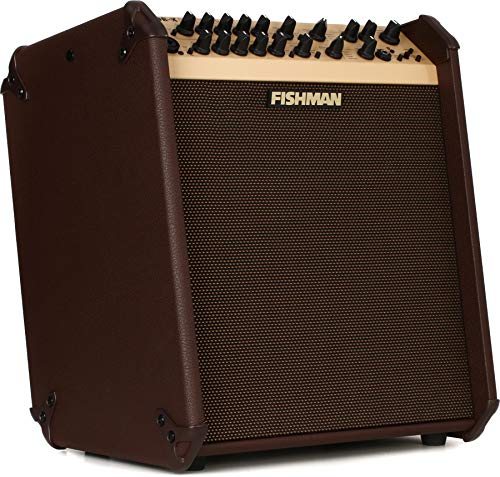

| Spec | Fishman Loudbox Performer Bluetooth | Peavey Classic 20 112 |
|---|---|---|
| Power output | 180 watts bi-amplified | 20 watts, 5 watts, or 1 watt via attenuator switch |
| Speaker | Not published in listing | Not published in listing |
| Amp models or channels | Two input channels accepting 1/4" and XLR sources for instruments and microphones | Two footswitchable channels with three-band EQ |
| Effects | New effects section per channel, specific effects not published | Footswitchable reverb and volume boost on both channels |
| Inputs and outputs | Two channels each with 1/4" and XLR inputs | Buffered effects loop, MSDI XLR output with ground lift, USB output, speaker output with 16 or 8 ohm impedance switch |
| Headphone and line out | Not published in listing | MSDI XLR line output, no headphone output published |
| Bluetooth and app | Bluetooth wireless connectivity for audio streaming; no app mentioned | Not published in listing |
| Weight | Not published in listing | Not published in listing |
| Dimensions | Not published in listing | Not published in listing |
| Included accessories | Integrated kickstand; no other accessories published | Not published in listing |
Amp Models and Tone
The Fishman Loudbox Performer Bluetooth is designed for acoustic instruments and vocals rather than electric guitar modeling. The listing states it has two input channels that accept 1/4 inch and XLR sources for instruments and microphones. A dedicated midrange control helps shape note definition for acoustic tone. The amplifier uses a bi-amplified design with 180 watts of total power, which supports clean headroom for acoustic performance. The listing does not describe specific amp models or tube versus solid state circuitry.
The Peavey Classic 20 112 is a tube amplifier aimed at electric guitar players. The listing specifies an all tube preamp and power section using 2x EL84 power tubes and 3x 12AX7 preamp tubes. It offers two footswitchable channels with a three-band EQ for tone shaping. No digital amp modeling is published, so the tone comes from the analog tube circuit. This design suggests classic Peavey voice and dynamic response.
Both amplifiers score 26 out of 30 for tone and amp models, but the approaches are opposite. The Fishman focuses on clean acoustic amplification with microphone support and feedback controls. The Peavey focuses on tube overdrive and channel switching for electric guitar. If you need to amplify an acoustic guitar and vocal microphone, the Fishman is more appropriate. If you need tube saturation and channel switching, the Peavey is the better fit.
Effects and Features
The Fishman includes a new effects section per channel, but the listing does not specify which effects are available. Feedback fighting controls are provided per channel to reduce unwanted acoustic feedback. Bluetooth wireless connectivity is included for audio streaming, such as backing tracks from a phone. An integrated 50 degree kickstand is a practical feature for stage projection. The listing does not mention an app for control, so Bluetooth is limited to audio streaming.
The Peavey offers footswitchable reverb and a volume boost on both channels. A buffered effects loop allows using external pedals without signal loss. No other built-in effects are listed, so players rely on pedals for delay, chorus, or distortion. The volume boost function is useful for solos. The listing does not state that a footswitch is included, so it may need to be purchased separately.
Both amps score 14 out of 20 for effects and features. The Fishman's per channel effects are not detailed, making direct comparison hard. The Peavey has clearly named reverb and boost, plus an effects loop for external gear. The Fishman's Bluetooth and feedback fighting tools are tailored to live acoustic performance. A player who values built-in effects flexibility may prefer the Peavey for its loop, while an acoustic performer will appreciate the Fishman's feedback controls.
Power, Speaker and Volume
The Fishman delivers 180 watts of bi-amplified power, which is substantial for live acoustic performances. The speaker size and type are not published in the listing, so projection characteristics are unknown. The bi-amplified design likely separates high and low frequencies for clarity, but this is not confirmed. The high power rating suggests the amp can handle loud stages and larger rooms. The power score is 14 out of 15.
The Peavey Classic 20 112 has a power attenuator switch offering 20 watts, 5 watts, or 1 watt. This is a tube amp, so 20 watts can be quite loud, but the lower settings allow home and studio use at manageable volumes. The speaker is not published in the listing. The power score is 13 out of 15. The flexibility of power scaling is a key advantage for players who need tube tone at low volume.
The two amplifiers serve different volume needs. The Fishman's 180 watts are for clean headroom and may be excessive for home practice but useful for acoustic projection. The Peavey's attenuation from 20 to 1 watt makes it suitable for bedroom practice and small stages. Both listings omit speaker details, so it is hard to compare tone footprint or projection quality. Buyers who prioritize maximum clean power should consider the Fishman, while those needing low volume tube tone should look at the Peavey.
Build and Portability
The Fishman listing does not publish weight or dimensions, so portability cannot be evaluated from the listing. It includes an integrated 50 degree kickstand, which suggests a design intended for floor placement with upward projection. Build quality is scored 8 out of 10, indicating solid construction. Missing physical specs make it difficult for buyers who need to carry the amp frequently.
The Peavey Classic 20 112 also does not publish weight or dimensions. As a tube combo, it likely weighs more than a solid state amp due to transformers and tubes, but the listing does not confirm. Build quality is scored 7 out of 10, slightly lower than the Fishman. No included accessories are published, so a footswitch or cover may not be included.
Both listings lack published physical specifications, so direct portability comparison is impossible from the listing. The Fishman's integrated kickstand is a useful built-in feature for stage use. The Peavey likely has a traditional cabinet design but no details are given. Buyers concerned about carrying weight should verify this information from other sources before purchasing.
Connectivity and Apps
The Fishman offers Bluetooth wireless connectivity for audio streaming, such as backing tracks from a phone or tablet. No app control is mentioned, so Bluetooth is only for audio streaming, not parameter editing. Inputs include two channels, each with a quarter inch and XLR input, suitable for instruments and microphones. The listing does not mention a headphone output or line out.
The Peavey does not list Bluetooth or any app connectivity. It offers a buffered effects loop, an MSDI XLR output with ground lift for direct connection to a mixer or interface, a USB output for recording, and a speaker output with an impedance switch for 8 or 16 ohm cabinets. No headphone output is published. These connections are geared toward studio and live integration.
Connectivity scores are 12 out of 15 for both, but they serve different needs. The Fishman focuses on wireless audio streaming for practice and performance. The Peavey provides wired recording and direct output options like XLR and USB. A player who wants to stream backing tracks will prefer the Fishman. A player who wants to record directly or connect to an external cabinet will prefer the Peavey.
Setup and Daily Use
For daily use, the Fishman is straightforward for solo acoustic performers. Plug in a guitar and microphone, adjust per channel tone and effects, and use Bluetooth for backing tracks. The integrated kickstand helps position the amp. The feedback fighting controls reduce unwanted squeal. No headphone output is listed, so silent practice may not be possible.
The Peavey is a tube amp that requires warm up and careful power management. The power attenuator switch allows using 1 watt for quiet practice, which is a big advantage. The footswitchable channels, reverb, and boost can be controlled with a footswitch, but the footswitch is not listed as included. The effects loop allows adding pedals. The MSDI XLR output can connect to a recording interface or PA, but no headphone output is published, so fully silent practice is not supported.
Both amps have daily use strengths. The Fishman reduces setup time for acoustic acts with combined mic and instrument channels. The Peavey offers more volume flexibility for home practice with its 1 watt mode. Buyers who need to play silently will be disappointed with either because neither lists a headphone output. However, the Peavey's XLR direct output might allow silent recording with an interface if a monitor is used.
Home Practice Versus Stage
The Fishman Loudbox Performer Bluetooth is designed primarily for the stage. Its 180 watts of bi-amplified power provides clean headroom for acoustic instruments and vocals in live settings. For home practice, the high wattage may be more than needed, and the lack of a headphone output means you cannot practice silently. However, Bluetooth streaming for backing tracks can make home practice enjoyable.
The Peavey Classic 20 112 is more versatile for home and stage. The power attenuator lets you set 1 watt or 5 watts for home practice, keeping tube tone at low volume. For small stages, 20 watts may be sufficient, and the MSDI XLR output allows sending a direct signal to the PA. The lack of a headphone output limits silent practice, but the lower power settings are practical.
For a home user who wants a practice amp that can also play small gigs, the Peavey is more adaptable because of the attenuator. The Fishman is a dedicated live performance tool that may be excessive for a bedroom. However, for an acoustic performer who plays coffee shops or larger rooms, the Fishman's headroom and full range design are beneficial. Both have no headphone output, so silent practice is not a strength for either.
The Deciding Question
The deciding question is straightforward: what type of instrument do you plan to amplify? The Fishman Loudbox Performer Bluetooth is built for acoustic guitars, vocals, and other acoustic instruments. It accepts XLR microphone inputs and provides feedback fighting tools. The Peavey Classic 20 112 is a tube amp designed for electric guitar, with overdrive character, channel switching, and a speaker output for extension cabinets.
Beyond instrument type, consider connectivity and practice needs. If you need Bluetooth streaming for backing tracks, the Fishman is the only one with that feature. If you need a direct XLR output for live recording or a USB output for home recording, the Peavey is the only one with those options. Neither offers a headphone output or detailed speaker specs.
Ultimately, the choice hinges on your primary use case. An acoustic performer who sings and plays will benefit from the Fishman's dual channels and power. An electric guitarist who wants tube tone at variable volumes will prefer the Peavey. Both received similar overall scores, so the decision is about matching the amplifier to the instrument and performance context.
Who Should Buy Which
Buy the Fishman Loudbox Performer Bluetooth if you are a solo acoustic performer or duo who needs to amplify an acoustic guitar and a vocal microphone simultaneously. The two channels with XLR and quarter inch inputs, feedback fighting controls, and Bluetooth streaming make it a complete live performance solution. The 180 watts of bi-amplified power ensures clean headroom for most venues.
Buy the Peavey Classic 20 112 if you are an electric guitarist who wants classic tube response for home, studio, and small stage use. The power attenuator switch for 20, 5, or 1 watt lets you get tube saturation at manageable volume. The footswitchable channels, reverb, boost, and effects loop cover most playing needs, and the MSDI XLR and USB outputs add recording flexibility.
Avoid the Fishman if you need detailed specifications like speaker size, weight, headphone output, or named effects before purchasing. Avoid the Peavey if you require silent headphone practice or built-in amp modeling. Both amps have incomplete listing details, so buyers should verify missing specs from other sources before deciding.
Fishman Loudbox Performer Bluetooth
Pros
- 180 watts bi-amplified for clean headroom
- Two channels with XLR and quarter inch inputs
- Bluetooth audio streaming for backing tracks
- Dedicated midrange control for note definition
- Feedback fighting controls per channel
- Integrated 50 degree kickstand for projection
Cons
- Speaker size and type not published
- Weight and dimensions not published
- Specific effects not detailed
- No headphone or line out mentioned
- No app control despite Bluetooth
Peavey Classic 20 112
Pros
- Tube preamp and power section with 2x EL84 and 3x 12AX7
- Power attenuator for 20, 5, or 1 watt
- Footswitchable channels, reverb, boost, and effects loop
- MSDI XLR direct output with ground lift
- USB output for recording
- Impedance switch for 8 or 16 ohm cabinets
Cons
- Speaker size and type not published
- No Bluetooth or app control published
- Weight and dimensions not published
- Footswitch not listed as included
- No headphone output published
Who Should Buy Each
Fishman Loudbox Performer Bluetooth
- Singer-songwriters who play live and need one amp for guitar and vocals
- Acoustic duos or small ensembles needing a shared amplification solution
- Performers who want Bluetooth streaming for practice and stage
- Musicians who prefer analog style controls with three band EQ and feedback tools
Peavey Classic 20 112
- Tube amp purists who want a compact all-tube combo
- Home players who need to reduce volume without losing tube response
- Recording musicians who want XLR and USB direct outs
- Small venue performers who can pair this with an external cab
Quick Decision Guide
| If you play acoustic guitar and sing and need a single amp for both | Choose Fishman Loudbox Performer Bluetooth |
| If you play electric guitar and want tube tone at low volume for practice | Choose Peavey Classic 20 112 |
| If you need Bluetooth streaming for backing tracks during practice or performance | Choose Fishman Loudbox Performer Bluetooth |
| If you need USB output for direct recording to a computer | Choose Peavey Classic 20 112 |
| If you need power scaling to switch between 20, 5, and 1 watt | Choose Peavey Classic 20 112 |
FAQ
About This Comparison
Mandrillis Team
The Mandrillis editorial team researches and compares audio and music gear using manufacturer documentation, verified specs and real buyer feedback, so you can make a confident purchase without wading through marketing claims.
Read our full research methodology.
We may earn a commission at no extra cost to you.