Korg D1 vs Studiologic Numa X Piano GT
Quick Verdict
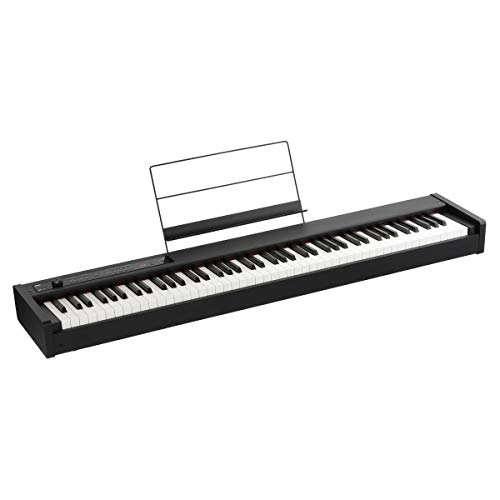
The Korg D1 is the better choice for players who want Korg's RH3 graded hammer action in the slimmest and lightest package, and who already use an amp, monitors or headphones. It includes balanced outputs and 5-pin MIDI but lacks speakers and USB. The Studiologic Numa X Piano GT suits stage players who want Fatar's TP/110 action, a modern color display, 200 sounds, built-in speakers and USB audio/MIDI. It trades a slightly lower action score and more weight for greater convenience and connectivity. Choose the Korg for pure action and portability. Choose the Studiologic for an all-in-one stage piano with modern features.

| Spec | Korg D1 | Studiologic Numa X Piano GT |
|---|---|---|
| Key Action | RH3 (Real Weighted Hammer Action 3) | Fatar TP/110 hammer action |
| Sound Engine | Korg stereo piano samples | Sampling, wave shaping and physical modeling |
| Voices | 30 | 200 |
| Polyphony | 120 notes | Not published in listing |
| Speakers | None | Built-in per Studiologic |
| Bluetooth | No | No |
| USB | No (5-pin MIDI in/out) | USB audio and MIDI per Studiologic |
| Pedals | Damper pedal included | Pedal inputs |
| Weight | 38.8 lb (17.6 kg) per listing | 46.3 lb (21 kg) per listing |
| Form Factor | Slim stage piano, 266 mm deep | Stage piano with color display |
Key Action
The Korg D1 uses the RH3 Real Weighted Hammer Action 3, graded in four zones and sourced from Korg's flagship stage pianos. The Studiologic Numa X Piano GT uses a Fatar TP/110 hammer action with improved bounce reduction. Korg scores 29 of 30 for key action, while Studiologic scores 27 of 30.
The four-zone grading on the RH3 gives the D1 a heavier bass and lighter treble feel similar to an acoustic piano. The Studiologic listing does not state whether the TP/110 is graded in zones, but it highlights bounce reduction to improve key return and repetition. This difference can affect expressive control for classical or jazz players.
Players who prioritize acoustic-like action should lean toward the Korg D1 for its top-tier RH3 and explicit grading. Those who already trust Fatar keybeds may prefer the TP/110 with its bounce reduction. Both actions are serious, but the D1 holds a small scoring edge.
Piano Sound and Speakers
The Korg D1 uses Korg stereo piano samples and offers 30 voices including two grands, electric pianos and clavs. The Studiologic Numa X Piano GT combines sampling, wave shaping and physical modeling with 200 voices. Korg scores 21 of 25 for piano sound, while Studiologic scores 22 of 25.
The Korg has 120-note polyphony, but the Studiologic listing does not publish polyphony. The D1 has no built-in speakers at all, while the Numa X Piano GT has built-in speakers per Studiologic. This difference matters when using software pianos or complex layers.
The Numa's 200-voice library and hybrid modeling give it more variety, but the Korg's focused set of 30 sounds covers essential stage work. For players who need sound without headphones or monitors, the Numa X Piano GT has a clear advantage. Both engines are credible, but the Numa's larger palette offers more room to grow.
Features and Modes
The Korg D1 keeps its feature set simple with 30 voices, balanced outputs and 5-pin MIDI, but adds no USB, Bluetooth or speakers. The Studiologic Numa X Piano GT offers 200 voices, a TFT color display with color-adaptive encoders, and zoom and edit modes. Korg scores 9 of 15 for features, while Studiologic scores 13 of 15.
The color display on the Numa X Piano GT makes it easier to navigate a large 200-sound library and adjust settings with visual feedback. The Korg listing does not state a display type, and its smaller voice count means fewer sound management demands. Players who want a streamlined interface will likely appreciate the Studiologic's modern screen.
The Korg D1 is deliberately minimal, which some gigging musicians prefer because there is less to go wrong on a dark stage. The Numa X Piano GT gives more creative tools and visual control. The feature gap is significant, but it comes at the cost of a heavier and more complex instrument.
Build, Design and Portability
The Korg D1 weighs 38.8 lb and is only 266 mm deep, making it the slimmest serious action in this comparison. The Studiologic Numa X Piano GT weighs 46.3 lb and is a stage piano with a color display. Korg scores 10 of 10 for build and portability, while Studiologic scores 8 of 10.
The D1's 266 mm depth means it fits easily into tight stage spaces and shallow desk or stand setups. The Numa X Piano GT is heavier by about 7 lb, which adds up during load-in and load-out. Its color display and deeper controls may also require more careful packing.
Neither listing states the chassis materials or build finish, so the comparison rests on weight and dimensions. The Korg D1 is the clear winner for portability without sacrificing action quality. The Numa X Piano GT remains manageable but is heavier for the added features.
Connectivity
The Korg D1 includes balanced line outputs and 5-pin MIDI in and out, but it has no USB and no Bluetooth. Its connectivity score is 6 of 10. The Studiologic Numa X Piano GT offers USB audio and MIDI per Studiologic, plus pedal inputs, and scores 9 of 10.
The Korg's 5-pin MIDI works with older hardware and stage rigs, and the balanced outputs connect directly to a PA or audio interface. However, connecting to a computer requires a separate MIDI interface because there is no USB. The lack of USB dates the D1 for modern home studios.
The Numa X Piano GT's USB audio and MIDI let it connect to a computer with one cable for both control and audio. This is a major advantage for software instruments and recording. Both pianos lack Bluetooth, so wireless use is not an option on either.
Setup and Accessories
The Korg D1 includes a damper pedal in the box. The Studiologic listing mentions pedal inputs but does not state that a damper pedal is included. This is a small but real difference for first-time setup.
The Korg D1 has no built-in speakers, so setting it up for sound requires an amplifier or headphones. The Studiologic Numa X Piano GT has built-in speakers per Studiologic, so it can produce sound immediately after powering on. For a beginner or home user, the Numa requires fewer external components.
Neither listing states a stand or bench as included, so those are separate purchases for both. The Korg's slim depth may fit a wider range of stands and desks. The Numa's heavier weight may require a sturdier stand, although the listing does not specify one. The included damper pedal on the Korg means you can use sustain immediately.
Daily Use
For everyday practice, the Korg D1 demands headphones or monitors because it has no speakers. This can be ideal for quiet practice but less convenient for acoustic enjoyment. The Studiologic Numa X Piano GT has built-in speakers per Studiologic, allowing for immediate sound in a room without extra gear.
On stage, the Korg D1 is lighter and slimmer, with balanced outputs that connect directly to front-of-house. The Studiologic Numa X Piano GT weighs more but adds USB audio and MIDI, a color display for quick patch changes, and its built-in speakers can serve as personal monitors. Both are designed as stage pianos.
The Korg's smaller 30-voice set is fast to navigate during a set, but offers fewer tonal options. The Studiologic's 200 voices and color interface provide more flexibility but may require more menu interaction, though the listing describes zoom and edit modes as streamlined. Your daily workflow will determine which is easier.
The Deciding Question
The deciding question is whether you can live without speakers and USB, or whether those features are essential for your playing environment. The Korg D1 sacrifices speakers and USB but delivers Korg's RH3 action, a slim 266 mm frame, and balanced outputs in a lighter package.
The Studiologic Numa X Piano GT adds built-in speakers, USB audio and MIDI, a color display, and 200 sounds, but it costs you extra weight and a slightly lower action score. Its polyphony is also not published in the listing, which may matter to some players.
Both pianos score 85 overall, but they solve different problems. If you already have an amp or headphones and want the best action per pound, the Korg D1 is the answer. The answer depends on your amplification and computer setup. If you need an all-in-one stage piano with modern connectivity, the Studiologic is the better fit.
Who Should Buy Which
Buy the Korg D1 if you are a gigging player or home producer who wants Korg's RH3 action without speakers or bulk. It fits best for those who use an audio interface and monitors, value the 266 mm depth, and need balanced line outputs and 5-pin MIDI for stage use.
Buy the Studiologic Numa X Piano GT if you are a stage player who wants Fatar's TP/110 hammer action with a modern color interface, 200 sounds, built-in speakers, and direct USB audio and MIDI. Avoid the Numa if you want a mainstream brand's dealer support or wooden keys.
The Korg D1 is the more focused tool for action purists and traveling players. The Studiologic Numa X Piano GT is the more versatile modern stage piano with added convenience. Both remain strong scores of 85, so the choice comes down to your priorities.
Korg D1
Pros
- RH3 action from Korg's flagship stage pianos, graded in four zones
- Thirty sounds including two grands, electric pianos and clavs
- Only 266 mm deep, the slimmest serious action available
- Balanced line outputs and 5-pin MIDI for stage use
Cons
- No built-in speakers at all
- No USB port, MIDI is 5-pin only
- 120-note polyphony
Studiologic Numa X Piano GT
Pros
- Fatar TP/110 hammer action with improved bounce reduction
- TFT color display with color-adaptive encoders
- 200 sounds from sampling, wave shaping and physical modeling
- Streamlined interface with zoom and edit modes
Cons
- Polyphony not stated on the listing
- Heavy at 46 pounds
- Smaller brand with fewer dealers
Who Should Buy Each
Korg D1
- You play live and need line outputs, MIDI and a slim, stage-ready keyboard
- You want the RH3 action from the Kronos and Grandstage at a fraction of the price
- You already own monitors or an audio interface
Studiologic Numa X Piano GT
- Fatar's TP/110 action is the feel you want
- A color display and encoders that follow your selection appeal
- You want modeled electric pianos and sampled grands in one stage piano
Quick Decision Guide
| If you need built-in speakers for practice without headphones or monitors | Choose Studiologic Numa X Piano GT |
| If you prioritize the most acoustic-like graded hammer action and lighter weight | Choose Korg D1 |
| If you need direct USB audio and MIDI connection to a computer | Choose Studiologic Numa X Piano GT |
| If you want a slim 266 mm deep stage piano with balanced outputs and 5-pin MIDI | Choose Korg D1 |
| If you want a large 200-sound library with a color display and adaptive encoders | Choose Studiologic Numa X Piano GT |
FAQ
About This Comparison
Mandrillis Team
The Mandrillis editorial team researches and compares audio and music gear using manufacturer documentation, verified specs and real buyer feedback, so you can make a confident purchase without wading through marketing claims.
Read our full research methodology.
We may earn a commission at no extra cost to you.