Positive Grid Reactor 50 vs Orange Crush 35RT
Quick Verdict
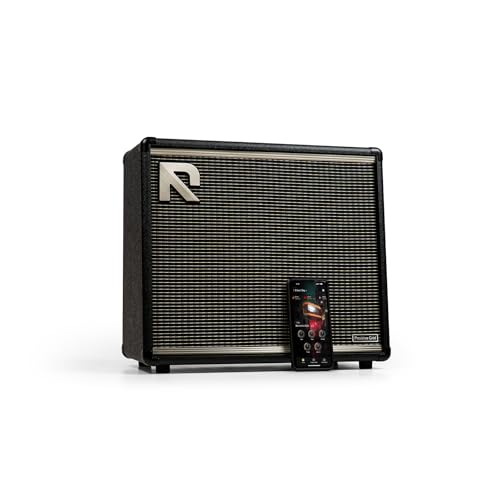
The Positive Grid Reactor 50 suits players who want modeling flexibility, app control, and AI assisted tone creation in a 50 watt 1x12 combo. Its selectable wattage, 24 amp models, and 27 effects cover home practice and small stage work. The Orange Crush 35RT suits players who prefer a pure analog signal path, a simple two channel layout, and a pedal friendly effects loop. Its 35 watt 10 inch combo includes a cab sim headphone output for silent practice. Choose the Reactor if you value deep customization and stage volume. Choose the Crush if you want no app dependency, straightforward analog tone, and confirmed headphone use.

| Spec | Positive Grid Reactor 50 | Orange Crush 35RT |
|---|---|---|
| Power output | 50 watts with selectable 1W, 25W, or full power | 35 watts |
| Speaker | Custom 12 inch speaker in a wood cabinet | 10 inch |
| Amp models or channels | 24 amps plus user-created custom amps via REACTOR app | 2-channel, footswitchable |
| Effects | 27 effects plus custom signal chains | No built in effects listed; buffered effects loop for external pedals |
| Inputs and outputs | Comprehensive I/O described, specific types not published in listing | Instrument input, headphone output, effects loop send and return, footswitch jack (implied) |
| Headphone and line out | Not published in listing | Cab Sim loaded headphone output (no dedicated line out listed) |
| Bluetooth and app | REACTOR app for control, connection type not published in listing | No Bluetooth or app support listed |
| Weight | Not published in listing | Not published in listing |
| Dimensions | Not published in listing | Not published in listing |
| Included accessories | Not published in listing | Not published in listing |
Amp Models and Tone
The Positive Grid Reactor 50 offers 24 built in amp models plus user created custom amps through the REACTOR app. This modeling platform includes AI driven amp building from text prompts, photos, and audio references. The Reactor 50 also provides a custom 12 inch speaker in a wood cabinet, which contributes to a fuller midrange and low end. Its tone score of 24 reflects a strong modeling foundation with many sonic options.
The Orange Crush 35RT takes a different approach with a two channel footswitchable design built around an all analogue signal path. It features a high gain four stage preamp that delivers Orange's characteristic British voiced overdrive. There are no built in amp models or digital simulations. The Crush 35RT earns the same tone score of 24 because its analogue preamp excels at its intended sound.
The choice between these two comes down to variety versus analogue purity. The Reactor can mimic many amplifier types and create new ones through AI, while the Crush focuses on one well executed analogue voice. Players who need multiple amp sounds in one box will prefer the Reactor. Players who set one core tone and refine it with pedals will likely appreciate the Crush.
Effects and Features
The Reactor 50 includes 27 built in effects plus custom signal chains that can be arranged and saved via the REACTOR app. This eliminates the need for a large pedalboard for many players. The amp also features unique HEAT and PUSH/SMOOTH feel controls on the front panel. These controls adjust the amp's response and saturation character beyond typical EQ knobs.
The Orange Crush 35RT lists no built in digital effects or reverb. Instead, it provides a transparent fully buffered effects loop for integrating external pedals. This is a deliberate design that keeps the signal path pure and lets players choose their own modulation, delay, and reverb pedals. The effects loop send and return are clearly listed, which is a practical advantage for pedal users.
Both amplifiers receive an effects score of 16 in the supplied breakdown. The Reactor scores with onboard variety and app integration, while the Crush scores with a high quality loop that preserves tone. Players who dislike menus may find the Crush easier to integrate with a pedalboard. Players who want one box for many sounds will find the Reactor more convenient.
Power, Speaker and Volume
The Positive Grid Reactor 50 delivers 50 watts with selectable 1 watt, 25 watt, or full power modes. This makes it suitable for bedroom practice, rehearsal, and small club gigs without changing amplifiers. The 12 inch custom speaker in a wood cabinet supports a larger sound with more low frequency extension than typical 10 inch combos. The selectable wattage helps maintain tone at lower volumes.
The Orange Crush 35RT produces 35 watts through a single 10 inch speaker. This is enough for home practice, lessons, and small gigs where the amp may be miked through a PA. The 10 inch speaker keeps the cabinet compact and focused in the midrange. The Crush does not list any extension speaker output, so the internal speaker is the only acoustic option.
Neither listing publishes maximum volume levels or sensitivity figures. The Reactor's higher wattage and larger speaker suggest more clean headroom and stage presence. The Crush's lower wattage and 10 inch speaker may break up earlier at stage volume, which can be desirable for certain playing styles. Both amps should be evaluated with your typical venue size in mind.
Build and Portability
The Reactor 50 uses a wood cabinet, which typically adds warmth and durability compared to particle board or plastic. However, the listing does not publish weight or dimensions for this model. This missing information makes it difficult to judge how easy the amplifier is to carry. A 50 watt 1x12 combo with a wood cabinet is usually not ultralight, but the actual mass remains unknown from the listing.
The Orange Crush 35RT is described as a compact 35 watt combo with a 10 inch speaker. The listing also does not publish weight or dimensions. The smaller speaker and lower power section generally imply a lighter and more portable package than a 50 watt 1x12, but without specs this cannot be confirmed. Build quality for both models is not detailed beyond the materials mentioned.
Both amplifiers receive a build and portability score of 8 out of 10 in the supplied breakdown. This equal score suggests that the evaluators considered them comparable in build despite the missing specs. If portability is critical, you may need to check physical dimensions in person or from another source before purchasing. The lack of published measurements is a shared drawback.
Connectivity and Apps
The Positive Grid Reactor 50 supports the REACTOR app for control and editing. The listing says the connection type is not published, so it is unclear whether this is Bluetooth, USB, or another method. The amplifier has comprehensive I/O described in general terms, but specific input and output connectors are not published. This lack of detail is a significant limitation for players who need to know exactly what jacks are available.
The Orange Crush 35RT lists no Bluetooth or app support. Its connectivity is straightforward: an instrument input, a headphone output with cabinet simulation, and an effects loop with send and return. A footswitch jack is implied for channel switching, though the listing does not state whether a footswitch is included. The absence of digital connectivity is intentional and may appeal to players who want a simple analogue tool.
The Reactor's app centric workflow can unlock deep editing of 24 amps and 27 effects, but it also means some functions rely on a phone or tablet. The Crush has no such dependency; every control is on the front panel. If you want to avoid screens and wireless connections, the Crush is the clearer choice. If you enjoy app based tone sharing and preset management, the Reactor has a clear advantage.
Setup and Daily Use
Setting up the Reactor 50 involves selecting a power mode, choosing an amp model, and adjusting the front panel controls. The HEAT and PUSH/SMOOTH feel controls offer immediate tactile adjustment without opening the app. For deeper editing, the REACTOR app allows custom signal chains and AI assisted amp creation. This dual workflow works well for players who like both knobs and software.
The Orange Crush 35RT is simpler to set up. You plug in the guitar, choose between the clean and dirty channels, set the gain, EQ, and volume, and play. The two channels are footswitchable, although the footswitch may need to be purchased separately according to the listing. The buffered effects loop makes it easy to insert a pedalboard without tone loss.
Daily use differences are stark. The Reactor may require occasional app updates or preset management, while the Crush is a set and forget analogue amp. If you want to experiment with many tones, the Reactor keeps those options readily available. If you want a reliable practice amp that turns on and sounds the same every day, the Crush is less likely to introduce digital distractions.
Home Practice Versus Stage
For home practice, the Reactor 50 offers a 1 watt mode that allows cranked amp tones at bedroom volume. The 12 inch speaker still moves air and provides a satisfying low end even at low wattage. However, the listing does not confirm whether a headphone output is included, so silent practice may require an external solution. The 25 watt mode covers louder home playing and small rehearsals.
The Orange Crush 35RT is designed with home practice in mind, as evidenced by its cab sim loaded headphone output. This feature lets you practice silently with a realistic speaker emulation. Its 35 watts can still get loud enough for a small room, but there is no built in power scaling. The 10 inch speaker keeps the sound focused and controlled at low volumes.
On stage, the Reactor 50 has more potential volume with 50 watts and a 12 inch speaker. The selectable full power mode should handle small club gigs without PA support. The Crush 35RT can work on stage if miked or if the band plays at moderate volumes. Its 35 watts into a 10 inch speaker may struggle to stay clean against a loud drummer. Both can be used on stage, but the Reactor has more raw headroom.
The Deciding Question
The central question is whether you prefer a modeling platform with app integration or a pure analogue amplifier with a pedal loop. The Reactor 50 offers 24 amp models, 27 effects, AI assisted tone creation, and selectable wattage in a 1x12 format. This versatility is ideal for players who cover many styles or who enjoy crafting unique tones.
The Crush 35RT offers a high gain four stage analogue preamp, two footswitchable channels, a fully buffered effects loop, and a headphone output with cab simulation. It has no built in effects and no app, which keeps the signal path simple and immediate. This is ideal for players who already own pedals and want a reliable analogue foundation.
Consider how you actually play. Do you spend more time tweaking presets or stomping on pedals? Do you need many amp sounds in one box or one great core sound? Your answer will point clearly to one of these two amplifiers. Both score within a point of each other, so the decision rests on workflow, not quality.
Who Should Buy Which
Buy the Positive Grid Reactor 50 if you want a 50 watt modeling combo with a real 12 inch speaker, app control, and AI assisted custom amp creation. It is the better choice for guitarists who need multiple amp models and effects without a large pedalboard. The selectable wattage modes make it flexible for home and stage. Just be aware that the listing does not specify all I/O connectors or physical dimensions.
Buy the Orange Crush 35RT if you want a straightforward analogue practice amp with a confirmed headphone output and an effects loop for your pedals. It is the better choice for players who dislike apps and digital modeling, and who want the characteristic Orange high gain preamp. The 35 watt 10 inch combo is compact and suitable for home practice and small gigs with PA support.
If you are still undecided, focus on the two missing details that affect daily use: the Reactor's unspecified headphone output and the Crush's lack of built in effects. Those two points often settle the decision faster than any other spec. Both amplifiers are strong lower mid range options in their respective categories.
Positive Grid Reactor 50
Pros
- Selectable 1W, 25W, and full power modes for home and stage use
- 24 amp models and 27 effects expandable with custom signal chains
- AI driven amp building from prompts, photos, and audio references
- 12 inch custom speaker in a wood cabinet for fuller tone
- Unique HEAT and PUSH/SMOOTH feel controls on the front panel
- REACTOR app provides deep editing without extra pedals
Cons
- Listing does not publish specific input and output connectors
- Weight and dimensions are not provided
- App centric workflow may not suit players who prefer hardware only control
- Effect and amp model names are not specified in the listing
- No published headphone or line out details
Orange Crush 35RT
Pros
- Analogue signal path with high gain four stage preamp
- Cab sim loaded headphone output for silent practice
- Transparent fully buffered effects loop for pedals
- Footswitchable two channel design
- Compact 35 watt combo with 10 inch speaker
- Lower mid-range price tier
Cons
- No built in digital effects or reverb
- No Bluetooth or app connectivity
- Weight and dimensions not published in listing
- Footswitch likely not included
- Limited to 10 inch speaker with no extension output listed
Who Should Buy Each
Positive Grid Reactor 50
- Players who enjoy deep tone editing and custom amp design
- Home musicians who want a 1x12 combo with selectable low wattage
- Small venue performers needing a portable 50 watt amp
- Fans of Positive Grid software who want a traditional cabinet format
Orange Crush 35RT
- Beginner and intermediate players
- Home practice and silent practice users
- Fans of Orange's British style tone
- Pedal users who need an effects loop
Quick Decision Guide
| If you want built in amp models and effects without external pedals | Choose Positive Grid Reactor 50 |
| If you prefer a pure analog preamp and plan to use your own effect pedals | Choose Orange Crush 35RT |
| If you need confirmed headphone output with cabinet simulation for silent practice | Choose Orange Crush 35RT |
| If you want selectable lower wattage modes and a larger 12 inch speaker | Choose Positive Grid Reactor 50 |
| If you want a straightforward amp with no app or Bluetooth dependency | Choose Orange Crush 35RT |
FAQ
About This Comparison
Mandrillis Team
The Mandrillis editorial team researches and compares audio and music gear using manufacturer documentation, verified specs and real buyer feedback, so you can make a confident purchase without wading through marketing claims.
Read our full research methodology.
We may earn a commission at no extra cost to you.