Yamaha THR5 vs Roland Cube Street Mini
Quick Verdict
For home guitarists who value amp modeling and hi fi stereo sound at low volume, the Yamaha THR5 is the better pick, but its missing connectivity details call for caution. For solo or duo performers needing a microphone input, Bluetooth audio streaming, and specified effects, the Roland Cube Street Mini is more practical. Both amps are battery powered and portable, but the Yamaha publishes 10 watts while the Roland does not publish power output. Neither amp suits high stage volume or buyers who demand complete published specs. Choose based on whether you prioritize modeling tone or performance flexibility.
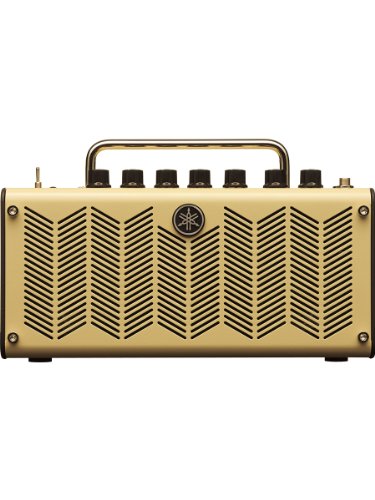
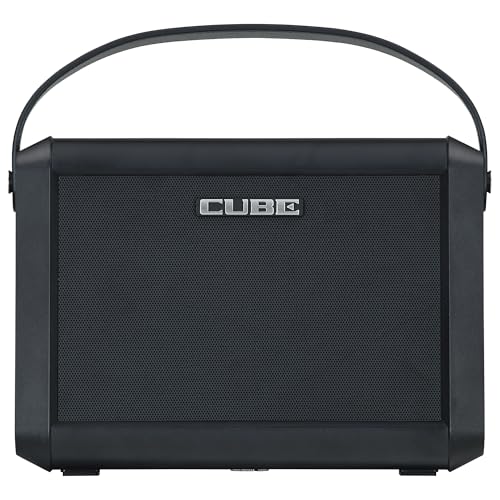
| Spec | Yamaha THR5 | Roland Cube Street Mini |
|---|---|---|
| Power output | 10 watts | Not published in listing |
| Speaker | Not published in listing | Integrated 2.1 speaker system, specific driver sizes not published |
| Amp models or channels | Five classic amp models (specific names not published) | Dual channel design. Main channel supports guitar, microphone, or stereo instrument. Mic channel has XLR/TRS combo input. |
| Effects | Range of effects processing (specific effects not published) | Main channel reverb, delay, chorus. Mic channel reverb, echo. Onboard guitar tuner. |
| Inputs and outputs | Not published in listing | Main channel input, mic channel XLR/TRS combo input, stereo mini output, USB-C charging port. |
| Headphone and line out | Not published in listing | Stereo mini output jack for headphones or recorder. No dedicated line out mentioned. |
| Bluetooth and app | Not published in listing | Bluetooth audio streaming from mobile device. No app mentioned. |
| Weight | Not published in listing | Not published in listing |
| Dimensions | Not published in listing | Not published in listing |
| Included accessories | Not published in listing | USB Type-C to Type-A charging cable included. Carrying case optional, not included. |
Amp Models and Tone
The Yamaha THR5 offers five classic amp models, but the listing does not publish the specific model names. Yamaha uses VCM technology for amp and effect modeling, and the amp is described as having a hi fi stereo sound design for detailed low volume tone. The Roland Cube Street Mini takes a different approach with a dual channel design rather than multiple amp models. Its main channel supports guitar, microphone, or stereo instrument, which gives flexibility for different sources but does not advertise modeled amp voicings.
Because the Yamaha amp model names are missing, a direct tonal comparison is limited. What is published suggests that the THR5 focuses on emulating classic guitar amp tones for practice, while the Cube Street Mini provides a clean, flexible platform for amplifying whatever is plugged in. The Roland has no published amp model list, so its tone character is harder to predict from the listing. Buyers who want specific amp flavors may be drawn to the Yamaha, but the missing details make it a cautious recommendation.
Effects and Features
The Roland Cube Street Mini publishes a clear list of effects. The main channel includes reverb, delay, and chorus. The microphone channel includes reverb and echo. An onboard guitar tuner is also built in, which is a useful practice and performance feature.
The Yamaha THR5 states that it has a range of effects processing, but the listing does not name the specific effects. Without that detail, it is impossible to compare effect quality or variety directly. The Roland wins on transparency because its effects are listed, while the Yamaha leaves the buyer guessing. The Roland also adds a tuner, which the Yamaha listing does not mention.
Power, Speaker and Volume
The Yamaha THR5 publishes a power output of 10 watts. Its speaker size, type, and count are not published, so the actual sound projection is hard to assess. The listing describes the amp as a compact desktop unit intended for low volume practice, which aligns with the 10 watt rating.
The Roland Cube Street Mini does not publish its power output, which is a significant omission. It does describe an integrated 2.1 speaker system, but specific driver sizes are not published. The 2.1 design suggests a woofer and tweeter arrangement, but without power or driver data, volume cannot be compared to the Yamaha.
Because the Roland omits power output, buyers cannot know if it is louder or quieter than the THR5. The Yamaha at 10 watts is clearly a low volume practice amp, while the Cube Street Mini is marketed for small events and busking. That marketing suggests more output, but the missing spec makes it an assumption rather than a fact.
Build and Portability
Both amps are described as battery powered, but only the Roland publishes a runtime. The Cube Street Mini lists up to seven hours of battery life, which is useful for outdoor performance. The Yamaha THR5 says it has a battery power option, but no runtime is published. Without runtime, the Yamaha's portability is less certain.
The Roland also includes an integrated tilt stand and a mic stand mount, which are practical for placing the amp during use. The Yamaha pros mention a compact desktop format, but dimensions and weight are not published for either amp. Without those numbers, the actual size and weight are unknown, so physical portability cannot be directly compared.
What is clear is that the Roland is designed for performers who need to set up quickly in different locations, thanks to its stand features and specified battery life. The Yamaha is aimed at home desktop use, so portability means moving from room to room rather than street performance.
Connectivity and Apps
The Roland Cube Street Mini has clearly listed connectivity. It includes Bluetooth audio streaming from a mobile device, a main channel input, a microphone channel with XLR/TRS combo input, and a stereo mini output for headphones or recorder. There is also a USB-C charging port. No app is mentioned, so the Bluetooth is for audio streaming rather than control.
The Yamaha THR5 listing does not publish any inputs or outputs, and it does not mention Bluetooth or an app. That is a major gap because connectivity affects how the amp can be used with headphones, recording, or external audio sources. Buyers who need Bluetooth backing tracks or a microphone input will find the Roland more capable based on the published facts.
Setup and Daily Use
The Roland Cube Street Mini appears easier to set up because its inputs and controls are described. The dual channel design with separate main and mic inputs lets a musician plug in a guitar and a microphone simultaneously. The included USB Type-C to Type-A charging cable means the battery can be recharged with a standard USB source, though a wall adapter is not mentioned.
The Yamaha THR5 setup is harder to evaluate because the listing does not mention any inputs or outputs. It does have a battery power option, which suggests some level of cord free use, but without knowing what can be plugged in, daily use is uncertain. The missing headphone and line out details are a practical concern for silent practice or recording.
Both amps are battery powered, which reduces cable clutter. However, only the Roland specifies the charging method and includes a cable. The Yamaha may have a similar feature, but the listing does not say so. For a buyer who wants to unpack and play quickly, the Roland's published details give more confidence.
Home Practice Versus Stage
The Yamaha THR5 is explicitly best for home players who want a compact desktop amp with battery power and hi fi stereo sound for low volume practice. Its 10 watt output and focus on amp models support quiet, detailed tone at home. The listing does not suggest stage use, and the missing speaker specs reinforce that it is not intended for loud performance.
The Roland Cube Street Mini is aimed at solo and duo performers who need a portable battery powered amp with mic and instrument inputs for small events and busking. Its Bluetooth streaming and microphone channel support vocal and backing track use outdoors. The power output is not published, but the marketing places it in the small venue and street performance category rather than bedroom practice.
For home practice, the Yamaha's modeling and hi fi stereo likely provide a more satisfying low volume tone. For stage or busking, the Roland's mic input and Bluetooth are more practical. Neither amp is suited for high stage volume, so buyers should not expect to compete with a drummer or large PA.
The Deciding Question
The core tradeoff is between tone modeling and feature transparency. The Yamaha THR5 offers five amp models and VCM technology for hi fi stereo sound, but many specs are missing. The Roland Cube Street Mini does not advertise amp models, but it publishes specific effects, Bluetooth, and input options.
If you need a microphone input, Bluetooth audio streaming, and a built-in tuner, the Roland is the obvious choice from the published facts. If you want a dedicated guitar practice amp with amp modeling and hi fi stereo, the Yamaha is a better fit, assuming its missing connectivity specs are acceptable.
Both amps have significant spec gaps. The Yamaha omits speaker, weight, and connectivity details. The Roland omits power output, speaker sizes, and weight. Buyers who require complete published specs before purchasing may be frustrated with either option.
Who Should Buy Which
Choose the Yamaha THR5 if you are a home player who wants a desktop amp with battery power and amp modeling. The publishing of 10 watts and five amp models, combined with VCM technology and hi fi stereo sound, makes it suitable for low volume practice where tone quality matters more than connectivity.
Choose the Roland Cube Street Mini if you are a solo or duo performer who needs a battery powered amp with a microphone input and Bluetooth streaming for small events or busking. The specified effects, tuner, and stand features support a grab and go performance setup.
If you need high stage volume or deep amp editing, neither amp is the right choice. If you require published power output and speaker specifications, the Yamaha at least gives power, while the Roland gives speaker type but not power. Consider your priorities carefully and look for additional information from the manufacturer if spec sheets are incomplete.
Yamaha THR5
Pros
- Compact desktop format with battery power option
- Hi fi stereo sound design for detailed low volume tone
- Yamaha VCM technology for amp and effect modeling
- Five classic amp models cover common practice tones
- Budget price tier for accessible entry
Cons
- Speaker size, type, and count are not published
- No Bluetooth or app connectivity mentioned in listing
- Input and output details are missing
- No specific amp model names or effect list provided
- Weight and dimensions not published
Roland Cube Street Mini
Pros
- Battery powered with up to seven hours runtime
- Dual channels for instrument and microphone
- Built-in reverb, delay, chorus, and tuner
- Bluetooth audio streaming for backing tracks
- Integrated tilt stand and mic stand mount
- Compact 2.1 speaker system
Cons
- Power output not published in listing
- Speaker sizes and weight not published
- No balanced line out for PA connection
- No app for deeper control or USB audio
- Optional carrying case costs extra
Who Should Buy Each
Yamaha THR5
- Home players who want a compact desktop amp with battery portability
- Guitarists seeking hi fi stereo sound for low volume practice
- Players who value Yamaha VCM modeling and simple operation
- Anyone needing a travel friendly practice amp without a stage focus
Roland Cube Street Mini
- Buskers and street performers who need battery operation
- Singer songwriters who want guitar and vocal in one compact box
- Home players who want Bluetooth backing tracks and headphone practice
- Small event presenters who need a simple portable PA alternative
Quick Decision Guide
| If you want specific amp models and modeling technology for practice | Choose Yamaha THR5 |
| If you need a microphone input for vocals or announcements | Choose Roland Cube Street Mini |
| If you want Bluetooth audio streaming for backing tracks | Choose Roland Cube Street Mini |
| If you need a published power output rating | Choose Yamaha THR5 |
| If you want a built-in tuner and a clear effects list | Choose Roland Cube Street Mini |
FAQ
About This Comparison
Mandrillis Team
The Mandrillis editorial team researches and compares audio and music gear using manufacturer documentation, verified specs and real buyer feedback, so you can make a confident purchase without wading through marketing claims.
Read our full research methodology.
We may earn a commission at no extra cost to you.