Drums & Percussion Review
Gawharet El Fan 20" Dohola Review: Egyptian Bass Darbuka
The Gawharet El Fan 20 inch Mother of Pearl Dohola is a handcrafted Egyptian bass darbuka with detailed pearl inlay, a padded case, and stated dimensions of roughly 20 inches tall and 14 pounds, built for the bass voice in a percussion ensemble.
Our Verdict
Research Score 76/100The Gawharet El Fan 20 inch Mother of Pearl Dohola fills a specific, specialized role: the deep bass voice within a darbuka and doumbek ensemble, handcrafted in Egypt by a maker with a real reputation in traditional Middle Eastern percussion. The stated dimensions and weight give buyers concrete expectations rather than vague marketing language, and the mother-of-pearl inlay is a genuine visual craft element rather than a printed design. The included padded case supports transport and storage for an instrument that will likely travel to rehearsals and performances. This is a niche instrument intended for players who already understand darbuka ensembles and specifically need a bass voice, rather than a general first percussion purchase.
Editorial research score based on published specifications and documented features, not a customer rating or lab test.

Gawharet El Fan
Gawharet El Fan 20" Mother of Pearl Dohola
Best for: An intermediate to professional darbuka player who wants a dedicated bass voice within a Middle Eastern percussion ensemble.
Skip it if: You need a general-purpose, standard-sized darbuka rather than a specialized bass dohola.
Check Price on AmazonWe may earn a commission at no extra cost to you.
Listing verified: November 2026
Who Should Buy It
Buy it if
- Professional and semi-professional Middle Eastern percussionists
- Ensemble players who need a dedicated bass darbuka voice
- Collectors who value authentic, handcrafted Egyptian percussion
- Performers who want visually striking, inlaid instruments for stage use
Skip it if
- You need a standard-sized, general-purpose darbuka
- You want documented tuning mechanism details
- You need the lightest possible travel percussion option
Key Specifications
| Type | Dohola (Egyptian bass darbuka) |
| Size | Approximately 20 inch tall, 12.5 inch rim diameter, 10.5 inch playing surface |
| Materials | Metal shell with mother-of-pearl inlay |
| Tuning | Not published in listing |
| Finish | Mother-of-pearl inlay with turquoise, orange, black and ember accents |
| Weight | Approximately 14 pounds |
| Included accessories | Padded carrying case |
| Made in | Egypt |
| Skill level | Intermediate through professional |
Overview
The Gawharet El Fan 20 inch Mother of Pearl Dohola is a handcrafted Egyptian bass darbuka, built by Gawharet El Fan, a maker specifically known for traditional Egyptian percussion craftsmanship. A dohola is the bass voice within the broader darbuka and doumbek family, built larger and deeper than a standard darbuka to produce lower, more powerful tones.
This model stands out through its stated dimensions, approximately 20 inches tall with a 12.5 inch overall rim diameter and a 10.5 inch playing surface, along with an approximate weight of 14 pounds, giving buyers concrete expectations rather than vague size descriptions common on many percussion listings.
The decorative mother-of-pearl inlay, combined with turquoise, orange, black and ember-colored accents, reflects traditional Egyptian craftsmanship and gives the instrument a distinctive, performance-ready visual identity beyond its musical function.
As a dedicated bass instrument rather than a general-purpose darbuka, this dohola is intended for players who already understand Middle Eastern percussion ensemble roles and specifically want to add or replace a bass voice in their setup.
Sound and Tone
The dohola's defining tonal characteristic is its deep, powerful bass voice, which the listing specifically describes as complementing darbukas, doumbeks and other percussion instruments within an ensemble rather than functioning as a lead or solo voice on its own.
Its larger size compared to a standard darbuka, reflected in the stated 20 inch height and wider playing surface, naturally produces lower-pitched doum tones and generally deeper resonance than smaller hand drums in the same family, which is the entire purpose of a dedicated bass darbuka.
The listing does not specify the drumhead material or tuning mechanism, which affects both tone and how the instrument responds to humidity and temperature changes over time. Buyers wanting a full technical breakdown of the head and tuning system should confirm those details with the seller.
As a professional-tier instrument from a maker known specifically for Egyptian percussion, buyers should expect a more developed, nuanced bass tone than a generic imported darbuka, though exact tonal character will still depend on playing technique and the specific head and shell combination used.
Build and Materials
The shell is handcrafted in Egypt, with the listing emphasizing the maker's reputation and craftsmanship in traditional percussion. The defining visual and material feature is the intricate mother-of-pearl inlay, combined with turquoise, orange, black and ember-colored details, which the listing describes as creating a distinctive traditional Egyptian appearance.
At approximately 14 pounds and 20 inches tall, this is a substantial instrument compared to a standard darbuka, reflecting its role as the bass voice in an ensemble rather than a compact, travel-first hand drum.
The listing does not specify the exact metal alloy used for the shell or the drumhead material, so buyers wanting a complete technical materials breakdown should contact the seller directly for that level of detail.
The combination of decorative inlay and functional bass tuning makes this a specialized instrument built as much for its role within a traditional ensemble as for its visual presence during performance.
- Handcrafted in Egypt
- Mother-of-pearl inlay
- Approximately 20 inch height
- 12.5 inch rim diameter
- Approximately 14 pound weight
Playability and Technique
Playing a dohola generally follows the same fundamental technique family as other darbukas and doumbeks, using finger and palm strikes near the center and rim to produce low doum tones and higher-pitched tek and ka accents, though the larger size and deeper pitch of a dohola shift the emphasis toward the bass register.
Because of its size and weight, playing a dohola typically involves a different physical setup than a standard darbuka, often resting across the lap or on a stand rather than being held entirely in one arm the way a smaller hand drum might be.
Experienced darbuka players moving to a dedicated bass instrument like this one should expect an adjustment period to recalibrate their striking technique for the larger playing surface and different resonant characteristics compared to a standard-sized darbuka.
The listing does not detail the tuning mechanism, so players accustomed to a specific tuning system, whether rope, bolt or mechanically tuned, should confirm this dohola's tuning method before assuming it matches their existing instruments.
Versatility and Styles
This dohola is specifically built for traditional Egyptian and broader Middle Eastern percussion contexts, where it plays a defined supporting role as the bass voice within an ensemble of darbukas, doumbeks and other hand percussion.
It is less suited as a standalone, general-purpose hand drum for non-ensemble contexts, since its deep, specialized bass voice is designed to complement other higher-pitched percussion rather than carry a full musical part on its own.
For percussion ensembles, studio recording sessions requiring an authentic Middle Eastern bass voice, or live performances within that musical tradition, this instrument fills a specific and valuable niche that a standard darbuka cannot replicate.
Players outside traditional Middle Eastern music contexts who want a deep hand percussion voice for other genres should still consider this instrument, though its visual and tonal identity is strongly tied to its traditional Egyptian origins.
Portability and Care
At approximately 14 pounds, this dohola is noticeably heavier than a standard darbuka, reflecting its larger size and bass-oriented construction, so buyers should plan for a bit more effort when transporting it to rehearsals or performances compared to smaller percussion instruments.
The included padded carrying case is a genuinely useful inclusion, protecting both the structural shell and the decorative mother-of-pearl inlay during transport and storage, which matters given how much of this instrument's value is tied to its visual craftsmanship.
Because the inlay is a decorative material applied to the shell, players should handle the instrument carefully to avoid chipping or damaging the pearl work, particularly during setup and breakdown at venues where bumps and drops are more likely.
Standard percussion care applies here as well, including avoiding extreme humidity and temperature swings that could affect the shell or head over time, and storing the instrument in its case between uses.
Setup and Daily Use
No special assembly is required before use, since the dohola arrives constructed and ready to play, though players should check tuning and head tension on arrival to confirm it matches their expectations before incorporating it into regular rehearsal or performance use.
For daily or regular ensemble use, this instrument's role is typically defined by its place within a larger percussion section, so setup should account for its position relative to other drummers and instruments to balance the bass voice properly within the group's overall sound.
New players unfamiliar with dohola-specific technique should spend some time studying how bass darbuka parts typically function within traditional arrangements, since the instrument's musical role differs meaningfully from a standard darbuka's more melodic or lead percussive function.
Over time, maintaining consistent tuning and protecting the decorative inlay through careful handling and proper case storage will help preserve both the instrument's tone and its visual condition for performance use.
Who Should Buy It
Buy this if you play or arrange traditional Egyptian or Middle Eastern percussion and specifically need a dedicated bass voice to complement darbukas and doumbeks in an ensemble. The handcrafted construction and detailed inlay reflect genuine specialized craftsmanship.
This is not the pick for a first-time hand percussion buyer wanting a general-purpose instrument, since the dohola's role and tonal character are specifically built around supporting a bass function within a traditional ensemble context.
Alternatives Worth Considering
Buyers who want a general-purpose, standard-sized darbuka for melodic and lead percussion work should look at a conventional darbuka or doumbek instead, since this dohola is specifically built for the lower bass register within an ensemble.
Players comparing bass darbukas across different Egyptian or Middle Eastern percussion makers should pay close attention to stated dimensions and weight, since those figures vary meaningfully and directly affect both tone and how the instrument is held and played.
Verdict
The Gawharet El Fan 20 inch Mother of Pearl Dohola delivers a genuinely specialized bass voice for traditional Egyptian and Middle Eastern percussion ensembles, backed by handcrafted construction, detailed mother-of-pearl inlay, and concrete stated dimensions rather than vague marketing language. The included padded case adds practical value for transport.
This is a niche instrument meant for players who already understand its ensemble role, not a general first percussion purchase. For that specific audience, it is a well specified and visually striking choice.
Strengths and Limitations
Strengths
- Handcrafted in Egypt by a maker known for traditional percussion
- Deep bass voice fills out an ensemble of darbukas and doumbeks
- Detailed mother-of-pearl inlay gives genuine visual craftsmanship
- Padded carrying case included for storage and transport
- Stated dimensions and weight give buyers concrete expectations
Limitations
- Tuning mechanism and head material are not detailed
- At about 14 pounds, it is heavier than a standard-sized darbuka
- Decorative inlay requires careful handling to avoid damage
- Niche instrument with a smaller pool of players and repair specialists
How We Scored It
Scores reflect published specifications, documented features and value against the alternatives below. They are editorial research scores, not laboratory measurements.
Alternatives to Consider
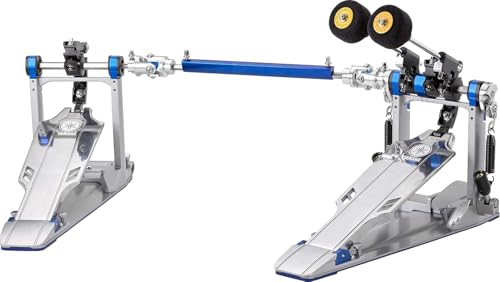
Yamaha Grade Direct Drive Double
Experienced drummers who want a fast, precise double pedal with every adjustment on hand and repeatable settings across kits.
Read the Yamaha Grade Direct Drive Double review →
Roland Mood Pan MN-10
Anyone who wants the sound of a handpan or tongue drum with the freedom to change scales, play quietly through headphones and record over USB.
Read the Roland Mood Pan MN-10 review →
Yamaha Total Percussion 285
A beginning percussion student who needs bells and a practice pad for school band in one portable package.
Read the Yamaha Total Percussion 285 review →Questions Buyers Ask
Gawharet El Fan 20" Mother of Pearl Dohola
See the current listing, price and included accessories.
About This Review
Mandrillis Team
The Mandrillis editorial team researches and compares audio and music gear using manufacturer documentation, verified specs and real buyer feedback, so you can make a confident purchase without wading through marketing claims.
Read our full research methodology.