Drums & Percussion Review
inTemenos Orff Alto Xylophone Review: Soft Classroom Tone
The inTemenos Orff ALTO Xylophone features 16 fiberglass bars with a divided resonator, two mallet types, and chromatic extension bars, offering a softer, longer-lasting tone suited to classroom and early childhood music education.
Our Verdict
Research Score 66/100The inTemenos Orff ALTO Xylophone delivers exactly what the Orff-Schulwerk tradition calls for: a softer, longer-lasting, more relaxing tone than a concert xylophone, achieved through fiberglass bars rather than wood or metal. The divided, stepped resonator chambers are a genuine acoustic design detail aimed at enhancing resonance beyond what a flat resonator box would provide, and including two different mallet types gives educators tonal flexibility for different activities. Chromatic Bb and F# bars extend the instrument's playable range beyond the diatonic C1 to A2 span. No stand is included, so this instrument is played at table or floor height. For classrooms, early childhood programs or anyone wanting the distinctive mellow Orff tone, this is a well equipped choice.
Editorial research score based on published specifications and documented features, not a customer rating or lab test.

inTemenos
inTemenos Orff ALTO Xylophone
Best for: A music educator or Orff-method classroom wanting a soft-toned, extended-range alto xylophone with storage included.
Skip it if: You want a traditional concert xylophone's brighter, sharper tone.
Check Price on AmazonWe may earn a commission at no extra cost to you.
Listing verified: November 2026
Who Should Buy It
Buy it if
- Elementary and early childhood music educators
- Orff-Schulwerk method classrooms and programs
- Parents seeking a gentle-toned instrument for young children
- Music therapy practitioners wanting a soft, relaxing tone
Skip it if
- You want a bright, sharp concert xylophone tone
- You need a stand included for standing play
- You want a stated weight before buying
Key Specifications
| Type | Orff Alto xylophone with resonator |
| Size | 16 bars, range C1 to A2 plus 3 chromatic bars |
| Materials | Fiberglass bars, divided resonator box |
| Tuning | Fundamental or overtone tuning |
| Finish | Not published in listing |
| Weight | Not published in listing |
| Included accessories | Two pairs of mallets (felt head and yarn), storage bag |
| Made in | Not published in listing |
| Skill level | Beginner through educator use |
| Notes | Divided resonator chambers with stepped design, 4 mallet storage slots, chromatic Bb and F# bars included |
Overview
The inTemenos Orff ALTO Xylophone is a 16-bar fiberglass xylophone with a divided resonator box, built specifically within the Orff-Schulwerk educational music tradition rather than as a concert percussion instrument. It includes two pairs of mallets, one felt-headed and one yarn-wrapped, along with a dedicated storage bag.
Orff instruments are specifically designed for music education, particularly with young children, and are tuned and voiced differently from concert percussion instruments to produce a gentler, more forgiving sound that supports group singing and movement activities without overwhelming young voices or ears.
The listing specifically notes that Orff xylophones sound different from concert xylophones, describing a softer, longer-lasting, tender and relaxing character that is well suited to classroom singing accompaniment rather than solo virtuosic performance.
With 16 bars spanning C1 to A2 plus three additional chromatic bars, Bb and F# at two octaves, this Alto model offers a reasonably wide range for an Orff-style instrument, supporting a broad set of classroom songs and improvisational activities.
Sound and Tone
Fiberglass bars are the defining tonal choice here, producing what the listing describes as an unusual, mesmerizing sound through a combination of fundamental and overtone tuning across the bars, distinct from the brighter, more percussive attack of a traditional wood or metal concert xylophone.
The divided resonator chambers beneath the bars are specifically designed to improve resonance, with a stepped chamber design intended to enhance the sound further, reflecting genuine acoustic engineering rather than a simple flat box resonator found on more basic instruments.
Because this is an Alto-range instrument rather than a Soprano or Bass Orff xylophone, its pitch range sits in a middle register well suited to supporting vocal melodies in a classroom setting without clashing with children's singing ranges.
The two included mallet types, felt-headed and yarn-wrapped, allow an educator or player to vary the tonal attack, with felt generally producing a slightly brighter articulation and yarn mallets typically producing a softer, more rounded tone suited to gentler classroom activities.
Build and Materials
Fiberglass is used for all 16 bars, a material choice specifically associated with the Orff xylophone tradition for its durability and distinctive tonal character, differing meaningfully from the rosewood or synthetic bars found on many concert xylophones.
The resonator box beneath the bars uses a divided, stepped chamber design, which the listing credits with improving overall resonance compared to a simple undivided box, reflecting a deliberate acoustic design choice rather than the most basic possible construction.
Four mallet storage slots are built into the side of the instrument, a practical organizational feature that keeps the two pairs of included mallets attached to the instrument itself rather than requiring separate storage that could lead to misplaced mallets in a busy classroom.
A dedicated cloth storage bag is included, with individual slots for each bar and the mallets, which supports organized storage and makes the instrument easier to transport between classrooms or storage areas without losing individual bars.
- 16 fiberglass bars, C1 to A2 plus chromatics
- Divided, stepped resonator chambers
- Felt-head mallets
- Yarn mallets
- 4 mallet storage slots
Playability and Technique
Orff xylophones are specifically designed to be accessible to young or beginning players, since the softer, more forgiving tone and the instrument's forgiving tuning make it easy for a child or novice to produce pleasant-sounding results without extensive technique.
The 16 bars plus three chromatic additions give players enough range to explore simple melodies, chord accompaniment patterns and improvisational activities common in Orff-method classrooms, without the complexity of a full concert xylophone's extended range.
Switching between the included felt and yarn mallets lets a player or educator vary dynamic intensity and tonal brightness for different activities, from more energetic rhythmic work with felt mallets to gentler, more atmospheric playing with the softer yarn mallets.
Because there is no stand included, this instrument is generally played resting on a table, the floor, or a separately purchased stand, which is standard practice for many Orff instruments used in classroom settings where portability between activities matters.
Versatility and Styles
This instrument is specifically built for Orff-Schulwerk style music education, supporting singing accompaniment, rhythmic improvisation, and ensemble play with other Orff instruments like glockenspiels, metallophones and percussion in a classroom or early childhood music program.
Beyond formal classroom use, the gentle, relaxing tone described in the listing also suits music therapy practice, home use with young children, or any context where a softer, more forgiving percussive tone is preferred over a bright concert xylophone.
The chromatic Bb and F# bars extend this instrument's usefulness beyond purely diatonic folk melodies, allowing for a somewhat broader range of musical keys and harmonic possibilities than a purely diatonic Orff xylophone would support.
It is less suited to concert or solo percussion performance contexts expecting a bright, articulate, fast-decaying tone, since the entire design philosophy here prioritizes a softer, more sustained sound over percussive precision.
Portability and Care
The included storage bag, with individual slots for each bar and the mallets, supports organized transport between classrooms, storage closets or different teaching locations, which is a practical necessity for educators moving instruments between multiple rooms during a school day.
The listing does not publish a specific instrument weight, though fiberglass bars are generally lighter than equivalent metal bars, which should make this instrument reasonably manageable to carry in its bag compared to a metal-barred alternative of similar size.
Fiberglass bars should be relatively durable and resistant to the kind of wear that comes from repeated classroom use by multiple students with varying levels of care, though bars should still be handled gently to avoid chips or cracks over time.
Standard instrument care applies here as well, including storing bars in the provided bag slots when not in use and avoiding leaving the instrument in direct sunlight or extreme temperature conditions that could affect the fiberglass material over time.
Setup and Daily Use
No tuning or assembly is required before use, since the bars arrive pre-tuned and simply need to be placed on a table, the floor, or a stand, making this an easy instrument to set up quickly between classroom activities.
For daily classroom use, the mallet storage slots and included bag make it straightforward to keep the instrument organized and ready for the next lesson, reducing the chance of misplaced bars or mallets in a busy teaching environment.
Educators new to Orff instruments should spend some time exploring the fundamental and overtone tuning across the bars, since the tonal character differs from concert xylophones and benefits from some initial familiarization before structured lesson planning.
Over time, periodic checks of the bars for any looseness in their mounting, along with general care to keep the resonator chambers free of dust, should help maintain consistent tone across repeated classroom use.
Who Should Buy It
Buy this if you teach Orff-Schulwerk method music, run an early childhood music program, or specifically want the softer, more forgiving tonal character fiberglass Orff xylophones are known for, along with the convenience of included mallets and organized storage.
This is not the pick for buyers who want a bright, articulate concert xylophone tone, or who need a stand included for standing play, since this instrument is built around classroom-style tabletop or floor use instead.
Alternatives Worth Considering
Buyers who want a brighter, more percussive xylophone tone for concert or solo performance use should look at a traditional rosewood or synthetic-bar concert xylophone instead, since this Orff-style instrument is specifically voiced for a softer classroom character.
Educators who want a lower or higher pitched complement to this Alto range should look at matching Soprano or Bass Orff xylophones within the same or a similar product line, to build out a more complete classroom Orff ensemble.
Verdict
The inTemenos Orff ALTO Xylophone delivers the characteristic soft, relaxing tone the Orff-Schulwerk tradition calls for, supported by a deliberately engineered divided resonator, two mallet types for tonal variety, and chromatic extension bars for broader musical range. Included storage adds real classroom practicality.
Buyers wanting a bright concert xylophone tone should look elsewhere. For music educators, early childhood programs and anyone wanting a gentle, classroom-appropriate percussion instrument, this is a well equipped and thoughtfully designed choice.
Strengths and Limitations
Strengths
- Fiberglass bars for a distinctively soft, mellow Orff-style tone
- Divided, stepped resonator chambers enhance resonance
- Two different mallet types included for tonal variety
- Chromatic Bb and F# bars extend playable range
- Dedicated storage bag with slots for bars and mallets
Limitations
- No stated weight or overall instrument dimensions
- Fiberglass bars sound different from traditional wood or metal bars
- Country of manufacture is not published
- No stand included, so it is played at table or floor height
How We Scored It
Scores reflect published specifications, documented features and value against the alternatives below. They are editorial research scores, not laboratory measurements.
Alternatives to Consider
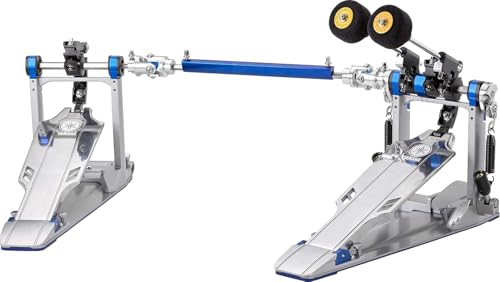
Yamaha Grade Direct Drive Double
Experienced drummers who want a fast, precise double pedal with every adjustment on hand and repeatable settings across kits.
Read the Yamaha Grade Direct Drive Double review →
Roland Mood Pan MN-10
Anyone who wants the sound of a handpan or tongue drum with the freedom to change scales, play quietly through headphones and record over USB.
Read the Roland Mood Pan MN-10 review →
Yamaha Total Percussion 285
A beginning percussion student who needs bells and a practice pad for school band in one portable package.
Read the Yamaha Total Percussion 285 review →Questions Buyers Ask
inTemenos Orff ALTO Xylophone
See the current listing, price and included accessories.
About This Review
Mandrillis Team
The Mandrillis editorial team researches and compares audio and music gear using manufacturer documentation, verified specs and real buyer feedback, so you can make a confident purchase without wading through marketing claims.
Read our full research methodology.