Drums & Percussion Review
Sonor Orff NG30 Soprano Chromatic Glockenspiel Review: Basic Classroom Melody
The Sonor Orff NG30 Soprano Chromatic Glockenspiel is a budget tier classroom instrument from a respected brand. The listing offers few technical details, so this review assesses what the chromatic soprano design and Sonor name imply for educational use.
Our Verdict
Research Score 75/100The Sonor Orff NG30 Soprano Chromatic Glockenspiel is a budget tier classroom instrument from a respected brand, but the listing leaves many technical details unpublished. The chromatic soprano design suggests useful melodic potential for education, and the low price reduces initial risk. However, without materials, weight, or included accessories, we cannot confirm build quality or long term durability. Teachers who trust Sonor's Orff line may find this a practical entry level glockenspiel for elementary music. Buyers who need exact specifications should request more information before purchase. Overall, this is a reasonable option for basic classroom use, with uncertainty as the main drawback.
Editorial research score based on published specifications and documented features, not a customer rating or lab test.

Sonor
Sonor Orff NG30 Soprano Chromatic Glockenspiel
Best for: A music educator or parent who needs an affordable chromatic glockenspiel for classroom or early melodic work.
Skip it if: You need detailed construction information or included mallets because the listing does not specify them.
Check Price on AmazonWe may earn a commission at no extra cost to you.
Listing verified: October 2026
Who Should Buy It
Buy it if
- Elementary music teachers building an Orff instrument set
- Parents introducing children to pitched percussion
- Beginning mallet players on a budget
- Home school educators needing a simple melodic tool
Skip it if
- You require published bar material and dimensions
- You want a professional or concert level instrument
- You prefer a listing with included mallets and case
Key Specifications
| Type | Soprano chromatic glockenspiel |
| Size | Not published in listing |
| Materials | Not published in listing |
| Tuning | Not published in listing |
| Finish | Not published in listing |
| Weight | Not published in listing |
| Included accessories | Not published in listing |
| Made in | Not published in listing |
| Skill level | Not published in listing |
| Notes | Listing includes only a general good quality description. |
Overview
The listing presents the Sonor Orff NG30 Soprano Chromatic Glockenspiel as a budget tier classroom instrument with only a general note of good quality. The product type is a chromatic glockenspiel, which means it includes both natural and accidental notes for full scale melodies. Beyond that, the listing does not offer technical specifications such as materials, size, or weight.
Sonor is a recognized name in percussion, especially in Orff Schulwerk education where barred instruments are common. The NG30 appears positioned for schools, music therapy, or early home practice. Because the published information is thin, this review relies on the product name, brand context, and general knowledge of glockenspiel design rather than in-person experience.
Sound and Tone
On paper, a soprano chromatic glockenspiel should produce a clear, bright, bell like attack with a relatively short sustain. The listing does not state the bar alloy or thickness, which strongly influences whether the tone is warm or piercing. Buyers often expect Orff style glockenspiels to have a focused, articulate sound suitable for classroom melody lines.
Without a published material spec, we cannot predict the NG30's exact timbre. Chromatic instruments cover sharps and flats, which allows playing in multiple keys and more complex songs than a diatonic model. At a budget price, the sound may be serviceable but not as refined as higher end glockenspiels with specified steel or aluminum bars.
The single 'Good quality' bullet in the listing offers little acoustic detail. If the bars are made from a standard steel alloy, the basic tone should be acceptable for elementary music. A buyer should compare audio examples of other Sonor Orff instruments to set expectations, because the NG30's specific sonic character is not documented.
Build and Materials
The listing does not publish the bar material, frame material, or finish for the Sonor Orff NG30. This gap is significant because glockenspiel bars can be made from steel, aluminum, or synthetic compounds, each affecting durability and tone. Sonor's Orff line is generally built for school use, but we cannot confirm the NG30's construction from this listing.
The product is described only as 'Good quality,' which is subjective and does not specify hardware, case, or mallet storage. No information is given about whether the bars are removable or fixed. The lack of published build details makes it difficult to assess long term durability or repairability in a busy classroom.
Without dimensions or weight, the instrument could be a compact tabletop unit or a larger floor standing model. In educational settings, material quality affects tuning stability and resistance to drops. We advise requesting a full specification sheet from the seller before purchase to understand the frame and bar construction.
Playability and Technique
Chromatic glockenspiels are typically played with one mallet in each hand, striking the bars to produce melody and harmony. The soprano range sits higher, so a light, controlled stroke is often needed to avoid harsh overtones. The listing does not mention included mallets, so a buyer may need to purchase them separately.
For beginners, a chromatic instrument can be more challenging than a diatonic model because of the larger number of bars and the presence of accidentals. However, it supports full scales and more advanced songs. The NG30's educational context suggests it is meant to develop mallet technique, note reading, and hand coordination.
We cannot comment on bar spacing, bar height, or frame stability from the listing, all of which affect how easily a student strikes the correct notes. A well designed glockenspiel leaves enough gap between bars to avoid accidental contact. Since the listing omits these measurements, trying a similar Sonor Orff model in person would be helpful.
- Chromatic layout supports major and minor melodies
- Soprano range suits young players and classroom settings
- Mallet choice and inclusion are not specified in the listing
- Likely lightweight and portable but unconfirmed
- No published bar spacing or height details
Versatility and Styles
A chromatic glockenspiel is more versatile than a diatonic one because it can play in any key and handle accidentals. In Orff education, chromatic instruments support improvisation, composition, and more advanced ensemble arrangements. The NG30 could be used for folk songs, classical melodies, or simple original pieces in a school setting.
The soprano voice is best for melody lines, blending with other barred instruments like xylophones and metallophones. It is not suited for bass or low accompaniment, which requires larger instruments. Without specific sound character details, we cannot say how well it would suit jazz or pop styles, but the basic glockenspiel format covers many educational needs.
The listing does not mention an included songbook, stand, or case, which might limit immediate use. A teacher can integrate the NG30 into existing Orff arrangements, while a home user can follow any beginning mallet method book. Its chromatic range makes it flexible for lessons that progress beyond C major.
Portability and Care
The listing does not publish weight or dimensions, so the NG30's portability cannot be confirmed. Most soprano glockenspiels are relatively light and can be moved by a student or teacher. If the instrument includes a case or handle, that would improve transport, but the listing does not state this.
Glockenspiel bars should be kept dry and protected from impact. A padded case or cover is beneficial, especially in a school where instruments are stored in cabinets. Without a published case, the buyer should plan for a storage shelf or soft bag. Regular dusting with a dry cloth helps keep bars clean.
Tuning on budget glockenspiels is usually not user adjustable, so care focuses on preventing physical damage. If a bar is lost or broken, replacement parts may be available from Sonor, but the listing does not confirm this. Handle the instrument by the frame rather than the bars to avoid bending or knocking notes out of tune.
Setup and Daily Use
Glockenspiels typically require minimal setup. Place the instrument on a stable table or stand, have mallets ready, and begin playing. The NG30 listing does not describe any assembly, stand, or case, so it likely arrives as a single unit ready for use.
Daily classroom use means the instrument may be shared by many students. Wiping down bars and mallets between classes is a simple hygiene practice, though the listing provides no cleaning instructions. A consistent storage location helps prevent lost mallets or damage from stacking other instruments on top.
Without knowing if bars are removable, we cannot advise on customization or individual note repair. Budget instruments may have limited spare parts. Teachers should consider buying extra mallets and a storage bag if they are not included, because the listing leaves those details open.
Who Should Buy It
This glockenspiel suits a music teacher building an Orff instrumentarium on a budget. Its chromatic design allows use across grade levels for melodic exercises and improvisation. A home schooling parent could also use it to introduce pitch, rhythm, and simple songs.
Beginning mallet players who need an affordable instrument for practice will find the NG30 a possible entry point. It is not a professional concert instrument, but it may be acceptable for skill building and basic repertoire. The lack of published specifications makes it less appealing to buyers who need exact measurements.
Sonor's reputation in education could give some confidence, but the listing's thin information means careful buyers should request more details. If you can accept some uncertainty about materials and accessories, this glockenspiel may fill a practical role in a classroom or home music area.
Alternatives Worth Considering
If you want a glockenspiel with detailed specifications, look for models that publish bar material, dimensions, and included mallets. Other Orff style instruments from brands like Meinl or Studio 49 often provide more complete listings. For non melodic percussion, the Meinl Headliner cajon and LP Aspire bongos are budget options with more transparent specs.
A diatonic glockenspiel or metallophone might be simpler for very young children, while a chromatic model like the NG30 is better for full scales and key changes. Some buyers may prefer a xylophone for a warmer, woodier tone, but that is a different instrument. Comparing the NG30 to other Sonor Orff models with published specs can help.
The Remo djembe and Meinl Sonic Energy tongue drum are not direct substitutes but show other classroom percussion choices. The Vic Firth 5A and DW 5000 pedal are unrelated, but they illustrate how detailed product listings build buyer confidence. For a melodic instrument with a known sound, seek glockenspiels that include audio samples.
Verdict
The Sonor Orff NG30 Soprano Chromatic Glockenspiel is a budget tier classroom instrument from a respected brand, but the listing leaves key details unpublished. The chromatic soprano design suggests useful melodic potential for education, yet without materials, weight, or included accessories, we cannot fully evaluate build or sound quality.
On paper, this could be a practical purchase for a teacher who trusts Sonor's Orff line and needs a basic chromatic glockenspiel. The low price reduces risk, but also signals possible compromises in materials or hardware. If the seller can confirm bar material and dimensions, it would be easier to recommend.
Our score reflects the positive brand association and likely classroom utility, balanced against the significant information gaps. It is not a professional instrument, but it may serve well in elementary music settings. Consider your need for published specifications before buying, and request additional details if possible.
Strengths and Limitations
Strengths
- Trusted Sonor brand in Orff education
- Chromatic layout for full melodies
- Budget tier price reduces risk
- Simple glockenspiel format for beginners
- Likely portable in a classroom setting
Limitations
- Listing omits material and build details
- No included accessories listed
- Unknown weight and dimensions
- Limited published specifications
- Unconfirmed country of manufacture
How We Scored It
Scores reflect published specifications, documented features and value against the alternatives below. They are editorial research scores, not laboratory measurements.
Alternatives to Consider
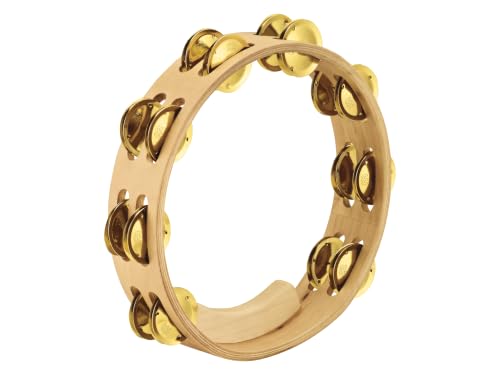
Meinl AE MTA2B Artisan Edition Tambourine
Players who want a professional-grade maple tambourine with bright brass jingles and a comfortable grip for acoustic and ensemble settings.
Read the Meinl AE MTA2B Artisan Edition Tambourine review →
Meinl AE MTA2BO Artisan Edition Tambourine
Professional percussionists and discerning players who need a bright, articulate tambourine for live, studio, orchestral, and worship settings.
Read the Meinl AE MTA2BO Artisan Edition Tambourine review →
Sonor Orff NG31 Alto Chromatic Glockenspiel
Elementary music classrooms and beginning students who need a durable alto chromatic glockenspiel with a bright, engaging tone and full chromatic range.
Read the Sonor Orff NG31 Alto Chromatic Glockenspiel review →Questions Buyers Ask
Sonor Orff NG30 Soprano Chromatic Glockenspiel
See the current listing, price and included accessories.
About This Review
Mandrillis Team
The Mandrillis editorial team researches and compares audio and music gear using manufacturer documentation, verified specs and real buyer feedback, so you can make a confident purchase without wading through marketing claims.
Read our full research methodology.