Drums & Percussion Review
Sonor Orff NG31 Alto Chromatic Glockenspiel Review: Bright Sound for Elementary Students
The Sonor Orff NG31 is a budget friendly alto chromatic glockenspiel built for elementary music education. Its 23 steel alloy bars span c2 to Bb3 and sit on a beech wood resonator box. The listing describes a bright, engaging tone and includes one pair of SCH 40 mallets, though some specifications remain unpublished.
Our Verdict
Research Score 80/100The Sonor Orff NG31 Alto Chromatic Glockenspiel is a purpose built classroom instrument in the budget tier. Its published specifications, 23 steel alloy bars from c2 to Bb3, a beech wood resonator box, and included SCH 40 mallets, align well with elementary music education. The bright, engaging sound described in the listing should support group lessons and early melodic study. The main limitations are missing details for overall size, weight, finish, tuning standard, and country of origin. Buyers who need those specifics will have to contact the seller or Sonor. For teachers and parents seeking a durable chromatic glockenspiel without professional cost, this model is a practical Sonor option, and the score reflects its classroom strengths alongside the unknown build details.
Editorial research score based on published specifications and documented features, not a customer rating or lab test.

Sonor
Sonor Orff NG31 Alto Chromatic Glockenspiel
Best for: Elementary music classrooms and beginning students who need a durable alto chromatic glockenspiel with a bright, engaging tone and full chromatic range.
Skip it if: You need a professional-grade or orchestra glockenspiel with published dimensions, refined materials, or a wide dynamic range for advanced performance.
Check Price on AmazonWe may earn a commission at no extra cost to you.
Listing verified: October 2026
Who Should Buy It
Buy it if
- Elementary music teachers building a classroom Orff instrument set
- Beginning students exploring chromatic melodies beyond diatonic scale
- Parents seeking a budget friendly durable glockenspiel for practice
- Music educators who value Sonor's NG series classroom design
Skip it if
- Advanced percussionists needing a concert grade instrument
- Players who require a case or stand included
- Buyers who want detailed published specifications for size and weight
Key Specifications
| Type | Alto chromatic glockenspiel |
| Size | Overall dimensions not published in listing; bars measure 20 mm wide and 2 mm thick |
| Materials | Steel alloy bars; beech wood and beech plywood resonator box |
| Tuning | Not published in listing; chromatic range spans c2 to Bb3 |
| Finish | Not published in listing |
| Weight | Not published in listing |
| Included accessories | One pair of SCH 40 mallets |
| Made in | Not published in listing |
| Skill level | Elementary music education, beginner to student |
| Notes | 23 bars; arch-shaped resonator box; red bars |
Overview
The Sonor Orff NG31 Alto Chromatic Glockenspiel is a budget tier instrument aimed at elementary music education. The product listing describes it as one of the most popular Sonor NG models and highlights a bright, engaging sound that appeals to young students. This alto glockenspiel spans a full chromatic range from c2 to Bb3 with 23 steel alloy bars.
The published specification lists red steel bars measuring 20 mm wide and 2 mm thick, mounted on an arch shaped resonator box made from beech wood and beech plywood. The listing also includes one pair of SCH 40 mallets, which suggests a ready to use classroom setup. Overall dimensions, weight, finish, tuning standard, and country of origin are not stated in the listing.
Because this is a student focused instrument, the emphasis is on durability and accessibility rather than professional nuance. The combination of a chromatic bar layout and a wooden resonator box is common in Orff style classroom instruments. This review evaluates the published facts and general knowledge about glockenspiel design without in-person testing.
Sound and Tone
The listing emphasizes a bright, engaging sound for elementary students, which fits the typical character of steel alloy glockenspiel bars. The chromatic range from c2 to Bb3 lets young players explore melodies with accidentals beyond simple diatonic songs. On paper, the alto register sits in a clear, singing range that supports classroom singing and Orff ensemble work.
The 20 mm wide and 2 mm thick bars may provide a focused attack with moderate sustain. Beech wood and beech plywood resonator boxes generally project mid and high frequencies well, but the listing does not publish frequency response or dynamic range. Without in-person testing, this review cannot verify tonal balance or how the instrument responds at different mallet forces.
The bright character is likely to hold student attention during group lessons. Chromatic access also means teachers can introduce key signatures and altered notes without switching instruments. Buyers expecting a dark, concert hall tone may find the steel bars too direct, but that is not the intended use.
Build and Materials
The listing states that the Sonor Orff NG31 uses red steel alloy bars measuring 20 mm wide and 2 mm thick. These dimensions point to a sturdy striking surface that can withstand repeated classroom use. The bars are mounted on an arch shaped resonator box made from beech wood and beech plywood, both known for stable, resonant properties.
Beech wood is a common choice for student Orff instruments because it balances hardness and weight. The arch shaped design likely helps project sound upward and outward, although the listing does not specify internal chamber dimensions or bracing. The red finish on the bars appears to be applied for visibility and appeal, but the exact coating or finish type is not published.
The overall build is described as classroom ready, which suggests that Sonor intends the NG31 to survive daily educational use. The included SCH 40 mallets are a practical addition for immediate playing. However, the listing does not state overall dimensions, weight, hardware details, or quality control standards, so some aspects of durability remain unverified.
Playability and Technique
With 23 chromatic bars from c2 to Bb3, the NG31 supports two hand playing and basic mallet technique. The 20 mm bar width is manageable for small hands, and the 2 mm thickness gives a solid feel under the mallet. The listing does not mention bar height, spacing, or the presence of accidentals being raised, which can affect ergonomics.
The included SCH 40 mallets are sized for student use and allow beginners to produce a clear tone without much force. Teachers can use the instrument to introduce note reading, scales, and simple chromatic passages. Since no stand is mentioned, the glockenspiel is likely intended to sit on a table or desk at a comfortable height.
- 23 chromatic bars from c2 to Bb3
- Red steel bars 20 mm wide and 2 mm thick
- One pair of SCH 40 mallets included
- Arch shaped beech wood resonator box
- Designed for elementary music students
Versatility and Styles
The full chromatic range makes the NG31 suitable for more than basic diatonic songs. Teachers can use it for folk melodies, simple classical pieces, and Orff Schulwerk arrangements that require accidentals. The bright steel tone suits classroom settings and early pitched percussion study, but it is not designed for orchestral or jazz vibraphone work.
The alto register provides a useful middle ground for children's voices and recorder or voice accompaniment. Its range from c2 to Bb3 covers many elementary vocal warm ups and simple instrumental parts. However, the listing does not suggest any low end extension, so bass lines or lower alto parts are outside its range.
The lack of a published stand or mounting option limits its use in standing performance setups. It is best understood as a tabletop classroom instrument. For broader percussion versatility, players would need to look at multi instrument setups, but within elementary pitched percussion the NG31 is focused and practical.
Portability and Care
The listing does not publish overall dimensions or weight, so portability cannot be precisely assessed. As a classroom glockenspiel with a wooden resonator box, it is likely light enough for a teacher to move between rooms, but buyers should not assume a compact case size. No carrying case or bag is mentioned.
Daily care involves wiping the steel bars after use to remove fingerprints and moisture. The beech wood resonator box should be kept in a dry environment to prevent warping. The red finish on the bars may show scratches over time, but the listing does not specify cleaning products or maintenance procedures.
Since the mallets are small, teachers should have a storage plan to avoid loss. The arch shaped resonator box may need a stable, flat surface to avoid rocking. Without published weight, transporting the instrument should be done with two hands unless confirmed otherwise.
Setup and Daily Use
The Sonor Orff NG31 requires no assembly according to the listing, as the bars are already mounted on the resonator box. A teacher or student only needs to place the instrument on a flat surface and unpack the included SCH 40 mallets. This makes it suitable for quick transitions between classroom activities.
The lack of a stand means the playing height depends on the table or desk used. Schools may want to dedicate a low table for younger students. The listing does not mention non slip feet or protective pads, so the wooden box may slide on smooth surfaces if bumped.
The fixed bars should remain in tune under normal classroom use, but the listing does not describe tuning procedures or whether individual bars are replaceable. If a bar is damaged, buyers may need to contact Sonor directly for support. Overall, daily use is straightforward for an elementary setting.
Who Should Buy It
Elementary music teachers are the primary audience for the Sonor Orff NG31. The budget tier price and full chromatic range make it practical for classroom Orff instrument sets. The durable steel and beech wood construction is aimed at withstanding daily student use.
Beginning students who are ready to move beyond diatonic songs will benefit from the 23 bar chromatic layout. Parents looking for a practice glockenspiel at home may also find this model approachable. Music educators who already use Sonor NG series instruments can add this alto glockenspiel to match their existing setup.
The instrument is not a good fit for advanced percussionists seeking concert grade tone or extensive dynamic control. But for its intended educational purpose, the NG31 offers a sensible balance of range, durability, and included accessories.
Alternatives Worth Considering
A diatonic soprano glockenspiel may be simpler for very young children who do not yet need accidentals. For a warmer wooden tone, a basic alto xylophone uses wood bars instead of steel and can suit lower elementary music. These alternatives are common in Orff classrooms, though specific models and specs vary.
A tabletop chime bar set offers individual notes for group activities but lacks the full chromatic range and playing surface of the NG31. For a more tactile, meditative pitched percussion option, the Meinl Sonic Energy tongue drum provides a different playing experience, but it is not a chromatic classroom glockenspiel.
Drum hardware such as the DW 5000 pedal or stick pairs like Vic Firth 5A are not pitched instruments and serve different practice or performance needs. If the goal is pitched classroom instruction with a full chromatic range, the NG31 remains a focused budget choice.
Verdict
The Sonor Orff NG31 Alto Chromatic Glockenspiel is a purpose built classroom instrument in the budget tier. Its published specifications, 23 steel alloy bars from c2 to Bb3, a beech wood resonator box, and included SCH 40 mallets, align well with elementary music education. The bright, engaging sound described in the listing should support group lessons and early melodic study.
The main limitations are missing details for overall size, weight, finish, tuning standard, and country of origin. Buyers who need those specifics will have to contact the seller or Sonor. For teachers and parents seeking a durable chromatic glockenspiel without professional cost, this model is a practical Sonor option, and the score reflects its classroom strengths alongside the unknown build details.
Strengths and Limitations
Strengths
- Full chromatic range from c2 to Bb3 with 23 bars
- Durable steel alloy bars and beech wood resonator box
- Includes SCH 40 mallets for immediate classroom use
- Designed for elementary music education
- Bright, engaging sound for young students
- Budget tier price for classroom budgets
Limitations
- Overall dimensions and weight not published
- Finish and tuning details not stated in listing
- No case, stand, or spare mallets mentioned
- Basic student model may not suit advanced players
- Made in country not published
How We Scored It
Scores reflect published specifications, documented features and value against the alternatives below. They are editorial research scores, not laboratory measurements.
Alternatives to Consider
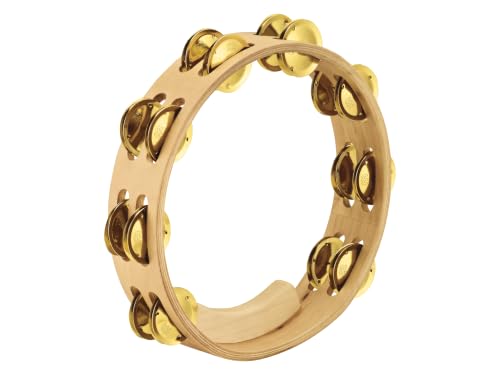
Meinl AE MTA2B Artisan Edition Tambourine
Players who want a professional-grade maple tambourine with bright brass jingles and a comfortable grip for acoustic and ensemble settings.
Read the Meinl AE MTA2B Artisan Edition Tambourine review →
Meinl AE MTA2BO Artisan Edition Tambourine
Professional percussionists and discerning players who need a bright, articulate tambourine for live, studio, orchestral, and worship settings.
Read the Meinl AE MTA2BO Artisan Edition Tambourine review →
Sonor Orff NG30 Soprano Chromatic Glockenspiel
A music educator or parent who needs an affordable chromatic glockenspiel for classroom or early melodic work.
Read the Sonor Orff NG30 Soprano Chromatic Glockenspiel review →Questions Buyers Ask
Sonor Orff NG31 Alto Chromatic Glockenspiel
See the current listing, price and included accessories.
About This Review
Mandrillis Team
The Mandrillis editorial team researches and compares audio and music gear using manufacturer documentation, verified specs and real buyer feedback, so you can make a confident purchase without wading through marketing claims.
Read our full research methodology.