Buying Guide
Home Studio Starter Guide: What You Actually Need
Everything you need to know before buying your first audio interface, studio monitors and microphone, without wasting money on gear you don't need yet.
Quick Answer
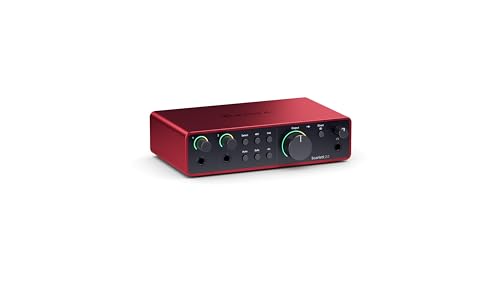
A first home studio needs three things: an audio interface, studio monitors, and a microphone. For most people starting out, the Focusrite Scarlett 2i2 is the right first purchase because it is the simplest way to get sound into a computer. Pair it with the PreSonus Eris E5 monitors for mixing and either the Audio-Technica AT2020 (budget condenser) or the Shure SM7B (broadcast-quality dynamic mic) depending on your microphone budget.
Why These Three Pieces of Gear?
Almost every home studio is built around the same three building blocks: an audio interface to get sound into your computer, monitors or headphones to hear it accurately, and a microphone to record it. Get these three right and everything else is optional.
Capture Sound
Hear It Accurately
Connect It All
Record Anything
What to Look For
A few specs matter more than the rest when you're starting out:
Preamp Quality
Clean, quiet mic preamps matter more than input count for most home setups.
Latency
Look for direct monitoring so you can hear yourself without delay while recording.
Flat Frequency Response
Studio monitors should sound neutral, not boosted in the bass, so mixes translate elsewhere.
Build Quality
Interfaces and mics get moved and packed away; a metal chassis lasts longer than plastic.
Room Treatment
Even great monitors sound worse in an untreated room than average monitors in a treated one.
Upgrade Path
Buy an interface with enough inputs for where you'll be in a year, not just today.
Core Studio Gear Types
Here is what each piece of gear actually does:
Audio Interface
Converts your mic and instrument signals into digital audio your computer can record.
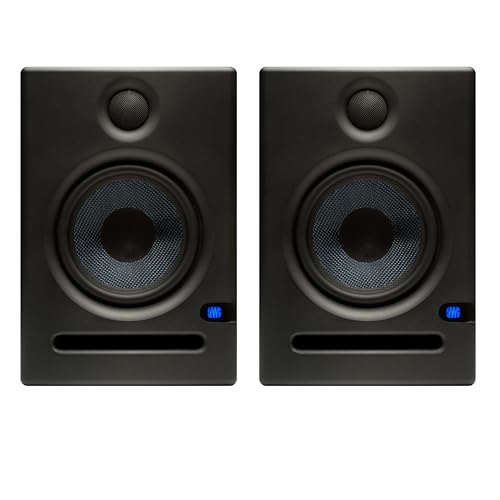
Studio Monitors
Flat, accurate speakers so mix decisions translate to phones, cars and other speakers.
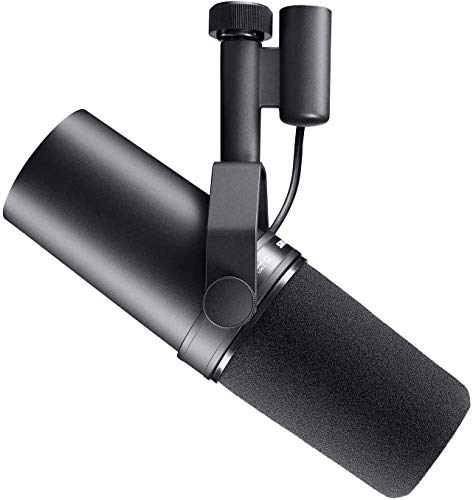
Microphone
Captures your voice or instrument. Dynamic mics reject room noise; condensers capture more detail.
Our Top Picks
We researched and compared the most popular choice in each category for a first home studio.
Focusrite Scarlett 2i2
Best Interface
Who Should Buy It
- You are building your first home recording setup
- You want a simple, plug-and-play interface
- You want two mic preamps for recording in stereo or with a friend
Skip It If
- You need more than 2 simultaneous inputs
- You want onboard DSP effects
We may earn a commission at no extra cost to you.
Last verified: September 2026
PreSonus Eris E5
Best Monitors
Who Should Buy It
- You want accurate, flat sound for mixing decisions
- You have or plan to treat your room acoustically
- You want room-control tuning switches to compensate for placement
Skip It If
- You plan to mix primarily on headphones
- You don't have space for a matched monitor pair
We may earn a commission at no extra cost to you.
Last verified: September 2026
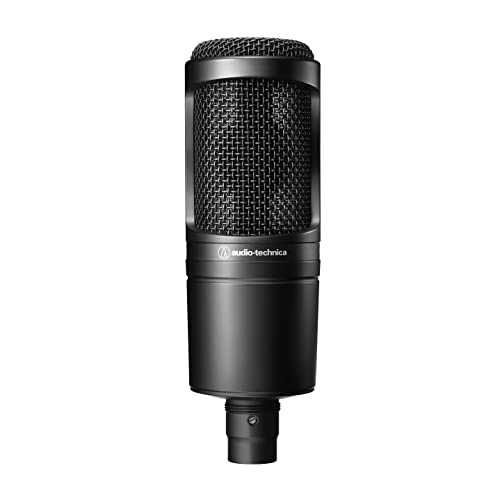
Audio-Technica AT2020
Best Budget Mic
Who Should Buy It
- You want vocal recording or podcasting on a budget
- You already have an audio interface with phantom power
- You have at least a basic treated recording space
Skip It If
- You want a USB mic with no interface required
- You record in an untreated room with noticeable echo
We may earn a commission at no extra cost to you.
Last verified: September 2026
Shure SM7B
Best Podcast Mic
Who Should Buy It
- You want a broadcast-quality voice for podcasting or streaming
- You record in an untreated room and need strong noise rejection
- You have or plan to add a clean-gain boost like a Cloudlifter
Skip It If
- Your interface or preamp can't provide enough clean gain
- You want the most affordable entry point into XLR microphones
We may earn a commission at no extra cost to you.
Last verified: September 2026
Common Home Studio Mistakes
Skip these common pitfalls when building your first setup:
Buying expensive monitors before treating the room
Recording vocals without a pop filter
Ignoring microphone placement and distance
Choosing a mic that doesn't suit dynamic vs condenser needs
Skipping a stand or shock mount and picking up handling noise
Overbuying inputs you won't use for years
Why You Can Trust This Guide
We compared products using verified manufacturer specifications, available manuals and documentation, retailer listings, owner feedback, and editorial research.
We focus on measurable differences such as performance, compatibility, usability, build quality, features, and value.
Mandrillis presents editorial research as editorial research, not as laboratory testing, unless physical testing was actually performed.
Read our full research methodology.
Frequently Asked Questions
About This Guide
Mandrillis Team
The Mandrillis editorial team researches and compares audio and music gear using manufacturer documentation, verified specs and real buyer feedback, so you can make a confident purchase without wading through marketing claims.
Read our full research methodology.
Sources for This Guide
- Amazon product listing (live pricing and images via Creators API)
- Publicly available Focusrite specifications
- Publicly available PreSonus specifications
- Publicly available Audio-Technica specifications
- Publicly available Shure specifications