Guitar & Bass Review
Bromo BAR 6H Review: Refined 12 Fret Parlor
The Bromo BAR 6H is a lower mid range all solid parlor with a solid spruce top, solid mahogany back and sides, and a 12 fret neck joint. The listing highlights a low oval mahogany neck and a compact 632.4 mm scale. This review examines what those published specs suggest for fingerstyle, blues and everyday practice.
Our Verdict
Research Score 85/100The Bromo BAR 6H is a compelling lower mid range all solid 12 fret parlor. The solid spruce and mahogany pairing, compact body and short scale suggest a warm, focused voice that suits fingerstyle, blues and daily practice. The best on paper features are the low oval neck, 12 fret joint and all solid construction. The main weakness is the missing hardware and finish information, especially tuner type and fingerboard material. Players who do not need a pickup and can accept a few unknowns will likely find real value here. A personal trial and a return policy are still recommended before purchasing. Compared to typical laminate parlor guitars, this model offers a more resonant foundation for an accessible price.
Editorial research score based on published specifications and documented features, not a customer rating or lab test.

Bromo
Bromo BAR 6H
Best for: Players who want an all solid 12 fret parlor for fingerstyle, blues and intimate practice at a lower mid range price.
Skip it if: Players needing built in electronics, a loud dreadnought voice or very wide string spacing should look elsewhere.
Check Price on AmazonWe may earn a commission at no extra cost to you.
Listing verified: October 2026
Who Should Buy It
Buy it if
- Fingerstyle and blues players who prefer a compact all solid body
- Intermediate players upgrading from laminate starter guitars
- Home recording players who use microphones instead of pickups
- Acoustic purists who want a simple grab and go instrument
Skip it if
- Stage performers who need a direct plug in signal
- Players who require a big bass response and heavy strumming volume
- Buyers who want full specs for tuners, finish and fingerboard before purchasing
Key Specifications
| Body shape | Parlor |
| Top | Solid Spruce |
| Back and sides | Solid Mahogany |
| Neck and fingerboard | Mahogany with 2 Amara Ebony reinforcement strips; fingerboard material not published in listing |
| Scale length | 632.4 mm (24 29/32 in) |
| Nut width | 43.5 mm (1 23/32 in) |
| Electronics | Not published in listing |
| Tuners | Not published in listing |
| Finish | Not published in listing |
| Included accessories | Not published in listing |
Overview
The Bromo BAR 6H enters the lower mid range acoustic guitar tier as an all solid 12 fret parlor. The listing specifies a solid spruce top paired with solid mahogany back and sides, a combination that generally produces a warm, clear voice with less bass emphasis than a larger dreadnought. This compact format suggests a focus on fingerstyle, blues and intimate playing rather than heavy strumming or flatpicking. On paper, the all solid construction separates it from many solid top laminate models in the same price band.
The published geometry includes a 632.4 mm scale, a 43.5 mm nut width and a 47 mm fingerboard width at the zero fret. A 12th fret neck joint shifts the bridge lower on the top, which typically gives a rounder, more resonant attack. Buyers who prioritize an easy reach and a relaxed left hand will likely appreciate the compact parlor body and low oval neck profile. Because the listing does not state fingerboard material, tuner brand or finish type, some hardware details remain open questions.
This review evaluates the BAR 6H based only on the product listing and general acoustic guitar knowledge. It does not include direct physical testing, laboratory measurements or side by side comparisons. The goal is to help a buyer decide whether this all solid 12 fret parlor is a sensible choice for the price tier it occupies. The lower mid range label suggests a serious step up from starter guitars, but not a premium boutique build.
Body, Neck and Playability
The BAR 6H uses a parlor body, which is smaller than a standard dreadnought or grand auditorium. The listing describes an all solid construction with a solid spruce top and solid mahogany back and sides. A smaller body is often easier to hold for seated practice and can reduce shoulder fatigue during long sessions. The 12 fret neck joint means the neck meets the body at the 12th fret rather than the 14th, which changes the bridge placement and right hand position. On paper, that layout should offer a slightly looser feel for bends and expressive left hand phrasing.
The neck is mahogany with two Amara ebony reinforcement strips. The published neck profile is low oval, which is typically a slim, rounded shape that fits a wide range of hand sizes. The scale length is 632.4 mm, which is shorter than many full size acoustics and should make stretches easier for players with smaller hands. The nut width is 43.5 mm, while the fingerboard width at the zero fret is 47 mm. This means the string spacing may feel a touch wider at the first position than some narrow nuts, but still relatively friendly for chord work and fingerstyle. The listing does not publish fingerboard radius, fret wire size or string spacing at the bridge, so precise feel remains unverified.
For playability, the low oval mahogany neck and compact scale are the strongest on paper assets. A 12 fret neck often gives a more centered, balanced feel, especially for thumb over playing and fingerstyle. The solid top and all solid body do not directly affect playability, but they influence note envelope and response under the fingers. Players who prefer a flat, wide neck or a very long scale may need to try before buying, since the listing omits radius and exact profile dimensions. Still, the published measurements point to a comfortable, accessible instrument for daily practice.
Tone and Projection
The tone recipe is a solid spruce top over solid mahogany back and sides. Spruce is a common top wood known for wide dynamic range, clear attack and good headroom, while mahogany tends to add warmth, midrange focus and a slightly dry fundamental. The listing does not publish top thickness, bracing pattern or bridge plate material, so the exact tonal balance cannot be specified beyond general expectations. A parlor body naturally rolls off some low end compared to a dreadnought, which often makes the midrange and treble more prominent in a mix.
The 12th fret neck joint influences tone by moving the bridge closer to the center of the lower bout. On many guitars, this placement produces a rounder, more overtone rich sound with less percussive attack. The shorter 632.4 mm scale can contribute a softer string tension, which may round out the attack slightly and emphasize sustain over snap. Buyers report that all solid parlor guitars of this type tend to open up over time as the wood vibrates, but that is a general characteristic, not a measured claim from the listing.
Projection from a parlor is typically intimate rather than stadium loud. The BAR 6H is not specified as having a cutaway, electronics or any internal amplification, so its acoustic voice must carry practice rooms, small gigs or recording spaces on its own. Compared to a larger body like a Yamaha FG800 or Fender CD 60S, the parlor may sound smaller in the bass register, but potentially more balanced for fingerstyle and vocal accompaniment. The solid mahogany back and sides should provide a focused midrange that cuts through a room without excessive boom. Without direct physical evaluation, these are informed expectations from published specs rather than measured tonal results.
Hardware and Electronics
The listing does not publish tuner type, brand, gear ratio or button material. That is a notable gap for buyers who value tuning stability and upgrade ease. Without this information, the BAR 6H cannot be judged for hardware quality against other lower mid range instruments that specify die cast tuners or branded open gear units. The nut width is listed at 43.5 mm and the zero fret fingerboard width at 47 mm, but saddle material, bridge pins and strap button details are not included.
Electronics are not published in the listing. The BAR 6H appears to be an acoustic only instrument in the provided specifications, with no mention of a pickup, preamp, onboard tuner or output jack. That may appeal to purists who prefer no battery box or control panel, but it limits direct stage use without an aftermarket pickup or external microphone. Buyers who need plug and play convenience should plan for a professional installation.
The lack of listed hardware details is one of the honest limitations of this review. A lower mid range all solid guitar can still carry average tuners or a thin finish, but the listing does not say. The two Amara ebony reinforcement strips in the neck are a distinctive published detail that suggests attention to neck stability, but they do not replace tuner or bridge information. The product listing positions the BAR 6H on tonewood and geometry rather than components, so the buyer is partly trusting the overall build at this price.
- No published onboard electronics, pickup or preamp
- Tuner brand, ratio and button material not listed
- Saddle, nut material and bridge pins not specified
- Strap button and case or gig bag not mentioned
- 12 fret neck joint and all solid wood are the highlighted hardware design choices
Build Quality and Finish
The all solid construction is the headline build feature. Solid spruce and solid mahogany generally indicate a higher level of craftsmanship and resonance than laminate tonewoods, because the wood can vibrate more freely. The neck uses mahogany with two Amara ebony reinforcement strips, a detail that implies an effort to prevent warping and improve long term stability. However, the listing does not publish top bracing, body dimensions, binding material or interior kerfing, so the full construction profile is incomplete.
The 12 fret neck joint requires careful geometry, since the bridge is positioned lower on the top and the neck heel extends further into the body. A poorly executed 12 fret joint can create intonation or setup problems, but a well made one can feel very natural. The listing gives a 632.4 mm scale and 43.5 mm nut width, which are precise enough to suggest the manufacturer pays attention to measurements. The fingerboard material is not published, so buyers cannot assess fretboard density, feel or durability from the listing alone.
Finish type and thickness are not published. Lower mid range all solid guitars sometimes use a thin satin or open pore finish to protect the wood without damping vibration, but the BAR 6H listing does not say. The absence of finish details makes it difficult to predict how the guitar will age or resist humidity changes. Without a personal inspection, the buyer should expect a competent assembly based on the all solid wood selection and the specified neck reinforcement, but should not assume boutique level binding, fretwork or cosmetic perfection.
Setup Out of the Box
Factory action, string gauge, relief and bridge saddle height are not described in the listing. Many guitars in this price tier arrive with playable but conservative action, and a professional setup can improve comfort. The BAR 6H has a 632.4 mm scale, which can make the strings feel slightly softer than a longer scale at the same tuning. The 43.5 mm nut width and 47 mm zero fret width suggest moderate spacing, but actual nut slot depth and fret leveling are unknown from the listing.
A 12 fret parlor can be very sensitive to neck angle and saddle height because the bridge sits closer to the soundhole area on the top. If the factory setup is too high, the short scale may still feel stiff. The low oval neck shape generally helps thumb comfort, but setup determines whether the guitar frets cleanly up the neck. The listing does not mention a setup guarantee, included truss rod wrench or fret dressing, so first fret buzz or high action would need to be addressed by the buyer or a local tech.
Buyers report that lower mid range all solid instruments often benefit from minor saddle and nut adjustments after shipping, especially after humidity changes. The best on paper advantage of the BAR 6H is the compact geometry, which can make a basic setup feel less demanding than a long scale dreadnought. Still, the listing's silence on setup means the first playing experience may vary from smooth to frustrating until a setup is done.
Daily Use and Practice
A parlor body is often chosen for daily practice because it is easy to hold on a couch, desk chair or small room. The BAR 6H's shorter scale and 12 fret neck reduce the reach to the lower positions, which can be helpful for long sessions or players recovering from hand fatigue. The solid spruce top responds to a light touch, making quiet evening practice less demanding. On paper, the all solid wood should produce a satisfying sound even at low volume, without the boxy compression of some laminate instruments.
The lack of onboard electronics means no battery check, no cable and no preamp controls to maintain. This simplicity can make the BAR 6H a grab and go instrument for learning songs, writing or warming up. The listed 47 mm width at the zero fret may give fingerstyle players enough room to articulate individual notes, while the 43.5 mm nut remains manageable for barre chords. The low oval neck profile is likely to reduce left hand strain, though actual fingerboard edges and fret ends are not described.
Daily use also depends on durability and tuning stability. The neck reinforcement strips suggest an awareness of climate related neck movement, but tuner quality is not published. A player who keeps the guitar in a stable room and performs regular string changes should be able to enjoy consistent practice. The compact size makes it easier to store on a stand or hang on a wall, but no case or gig bag is listed, so safe transport requires an additional purchase. Overall, the BAR 6H appears designed for frequent, close range playing rather than high volume performance.
Versatility and Styles
The 12 fret parlor format is commonly associated with fingerstyle, delta blues, folk and singer songwriter material. The all solid spruce and mahogany combination supports gentle picking, open tunings and moderate strumming. The compact body and short scale can make alternate tunings feel looser, though the reduced string tension may require a slightly heavier gauge to maintain pitch stability. The listing does not specify recommended string gauges, so players should experiment carefully with the short scale.
For strumming, the parlor voice is more controlled and midrange focused than a dreadnought. Aggressive flatpicking or hard rhythm playing may push the top into compression earlier, but moderate strumming for recording or small rooms can work well. The 12 fret neck position gives the guitar a slightly softer attack, which suits vocal accompaniment more than bluegrass leads. Compared to a Taylor GS Mini or Martin LX1, the BAR 6H has a wider nut and all solid wood, but the listing's unspecified hardware makes direct performance comparisons incomplete.
The absence of a cutaway and onboard electronics narrows its use for high fret soloing or direct stage work. That said, a parlor often records beautifully with a condenser microphone, and the all solid body should provide a nuanced, balanced signal. The BAR 6H is not a one trick beginner guitar, but it leans toward intimate styles rather than high volume band settings. Players who value clarity, note separation and easy portability will likely find it versatile within its intended acoustic niche.
Who Should Buy It
The BAR 6H suits a player who wants an all solid acoustic at a lower mid range price and prioritizes tonewood over electronics or brand prestige. The classic spruce over mahogany pairing is a safe choice for fingerstyle, blues and roots music. Its 12 fret parlor size appeals to smaller framed players, couch pickers and anyone who finds a dreadnought too bulky. The published scale and neck dimensions suggest an easy, approachable feel.
Intermediate players upgrading from a laminate starter guitar may appreciate the move to solid wood. The all solid top and back provide a more resonant, dynamic response that often encourages better touch and listening. Buyers who already own a large bodied guitar and want a second instrument for travel, songwriting or fingerstyle will find the compact format useful. The BAR 6H is also a sensible choice for an acoustic purist who prefers no preamp or battery.
Those who record at home with microphones may find the parlor body easier to capture than a booming dreadnought. The 12 fret design often yields a more even note envelope and less low end mud. However, the listing's missing tuner and finish details mean this is not a purchase for spec obsessed buyers. For the right player, the all solid recipe and compact geometry are compelling.
Verdict
On paper, the Bromo BAR 6H is a well judged lower mid range all solid 12 fret parlor. It combines a solid spruce top, solid mahogany back and sides, and a compact neck geometry that should suit fingerstyle and daily practice. The publisher's detailed scale and nut measurements provide some confidence, while the all solid tonewood choice separates it from typical laminate starter guitars. The lack of listed tuner, fingerboard and finish details is the main drawback.
The scoring reflects both the strengths and the unknowns. Playability earns a high mark for the low oval neck, short scale and moderate nut width. Tone earns a strong but not perfect score because the all solid wood is promising but bracing and actual response are unverified. Build quality receives a solid score for the neck reinforcement and all solid construction, while hardware loses points for missing component specifications. Versatility is good within acoustic styles, and value is strong for a lower mid range all solid parlor.
Overall, the BAR 6H is an appealing choice for fingerstyle players, blues enthusiasts and anyone who wants a compact solid wood guitar without paying a premium boutique price. The verdict is positive, but only as far as the published specifications and general knowledge can support. A personal trial or a return policy would be wise before purchase. If the actual build quality matches the on paper design, this is a very sensible instrument for the price.
Strengths and Limitations
Strengths
- All solid spruce top and mahogany back and sides
- 12 fret neck joint with compact parlor body
- Low oval mahogany neck with Amara ebony reinforcement strips
- 632.4 mm short scale for easy reach
- 43.5 mm nut width and 47 mm zero fret width for comfortable fingerstyle
- No onboard electronics to maintain
Limitations
- Fingerboard material and fingerboard radius not published
- Tuner brand, ratio and finish type not listed
- No onboard pickup or preamp specified
- Included accessories not published
How We Scored It
Scores reflect published specifications, documented features and value against the alternatives below. They are editorial research scores, not laboratory measurements.
Alternatives to Consider

Cort SFX-ENS
Players who want a comfortable lower mid-range acoustic-electric with a cutaway and built-in electronics for live use, practice, and modern styles.
Read the Cort SFX-ENS review →
Yamaha FG820
Beginner to intermediate players who want a solid-top dreadnought for strumming, flatpicking, and singer-songwriter practice at a lower mid-range price.
Read the Yamaha FG820 review →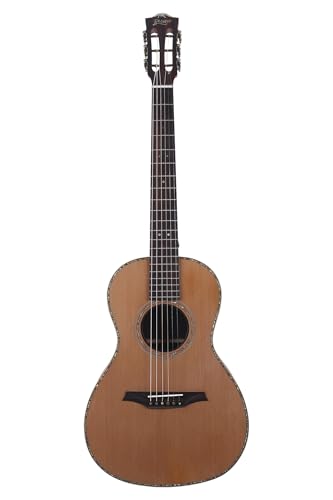
Bromo BAR 6E
Players who want an all-solid parlor guitar with a wide nut and warm cedar tone in the mid-range tier.
Read the Bromo BAR 6E review →Head-to-Head Comparisons
- Bromo BAR 6H vs Washburn Comfort G-Mini 55 Koa Compare →
Questions Buyers Ask
Bromo BAR 6H
See the current listing, price and included accessories.
About This Review
Mandrillis Team
The Mandrillis editorial team researches and compares audio and music gear using manufacturer documentation, verified specs and real buyer feedback, so you can make a confident purchase without wading through marketing claims.
Read our full research methodology.