Guitar & Bass Review
Yamaha FG820 Review: Solid Top Dreadnought Value
The Yamaha FG820 is a lower mid-range dreadnought with a solid Sitka spruce top, mahogany back and sides, rosewood fingerboard and bridge, and diecast tuners. The listing does not include electronics or exact neck dimensions. It is a straightforward acoustic for strummers and developing players.
Our Verdict
Research Score 78/100The Yamaha FG820 is a lower mid-range solid-top dreadnought that offers a classic tonewood recipe in a familiar shape. The solid Sitka spruce top, mahogany back and sides, rosewood fingerboard and bridge, and diecast tuners are all sensible features. The absence of electronics keeps the guitar focused on acoustic tone, but it also limits plug-in versatility. The product listing leaves out some specifics like scale length, nut width, and neck wood, so the full playability picture is incomplete. On paper, the FG820 should deliver strong projection, balanced tone, and Yamaha's typical build quality. Buyers report it as a reliable step up from all-laminate beginner guitars. The score reflects a solid mid-range value with some uncertainty due to unpublished specs and no electronics. For players who want a no-frills acoustic dreadnought with a solid top, the Yamaha FG820 is a straightforward and worthy choice. It earns a score of 78 out of 100.
Editorial research score based on published specifications and documented features, not a customer rating or lab test.

Yamaha
Yamaha FG820
Best for: Beginner to intermediate players who want a solid-top dreadnought for strumming, flatpicking, and singer-songwriter practice at a lower mid-range price.
Skip it if: You need onboard electronics, a smaller body, a cutaway, or exact neck dimensions before buying.
Check Price on AmazonWe may earn a commission at no extra cost to you.
Listing verified: October 2026
Who Should Buy It
Buy it if
- Players upgrading from an all-laminate beginner guitar
- Strummers and flatpickers who want projection and low end
- Home players and acoustic jam participants
- Anyone seeking a traditional Yamaha dreadnought with solid top
Skip it if
- You need a plug-and-play stage guitar with a preamp
- You prefer a parlor, concert, or travel size body
- You require published scale length and nut width before purchase
Key Specifications
| Body shape | Dreadnought |
| Top | Solid Sitka Spruce |
| Back and sides | Mahogany |
| Neck and fingerboard | Neck wood not published; Rosewood fingerboard |
| Scale length | Not published in listing |
| Nut width | Not published in listing |
| Electronics | Not published in listing |
| Tuners | Diecast |
| Finish | Natural |
| Included accessories | Not published in listing |
Overview
Yamaha's FG820 sits in the lower mid-range acoustic category as a solid-top dreadnought. The published features include a solid Sitka spruce top, mahogany back and sides, a rosewood fingerboard and bridge, and diecast tuners. The body shape is a full-size dreadnought, and the finish is listed as natural. No electronics are mentioned, which suggests this is an acoustic-only instrument.
The FG series has long been a familiar entry point for players moving beyond basic beginner guitars. The FG820 adds a solid spruce top to the formula, which is a meaningful upgrade from all-laminate tops. Solid spruce tends to respond more dynamically and can improve with age. The product listing does not state the exact scale length, nut width, or neck wood, so those details remain unpublished.
This guitar appears aimed at strummers, flatpickers, and singer-songwriters who want a traditional dreadnought without spending premium money. The lower mid-range price tier makes it a practical step-up option. Buyers should note that the listing does not clarify whether the mahogany back and sides are solid or laminate. In this price range, laminate back and sides are common, but the wording is not explicit.
Body, Neck and Playability
The dreadnought body is a full-size shape known for its broad waist and deep body. The solid Sitka spruce top is paired with mahogany back and sides, which is a classic combination for balanced tone. The rosewood fingerboard offers a smooth surface for fretting. The natural finish is the only finish listed, and the body appears traditional with no cutaway.
The neck wood is not published in the product listing, but the fingerboard is specified as rosewood. The listing states that the guitar has an adjustable truss rod, which is standard and useful for seasonal neck adjustments. Without a published scale length or nut width, players cannot know the exact string spacing or reach from the data alone. Buyers often report that Yamaha dreadnoughts have a comfortable moderate neck profile, but that is anecdotal and not part of the official specification.
Playability should be adequate for most chord and strumming work given the dreadnought shape and rosewood fingerboard. However, because the string height and factory setup are not described, the out-of-box action may vary. The adjustable truss rod helps with minor setup tweaks. Players who prefer a slimmer neck or a shorter scale should try the guitar in person before buying.
Tone and Projection
A solid Sitka spruce top is expected to deliver a clear and dynamic response with good headroom for strumming. Mahogany back and sides typically add warmth and midrange focus, which balances the spruce top's brightness. The dreadnought body provides strong projection and low-end presence, making the FG820 well suited to flatpicking, folk, country, and singer-songwriter accompaniment.
The rosewood bridge contributes to efficient string energy transfer to the top. The product listing does not mention any bracing pattern, so the internal construction details remain unpublished. Without electronics, the guitar's tone is entirely acoustic, which can be a plus for purists. In a lower mid-range price tier, the solid top is the feature most likely to produce noticeable tonal improvement over all-laminate beginner models.
Buyers report a balanced sound that works for both light fingerpicking and aggressive strumming, though the dreadnought size may be less intimate for soft fingerstyle. The solid spruce top should respond well to a firm pick and produce plenty of volume in a room. Players who want a big, open acoustic voice will likely appreciate the FG820 on paper.
Hardware and Electronics
The hardware is simple and functional. Diecast tuners are listed, which are common on guitars in this price range and provide reliable tuning stability. An adjustable truss rod is included, which is important for maintaining neck relief. The rosewood bridge and fingerboard are also part of the hardware and material package.
No electronics are listed, so the FG820 appears to be an acoustic-only instrument. There is no mention of a preamp, undersaddle pickup, or onboard tuner. This means players who want to plug into an amplifier or PA system will need an external microphone or an aftermarket pickup installation. The natural finish is applied to the body, though the neck finish is not specified.
- Diecast tuners for reliable tuning
- Adjustable truss rod for neck relief
- Rosewood bridge for string transfer
- No electronics listed, acoustic only
- Natural finish on body
Build Quality and Finish
Yamaha is known for consistent build quality, and the FG820 should reflect that reputation on paper. The listing states a solid Sitka spruce top, which is a meaningful upgrade from laminate tops. The back and sides are mahogany, but the listing does not specify whether they are solid or laminate. In this price tier, laminate back and sides are common, but the wording could be interpreted either way.
The natural finish is a color description, but the sheen or gloss level is not specified. The rosewood fingerboard and bridge add a touch of traditional styling. The absence of a cutaway is consistent with a traditional dreadnought design. No included accessories are listed, so a case, gig bag, strap, or picks are not part of the package.
Given the lower mid-range tier, overall build is likely decent but not premium. The adjustable truss rod and diecast tuners are standard. Buyers should not expect all-solid woods or hand-scalloped bracing. The listing does not state the country of manufacture, which leaves some build details open.
Setup Out of the Box
The product listing does not state the factory action, string gauge, or setup measurements. Many acoustic guitars in this price range ship with action that is playable but slightly high, and buyers often lower the saddle or adjust the truss rod to taste. The adjustable truss rod is a helpful feature for these adjustments.
Without a published nut width or scale length, players cannot calculate exact string tension or spacing. The absence of a setup description means the guitar may require professional adjustment for optimal playability. Buyers report that Yamaha acoustics often arrive with decent playability, but that is anecdotal and not guaranteed.
Because the listing does not mention included tools or a setup guide, the owner may need a hex wrench for the truss rod. For a lower mid-range dreadnought, a basic setup is a reasonable expectation. Players should budget time or money for a possible setup after purchase.
Daily Use and Practice
A full-size dreadnought is a good daily practice guitar for players who primarily strum and sing. The solid top responds well to a firm pick, and the larger body produces ample volume even without amplification. The lack of electronics means practice is acoustic, which can be beneficial for developing tone but less ideal for quiet late-night practice.
The guitar's weight and body depth may feel cumbersome for smaller players or those used to parlor or concert shapes. The listing does not publish the exact weight, so players cannot know if it is on the heavier side for a dreadnought. For seated practice on a couch, the body size may push the neck forward, but on a strap or proper chair it should balance fine.
Because there is no cutaway, access above the 14th fret is limited, but daily practice for chords and rhythm rarely requires upper-fret solos. The rosewood fingerboard should feel smooth under the fingers. The natural finish is easy to maintain visually. Overall, the FG820 is a straightforward practice partner that encourages consistent playing.
Versatility and Styles
The dreadnought shape and spruce-mahogany combination are versatile for strumming-heavy styles. Folk, country, bluegrass flatpicking, rock rhythm, and singer-songwriter accompaniment all fit well. The solid top provides dynamic range for both light picking and harder strumming. The rosewood bridge and fingerboard add a slight touch of warmth and articulation.
Fingerstyle players can use the FG820, but the dreadnought body is larger and may not be as comfortable for extended fingerpicking as a smaller grand concert or parlor guitar. The lack of electronics limits stage versatility unless you use a microphone. For recording, an external mic will capture the acoustic tone accurately. The guitar does not include a cutaway, so lead playing above the 12th fret is not a strength.
Compared to a smaller travel guitar, the FG820 is not ideal for cramped practice spaces or airline travel. However, for a general-purpose acoustic that covers rhythm and moderate flatpicking, it is a solid lower mid-range choice. The omission of electronics means players who need a plug-and-play stage guitar should look elsewhere.
Who Should Buy It
The Yamaha FG820 is best suited to beginner and intermediate players who want a dependable solid-top dreadnought without spending premium money. It fits those who play mostly at home, in lessons, or in small acoustic jams. The solid spruce top offers room for the guitar's tone to mature, which rewards consistent practice. Players who prioritize a traditional look and proven tonewood pairing will find the FG820 appealing.
Parents buying a first serious guitar for a teenager or adult learner should appreciate the Yamaha reputation and the lower mid-range price. The lack of electronics keeps the instrument simple and often more durable than guitars with cheap preamps. Players who prefer a larger body for volume and low-end response will be comfortable with the dreadnought shape. The included diecast tuners and truss rod are practical for everyday use.
This guitar is not the best fit for those who need a small body, a cutaway, or onboard electronics. The product listing also does not publish enough specifications for players who require exact neck dimensions. If you are unsure about fit, trying one in a store is wise.
Verdict
The Yamaha FG820 is a lower mid-range solid-top dreadnought that offers a classic tonewood recipe in a familiar shape. The solid Sitka spruce top, mahogany back and sides, rosewood fingerboard and bridge, and diecast tuners are all sensible features. The absence of electronics keeps the guitar focused on acoustic tone, but it also limits plug-in versatility. The product listing leaves out some specifics like scale length, nut width, and neck wood, so the full playability picture is incomplete.
On paper, the FG820 should deliver strong projection, balanced tone, and Yamaha's typical build quality. Buyers report it as a reliable step up from all-laminate beginner guitars. The score reflects a solid mid-range value with some uncertainty due to unpublished specs and no electronics. For players who want a no-frills acoustic dreadnought with a solid top, the Yamaha FG820 is a straightforward and worthy choice. It earns a score of 78 out of 100.
Strengths and Limitations
Strengths
- Solid Sitka spruce top for dynamic response
- Classic mahogany back and sides pairing
- Rosewood fingerboard and bridge
- Adjustable truss rod for seasonal setups
- Dependable lower mid-range dreadnought design
- Diecast tuners for stable tuning
Limitations
- No electronics or pickup listed
- Scale length and nut width not published
- Back and sides may be laminate, not specified
- No cutaway for upper fret access
- Included accessories not listed
How We Scored It
Scores reflect published specifications, documented features and value against the alternatives below. They are editorial research scores, not laboratory measurements.
Alternatives to Consider

Cort SFX-ENS
Players who want a comfortable lower mid-range acoustic-electric with a cutaway and built-in electronics for live use, practice, and modern styles.
Read the Cort SFX-ENS review →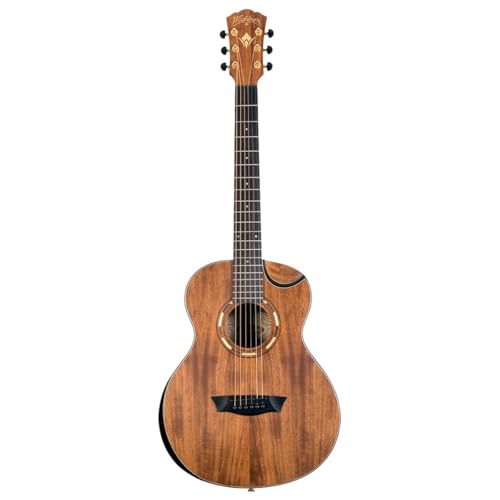
Washburn Comfort G-Mini 55 Koa
Traveling players and smaller framed guitarists who want a solid top in a compact body.
Read the Washburn Comfort G-Mini 55 Koa review →
Yamaha FG830
Players seeking a lower mid-range acoustic with a solid spruce top and rosewood back and sides for unplugged practice and songwriting.
Read the Yamaha FG830 review →Head-to-Head Comparisons
- Yamaha FG820 vs Fender CD-60S Compare →
Questions Buyers Ask
Yamaha FG820
See the current listing, price and included accessories.
About This Review
Mandrillis Team
The Mandrillis editorial team researches and compares audio and music gear using manufacturer documentation, verified specs and real buyer feedback, so you can make a confident purchase without wading through marketing claims.
Read our full research methodology.