Guitar & Bass Review
Martin LX1E Review: Compact Solid Top Acoustic Electric
The Martin LX1E puts a solid Sitka spruce top and mahogany HPL back and sides into a compact acoustic electric travel guitar. This listing highlights warm satin finish and a gig bag. Many specifications are not published, so this review focuses on what the listing states and what buyers can reasonably expect.
Our Verdict
Research Score 75/100The Martin LX1E offers a sensible combination of a solid Sitka spruce top and durable mahogany HPL back and sides in a small acoustic electric package. The listing emphasizes travel, practice and casual playing, and the included gig bag supports that role. The mid-range price feels fair for a solid top Martin, but the missing specifications keep it from a higher score. On paper, this is a practical instrument for a specific buyer. The lack of published details for neck, electronics and hardware means some aspects remain uncertain. If you can accept those unknowns and want a compact Martin with a solid top, the LX1E is worth considering.
Editorial research score based on published specifications and documented features, not a customer rating or lab test.
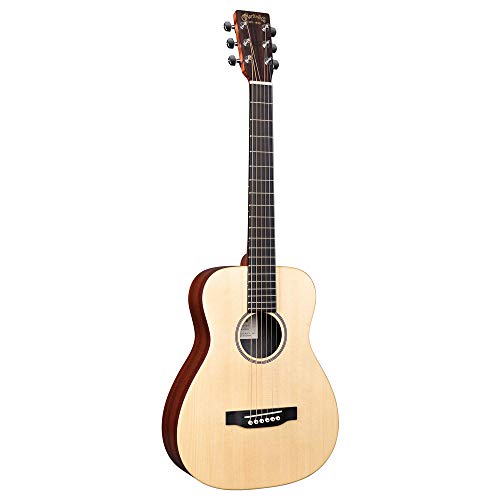
Martin
Martin LX1E
Best for: The Martin LX1E is best for players who want a compact, durable Martin acoustic electric with a solid top for travel and casual use.
Skip it if: Avoid the Martin LX1E if you need a full size acoustic with detailed published specifications and a known pickup system.
Check Price on AmazonWe may earn a commission at no extra cost to you.
Listing verified: October 2026
Who Should Buy It
Buy it if
- Travelers needing a compact acoustic
- Beginners wanting a solid top Martin
- Couch and casual players
- Songwriters who want a simple plug in option
Skip it if
- You need detailed neck and electronics specs
- You want loud dreadnought volume
- You prefer all-solid tonewoods
Key Specifications
| Body shape | Not published in listing |
| Top | Solid Sitka spruce |
| Back and sides | Mahogany high-pressure laminate (HPL) |
| Neck and fingerboard | Not published in listing |
| Scale length | Not published in listing |
| Nut width | Not published in listing |
| Electronics | Not published in listing |
| Tuners | Not published in listing |
| Finish | Warm satin finish |
| Included accessories | Gig bag |
Overview
Martin positions the LX1E as its smallest guitar with big tone, quality and versatility. The listing states the instrument has a solid Sitka spruce top and mahogany high-pressure laminate back and sides. A warm satin finish and a gig bag are part of the package, and the price tier is mid-range. This is an acoustic electric guitar, as the listing title indicates, but the exact pickup system is not described.
This review is based only on the published listing details and general knowledge of guitar construction. Many specifications are not published in the listing, including scale length, nut width, neck wood, fingerboard wood, tuners and pickup type. Readers should treat those missing details as unknowns rather than assume typical specs for a travel guitar. For example, a short scale or narrow nut cannot be confirmed without additional information.
The intended use from the listing is clear: travel, student practice, playing around the house or campfire. The compact body and included gig bag support that role. However, the absence of detailed specs means this review will separate what is stated from what remains uncertain. That distinction is important for buyers who plan to rely on the guitar for amplified performance or who have strict neck dimension preferences.
Body, Neck and Playability
The body is described as Martin's smallest guitar, which suggests a compact travel size, but the listing does not publish an official body shape name such as parlor or mini. The solid Sitka spruce top sits over mahogany HPL back and sides. The small body should be easy to hold for seated practice and travel, though exact dimensions are not given. Players who are familiar with Martin's larger models may find this size significantly more comfortable for casual use.
Playability depends heavily on neck profile, nut width and scale length, none of which appear in the listing. On paper, a short scale and narrow nut would make fretting easier for smaller hands, but those details cannot be confirmed. Buyers who need a specific string spacing should verify these measurements elsewhere before purchase. The Martin name suggests generally comfortable neck shapes, but without published specs it is impossible to promise a certain feel.
A guitar this size is often chosen by younger players or adults who want a less bulky option. However, without knowing the nut width or neck profile, it is hard to say whether it will suit players with very large hands. The body shape may be accommodating, but the neck could still feel cramped if the nut is narrow. This uncertainty is a direct result of the listing's limited information.
Tone and Projection
A solid Sitka spruce top is a meaningful upgrade over laminate tops, offering better clarity and dynamic response as the wood vibrates. The mahogany HPL back and sides are durable and less expensive to produce, but they do not contribute the same resonant complexity as solid mahogany. The expected tonal result is a focused midrange with clear treble and controlled bass, a sound that works well for fingerstyle and light strumming.
Projection will likely be modest because of the small body. The listing does not claim loud volume, and travel guitars are generally quieter than dreadnoughts. For solo practice, songwriting and light strumming, the tone should be pleasant. Players expecting room-filling acoustic power may find the sound limited. The solid top helps with note definition, but the overall output will still be constrained by the body size.
The acoustic electric capability adds tonal flexibility when amplified, but the pickup and preamp details are not published. Without that information, it is hard to judge how natural the plugged-in sound will be. A basic undersaddle pickup is common in this class, but this review will not assume that here. If the pickup is adequate, the solid top should translate well through it, but that remains an open question.
Hardware and Electronics
The listing title confirms the guitar is acoustic electric, but it does not publish the pickup type, preamp controls or battery requirements. This is a significant gap for buyers who plan to plug in often. The warm satin finish is listed, but the exact finish material is not described beyond that. Tuner brand and ratio are also absent, so tuning stability cannot be assessed from the listing alone.
The included gig bag is a useful accessory for a travel guitar. No other accessories such as a strap, picks, tuner or cable are mentioned. The absence of hardware details lowers confidence in the hardware score. On a positive note, the guitar includes the essentials to carry it safely, which aligns with the travel focus of the listing. However, for a mid-range priced instrument, many buyers expect at least a specification for the tuners and pickup.
To summarize the key hardware and electronic facts from the listing, the following bullets outline what is published and what is missing.
- Solid Sitka spruce top
- Mahogany high-pressure laminate back and sides
- Warm satin finish
- Acoustic electric electronics included, details not published
- Gig bag included
- Tuner details not published
Build Quality and Finish
Martin's reputation for quality is strong, and the solid top paired with HPL back and sides is a common approach for affordable travel models. HPL resists changes in humidity better than solid wood, which makes the guitar more stable for travel and casual use. The warm satin finish should feel smooth and reduce gloss glare. These choices indicate a design that prioritizes durability and low maintenance over premium acoustic resonance.
The listing does not publish details about bracing, neck joint, fretwire or country of manufacture. Without physical inspection, this review cannot assess fret ends, binding quality or internal glue work. Buyers should expect Martin's typical quality control, but the listing alone does not provide enough to confirm specific build details. A knowledgeable buyer may request additional photos or a serial number to verify authenticity.
The use of HPL is a practical choice for a travel guitar. It is less likely to crack in dry conditions than solid mahogany, which suits a guitar that may live in a car trunk or by a campfire. That said, players who value traditional all-solid construction may find the back and sides less inspiring. The trade-off is clear: stability and affordability in exchange for some tonal richness.
Setup Out of the Box
No setup details are published in the listing, including action height, relief, nut slot depth or string brand. Many acoustic guitars ship with medium action to avoid buzzing, and travel models may feel slightly stiff at first. A professional setup can improve comfort but adds cost and time. Beginners may not notice a high action, while experienced players often adjust the saddle or truss rod to their preference.
Because the neck dimensions and scale length are not listed, it is hard to predict how the guitar will feel immediately. If the guitar arrives with high action, barre chords and long practice sessions could feel uncomfortable. Some buyers choose to lower the saddle or have a technician adjust the neck. The listing gives no indication of factory setup quality, so this review cannot promise an ideal out of box experience.
The gig bag suggests the guitar is meant to be carried, so a stable setup matters for consistent playability. A guitar that shifts with temperature or humidity changes may need more frequent adjustments. The HPL back and sides help with stability, but the solid top will still react to environmental changes. Buyers who are particular about action may want to factor a setup into the purchase cost.
Daily Use and Practice
The compact size and included gig bag make the Martin LX1E convenient for couch practice, travel, camping and quick songwriting sessions. The solid top should respond well to fingerstyle playing at moderate volumes. The HPL back and sides reduce worry about temperature and humidity changes. These practical aspects align with the listing's emphasis on travel and casual use.
The acoustic electric option adds flexibility for connecting to a practice amp or audio interface, though the missing pickup details mean the signal quality is uncertain. The guitar is likely light enough for long practice sessions, but the exact weight is not published. A strap button may or may not be installed, and the listing does not say. Most travel guitars do include at least one strap button, but without confirmation this review cannot guarantee it.
Daily use should be low maintenance because HPL is easy to clean and less sensitive to environment than solid wood. The satin finish is less prone to showing fingerprints than gloss. These features make the guitar a practical companion for everyday playing, especially for someone who does not want to fuss over humidity control or polishing a glossy finish.
Versatility and Styles
The Martin LX1E on paper suits fingerstyle, light strumming, folk, blues and singer-songwriter material. The small body tends to emphasize midrange clarity rather than booming bass, which can work well for recording. Aggressive flatpicking or heavy strumming may push the top beyond its comfort zone. Players who favor gentle, nuanced playing will likely find the guitar more rewarding.
The acoustic electric format extends versatility to stage use and direct recording, but the lack of published electronics specifications limits how confidently this review can recommend it for live performance. If the pickup is basic, it may require an external preamp or careful EQ. The guitar remains most at home as a travel and practice instrument rather than a primary stage guitar.
Players who want to plug into a PA or interface will appreciate the built-in electronics, but they should test the output before relying on it for a gig. The solid top should provide a clear acoustic base for a pickup to amplify. Without knowing the pickup type, this review cannot assess feedback resistance or tonal balance when amplified. For open mics or small venues, it might suffice, but that remains uncertain.
Who Should Buy It
This guitar suits players who want a Martin branded solid top acoustic in a compact travel size. It is a reasonable option for beginners who need a durable and simple instrument, and for experienced players who want a couch guitar without spending a premium. The mid-range price positions it above starter packs, offering a solid top and the Martin name for a moderate investment.
Buyers who care about specific neck dimensions, pickup performance or premium tonewoods should look elsewhere or seek additional information. The HPL back and sides are practical but not as refined as all-solid construction. The ideal buyer values portability, brand heritage and a solid spruce top over detailed specs. If those aspects are important, the LX1E is a strong candidate.
The included gig bag makes the LX1E easy to grab for a weekend trip or a lesson. It is not the right choice for someone who needs a loud strummer or a full featured stage guitar. Instead, it fills a narrow but real niche between toy guitars and full size solid wood instruments. For the right player, it can be an everyday companion.
Verdict
The Martin LX1E offers a sensible combination of a solid Sitka spruce top and durable mahogany HPL back and sides in a small acoustic electric package. The listing emphasizes travel, practice and casual playing, and the included gig bag supports that role. The mid-range price feels fair for a solid top Martin, but the missing specifications keep it from a higher score. On paper, this is a practical instrument for a specific buyer.
The lack of published details for neck, electronics and hardware means some aspects remain uncertain. If you can accept those unknowns and want a compact Martin with a solid top, the LX1E is worth considering. Buyers who require full transparency or premium electronics should look at more fully specified models. This review is based on the listing only, not on physical testing, so the assessment remains cautious.
In summary, the Martin LX1E is a purpose built travel and practice guitar with a solid top and durable construction. It likely delivers clear tone and easy portability. The main drawback is the absence of detailed specifications, which prevents a more confident recommendation. For its intended use, it is a reasonable mid-range option. Contact a dealer or try one in person if possible before making a final decision.
Strengths and Limitations
Strengths
- Solid Sitka spruce top
- Durable mahogany HPL back and sides
- Compact travel-friendly size
- Included gig bag
- Martin brand heritage
Limitations
- Many specifications not published
- Pickup and electronics details unknown
- HPL back and sides lack solid wood resonance
- Small body may limit projection
How We Scored It
Scores reflect published specifications, documented features and value against the alternatives below. They are editorial research scores, not laboratory measurements.
Alternatives to Consider
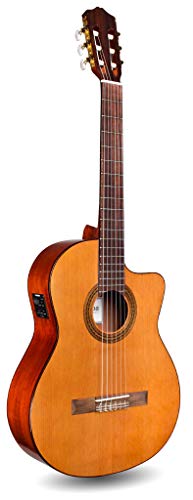
Cordoba C5CE
Players seeking a mid-range nylon-string acoustic-electric with a solid cedar top, cutaway, and built-in electronics for practice and performance.
Read the Cordoba C5CE review →
Guild DS-240
Intermediate players seeking a solid top dreadnought with a traditional look and purely acoustic performance at a mid-range price.
Read the Guild DS-240 review →
Martin LX1RE
Traveling players and students who want a compact acoustic electric with a solid spruce top and a trusted brand name.
Read the Martin LX1RE review →Head-to-Head Comparisons
- Guild DS-240 vs Martin LX1E Compare →
Questions Buyers Ask
Martin LX1E
See the current listing, price and included accessories.
About This Review
Mandrillis Team
The Mandrillis editorial team researches and compares audio and music gear using manufacturer documentation, verified specs and real buyer feedback, so you can make a confident purchase without wading through marketing claims.
Read our full research methodology.