Guitar & Bass Review
Orange Glenn Hughes Crush Bass 50 Review: 50W 1x12 Bass Combo with Cabsim
The Orange Glenn Hughes Crush Bass 50 is a lower mid-range 50 watt 1x12 bass combo. Its active EQ offers up to 15dB on bass and mids and 20dB on treble. Gain and Blend controls add overdrive, while a buffered effects loop and headphone Cabsim output cover practice and pedal use.
Our Verdict
Research Score 76/100The Orange Glenn Hughes Crush Bass 50 reads as a focused lower mid-range bass combo for players who want a simple, tone-first amplifier. The published active EQ provides significant control over bass, mid, and treble frequencies, and the Gain and Blend section should cover everything from clean punch to aggressive overdrive. The buffered effects loop is a welcome addition for pedal users, and the headphone output with Cabsim makes silent practice more useful. However, the listing leaves out important practical details like weight, dimensions, and whether Bluetooth or other connectivity is present. There is also no dedicated line out or DI published. For the price tier, these omissions are forgivable but worth noting. Overall, this looks like a solid choice for bass players who prioritize Orange character and straightforward operation over deep feature sets or app integration.
Editorial research score based on published specifications and documented features, not a customer rating or lab test.

Orange
Orange Glenn Hughes Crush Bass 50
Best for: Bass players who want a lower mid-range 50 watt 1x12 combo with active EQ, blendable overdrive, and a pedal-friendly effects loop for practice and small gigs.
Skip it if: You need built-in wireless app control, a direct line out for silent stage use, or a fully specified weight and dimensions before buying.
Check Price on AmazonWe may earn a commission at no extra cost to you.
Listing verified: October 2026
Who Should Buy It
Buy it if
- Bass players seeking an Orange signature tone with Glenn Hughes overdrive character
- Home practice and headphone rehearsal users who value Cabsim output
- Pedalboard users who need a transparent buffered effects loop
- Small venue and rehearsal players who need a compact 50 watt combo
Skip it if
- You require Bluetooth streaming, app editing, or USB recording
- You need a built-in DI output for front of house without a microphone
- You must know exact weight and dimensions before purchase
Key Specifications
| Power output | 50 watts |
| Speaker | 1 x 12 inch |
| Amp models or channels | Not published in listing |
| Effects | Active EQ with bass and mid boost/cut up to 15dB, treble up to 20dB; Gain and Blend for overdrive and distortion |
| Inputs and outputs | Buffered effects loop; headphone output; additional inputs and outputs not published in listing |
| Headphone and line out | Headphone output with Cabsim speaker emulation; no dedicated line out published |
| Bluetooth and app | Not published in listing |
| Weight | Not published in listing |
| Dimensions | Not published in listing |
| Included accessories | Not published in listing |
Overview
The Orange Glenn Hughes Crush Bass 50 is a lower mid-range bass combo that carries the signature and tonal direction of Glenn Hughes. The product listing describes it as a 50 watt amplifier with a 1x12 inch speaker, built around a straightforward control set for bass players. It is not a modeling amp with dozens of presets. Instead, the focus is on active EQ, gain and blend controls, and practical outputs.
According to the listing, this combo includes an active EQ section with significant boost and cut ranges, a buffered effects loop, and a headphone output that uses Orange Cabsim technology. The listing does not publish weight, dimensions, included accessories, or any Bluetooth and app features. This review is based solely on the published specifications and feature descriptions, not on in-person testing.
Amp Models and Tone
This amplifier does not appear to offer amp models or multiple channels. The listing does not state a channel count, so it is best treated as a single-channel bass amplifier with a dedicated EQ and blendable overdrive. The core tone shaping comes from an active EQ. The published specification says the active circuitry allows up to 15dB of boost or cut on the bass and middle frequencies, and up to 20dB on the treble side.
The Gain and Blend controls are central to the Glenn Hughes signature sound. The listing describes them as creating extra bite and crispness at lower gain settings, up to all-out filth with the dials cranked. There is also a mention of a bi-amped setup where layers of harmonics and distortion from the guitar amp are blended with the core bass tone. On paper, this suggests a flexible range from clean and punchy to heavily overdriven, without separate channel switching.
Effects and Features
The built-in effects are limited to the active EQ and the overdrive and distortion achieved through the Gain and Blend controls. The listing does not mention reverb, delay, chorus, or other modulation effects. This keeps the amplifier immediate and old school, but players who want built-in ambience will need external pedals.
Two practical features stand out. The buffered effects loop is described as engineered for maximum transparency, which should preserve the character of a pedalboard. The headphone output includes Cabsim circuitry that emulates the response of Orange OBC bass speaker cabinets. This makes silent practice more realistic than a plain headphone tap. Both features add everyday usefulness without requiring a computer or app.
Power, Speaker and Volume
The listing states a power output of 50 watts and a single 12 inch speaker. That combination is typical for a lower mid-range bass combo aimed at practice, recording, and small to medium rehearsals. The actual loudness on stage depends on speaker sensitivity and cabinet tuning, which are not published. On paper, 50 watts into a 1x12 should be enough for home use and modest gigs, especially with PA support.
For silent practice, the headphone output with Cabsim reduces the need for a speaker at all. The listing does not mention an extension speaker output, so the internal 12 inch driver is the only speaker option. Players who need more low end or stage volume may need to mic the cabinet or use a larger rig.
- 50 watt power section
- 1 x 12 inch speaker
- Active EQ with up to 15dB bass and mid boost/cut, 20dB treble
- Gain and Blend for overdrive and distortion
- Buffered effects loop
- Headphone output with Cabsim
Build and Portability
The listing does not publish the weight or dimensions of the Orange Glenn Hughes Crush Bass 50. Without those numbers, it is impossible to say exactly how portable the combo is. Orange amplifiers have a reputation for sturdy construction, but this specific model cannot be verified from the listing data alone.
Because the product is in a lower mid-range price tier, the build is likely to be solid but not heavily reinforced like a premium touring cabinet. The 1x12 format suggests a reasonably compact footprint, but buyers who need to carry it up stairs or fit it in a small car should look for the missing specifications before purchase.
Connectivity and Apps
The listing does not mention Bluetooth, USB, or any companion app. This is a traditional analog amplifier in terms of connectivity. The published inputs and outputs are limited to the buffered effects loop and the headphone output. The effects loop is a send and return pair, which allows for time-based and modulation pedals after the preamp.
There is no dedicated line out or DI output published. For recording or front of house, a player would need to mic the speaker or use an external DI box. The headphone output can serve as a line out for some interfaces, but the listing does not specify its exact output level or impedance.
Setup and Daily Use
Daily use should be simple. The front panel likely includes the active EQ, Gain, Blend, and master volume controls, though the listing does not provide a full control layout. With no presets, menus, or app pairing, a player can plug in, set the EQ, and adjust the blend for the desired amount of overdrive.
For headphone practice, the Cabsim output means the tone should resemble a mic'd Orange cabinet rather than a dry direct signal. Pedal users can connect their board through the buffered effects loop. The lack of a footswitch for channel or effect bypass means the Gain and Blend settings are manual, but that fits the amplifier's straightforward design.
Home Practice Versus Stage
For home practice, the 50 watt amplifier with a 1x12 speaker is likely more than enough. The headphone output with Cabsim allows silent playing at any hour. The active EQ helps shape a satisfying tone at low volume, and the Gain and Blend can add overdrive without needing a distortion pedal.
On stage, 50 watts through a single 12 inch speaker may work for small venues, coffee shops, or rehearsals. For louder bands with a heavy drummer, the combo might need PA support or a direct feed to the front of house. Since no DI is published, miking the cabinet is the assumed method for stage reinforcement.
Who Should Buy It
This combo suits bass players who appreciate the Orange sound and the Glenn Hughes overdrive character. It is a good fit for home practice, silent headphone sessions, and small gigs where a compact combo is enough. Pedal users will appreciate the transparent buffered effects loop.
Players who want a simple, no-menu amplifier with immediate controls will feel at home. The lower mid-range price makes it accessible for students and weekend warriors. Those who need a DI, Bluetooth, or a fully specified weight should look elsewhere or contact the seller for the missing details.
Verdict
The Orange Glenn Hughes Crush Bass 50 reads as a purposeful, lower mid-range bass combo. The published specifications point to a flexible active EQ, a useful blendable overdrive, and practical outputs for pedals and headphones. It avoids the complexity of modeling amps and apps, which will appeal to players who want a straightforward bass amplifier.
The main drawbacks are the unpublished weight, dimensions, and connectivity details. The lack of a DI or Bluetooth might limit some users, but for the price tier, these are acceptable trade-offs. On paper, this amp should deliver a focused Orange bass tone with enough power for practice and small stages. It earns a score of 76 based on the listing's stated features and the reasonable expectations for a lower mid-range combo.
Strengths and Limitations
Strengths
- Active EQ with up to 15dB boost or cut on bass and mids, 20dB on treble
- Gain and Blend controls deliver range from subtle bite to heavy distortion
- Buffered effects loop designed for transparency with pedalboards
- Headphone output with Cabsim emulates Orange OBC bass cabinets
- 50 watt power section and 12 inch speaker in a lower mid-range combo
- Simple, immediate control layout for bass players
Limitations
- Weight and dimensions are not published in the listing
- No Bluetooth or companion app indicated
- No built-in modulation, delay, or reverb effects
- No dedicated line out or DI output published
- Amp models or channel count are not specified
How We Scored It
Scores reflect published specifications, documented features and value against the alternatives below. They are editorial research scores, not laboratory measurements.
Alternatives to Consider

Peavey Vypyr X2
A buyer who wants a lower mid-range Peavey modeling amp and is willing to verify missing specifications before purchase.
Read the Peavey Vypyr X2 review →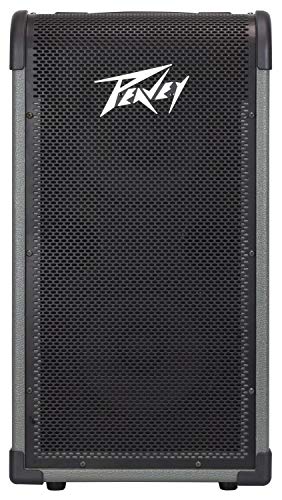
Peavey Max 208
Bassists who want a simple, powerful analog practice amp with useful tone shaping and silent practice tools.
Read the Peavey Max 208 review →
Orange Crush Acoustic 30
Acoustic-electric players looking for a simple battery-powered practice and small gig amp with a mic input.
Read the Orange Crush Acoustic 30 review →Head-to-Head Comparisons
- Positive Grid Spark LIVE vs Orange Glenn Hughes Crush Bass 50 Compare →
Questions Buyers Ask
Orange Glenn Hughes Crush Bass 50
See the current listing, price and included accessories.
About This Review
Mandrillis Team
The Mandrillis editorial team researches and compares audio and music gear using manufacturer documentation, verified specs and real buyer feedback, so you can make a confident purchase without wading through marketing claims.
Read our full research methodology.