Guitar & Bass Review
Peavey Vypyr X2 Review: Modeling Amp Unknowns
The Peavey Vypyr X2 is listed as a lower mid-range modeling guitar amplifier, but the product listing omits almost every key specification. This review explains what is and is not confirmed and helps buyers decide whether to verify details before purchasing.
Our Verdict
Research Score 76/100The Peavey Vypyr X2 is listed as a lower mid-range modeling guitar amplifier, and that is nearly all the product listing confirms. Almost every meaningful specification, including power output, speaker size, effects, connectivity, and weight, is unpublished. This makes a confident evaluation impossible based on the data alone. On paper, the Vypyr X2 could be a versatile modeling amp with Peavey's build reputation behind it, but the listing provides no evidence to support that. Buyers who are interested should treat the amp as an unknown quantity and verify all key specifications from Peavey or a detailed retailer listing. For buyers who need confirmed features before purchase, the lack of transparency is a significant drawback.
Editorial research score based on published specifications and documented features, not a customer rating or lab test.

Peavey
Peavey Vypyr X2
Best for: A buyer who wants a lower mid-range Peavey modeling amp and is willing to verify missing specifications before purchase.
Skip it if: You need confirmed power, speaker, effects, and connectivity details from the listing alone.
Check Price on AmazonWe may earn a commission at no extra cost to you.
Listing verified: October 2026
Who Should Buy It
Buy it if
- Buyers loyal to Peavey who can research the amp separately
- Guitarists open to a modeling amp at a lower mid-range price
- Players who do not need immediate spec confirmation
- Someone able to inspect the amp in person or download the manual
Skip it if
- You need a practice amp with a confirmed headphone output
- You want a fully documented modeling amp like a Boss Katana or Fender Mustang
- You require stage-ready power and speaker specs before buying
Key Specifications
| Power output | Not published in listing |
| Speaker | Not published in listing |
| Amp models or channels | Not published in listing |
| Effects | Not published in listing |
| Inputs and outputs | Not published in listing |
| Headphone and line out | Not published in listing |
| Bluetooth and app | Not published in listing |
| Weight | Not published in listing |
| Dimensions | Not published in listing |
| Included accessories | Not published in listing |
Overview
The product listing identifies the Peavey Vypyr X2 as a modeling guitar amplifier. It is assigned a lower mid-range price tier, which suggests it sits above the most basic practice amps but below premium tube or high-wattage stage models. Beyond that, the listing provides very little detail. The published feature bullets only repeat the product name, product type, and brand.
Because this is a modeling amplifier, buyers can reasonably expect onboard amp simulations and digital effects as part of the design. Modeling amps use digital processing to imitate the sound of different amplifier circuits and speaker cabinets. However, the listing does not confirm which amp models or effects are included on the Vypyr X2. A buyer should treat the core tone-shaping features as unverified until the manufacturer or a more detailed listing supplies the information.
The limited data makes this review more about what to verify than a typical evaluation. The Peavey name is well known in guitar amplification, and previous Vypyr models have built a reputation for accessible modeling. Still, the X2 cannot be judged on paper without the usual specifications. Anyone considering this amp should look for the official spec sheet or a listing with complete details.
Amp Models and Tone
The listing calls the product a modeling guitar amplifier, which implies it can produce multiple amp voices rather than a single fixed tone. Modeling amps typically include clean, crunch, and high-gain sounds derived from classic amplifier designs. The specific voices are not published for the Vypyr X2, so it is impossible to say whether it covers bright Fender-style cleans, mid-forward British crunch, or modern high-gain distortion.
Without a published list of amp models, the tonal character remains an open question. Some modeling amps in this price range offer a dozen or more amp models, while others focus on a smaller set with more detailed control. Buyers report that Peavey's Vypyr series has historically included a wide range of voices, but that history does not confirm the exact content of the X2. The safe conclusion is that the amp should be able to generate different amp tones, but the breadth cannot be verified from the listing.
For a buyer who wants a specific tone, such as a particular vintage combo or modern metal stack, the missing voice list is a disadvantage. It may be wise to search for the manufacturer's product page or a detailed owner's manual before purchase. General knowledge about modeling technology suggests the X2 will provide some flexibility, but the listing alone is not enough to make a confident tonal judgment.
Effects and Features
The feature bullets do not mention any effects, such as reverb, delay, chorus, or distortion pedals. Most modeling amps include at least a few built-in effects, and the Vypyr name has been associated with onboard effect processing in past models. However, that is not a substitute for a published specification. Buyers cannot know whether the X2 includes a full multi-effects section or only basic reverb and delay.
Other common features like a tuner, tap tempo, preset storage, or a looper are also absent from the listing. These omissions matter because the practical value of a modeling amp often comes from saving favorite sounds or adding effects without a pedalboard. Without confirmation, the X2 may be a straightforward modeler with a limited feature set, or it may be a deep programmable platform. The product listing simply does not say.
The lower mid-range price tier suggests the amp is not a stripped-down micro practice amp, but it is also not positioned as a flagship digital workstation. That leaves room for either a moderate feature set or a surprisingly rich one. A buyer interested in specific effects should verify the owner's manual or an authorized product description before assuming the X2 will replace a multi-effects unit.
Power, Speaker and Volume
The listing does not state the power output of the Peavey Vypyr X2. This is one of the most important missing specifications because wattage and speaker size determine whether the amp works for bedroom practice, rehearsal, or stage use. Modeling amps at a lower mid-range price often land in the 20 to 50 watt range for practice and small gigs, but that is only a general observation and not a fact about this product.
Speaker configuration is also unpublished. It could be a single 12-inch speaker, a pair of 10-inch speakers, or something else entirely. The absence of this information makes it hard to judge low-end response, dispersion, and overall volume. Similarly, the listing does not provide dimensions or weight, so buyers cannot assess whether the amp is easy to move or store.
- Power output and speaker size are not published in the listing
- The listing does not state whether the amp is solid state, digital, or analog
- There is no published maximum volume level or headroom rating
- Buyers should confirm power and speaker details from Peavey before purchase
Build and Portability
The product listing does not include physical dimensions or weight. This makes portability hard to evaluate. A modeling combo amp can range from a lightweight bedroom unit to a heavy stage-ready cabinet, and the Vypyr X2 could fall anywhere in that spectrum. Without the published size, a buyer cannot know if it will fit in a car trunk or sit comfortably in a small room.
Peavey has a reputation for building durable, roadworthy gear, but the X2's specific construction materials are not described. It is unlikely to use exotic tonewoods because it is an amplifier, not an acoustic instrument, but the cabinet covering, corner protectors, and handle design are all unknown. The listing does not mention any included cover, footswitch, or accessory that might affect everyday use.
For a lower mid-range modeling amp, build quality is usually a balance of cost and durability. Buyers should expect plastic or MDF construction with a basic finish, but that is speculation. The only safe statement is that the listing provides no evidence about build quality or portability. Anyone who plans to carry the amp to lessons or rehearsals should ask for exact weight and dimensions.
Connectivity and Apps
The product listing does not mention Bluetooth, USB, or any app support. Many modern modeling amps include these features for audio streaming, preset editing, or firmware updates. Some rival models in this price range offer companion apps, but the Vypyr X2's connectivity cannot be assumed. The listing's feature bullets are limited to the product name, type, and brand, so any digital interface is unconfirmed.
Common connections such as a headphone output, auxiliary input, or line out are also absent from the listing. These practical features matter for silent practice, playing along with tracks, or sending a signal to a PA system. The lack of published input and output details means buyers cannot know if the amp supports external audio sources or direct recording. It is best to treat connectivity as unknown until a full spec sheet is available.
If the X2 follows the trend of contemporary modeling amps, it may offer USB audio and a footswitch input, but that is not evidence. A buyer who needs app control or recording features should specifically verify those items. Otherwise, the amp may require a traditional setup with only a guitar cable and a power cord.
Setup and Daily Use
Setting up a modeling amp is usually straightforward. A player plugs in the guitar, powers on the unit, and selects a voice or preset. The Vypyr X2 likely follows that pattern, but the listing does not describe the control layout, knob count, or menu system. Without that information, daily use details such as preset saving or effect editing remain unclear.
The absence of a published owner's manual or control diagram makes it impossible to evaluate how intuitive the interface might be. Some modeling amps use simple chicken-head knobs, while others rely on small screens and multi-function encoders. Buyers who prefer a simple panel may want to check photos or the manufacturer's website before assuming the X2 is easy to operate.
The lower mid-range price tier suggests the amp is intended for users who want accessible modeling without a steep learning curve. Still, a buyer cannot confirm that from the listing. The safest approach is to assume basic operation will be simple but to verify editing depth and preset storage if those features are important.
Home Practice Versus Stage
The missing power rating makes it difficult to recommend the Vypyr X2 for a specific volume setting. A modeling amp in the lower mid-range tier can serve as a capable home practice tool with enough volume for small rehearsals, but that depends on the actual wattage and speaker. Without those numbers, the amp may be too loud for an apartment or too quiet for a band.
For home use, the lack of a confirmed headphone output is a concern. Silent practice is a common need, and many modeling amps include a headphone jack for that reason. The listing does not mention one, so buyers who need late-night practice should verify this feature separately. Similarly, an aux input for jamming with tracks is not confirmed.
For stage use, the amp's speaker configuration and line out matter. Modeling amps can sometimes connect directly to a PA system, but that requires a line out or similar output. The listing does not state whether the X2 includes this. Until power, speaker, and output details are published, the amp is best considered suitable for home practice or small jams only if those features are confirmed.
Who Should Buy It
The Peavey Vypyr X2 may appeal to a buyer who wants a modeling amp from a known brand at a lower mid-range price. The Peavey name carries weight in the guitar world, and a modeling design suggests versatility. However, the lack of published specs means the buyer must be willing to do extra research before committing.
A cautious buyer who can inspect the amp in person or download the official manual might still find the X2 suitable. If the missing details turn out to include a solid power rating, useful effects, and a headphone output, the amp could be a good value. Without that confirmation, it is hard to give a strong recommendation.
The amp is not ideal for someone who needs verified specs immediately or wants a known quantity like a Boss Katana or Fender Mustang. Those models have widely documented features, while the X2's listing leaves too many open questions. A buyer who values transparency should compare the X2 to those alternatives only after obtaining a full spec sheet.
Verdict
The Peavey Vypyr X2 is listed as a lower mid-range modeling guitar amplifier, and that is nearly all the product listing confirms. Almost every meaningful specification, including power output, speaker size, effects, connectivity, and weight, is unpublished. This makes a confident evaluation impossible based on the data alone.
On paper, the Vypyr X2 could be a versatile modeling amp with Peavey's build reputation behind it, but the listing provides no evidence to support that. Buyers who are interested should treat the amp as an unknown quantity and verify all key specifications from Peavey or a detailed retailer listing. For buyers who need confirmed features before purchase, the lack of transparency is a significant drawback.
Strengths and Limitations
Strengths
- Lower mid-range price tier for a modeling amp
- Peavey brand recognition in guitar amplification
- Modeling design implies built-in amp voices
- Product listing identifies it as a dedicated guitar amplifier
- Potential for versatile tones if full specs match expectations
Limitations
- Listing omits power output, speaker, and weight
- No effects or amp model list published
- Connectivity and headphone output unconfirmed
- Hard to recommend without verified details
- No app or Bluetooth details provided
How We Scored It
Scores reflect published specifications, documented features and value against the alternatives below. They are editorial research scores, not laboratory measurements.
Alternatives to Consider

Orange Glenn Hughes Crush Bass 50
Bass players who want a lower mid-range 50 watt 1x12 combo with active EQ, blendable overdrive, and a pedal-friendly effects loop for practice and small gigs.
Read the Orange Glenn Hughes Crush Bass 50 review →
Fender Mustang LTX100
Guitarists who want a powerful, lower mid-range modeling combo with a full-size speaker and many presets for practice and small gigs.
Read the Fender Mustang LTX100 review →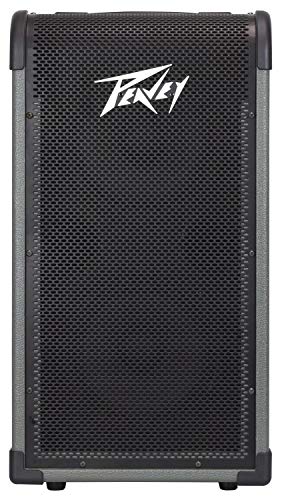
Peavey Max 208
Bassists who want a simple, powerful analog practice amp with useful tone shaping and silent practice tools.
Read the Peavey Max 208 review →Questions Buyers Ask
Peavey Vypyr X2
See the current listing, price and included accessories.
About This Review
Mandrillis Team
The Mandrillis editorial team researches and compares audio and music gear using manufacturer documentation, verified specs and real buyer feedback, so you can make a confident purchase without wading through marketing claims.
Read our full research methodology.