Guitar & Bass Review
Peavey Backstage Review: Compact 10W Solid State Practice Amp
The Peavey Backstage is a budget 10 watt RMS combo with a 6 inch custom speaker and a TransTube preamp offering two switchable channels. A headphone jack supports quiet practice. The listing omits Bluetooth, effects beyond overdrive, weight, and dimensions, so it suits players wanting simplicity.
Our Verdict
Research Score 68/100The Peavey Backstage is a no frills analog practice amp with a 10 watt RMS power section and a 6 inch custom speaker. The TransTube preamp provides two switchable channels and an overdrive control, which is the main sonic appeal. The headphone jack supports silent practice. Missing published details for weight, dimensions, and accessories leave some practical questions unanswered. The lack of built in effects beyond overdrive, no Bluetooth or app support, and no line out makes it less versatile than modern modeling amps in the same budget tier. On paper, it is best for players who prioritize simplicity and a traditional amp feel. Given the unknown build details and limited connectivity, a score of 68 reflects honest value for the published feature set.
Editorial research score based on published specifications and documented features, not a customer rating or lab test.

Peavey
Peavey Backstage
Best for: Beginner and home players who want a simple analog practice amp with a headphone jack and two basic channels.
Skip it if: Skip it if you need built in effects, Bluetooth app support, or enough volume for band rehearsal.
Check Price on AmazonWe may earn a commission at no extra cost to you.
Listing verified: October 2026
Who Should Buy It
Buy it if
- Beginners wanting a straightforward practice amp
- Apartment dwellers who need headphone practice
- Players who prefer analog TransTube tones over digital modeling
- Those on a budget who trust the Peavey name
Skip it if
- You want built in reverb, delay, or modulation
- You need Bluetooth and app control
- You plan to gig or jam with a drummer
Key Specifications
| Power output | 10 watts RMS |
| Speaker | 6 inch custom designed speaker |
| Amp models or channels | TransTube preamp with 2 switchable channels |
| Effects | Overdrive via TransTube preamp; no other effects listed |
| Inputs and outputs | Headphone jack; instrument input and other connections not published in listing |
| Headphone and line out | Headphone jack; line out not published in listing |
| Bluetooth and app | Not published in listing |
| Weight | Not published in listing |
| Dimensions | Not published in listing |
| Included accessories | Not published in listing |
Overview
The Peavey Backstage is a compact guitar combo amplifier positioned in the budget tier. The product listing describes a 10 watt RMS solid state design built around a 6 inch custom designed speaker. Peavey's TransTube preamp provides two switchable channels, which is the main tone shaping feature. For players who want a simple practice amp without deep menus, this model keeps the control set minimal.
The listing does not publish weight, dimensions, included accessories, or Bluetooth and app support. That missing information matters if you plan to carry the amp often or expect connected features. The available specifications focus on core amp functions: volume, overdrive, a two band EQ, and a headphone jack. Buyers should treat this as a straightforward analog practice amplifier rather than a modeling platform.
The Backstage name has long been associated with entry level Peavey practice combos, so this current version continues that role. On paper, it competes with small solid state practice amps from other established brands. The low wattage and small speaker suggest bedroom use, not band rehearsal. This review evaluates only the published specification, not in-person testing.
Amp Models and Tone
The amp does not offer digital amp models in the way a modeling amplifier does. Instead the listing emphasizes the TransTube preamp, which is Peavey's analog approach to producing tube like overdrive and clean tones. The two switchable channels let players set one clean sound and one overdriven sound. That is a practical arrangement for practice, though the listing does not describe specific voicings like Fender, Marshall, or Vox.
The two band EQ consists of low and high controls, which is a basic but useful tone shaping setup. The overdrive control works with the TransTube preamp to push the second channel into crunch or lead territory. Because the listing does not publish a presence control, reverb, or any cabinet simulation, the tone palette is likely straightforward. Players who want deep sculpting or built in ambience would need external pedals or a different amp.
On paper, the TransTube design should deliver a warmer overdrive than a generic clipping diode circuit, but without test data that remains a specification based expectation. The small speaker will influence the final tone, especially in the low end. Clean tones may stay bright and focused at low volume. Overall, the published feature set points to a no frills practice tone rather than a stage ready voice.
Effects and Features
The listing does not publish built in effects such as reverb, delay, chorus, or modulation. The only effect like control mentioned is overdrive, which comes from the TransTube preamp and the second channel. That means the Peavey Backstage is not a multi effects practice amp. If you rely on onboard ambience, this model may feel limited.
The feature set is intentionally simple: volume, overdrive, low EQ, high EQ, channel switching, and a headphone jack. There is no mention of a tuner, aux input, or USB audio. The lack of a published aux input is notable for players who want to jam along with tracks from a phone. The headphone jack is the main silent practice feature, but the listing does not say whether it mutes the speaker.
Power, Speaker and Volume
The power output is listed as 10 watts RMS. In a home environment, that is usually enough for practice without disturbing others, especially through the headphone jack. The 6 inch custom designed speaker limits the amount of low end and overall projection. This is not a specification that suggests band rehearsal or gigging, even for small cafes.
The listing does not publish a maximum SPL or decibel rating. On paper, 10 watts RMS through a single 6 inch speaker will produce moderate volume but may struggle to stay clean at higher output. The TransTube preamp can drive the power section into overdrive, which adds perceived loudness and compression. For bedroom practice, players are unlikely to need more power, but for jamming with a drummer the amp would likely fall short.
- 10 watts RMS power rating
- 6 inch custom designed speaker
- TransTube preamp with two switchable channels
- Headphone jack for silent practice
- No published weight or dimensions
Build and Portability
The listing does not publish weight or dimensions, so portability cannot be precisely assessed from the published specification. The Backstage is described as a combo amp with a 6 inch speaker, which usually means a compact enclosure. However, without measurements, buyers cannot confirm whether it fits a particular shelf or gig bag.
The brand reputation for Peavey practice amps suggests a durable enclosure, but the listing does not mention specific materials or construction details. The control layout appears simple, with knobs on the front panel for volume, overdrive, low, and high. There is no published mention of corner protectors, metal grille, or other ruggedness features. Buyers who prioritize known durability metrics will have to rely on general brand experience rather than listed build facts.
Connectivity and Apps
The only published connection is a headphone jack. The listing does not mention Bluetooth, USB, an aux input, a line out, or an effects loop. That makes the Backstage a standalone practice amp with minimal integration into a modern digital setup. Players who want to connect a phone wirelessly or record direct will not find those options published.
There is no app support listed. That is expected for an analog budget combo, but worth noting because many similarly priced practice amps now include Bluetooth and app based tone control. The headphone jack suggests silent practice, but the listing does not state whether it is size 1/4 inch or 1/8 inch. The absence of a line out means recording would require miking the speaker, which is not ideal for a practice amp.
Setup and Daily Use
Setup should be straightforward based on the published controls. A player plugs in, selects a channel, adjusts volume and the two band EQ, and sets overdrive to taste. There are no menus, presets, or digital parameters to navigate. That simplicity may appeal to beginners who want to focus on playing rather than editing patches.
The headphone jack allows late night practice, but the listing does not specify whether the speaker disconnects automatically. Daily use likely involves turning two or three knobs depending on the channel. The overdrive control is separate from volume, which makes it easy to balance clean and distorted levels. Without an aux input, playing along with tracks may require using a separate speaker for the backing track.
Home Practice Versus Stage
The Peavey Backstage is clearly aimed at home practice. The 10 watt RMS rating and 6 inch speaker are typical for bedroom and apartment use. The headphone jack reinforces that role. Players should not expect this amplifier to keep up with a live drummer or to project a full band mix.
The listing does not publish any line out or extension speaker output, so using this amp on stage would require miking the small speaker. That can work in some low volume settings, but the amp's published specification is not designed for stage monitoring. For busking or very small acoustic gigs, it might provide light reinforcement, but the tone will be limited by the speaker size.
Who Should Buy It
This amp suits beginners who need an affordable, simple practice amplifier with a real guitar speaker. It also fits players who want a basic clean and overdrive sound without menu diving. The headphone jack makes it appropriate for shared living spaces. Those who already have a multi effects unit may use this as a compact powered speaker, though the 6 inch speaker is not full range.
The Peavey brand name may give budget buyers more confidence than a no name amp. If you want a straightforward amp for practicing scales and songs quietly, the Backstage fits. However, if you need built in effects, Bluetooth, or a line out, the listing shows none of those features.
Verdict
The Peavey Backstage is a no frills analog practice amp with a 10 watt RMS power section and a 6 inch custom speaker. The TransTube preamp provides two switchable channels and an overdrive control, which is the main sonic appeal. The headphone jack supports silent practice. Missing published details for weight, dimensions, and accessories leave some practical questions unanswered.
The lack of built in effects beyond overdrive, no Bluetooth or app support, and no line out makes it less versatile than modern modeling amps in the same budget tier. On paper, it is best for players who prioritize simplicity and a traditional amp feel. Given the unknown build details and limited connectivity, a score of 68 reflects honest value for the published feature set.
Strengths and Limitations
Strengths
- Compact 10 watt RMS solid state practice combo
- TransTube preamp with two switchable channels
- Headphone jack for silent practice
- Simple volume, overdrive, and two band EQ controls
- Budget price tier with Peavey brand familiarity
- No complex menus or app required
Limitations
- No built in effects beyond overdrive listed
- No Bluetooth, aux input, line out, or USB audio published
- Small 6 inch speaker limits low end and projection
- Weight and dimensions not published in listing
- Included accessories not published
How We Scored It
Scores reflect published specifications, documented features and value against the alternatives below. They are editorial research scores, not laboratory measurements.
Alternatives to Consider

Orange Crush 12
A budget friendly analog practice amp for beginners and home players who want classic Orange voiced tone with simple controls and a direct recording output.
Read the Orange Crush 12 review →
Coolmusic TS112 Bass Amp
Beginner bass players who want a low-cost practice combo with a distortion mode and auxiliary playback.
Read the Coolmusic TS112 Bass Amp review →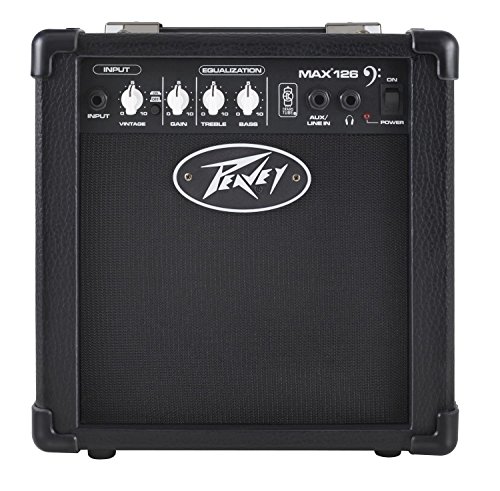
Peavey Max 126
The Peavey Max 126 is best for a beginner bassist who needs a simple, low cost practice amp with a headphone output for quiet playing.
Read the Peavey Max 126 review →Questions Buyers Ask
Peavey Backstage
See the current listing, price and included accessories.
About This Review
Mandrillis Team
The Mandrillis editorial team researches and compares audio and music gear using manufacturer documentation, verified specs and real buyer feedback, so you can make a confident purchase without wading through marketing claims.
Read our full research methodology.