Guitar & Bass Review
Peavey Max 126 Review: Simple Budget Bass Practice
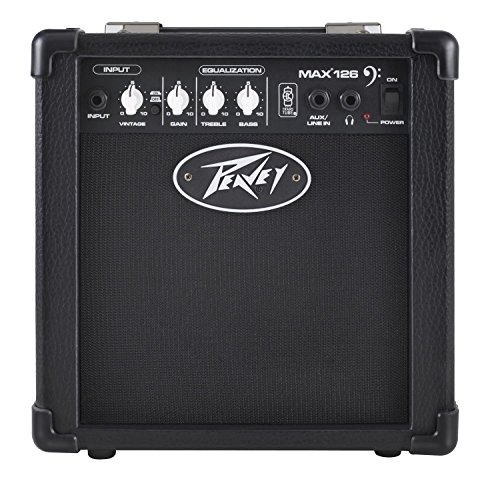
The Peavey Max 126 is a compact budget bass combo with 10 watts, a 6.5 inch speaker, and a TransTube Vintage gain control. The listing shows a simple Low and High EQ and a headphone jack, making it a quiet practice option for beginners.
Our Verdict
Research Score 63/100The Peavey Max 126 is a narrowly focused practice amp. The published specification of 10 watts RMS into 4 ohms and a 6.5 inch speaker means it will not satisfy players seeking deep bass or stage volume. The selectable Vintage gain control with TransTube circuitry is the main tonal feature, and the Low and High EQ provide basic shaping. A single 1/4 inch headphone jack is the only connectivity listed, so there is no aux input, Bluetooth, or line out. For a beginner or a quiet practice setting, this budget tier amp is easy to use and low risk. Buyers needing effects, more power, or modern digital features should look elsewhere. On paper, it works best as a headphone practice tool with a simple analog signal path.
Editorial research score based on published specifications and documented features, not a customer rating or lab test.
Peavey
Peavey Max 126
Best for: The Peavey Max 126 is best for a beginner bassist who needs a simple, low cost practice amp with a headphone output for quiet playing.
Skip it if: Avoid the Peavey Max 126 if you need a stage ready bass amp with deep lows, built in effects, or modern connectivity like Bluetooth and USB.
Check Price on AmazonWe may earn a commission at no extra cost to you.
Listing verified: October 2026
Who Should Buy It
Buy it if
- Beginner bassists wanting a straightforward first amp
- Apartment dwellers who practice with headphones
- Players who prefer analog controls over digital menus
- Anyone needing an inexpensive backup practice amp
Skip it if
- You need to compete with a drummer or full band
- You want built in effects or amp modeling
- You require an aux input, line out, or Bluetooth
Key Specifications
| Power output | 10 watts RMS into 4 ohms |
| Speaker | 6.5 inch speaker |
| Amp models or channels | Selectable Vintage gain control with TransTube circuitry; no channels listed |
| Effects | Not published in listing |
| Inputs and outputs | 1/4 inch headphone jack; no other inputs or outputs published |
| Headphone and line out | 1/4 inch headphone jack; no line out published |
| Bluetooth and app | Not published in listing |
| Weight | Not published in listing |
| Dimensions | Not published in listing |
| Included accessories | Not published in listing |
Overview
The Peavey Max 126 is a budget bass combo amplifier aimed at practice and low volume playing. The product listing shows a compact, straightforward design with 10 watts RMS into 4 ohms and a single 6.5 inch speaker. No complex modeling or effects are included, but Peavey's TransTube circuit is present through a selectable Vintage gain control. This positions it as a simple amp for beginners or bedroom practice.
The published specifications do not state weight, dimensions, or included accessories. Buyers will need to rely on the brand's general reputation and the sparse listed data. On paper, the amp focuses on core bass fundamentals rather than modern digital extras. The budget price tier makes it a low risk option for a first bass amp or a small secondary practice rig.
For players who value simplicity, the absence of menus and presets is a benefit. The listing does not mention any software or companion app, so the Max 126 functions as a traditional analog amp. This reduces setup time and makes the amp accessible to first time bassists.
Amp Models and Tone
The key tonal feature in the listing is the selectable Vintage gain control with Peavey's patented TransTube circuitry. This is intended to add tube like character to the bass signal without using actual tubes. The word Vintage suggests a softer or rounder voicing when engaged, but the listing does not provide a full set of voicings or a clean channel description. On paper, the amp offers a simple path from the instrument to the speaker with only Low and High EQ shaping.
For bass practice, the 6.5 inch speaker means the low end will be modest at best. The listing's 10 watt rating into 4 ohms suggests enough volume for bedroom practice but limited headroom for deep bass. The TransTube gain may add some grit, but buyers should not expect stage ready tone from a speaker of this size. The published specification does not include an overdrive effect or separate gain channel, so the Vintage control likely acts as a voicing or gain modifier.
Because no cabinet dimensions or porting are published, the actual low frequency response remains unknown. In a budget bass combo, the 6.5 inch driver generally produces a mid focused sound, and deep lows roll off early. The Low EQ can compensate somewhat, but the physical limits of the speaker remain.
Effects and Features
The listing does not mention any built in effects such as reverb, delay, chorus, or compression. The only user adjustable features beyond volume appear to be the Vintage gain control and Low and High EQ controls. This makes the Peavey Max 126 a minimalist practice amp rather than a multi effects unit. Users who want a full palette of bass effects will need external pedals or a separate multi effects device.
The selectable Vintage gain is the main feature. It uses TransTube circuitry, which Peavey has used in many guitar and bass amps to mimic the response of a tube preamp. The listing does not specify whether the control is a footswitchable channel or a continuous pot, so it should be considered a front panel voicing option. The absence of a tuner, compressor, or auxiliary input further limits the feature set.
For the budget tier, the simplicity is not necessarily a weakness. Fewer features mean fewer menus and easier operation. The listing's feature bullets are brief, and several common practice amp conveniences are not published, so buyers should read the manufacturer's manual for complete details if available.
Power, Speaker and Volume
The published power spec is 10 watts RMS into 4 ohms. This is a low power solid state output that suits home practice. The single 6.5 inch speaker is very small for a bass amp, which means it will not reproduce deep bass at meaningful volume. On paper, the amp is best used at moderate levels in a small room.
Volume ceiling is limited. The 10 watt rating and small driver indicate clean headroom is minimal, and bass notes may distort or compress at high settings. The listing does not state a decibel output or sensitivity, so exact loudness is unknown. Buyers typically use amps in this class for solo practice, not for rehearsals with a drummer.
The headphone jack is directly related to the amp's use case. It allows silent practice and bypasses the small speaker. The listing does not mention a speaker defeat or cabinet emulated output, so the headphone tone may be direct and uncolored.
- 10 watts RMS into 4 ohms
- Single 6.5 inch speaker
- Low and High EQ for basic tone shaping
- 1/4 inch headphone jack for silent practice
- No external speaker output published
Build and Portability
The listing does not provide weight or dimensions, so portability cannot be confirmed from the published data. The amp's small speaker and low power suggest it is likely lightweight and compact, but that is an inference rather than a listed specification. Peavey's budget combos are generally built with cost effective materials, and this model appears to follow that pattern.
The control panel is simple, with only a few knobs and a headphone jack. No Bluetooth, app, or USB ports are listed, which keeps the exterior uncluttered. The lack of published cabinet material or construction details means buyers should expect a straightforward enclosure rather than premium road ready hardware.
For home use, durability is often adequate. The amp is not specified for gigging or frequent transport. Since the listing omits a carrying handle description, portability features such as a top handle are not confirmed. The budget tier aligns with basic build quality.
Connectivity and Apps
The only connectivity feature published is a 1/4 inch headphone jack. This allows silent practice with a standard wired headphone. The listing does not mention an auxiliary input for playing along with music, a line out, a DI output, Bluetooth, or USB audio. These omissions are notable for a practice amp in the modern market.
No companion app or wireless control is published. The amp is entirely analog and manual in operation. This can be a benefit for players who want a plug and play experience without Bluetooth pairing or software updates. However, it also means no preset storage or remote editing.
The headphone jack is the main connectivity highlight. It is not specified whether this jack mutes the internal speaker, but that is a common behavior. Buyers who need to connect to a computer or PA system will find no published options here, making the Max 126 a self contained practice tool.
Setup and Daily Use
Setup is straightforward. The listing shows a basic bass combo with a power switch, volume, gain, Low and High EQ, and a headphone jack. There is no software to install and no deep menu structure. For a beginner, this reduces the barrier to getting a usable sound quickly.
Daily use for practice is the intended scenario. The amp can sit in a bedroom or living space, and the headphone jack enables quiet sessions. The small speaker means the amp will not overwhelm a small room at moderate settings, but the low wattage also means it may struggle to stay clean at higher volumes.
Without an auxiliary input, practicing along with tracks requires a separate playback device or an external mixer. The listing does not mention a footswitch input, so the Vintage gain setting must be changed by hand. These are minor limitations for the price tier.
Home Practice Versus Stage
The Peavey Max 126 is clearly a home practice amp, not a stage amp. The 10 watt output and 6.5 inch speaker cannot compete with a live drummer or a full band. On paper, it is best suited to low volume practice, warm up, or small acoustic settings where bass volume needs are minimal.
For stage use, a bass amp typically requires more power, larger speakers, and a DI output for the PA system. None of those are published for this model. The headphone jack is for personal monitoring, not for sending a signal to front of house. Buyers who plan to gig should look at larger combos or separate bass heads and cabinets.
The amp's TransTube Vintage gain might add character at low volumes, but it will not overcome the physical limits of the speaker and cabinet. The listing does not include an extension speaker output, so adding a larger cab is not an option. As a practice and headphone amp, the Max 126 fits its role.
Who Should Buy It
This amp suits a beginner bassist who needs a simple, inexpensive practice amp. It is also a reasonable choice for a guitarist or bassist who wants a compact headphone practice tool without digital extras. The straightforward control set makes it easy for younger players or those who dislike menu driven amps.
Buyers who already own pedals or a separate multi effects unit may appreciate the clean slate. The low power and small speaker are ideal for apartments or late night practice with headphones. The budget price tier reduces risk for someone testing whether bass is the right instrument for them.
The Peavey brand name and TransTube circuit give some reassurance of a usable core tone. The listing does not provide enough information for players seeking a versatile performance amp, but for the stated practice role, the published specs are adequate.
Verdict
The Peavey Max 126 is a focused practice tool with a simple control set and a headphone output. The published 10 watt power rating and 6.5 inch speaker set clear expectations for low volume use. The selectable Vintage gain and two band EQ are enough for basic tone shaping, but the amp lacks built in effects and modern connectivity.
For a budget tier bass combo, that is an acceptable trade off. The amp will not fill a stage or deliver deep low end, but it can serve a beginner or a quiet practice routine well. The missing weight and dimensions in the listing make portability an open question, though the small speaker implies a manageable size.
Overall, the Peavey Max 126 is a no frills home practice amp. Buyers who want Bluetooth, an app, or a line out should look elsewhere. Players who value simple analog controls and a headphone jack will find this model a low risk budget option.
Strengths and Limitations
Strengths
- Simple, easy to use control set
- TransTube Vintage gain adds character
- Headphone jack for silent practice
- Budget tier lowers risk for beginners
- Peavey brand known for affordable combos
Limitations
- No built in effects listed
- Small 6.5 inch speaker limits low end
- No aux input, line out, or Bluetooth published
- No weight or dimensions published
- Not enough power for band practice
How We Scored It
Scores reflect published specifications, documented features and value against the alternatives below. They are editorial research scores, not laboratory measurements.
Alternatives to Consider

Coolmusic TS112 Bass Amp
Beginner bass players who want a low-cost practice combo with a distortion mode and auxiliary playback.
Read the Coolmusic TS112 Bass Amp review →
Orange Crush 12
A budget friendly analog practice amp for beginners and home players who want classic Orange voiced tone with simple controls and a direct recording output.
Read the Orange Crush 12 review →
Peavey Backstage
Beginner and home players who want a simple analog practice amp with a headphone jack and two basic channels.
Read the Peavey Backstage review →Questions Buyers Ask
Peavey Max 126
See the current listing, price and included accessories.
About This Review
Mandrillis Team
The Mandrillis editorial team researches and compares audio and music gear using manufacturer documentation, verified specs and real buyer feedback, so you can make a confident purchase without wading through marketing claims.
Read our full research methodology.