Guitar & Bass Review
Takamine GD20-NS Review: Solid Cedar Top in Natural Satin
The Takamine GD20-NS pairs a solid cedar top with mahogany back and sides, an okoume neck, and a rosewood fingerboard in a natural satin finish. This lower mid-range acoustic suits fingerstyle and vocal work, though several core specs remain unpublished.
Our Verdict
Research Score 81/100The Takamine GD20-NS offers a meaningful step up for players seeking a warm voiced acoustic in the lower mid-range. The solid cedar top and mahogany back and sides suggest a round, midrange focused tone that should flatter fingerstyle and singing. The okoume neck and rosewood fingerboard point to a smooth playing surface. However, the listing omits the body shape, scale length, nut width, tuner type, and any included accessories. That makes an in person test or seller confirmation important for fit and hardware expectations. The lack of electronics keeps the design simple and the price accessible, but it limits live use. Overall the GD20-NS earns an 81 out of 100 based on published specifications and reasonable expectations for a solid top Takamine in this price tier.
Editorial research score based on published specifications and documented features, not a customer rating or lab test.

Takamine
Takamine GD20-NS
Best for: A player seeking a lower mid-range acoustic with a solid cedar top and warm tone for home practice or songwriting.
Skip it if: Avoid if you need onboard electronics, a clearly documented body size, or all-solid tonewood construction.
Check Price on AmazonWe may earn a commission at no extra cost to you.
Listing verified: October 2026
Who Should Buy It
Buy it if
- Fingerstyle players who want cedar warmth
- Singer-songwriters practicing at home
- Beginners upgrading from a starter laminate guitar
- Players who prefer a satin finish and simple acoustic design
Skip it if
- You need plug-in stage or recording electronics
- You require precise nut width or scale length before purchase
- You want an all-solid body with published tonewood details
Key Specifications
| Body shape | Not published in listing |
| Top | Solid cedar |
| Back and sides | Mahogany |
| Neck and fingerboard | Okoume neck, rosewood fingerboard |
| Scale length | Not published in listing |
| Nut width | Not published in listing |
| Electronics | Not published in listing |
| Tuners | Not published in listing |
| Finish | Natural satin |
| Included accessories | Not published in listing |
Overview
The Takamine GD20-NS is a six string acoustic guitar in a natural satin finish. The listing describes a solid cedar top, mahogany back and sides, an okoume neck, and a rosewood fingerboard. At a lower mid-range price tier, this model sits above entry level laminate guitars and below all solid premium instruments. The solid cedar top is the headline feature because cedar tends to produce a warmer and more immediate response than spruce.
The combination of cedar and mahogany suggests a tone that favors midrange presence and a rounded low end. Takamine has a long history of building acoustic guitars, and this model appears designed for players who want a simple, no frills instrument with a focus on wood selection. The natural satin finish reduces glare and likely feels less sticky than a gloss body during extended playing.
Several key specifications are not published in the listing. The body shape, scale length, nut width, tuner type, and included accessories remain open questions. Buyers should verify those details with the seller or look for additional information before making a purchase decision. The lack of electronics keeps the design straightforward, which may appeal to acoustic purists.
Body, Neck and Playability
The neck is built from okoume, a wood frequently chosen for its stability and moderate weight. Okoume necks can feel smooth and responsive under the hand, though the listing does not describe the neck profile or thickness. The rosewood fingerboard is a welcome step up from basic synthetic materials. Rosewood is dense and naturally oily, which often reduces finger friction and contributes to a comfortable playing surface.
Without a published nut width or scale length, players cannot confirm how the string spacing and fret reach will match their hands. A narrower nut can make chording easier for smaller hands, while a wider nut gives fingerstyle players more room. The body shape is also not specified, so the physical fit against the player's arm and chest is unknown. The satin finish may reduce stickiness compared to a gloss body, but the listing does not state whether the neck also carries a satin feel.
The hardware details do not appear in the listing. Tuner brand, gear ratio, and string gauge are all missing. These omissions are common in lower mid-range listings, but they make it harder to predict the out of box playability. Buyers who prefer a specific neck dimension or body size should request those details before ordering. Overall, the combination of okoume and rosewood points to a solid platform for daily practice.
Tone and Projection
The solid cedar top is the main driver of the expected tone. Cedar typically responds quickly to a light touch and produces a warm, rounded fundamental with less high frequency shimmer than spruce. This makes the GD20-NS look well suited to fingerstyle picking and soft to medium strumming on paper. The mahogany back and sides tend to emphasize midrange and keep the low end controlled.
The combination of cedar and mahogany often yields a focused, woody voice that flatters vocals. Compared to well known solid spruce models such as the Yamaha FG800 or Fender CD-60S, a cedar top typically sounds darker and less aggressive. The Takamine should appeal to players who want warmth over cutting volume. The listing does not publish bracing details, so the exact projection and resonance cannot be confirmed.
Without body dimensions, the unplugged volume remains an open question. A larger body generally produces more bass and headroom, while a smaller body may be more balanced but quieter. The lack of electronics means the guitar relies entirely on acoustic projection for practice and recording. For singer-songwriters who want a warm bed of sound under their voice, the cedar and mahogany combination is a promising starting point on paper.
Hardware and Electronics
The listing does not include any electronics, so this appears to be a purely acoustic guitar. There is no mention of a pickup, preamp, or onboard tuner. For home practice and acoustic recording with a microphone, that simplicity can keep the price down. Players who need to plug in for live performance or direct recording will have to add an aftermarket pickup or rely on a microphone.
The tuners are not described by brand or type. Buyers cannot determine the gear ratio or tuning stability from the published specification. This is a common omission in lower mid-range listings, but it leaves hardware quality unverified. The natural satin finish is the only finishing detail given, and no case, gig bag, strap, or other accessory is listed.
The lack of electronics also means there is no battery compartment, no control panel, and no added weight from a preamp. Some players prefer this minimalist approach because fewer components can fail. Others will see the absence of a pickup as a limitation for stage use. The updated hardware section still relies on the same published facts: no electronics, unknown tuners, and no included accessories.
- No onboard electronics or pickup published
- Tuner brand and type not listed
- Natural satin finish is the only finish detail
- No case, gig bag, or accessories included in the listing
- Okoume neck and rosewood fingerboard are the only hardware adjacent materials listed
- No string gauge or bridge saddle material provided
Build Quality and Finish
Takamine is a brand with a long history of building acoustic guitars, and the lower mid-range price tier suggests a step up in consistency from no name starter instruments. The solid cedar top is a meaningful upgrade over a laminate top, though the listing does not specify whether the mahogany back and sides are solid or laminate. Many guitars in this price range use laminate back and sides to control cost while maintaining a solid top for tone.
The natural satin finish should provide a low glare look and a matte texture that many players prefer. Satin finishes can show wear more quickly than gloss, but they often feel less sticky during long sessions. The listing does not state the finish thickness or durability details. Construction details such as bracing pattern, neck joint, and country of origin are not published.
The combination of okoume and rosewood suggests a durable, practical build for the price. Okoume is known for being lightweight and stable, which helps the neck resist warping with humidity changes. Rosewood fingerboards are standard on many mid-range guitars and usually hold frets securely. However, without more specific build information, the overall quality must be judged with some caution.
Setup Out of the Box
Published setup specifications are absent. The listing does not provide action measurements, string gauge, or neck relief figures. Lower mid-range acoustics often arrive with a conservative setup to account for climate changes, so a minor truss rod or saddle adjustment may be needed. Players who prefer a ready to play instrument from the first strum may want to budget for a professional setup.
Because the nut width and scale length are not given, a buyer cannot predict the out of box feel for their hand size. The rosewood fingerboard should feel smooth, but the string height at the nut and saddle remains unknown. A setup can lower the action, file the nut slots, and adjust the truss rod to improve playability. The unknown body shape also makes it hard to judge the sitting position and arm comfort.
The absence of included accessories means no tools or documentation beyond the guitar itself are mentioned. Some manufacturers include a truss rod wrench or a basic owner's manual, but the listing does not say. Players who are comfortable making small adjustments themselves will find this guitar easier to dial in. Those who prefer a turnkey experience should plan for a visit to a local technician.
Daily Use and Practice
For everyday practice, a simple acoustic without electronics has fewer distractions. The cedar top should reward a controlled attack with warm, even response. The satin finish likely reduces reflections and handling noise compared to a glossy body. The guitar should hold up to daily use if kept properly humidified, though the listing does not mention a case or gig bag for storage.
The unknown body shape makes it difficult to describe the playing position. If this model follows the general GD series cues, it may feel like a medium to large acoustic, but the listing does not confirm that. Players with smaller frames may want to test the physical size in person before buying. The lack of a cutaway is not explicitly stated, so upper fret access is also unclear.
The absence of a pickup means no battery, no cable management, and no amp noise. Recording at home with a microphone is a viable path, especially for fingerstyle parts. The okoume neck should remain stable in different humidity levels, but proper care is still important. The GD20-NS appears built for quiet, focused practice rather than loud stage work.
Versatility and Styles
The cedar and mahogany voice leans toward fingerstyle, folk, blues, and singer-songwriter material. A warm, midrange forward tone suits vocal accompaniment and softer picking. Aggressive flatpicking or heavy strumming may push the top into compression, but this is typical for cedar. The guitar should handle moderate strumming well, but it may not have the headroom of a larger spruce topped dreadnought.
Without electronics, the GD20-NS is less suited to live stage use or direct recording. Players who need to plug in will have to add an aftermarket pickup or use a microphone. The listing does not mention a cutaway, so upper fret access is also unspecified. Compared to a spruce top like the Epiphone DR-100 or a travel guitar like the Martin LX1 or Taylor GS Mini, the cedar top has a distinctly softer attack.
The Takamine fills a niche for players who want a warmer, rounder acoustic voice in the lower mid-range. It may not be the best choice for bluegrass flatpicking or hard strumming where a bright, cutting tone is desired. For singer-songwriters who accompany themselves softly, the GD20-NS should work well. The simple design also makes it easy to modify with a soundhole pickup later if needed.
Who Should Buy It
The Takamine GD20-NS is a reasonable choice for a player stepping up from a laminate starter guitar. The solid cedar top offers a clear tonal improvement on paper, and the okoume neck with rosewood fingerboard suggests a comfortable platform. Fingerstyle players and singer-songwriters who prioritize warmth over volume will likely appreciate the cedar and mahogany pairing.
Home recording enthusiasts who already own a microphone can capture the guitar without needing onboard electronics. Minimalist players who want a simple satin finish acoustic also fit the target audience. Buyers who trust the Takamine name and do not need a long list of published specifications may find this model appealing. The lower mid-range price makes it accessible without being a beginner only instrument.
Anyone who needs precise dimensions, tuner details, or included accessories should verify those facts before ordering. Players who require a cutaway for upper fret work or a pickup for live shows will need to look elsewhere or plan modifications. The GD20-NS is best for those who value a solid top and a warm acoustic voice over a list of features.
Verdict
The Takamine GD20-NS presents a focused value proposition: a solid cedar top, mahogany back and sides, an okoume neck, and a rosewood fingerboard in a natural satin finish. The listing leaves several practical questions unanswered, including body shape, scale length, nut width, electronics, and tuners. That lack of detail does not negate the likely tonal strengths of the wood combination.
The expected tone is warm and midrange forward, well suited to fingerstyle and vocal accompaniment. The lack of onboard electronics keeps the price accessible but limits stage and direct recording use. Build quality appears reasonable for the lower mid-range, though the listing does not specify all solid construction. A professional setup may be required to achieve the best playability.
For the right player, the GD20-NS offers a meaningful upgrade from laminate only models and a trusted brand name. Players who need documentation of every spec should look elsewhere. On paper, this guitar earns a score of 81 out of 100 based on the published specifications and the reasonable expectations for a solid top model in this price tier.
Strengths and Limitations
Strengths
- Solid cedar top offers a warm and responsive attack
- Mahogany back and sides add midrange focus
- Rosewood fingerboard on an okoume neck provides a smooth playing surface
- Natural satin finish reduces sticky gloss feel
- Trusted Takamine brand in the lower mid-range
- Simple acoustic design keeps the price accessible
Limitations
- No electronics listed for stage or direct recording use
- Body shape and dimensions not published
- Scale length, nut width, and tuner type not specified
- Back and sides not described as solid
- No included accessories listed
How We Scored It
Scores reflect published specifications, documented features and value against the alternatives below. They are editorial research scores, not laboratory measurements.
Alternatives to Consider

Epiphone J-45 Studio EC
Players who want a comfortable cutaway acoustic electric with onboard Fishman electronics at a lower mid-range price.
Read the Epiphone J-45 Studio EC review →
Epiphone J-45 Studio
Players wanting an affordable electro-acoustic with J-45 style and built-in Fishman electronics for practice, rehearsal, and small gigs.
Read the Epiphone J-45 Studio review →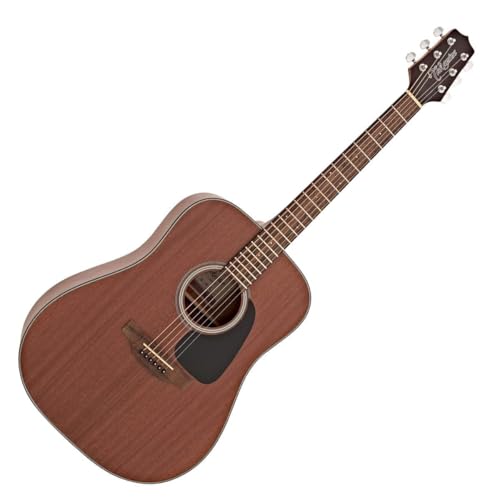
Takamine GD11M
A beginner or budget-minded player who wants a full-size all-mahogany dreadnought for warm strumming and singing without electronics.
Read the Takamine GD11M review →Questions Buyers Ask
Takamine GD20-NS
See the current listing, price and included accessories.
About This Review
Mandrillis Team
The Mandrillis editorial team researches and compares audio and music gear using manufacturer documentation, verified specs and real buyer feedback, so you can make a confident purchase without wading through marketing claims.
Read our full research methodology.