Headphones Review
Fosi Audio ZA3 Review: Balanced Desktop Power
The Fosi Audio ZA3 is a compact balanced stereo amplifier with a TPA3255 chip, switchable stereo and mono modes, and op-amp rolling. It targets desktop listeners with passive speakers and balanced sources. This review covers power, noise, connectivity, and whether the budget price translates to genuine hi-fi value.
Our Verdict
Research Score 80/100The Fosi Audio ZA3 is a strong budget amplifier for desktop hi-fi. Its balanced input, high power ratings, and op-amp rolling set it apart from many basic TPA3255 amps. The published noise and distortion numbers are respectable for the class. The 12V trigger and mono mode add flexibility for system building. The main trade-offs are the lack of Bluetooth, digital inputs, and a remote. It also requires an external power brick. The listing does not publish dimensions or weight, which makes placement planning harder. But for a purist analog amplifier at a budget tier, those omissions are understandable. Users who want a clean, powerful, and tweakable foundation for passive speakers will likely be satisfied. The ZA3 earns a solid score for sound quality and value. It is not a headphone product, but as a speaker amp it is a compelling option.
Editorial research score based on published specifications and documented features, not a customer rating or lab test.

Fosi Audio
Fosi Audio ZA3
Best for: Desktop listeners who want a compact high-power amplifier for passive bookshelf or tower speakers with balanced source gear.
Skip it if: You need wireless streaming, a built-in DAC, or a battery-powered portable amplifier.
Check Price on AmazonWe may earn a commission at no extra cost to you.
Listing verified: October 2026
Who Should Buy It
Buy it if
- Desktop stereo users with passive speakers
- Subwoofer or mono block experimenters
- Budget-minded hi-fi tinkerers who like op-amp rolling
- Owners of balanced audio interfaces or DACs
Skip it if
- Bluetooth streaming is required
- You want an all-in-one integrated amp with DAC and remote
- You need a battery-powered or portable amplifier
Key Specifications
| Type | Balanced stereo amplifier with mono mode |
| Driver | TPA3255 Class-D amplifier chip |
| Noise cancelling | Not applicable (amplifier) |
| Bluetooth and codecs | Not published in listing (no Bluetooth mentioned) |
| Battery life | Not applicable (uses included 48V power supply) |
| Wired option | XLR and 1/4-inch TRS balanced input, speaker outputs |
| Controls and app | Not published in listing beyond op-amp rolling sockets |
| Water resistance | Not applicable |
| Weight | Not published in listing |
| Included accessories | 48V power supply |
Overview
The Fosi Audio ZA3 is a compact balanced stereo amplifier built around a Texas Instruments TPA3255 Class-D chip. The listing positions it as a desktop component for passive bookshelf, tower, and floorstanding speakers, with a switchable stereo or mono mode. It ships with a 48V power supply, which the listing says allows the amplifier to reach its rated output. The design adds balanced XLR and quarter-inch TRS inputs alongside traditional speaker outputs.
According to the listing, the ZA3 can deliver up to 180 watts per channel in stereo mode and up to 235 watts in mono mode when two units are paired. The amplifier also includes a 12V trigger input for synchronized power with other devices. Fosi Audio lists premium internal parts, including Japanese NCC and ELNA capacitors, German WIMA capacitors, and Japanese Sumida inductors. The unit supports op-amp rolling with five swappable DIP8 sockets.
Because this is an amplifier rather than a pair of headphones or earbuds, the usual headphone comfort and battery criteria do not apply directly. This review evaluates the ZA3 on its merits as a desktop power amplifier. The published specifications point to a product aimed at budget-minded hi-fi listeners who want high power and balanced connectivity without a large integrated amp.
Sound Quality
On paper, the ZA3's sound depends on the TPA3255 Class-D amplifier chip, which is known for efficient high power. The listing cites a SINAD rating of up to 89 dB, an SNR of up to 106 dB, and a noise floor of 150 microvolts. These numbers suggest low noise and distortion relative to many budget Class-D amps. The use of high-quality capacitors and inductors from NCC, ELNA, WIMA, and Sumida should contribute to clean power delivery.
The balanced XLR and TRS inputs are a meaningful upgrade for sound quality. Balanced connections help reject common-mode noise and hum, which is useful in desktop setups with computers or audio interfaces nearby. The listing specifically says this design minimizes interference and reduces the noise floor. That should translate to a blacker background with sensitive speakers or nearfield listening.
Op-amp rolling is a key tuning feature. The ZA3 includes five sockets for left and right channel outputs, the balanced input, and the subwoofer output. Users can swap in compatible DIP8 dual op-amps such as the Sparkos SS3602, MUSES02, or OPA2134PA to alter the sound signature. This is a rare feature at this budget tier and gives listeners a way to fine-tune clarity, warmth, or detail without replacing the whole amp.
Comfort and Fit
For an amplifier, comfort translates to ease of placement and daily usability. The ZA3 uses a larger chassis than Fosi's earlier V3, according to the listing, with side-mounted vents and dust covers. The listing does not publish exact dimensions or weight, so desktop footprint cannot be confirmed. However, the design intent is clear: better ventilation for sustained high output without overheating.
The front and rear panel layout is not fully described in the listing beyond the presence of a balanced combo input, trigger in, speaker outputs, and power input. Buyers should expect a simple set of controls, but the listing does not detail volume knob feel, switches, or indicator lights. This lack of published ergonomic detail is a minor gap for a desktop product where knob position matters.
The amplifier is likely small enough for a desk shelf or speaker stand, given the mini amplifier category. The 48V external power supply adds a separate brick to manage, which could affect placement. Still, the passive cooling design and dust covers suggest it can sit in open air without a fan, which is a comfort advantage in quiet listening rooms.
Noise Control and Features
Noise control in an amplifier is about keeping the signal free from electrical interference. The ZA3 addresses this with balanced inputs on XLR and TRS jacks, which reject noise picked up along cables. The listing quotes a low noise floor of 150 microvolts. This is not active noise cancelling as found in headphones, but it serves a similar purpose for a speaker chain.
Feature set includes stereo and mono modes. In stereo mode the amp drives two channels for normal speaker setups. In mono mode a single ZA3 can be bridged for higher power, and two units can be paired as monoblocks. The 12V trigger input lets the amp turn on or off with a preamp or source device. Those are practical features for a desktop or small home theater system.
- Balanced combo XLR and TRS input
- Switchable stereo and mono modes
- 12V trigger input for synchronized power
- Five swappable DIP8 op-amp sockets
- Side-vent cooling with dust covers
Battery, Bluetooth and Connectivity
The ZA3 is not a battery-powered device. It uses an included 48V power supply, which the listing says is necessary to reach the rated output. There is no Bluetooth, Wi-Fi, or digital input listed. This is an analog amplifier only, so it needs a separate source such as a DAC, phono preamp, or audio interface.
Wired connectivity includes the balanced combo input, which accepts both XLR and quarter-inch TRS plugs. Speaker output terminals are implied by the amplifier's purpose but not detailed in the listing. The 12V trigger is a wired control connection. For listeners who want wireless streaming, the ZA3 requires an external Bluetooth receiver or streamer.
The lack of built-in Bluetooth is a deliberate trade-off for a purist amplifier. It keeps the signal path simple and noise low. The presence of a trigger input is a convenience often missing from budget amps. Users with a separate streamer or desktop DAC will likely appreciate the clean integration.
Build, Design and Portability
Fosi Audio describes the ZA3 as having a larger chassis than the V3, with side vents and dust covers. The internal components include Japanese NCC and ELNA capacitors, German WIMA capacitors, and Japanese Sumida inductors. These are recognized parts in audio circles, though the listing does not specify exact series or values.
The amplifier's build quality appears to prioritize heat management. The side vents and larger case should help dissipate heat from the TPA3255 chip during high-power operation. Dust covers help keep debris out of the vents. The listing does not mention a metal remote, display, or premium case finish, so the shell is likely a simple metal enclosure typical of budget desktop amps.
Portability is limited by the need for a 48V power brick and speaker wire. It is not a battery amp, so it cannot be used on the go. However, its compact size likely makes it easy to move between rooms or pack for a desktop setup. The listed weight is not published in the listing, so true portability is hard to judge.
Call Quality and Daily Use
Call quality is not a relevant metric for a power amplifier because it has no microphone or Bluetooth. This section instead covers daily use scenarios. The ZA3 is designed to sit between a source and passive speakers. The stereo mode works for a typical two-channel desk or living room setup.
In mono mode, a single ZA3 can drive a subwoofer or a high-power single speaker, according to the listing. Pairing two ZA3 units in mono creates a more powerful system for demanding speakers. The 12V trigger simplifies power sequencing with a preamp or AV receiver. These features make daily use more convenient than with a basic amplifier.
One limitation is the lack of a built-in volume remote or app control. The listing does not mention any remote or digital control, so users must adjust volume at the amplifier or use a source with volume control. That is common for this class, but it may be a friction point for couch listening.
Who Should Buy It
The ZA3 is best for desktop listeners who already own passive bookshelf or tower speakers and want more clean power than a small Class-D chip amp typically provides. It also suits users with balanced audio interfaces or DACs that have XLR or TRS outputs, as they can take advantage of the balanced input.
Tinkerers who enjoy op-amp rolling will find the ZA3 appealing because it has five sockets for experimentation. Mono block enthusiasts can buy two units and bridge them for higher output. Subwoofer users can dedicate one ZA3 in mono mode to a passive subwoofer or bass shaker.
Alternatives Worth Considering
Fosi Audio's earlier V3 is a natural alternative, with a similar TPA3255 platform but without the balanced input or mono bridge mode. The listing positions the ZA3 as an upgrade in cooling and connectivity. If those extras are not needed, the V3 may be a simpler choice.
Other budget Class-D amplifiers from brands like Aiyima or SMSL also use TPA3255 or similar chips. Those models may offer different input options, tone controls, or integrated Bluetooth. Buyers who want an all-in-one unit with a DAC and remote should consider integrated desktop amplifiers instead.
For headphone users, this amplifier is not a substitute for a dedicated headphone amp unless the speaker outputs are used with a passive headphone adapter, which is not recommended. The ZA3's value lies in speaker driving, not personal audio.
Verdict
The Fosi Audio ZA3 is a strong budget amplifier for desktop hi-fi. Its balanced input, high power ratings, and op-amp rolling set it apart from many basic TPA3255 amps. The published noise and distortion numbers are respectable for the class. The 12V trigger and mono mode add flexibility for system building.
The main trade-offs are the lack of Bluetooth, digital inputs, and a remote. It also requires an external power brick. The listing does not publish dimensions or weight, which makes placement planning harder. But for a purist analog amplifier at a budget tier, those omissions are understandable.
Users who want a clean, powerful, and tweakable foundation for passive speakers will likely be satisfied. The ZA3 earns a solid score for sound quality and value. It is not a headphone product, but as a speaker amp it is a compelling option.
Strengths and Limitations
Strengths
- Stout power output up to 180W stereo and 235W mono
- Balanced XLR and TRS inputs reduce noise
- 12V trigger input for synchronized power
- Premium capacitors and inductors from NCC, ELNA, WIMA, Sumida
- Op-amp rolling with five swappable DIP8 sockets
- Effective side-vent cooling design
Limitations
- No Bluetooth or digital inputs listed
- No remote or app control mentioned
- Speaker binding posts not detailed in listing
- Battery operation not possible
- Dimensions and weight not published
How We Scored It
Scores reflect published specifications, documented features and value against the alternatives below. They are editorial research scores, not laboratory measurements.
Alternatives to Consider

Beyerdynamic AVENTHO Y
Budget-conscious listeners who want long battery life, Bluetooth multipoint, and active noise cancelling in a foldable over-ear design.
Read the Beyerdynamic AVENTHO Y review →
Sony WH1000XM5
Listeners who want Sony flagship noise cancelling in a budget refurbished package and prioritize call quality and battery life over detailed specs.
Read the Sony WH1000XM5 review →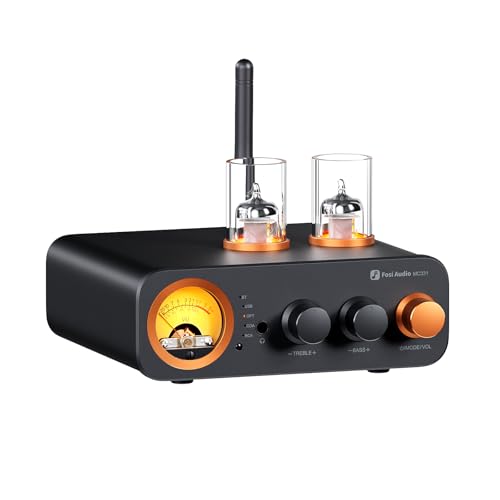
Fosi Audio MC331
Desktop users who want a budget all-in-one tube amplifier with multiple inputs for speakers and occasional headphone use.
Read the Fosi Audio MC331 review →Head-to-Head Comparisons
- Sony WH1000XM5 vs Fosi Audio ZA3 Compare →
Questions Buyers Ask
Fosi Audio ZA3
See the current listing, price and included accessories.
About This Review
Mandrillis Team
The Mandrillis editorial team researches and compares audio and music gear using manufacturer documentation, verified specs and real buyer feedback, so you can make a confident purchase without wading through marketing claims.
Read our full research methodology.