Headphones Review
iFi xDSD Gryphon Review: High-Res Portable DAC and Amplifier
The iFi xDSD Gryphon is a portable balanced DAC and headphone amplifier with Bluetooth 5.1, LDAC, aptX Adaptive, full MQA decoding, and native DSD512. The listing highlights a 1000 mW amplifier, iEmatch, XBass, and xSpace, but omits battery life and weight. This review covers what the published specifications imply.
Our Verdict
Research Score 68/100The iFi xDSD Gryphon is a feature rich portable DAC and headphone amplifier. The listing describes high resolution Bluetooth codecs, full MQA decoding, native DSD512, a 1000 mW balanced amplifier, and useful tools like iEmatch, XBass, and xSpace. The military grade aluminum build and SilentLine OLED display add to its appeal. The biggest weakness is the unpublished battery life. For a portable device, this is a serious omission. The listing also does not provide weight, dimensions, or water resistance, and it does not include a TOSLINK adapter. On paper, the Gryphon should satisfy high resolution audio listeners who need a powerful, flexible amplifier, but buyers should verify battery details before purchase.
Editorial research score based on published specifications and documented features, not a customer rating or lab test.

iFi
iFi xDSD Gryphon
Best for: Best for headphone and IEM enthusiasts who want a portable high resolution DAC and amplifier with balanced outputs and premium Bluetooth codecs.
Skip it if: Avoid if you need a standalone pair of headphones or a device with published battery life and water resistance.
Check Price on AmazonWe may earn a commission at no extra cost to you.
Listing verified: October 2026
Who Should Buy It
Buy it if
- Listeners with high impedance headphones or sensitive IEMs who need iEmatch and auto gain
- Users who want full MQA decoding and DSD512 playback on the go
- Those who need multiple wired and wireless inputs in one portable device
- Buyers who value a powerful 1000 mW balanced amplifier
Skip it if
- You need true wireless earbuds or headphones with active noise cancelling
- You require a built in microphone for phone calls
- You cannot accept an unpublished battery runtime for a portable device
Key Specifications
| Type | Portable balanced DAC and headphone amplifier |
| Driver | Not applicable (no headphone driver) |
| Noise cancelling | Not applicable (no active noise cancelling) |
| Bluetooth and codecs | Bluetooth 5.1 with Qualcomm QCC5100; supports aptX HD, aptX Adaptive, LDAC, and HWA/LHDC |
| Battery life | Not published in listing |
| Wired option | USB-C, S/PDIF optical and coaxial, 3.5 mm single ended, 4.4 mm balanced |
| Controls and app | XBass and xSpace settings, iEmatch, auto gain; no app mentioned in listing |
| Water resistance | Not published in listing |
| Weight | Not published in listing |
| Included accessories | Listing notes no TOSLINK Mini-Plug to TOSLINK Adapter; other accessories not published |
Overview
The iFi xDSD Gryphon is a portable balanced digital to analog converter and headphone amplifier. The listing positions it as an ultra resolution audio device that supports PCM up to 32 bit 768 kHz over USB and DSD512 natively. It also includes full MQA decoding through a 16 core XMOS processor. These specifications place it among higher end portable audio components, not a conventional pair of headphones or earbuds.
The product listing highlights a Bluetooth 5.1 module built around the Qualcomm QCC5100 chipset. Wireless playback supports aptX HD, aptX Adaptive, LDAC, and HWA LHDC codecs. The device has both balanced 4.4 mm Pentaconn and single ended 3.5 mm inputs and outputs. That means it can drive a wide range of headphones and in ear monitors, which is the core use case for this type of product.
Because this is a DAC and amplifier rather than a headphone, some typical headphone review categories do not apply directly. The following sections interpret comfort as handling and portability, and noise control as the absence of active noise cancelling plus the presence of signal shaping features like XBass and xSpace. The listing does not state a weight or battery life, which are important gaps for a portable device.
Sound Quality
On paper, the Gryphon's amplifier section is substantial. The listing describes a PureWave balanced circuit design with OptimaLoop multi path feedback and an ultra low noise 1000 mW high power amplifier. These technologies are intended to deliver smoother and cleaner playback with low distortion, especially when using balanced headphones. The 1000 mW figure is a published specification that suggests enough power to drive demanding over ear headphones.
The XBass and xSpace settings are analog signal processing features. XBass adds low frequency emphasis for headphones that need more body, while xSpace simulates a wider soundstage. These are described in the listing as user adjustable settings, but the listing does not specify whether they are controlled by physical switches or an app. The iEmatch feature automatically adjusts output to suit headphone or IEM sensitivity, which reduces background hiss with sensitive in ear monitors.
The DAC section supports ultra resolution PCM up to 32 bit 768 kHz via USB and 192 kHz via optical or coaxial S PDIF. Native DSD up to DSD512 and full MQA decoding are listed. These numbers are important for high resolution audio listeners. The listing does not include subjective sound quality measurements, so buyers will need to rely on the published architecture and the reputation of the brand.
Comfort and Fit
As a portable DAC and amplifier, comfort is about how easily the Gryphon fits into a pocket, bag, or hand. The listing describes a stylish and smart design with a military grade aluminum exterior. Without a published weight or dimensions, it is hard to judge true portability. The SilentLine OLED display adds a useful visual element for navigating inputs and settings.
The device has multiple inputs and outputs, which means several cables may be needed for full functionality. The listing does not mention a carrying case or cable strain relief, so daily carry comfort is uncertain. However, the single piece aluminum shell suggests a sturdy but potentially slick surface. Buyers who plan to stack it with a phone may need to account for the footprint.
There is no wear fatigue because the product is not worn on the head or inserted into ears. Instead, the fit concern is whether the 4.4 mm and 3.5 mm jacks are positioned for convenient use. The listing does not describe the button layout, so users will need to consult the manual for control placement.
Noise Control and Features
The Gryphon does not include active noise cancelling because it is not a headphone or earbud. Its noise control function comes from the iEmatch technology, which reduces hiss and improves signal to noise ratio with sensitive IEMs. The listing states that auto gain technology automatically adjusts output to suit headphone or IEM sensitivity, which is a meaningful feature for quiet listening.
Feature highlights include full MQA decoding, native DSD up to DSD512, and high resolution Bluetooth codecs. The Qualcomm QCC5100 chipset enables aptX HD, aptX Adaptive, LDAC, and HWA LHDC. The listing also mentions XBass and xSpace settings for sound customization. There is no mention of a companion app, so these features may be adjusted through onboard controls only.
- Supports aptX HD, aptX Adaptive, LDAC, and HWA LHDC over Bluetooth 5.1
- Balanced 4.4 mm and single ended 3.5 mm analog inputs and outputs
- iEmatch and auto gain for sensitive IEMs
- XBass and xSpace sound shaping
- PureWave balanced circuit with 1000 mW amplifier
- SilentLine OLED display
Battery, Bluetooth and Connectivity
The listing advertises Bluetooth 5.1 with the QCC5100 chipset, but it does not publish battery life. For a portable device, this is a critical missing specification. Buyers cannot estimate how long the Gryphon will run on a charge. The listing also does not state charging time or whether USB C is used for both data and power.
Wired connectivity is extensive. USB C input supports PCM up to 32 bit 768 kHz. S PDIF optical and coaxial inputs support up to 192 kHz. There are also 3.5 mm single ended and 4.4 mm balanced analog inputs and outputs. This makes the Gryphon flexible for use with computers, digital audio players, and phones that support USB audio.
The listing does not mention multipoint Bluetooth or simultaneous wired and wireless playback. The absence of a battery specification is the biggest drawback in this category. While the Bluetooth codec support is strong on paper, real world wireless performance depends on battery endurance and antenna design, neither of which is described.
Build, Design and Portability
The exterior is made of military grade aluminum, according to the listing. This material choice suggests durability and a premium feel. The design is described as stylish and smart, with a state of the art SilentLine OLED display. The display is a useful addition for monitoring input, sample rate, and settings on a portable unit.
Portability is hard to assess without a published weight or dimensions. The listing does not mention a belt clip or lanyard, so the Gryphon is likely meant to be carried in a bag or pocket. The aluminum shell may add weight compared with plastic portable DACs, but the trade off is better build quality.
The absence of an included TOSLINK adapter is explicitly noted in the listing. Users who want to use the optical S PDIF input will need to buy that adapter separately. No other included accessories are listed, which is a minor gap for a product in this price tier.
Call Quality and Daily Use
The listing does not describe any microphone or call handling features. This is expected for a dedicated DAC and headphone amplifier, but buyers who want to take phone calls through a wired headset will need to use the phone's own microphone or a separate cable with inline mic. The Gryphon does not appear to support hands free calling.
Daily use is centered on driving headphones and IEMs with high quality audio. The iEmatch and auto gain features are practical for switching between different types of headphones without manual volume adjustments. The XBass and xSpace can add fun to casual listening, but purists may prefer to disable them for a flat response.
The multiple inputs mean the Gryphon can serve as a desktop companion or a portable hub. The lack of a published battery life makes it hard to plan a full day of use away from a charger. Users who mostly listen at a desk with USB power will be less affected by this unknown.
Who Should Buy It
The iFi xDSD Gryphon is best for headphone enthusiasts who want a single portable component to handle high resolution wired audio and premium Bluetooth codecs. Buyers with a collection of headphones and IEMs will appreciate the balanced and single ended outputs plus iEmatch. Those who value MQA and DSD playback will find the DAC section compelling on paper.
This device is also suited to listeners who want to upgrade from a basic phone dongle to a dedicated amplifier with more power and lower noise. The 1000 mW amplifier rating is high enough for many full size headphones. Users who frequently switch between a laptop, phone, and digital audio player will benefit from the multiple input options.
However, the Gryphon is not a standalone music player. It requires a source device over USB, Bluetooth, or S PDIF. People who want a single all in one wireless headphone should look elsewhere. The listing's lack of battery life and weight details makes it less appealing for travelers who need predictable endurance.
Alternatives Worth Considering
If you prefer a true wireless headphone with active noise cancelling, the Sony WH-1000XM5 and Bose QuietComfort 45 are mainstream alternatives. They do not offer the same wired high resolution DAC or balanced output, but they are self contained and easier to carry. For earbuds, the Apple AirPods Pro and Anker Soundcore Space One provide convenience, though they lack the Gryphon's amplifier power and MQA decoding.
Within the portable DAC and amplifier category, there are competing products with similar features, but the listing does not name them. Buyers who need a published battery life should prioritize models that list runtime in hours. The Gryphon's omission of battery details is a significant disadvantage compared with many portable audio products.
For desktop use, a fixed DAC and amplifier stack may offer more power and connectivity at a similar price. The Gryphon's appeal is its portability and balanced design, but without weight and size info, it is hard to compare directly with rivals. Users who only listen at a desk may not need its portable form factor.
Verdict
The iFi xDSD Gryphon is a feature rich portable DAC and headphone amplifier. The listing describes high resolution Bluetooth codecs, full MQA decoding, native DSD512, a 1000 mW balanced amplifier, and useful tools like iEmatch, XBass, and xSpace. The military grade aluminum build and SilentLine OLED display add to its appeal.
The biggest weakness is the unpublished battery life. For a portable device, this is a serious omission. The listing also does not provide weight, dimensions, or water resistance, and it does not include a TOSLINK adapter. These gaps make it difficult to recommend without reservation.
On paper, the Gryphon should satisfy high resolution audio listeners who need a powerful, flexible amplifier for multiple headphone types. Its balanced output and low noise features are particularly strong. Buyers who can accept the unknown battery runtime and do not need a microphone will find a capable audio component, but they should seek out additional information before purchasing.
Strengths and Limitations
Strengths
- Supports high resolution Bluetooth codecs including LDAC and aptX Adaptive
- Balanced 4.4 mm and single ended 3.5 mm inputs and outputs
- iEmatch reduces hiss with sensitive IEMs
- XBass and xSpace sound shaping
- 1000 mW amplifier power and PureWave balanced circuit
- MQA full decoding and native DSD up to DSD512
Limitations
- Battery life is not published in the listing
- Weight and dimensions are not published
- No water resistance rating
- No microphone or call handling features
- TOSLINK adapter not included
How We Scored It
Scores reflect published specifications, documented features and value against the alternatives below. They are editorial research scores, not laboratory measurements.
Alternatives to Consider

Bowers & Wilkins Px7 S3
Listeners who want premium wireless sound with adaptive noise cancellation, long battery life, and a customizable EQ at a lower mid-range price.
Read the Bowers & Wilkins Px7 S3 review →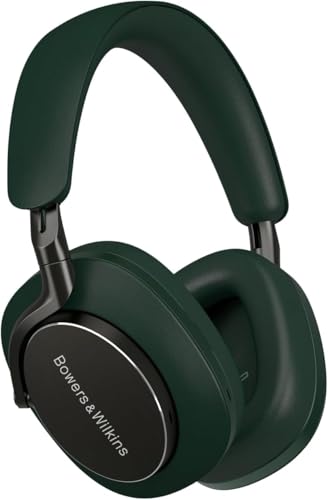
Bowers & Wilkins Px8
Listeners who want flagship-level sound, luxury materials, and strong ANC in a lower mid-range priced package.
Read the Bowers & Wilkins Px8 review →
iFi GR 2 DAC
Listeners who want a powerful portable DAC and amplifier with wireless flexibility and extensive sound shaping.
Read the iFi GR 2 DAC review →Head-to-Head Comparisons
- Bowers & Wilkins Px7 S3 vs iFi xDSD Gryphon Compare →
Questions Buyers Ask
iFi xDSD Gryphon
See the current listing, price and included accessories.
About This Review
Mandrillis Team
The Mandrillis editorial team researches and compares audio and music gear using manufacturer documentation, verified specs and real buyer feedback, so you can make a confident purchase without wading through marketing claims.
Read our full research methodology.