Headphones Review
Ogogrs Upgrade Bone Conduction Headphones Review: Open-Ear Sports Value
The Ogogrs Upgrade Bone Conduction Headphones offer an open-ear listening experience for active users on a budget. With a lightweight titanium frame, IP55 water resistance, and up to 10 hours of battery, they target runners and cyclists. However, the listing omits key specs like driver size, weight, and codec support, so sound quality remains uncertain on paper.
Our Verdict
Research Score 62/100The Ogogrs Upgrade Bone Conduction Headphones deliver exactly what budget bone conduction buyers expect: an open-ear design that keeps you aware, a flexible titanium frame, and enough battery for a full day of workouts. The IP55 rating adds real value for sweaty sessions. On paper, Bluetooth 5.3 and Type-C fast charging are practical conveniences. Yet the listing leaves out important details such as driver size, weight, and codec support, which makes it hard to judge actual sound quality or fit precision. Buyers who prioritize situational awareness and comfort over critical listening will find this a sensible low cost option. Those wanting deep bass, noise cancelling, or app based customization should look elsewhere.
Editorial research score based on published specifications and documented features, not a customer rating or lab test.

Ogogrs
Ogogrs Upgrade Bone Conduction Headphones
Best for: Budget-minded athletes and outdoor exercisers who want open-ear awareness without blocking their ear canals.
Skip it if: You want deep bass, active noise cancelling, or a fully immersive in-ear listening experience.
Check Price on AmazonWe may earn a commission at no extra cost to you.
Listing verified: October 2026
Who Should Buy It
Buy it if
- Runners and cyclists who need to hear traffic and surroundings
- Gym goers who dislike the pressure of in-ear buds
- Anyone on a budget wanting a simple bone conduction headset
- Users who prioritize comfort and stability during workouts
Skip it if
- You expect audiophile-grade sound quality with rich bass
- You need active noise cancelling for travel or office use
- You require a companion app for EQ or control customization
Key Specifications
| Type | Bone conduction open-ear sports headphones |
| Driver | Not published in listing |
| Noise cancelling | Not published in listing |
| Bluetooth and codecs | Bluetooth 5.3, codecs not published |
| Battery life | Up to 10 hours per listing |
| Wired option | Not published in listing |
| Controls and app | Not published in listing |
| Water resistance | IP55 |
| Weight | Not published in listing |
| Included accessories | Not published in listing |
Overview
The Ogogrs Upgrade Bone Conduction Headphones are a budget tier open-ear sports headset. They use bone conduction technology, which sends audio through the cheekbones instead of covering or inserting into the ears. This design keeps the ear canals open, allowing you to hear traffic, gym announcements, or conversation while listening to music or podcasts. The listing positions them as a gift option for active users.
Key published specifications include Bluetooth 5.3, an IP55 water resistance rating, up to 10 hours of battery life, and Type-C fast charging. The frame is described as lightweight titanium, flexible and durable. A built-in microphone is mentioned for remote video conferences. No driver size, weight, or included accessories are listed.
Because the product listing does not state many technical details, this review relies on the published facts and general knowledge of bone conduction design. The Ogogrs brand is not widely known, so this represents a no-name budget offering. The price tier is budget, which sets expectations accordingly.
Sound Quality
Bone conduction audio works differently from conventional headphones. It bypasses the eardrum and sends vibrations through the skull to the inner ear. The result is typically clear midrange and vocal reproduction, but weaker bass response because the low frequencies do not travel as efficiently through bone as they do through air. The open-ear design also lets all ambient sound in, which further reduces perceived bass and low-end impact.
The listing claims excellent sound quality, clear sound, and strong volume, but it does not publish the driver size or any frequency response data. Without that information, it is impossible to verify those claims on paper. Buyers report that bone conduction models in this class generally perform well for spoken word, podcasts, and casual music, but they are not suited for bass-heavy genres or critical listening.
For runners and cyclists who need to hear their environment, the trade-off is usually acceptable. The sound is there to motivate, not to immerse. If you want a rich, private listening experience, this is not the right tool. The open design is a feature, not a flaw, for the intended use case.
Comfort and Fit
Comfort is a strong point for open-ear bone conduction headphones because nothing is inserted into the ear canal. The listing describes a lightweight titanium frame that can be worn for a long time without getting tired. Titanium is known for being both light and flexible, so the headset should maintain a gentle clamping force without causing pressure points.
The frame is said to remain stable during high-intensity training and can be bent freely. This flexibility helps the headphones conform to different head shapes and survive being tossed in a gym bag. However, the actual weight is not published, and fit can vary from person to person. Some users may find the band too loose or too tight depending on head size.
For sports use, stability is critical. The over-ear hooks and neckband design typically keep bone conduction headphones in place during running, cycling, and workouts. Without trying them on, it is reasonable to expect adequate comfort for most users, but those with smaller heads should check return policies if possible.
Noise Control and Features
The Ogogrs Upgrade Bone Conduction Headphones do not have active noise cancelling. That is not a flaw but a design choice. Because the ears are open, you cannot block out external sound, and active noise cancelling would be pointless. The primary 'noise control' feature is the opposite: it lets you hear everything around you for safety.
The IP55 rating means the headphones are protected against dust and low-pressure water jets from any direction. In practical terms, they can handle sweat, light rain, and a quick rinse, but they are not fully waterproof for swimming. The listing says they can be used for running, hiking, cycling, and even extreme sports, which suggests durability for active use.
The built-in microphone is intended for calls and remote video conferences. The listing does not mention any physical controls, companion app, or customizable EQ. Most bone conduction headsets have simple button controls on the frame for power, volume, and playback, but without a published description, buyers should assume basic functionality only.
Key features from the listing include:
Open-ear bone conduction for environmental awareness
IP55 water and dust resistance
Built-in microphone for calls
Bluetooth 5.3 wireless connectivity
Type-C fast charging
Lightweight titanium frame
Battery, Bluetooth and Connectivity
The listing promises up to 10 hours of music or calls on a single charge. That is a solid figure for budget sports headphones and should cover several days of workouts or a long day of use. Fast charging via Type-C is convenient, but the listing does not state how many minutes of charging gives how many hours of playback.
Bluetooth 5.3 is the current generation of the standard, offering stable connections, low energy consumption, and improved coexistence with other wireless devices. The listing does not publish which audio codecs are supported, so the only safe assumption is the mandatory SBC codec. That means no aptX, LDAC, or AAC high quality streaming unless stated elsewhere.
For most users, the lack of advanced codecs matters little for sports use. The connection stability is more important than absolute audio fidelity. Pairing should be straightforward, and the open-ear design means you will not notice minor compression artifacts as much as you would with isolating earbuds.
Build, Design and Portability
The frame is explicitly described as lightweight titanium, which is a good sign for durability and comfort. Titanium resists corrosion and can flex without permanent deformation. The listing says the frame is firm, has good toughness, and can be bent freely. That suggests it can survive being stuffed into a backpack or dropped.
The IP55 rating adds to the build quality, protecting the internal electronics from sweat and dust. The open-ear design has no ear tips or foam pads to wear out, which simplifies long-term maintenance. However, the listing does not mention any included carrying case, pouch, or extra accessories.
Portability of bone conduction headphones is generally good because the neckband style can be folded or flattened to some degree, but without a specified weight or folded dimensions, it is hard to judge. Most users will find it easy to hang around the neck when not in use. The headset is not collapsible in the way many travel headphones are, but it is slim enough for a gym bag.
Call Quality and Daily Use
The built-in microphone is positioned near the cheek or jaw, which is typical for bone conduction headsets. The listing states the headphones are suitable for remote video conferences. Open-ear design allows you to hear your own voice naturally, which prevents the 'talking in a barrel' feeling common with sealed earbuds.
Call quality in outdoor environments depends on how well the microphone rejects wind and background noise. The listing does not mention any noise reduction for calls, so users should expect average performance in quiet settings and possible wind interference while running or cycling. For indoor video calls, this headset is likely adequate.
For daily use beyond sports, such as listening to podcasts while walking the dog, cooking, or working in a shared space, the open-ear design is a real advantage. You stay aware of doorbells, timers, and colleagues. The 10-hour battery is enough for a full work day of occasional listening and calls. Just do not expect private listening.
Who Should Buy It
This product is clearly aimed at active people who want to stay aware of their surroundings. Runners, cyclists, hikers, and gym goers will appreciate hearing traffic, gym equipment, or a training partner while music plays. The IP55 rating makes it suitable for sweaty sessions and light rain.
Budget buyers who want to try bone conduction technology without spending on a premium brand should consider this model. It offers the core benefits of open-ear listening, Bluetooth 5.3, and decent battery life at a low cost. The trade-off is the lack of published technical details and no advanced features.
Those who find in-ear buds uncomfortable or experience ear canal fatigue will find the open-ear fit refreshing. There are no ear tips to cause pressure or irritation. The lightweight titanium frame is designed for long wear, making it a good choice for all-day use in active or casual settings.
Alternatives Worth Considering
If you need active noise cancelling and deep bass, consider well-known over-ear models like the Sony WH-1000XM5 or Bose QuietComfort 45. Those are premium ANC headphones that block outside sound, the opposite of this open-ear design. They cost more and are not suited for high intensity workouts.
For in-ear alternatives with a secure fit, the Apple AirPods Pro or Anker Soundcore Space One offer different compromises. AirPods Pro are true wireless earbuds with transparency mode, but they still seal the ear. The Soundcore Space One is a budget over-ear ANC headphone that covers the ears. Neither provides the situational awareness of bone conduction.
If you are open to wired audiophile options, the Sennheiser HD 560S or Audio-Technica ATH-M50x deliver much better sound quality for home use, but they are not wireless and not water resistant. For pure sports use with open ears, the Ogogrs is a niche budget pick. Always check return policies when buying from unknown brands.
Verdict
The Ogogrs Upgrade Bone Conduction Headphones score 62 out of 100 in our assessment. That places them in the lower range for budget no-name products, which is fair given the missing specifications and typical limitations of bone conduction audio. The open-ear design, IP55 rating, and 10-hour battery are the main strengths.
Sound quality is the weakest area on paper because no driver or codec details are provided, and bone conduction inherently lacks bass. Comfort is likely good thanks to the titanium frame, but actual fit cannot be verified without in-person testing. Features are basic, with no ANC, no app, and no published controls.
For the right buyer, a runner on a tight budget who values environmental awareness, this headset is a sensible choice. It should handle sweat, stay stable, and provide enough battery for long workouts. If you can stretch your budget, more established sports bone conduction brands offer similar specs with better documented quality. But at this price tier, the Ogogrs Upgrade is a passable entry point.
Strengths and Limitations
Strengths
- Lightweight titanium frame for flexible durability
- IP55 water resistance for sweat and light rain
- Up to 10 hours of battery life on one charge
- Bluetooth 5.3 for stable wireless connection
- Open-ear design keeps you aware of surroundings
- Type-C fast charging for convenient power top-ups
Limitations
- No active noise cancelling, as is typical for open-ear models
- No published codec support beyond standard SBC
- No companion app or customizable controls mentioned
- Bass response likely limited by bone conduction design
- No included case or accessories listed
How We Scored It
Scores reflect published specifications, documented features and value against the alternatives below. They are editorial research scores, not laboratory measurements.
Alternatives to Consider

AOC 2.4GHz
PS5, PS4, PC, and Switch gamers who want low latency wireless audio, a detachable mic, and long battery life on a budget.
Read the AOC 2.4GHz review →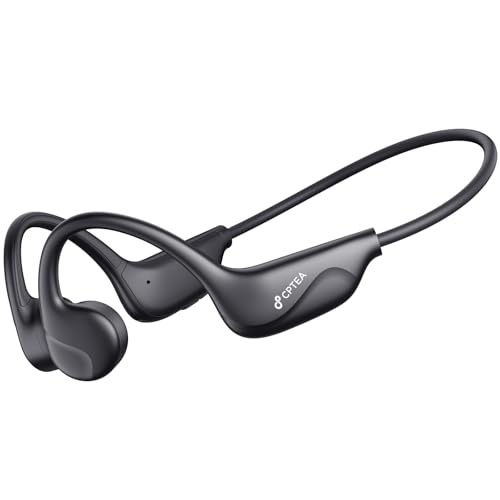
Cptea Bone Conduction Headphones
Runners, cyclists, and gym users who want a lightweight open-ear headset for situational awareness during workouts.
Read the Cptea Bone Conduction Headphones review →
Ogogrs Bone Conduction Headphones
Runners, cyclists, and gym users who want open-ear awareness and a budget-friendly wireless sports headphone.
Read the Ogogrs Bone Conduction Headphones review →Questions Buyers Ask
Ogogrs Upgrade Bone Conduction Headphones
See the current listing, price and included accessories.
About This Review
Mandrillis Team
The Mandrillis editorial team researches and compares audio and music gear using manufacturer documentation, verified specs and real buyer feedback, so you can make a confident purchase without wading through marketing claims.
Read our full research methodology.